
As you age, finding comfortable and practical clothing can become a challenge. Elderly women often face difficulties in navigating through clothing stores due to limited mobility or vision impairments, making it hard to find clothes that suit their needs. Moreover, many elderly women struggle with maintaining a stylish yet easy wardrobe as they prioritize comfort over fashion.
Clothing choices play a significant role in maintaining dignity and confidence for elderly individuals. A well-planned wardrobe can significantly improve the quality of life by providing ease of movement, reduced discomfort, and increased independence. In this article, you’ll learn how to choose comfortable clothing that suits your lifestyle, covering topics such as sizing, fabrics, and accessorizing, ultimately leading to a more practical yet stylish wardrobe.
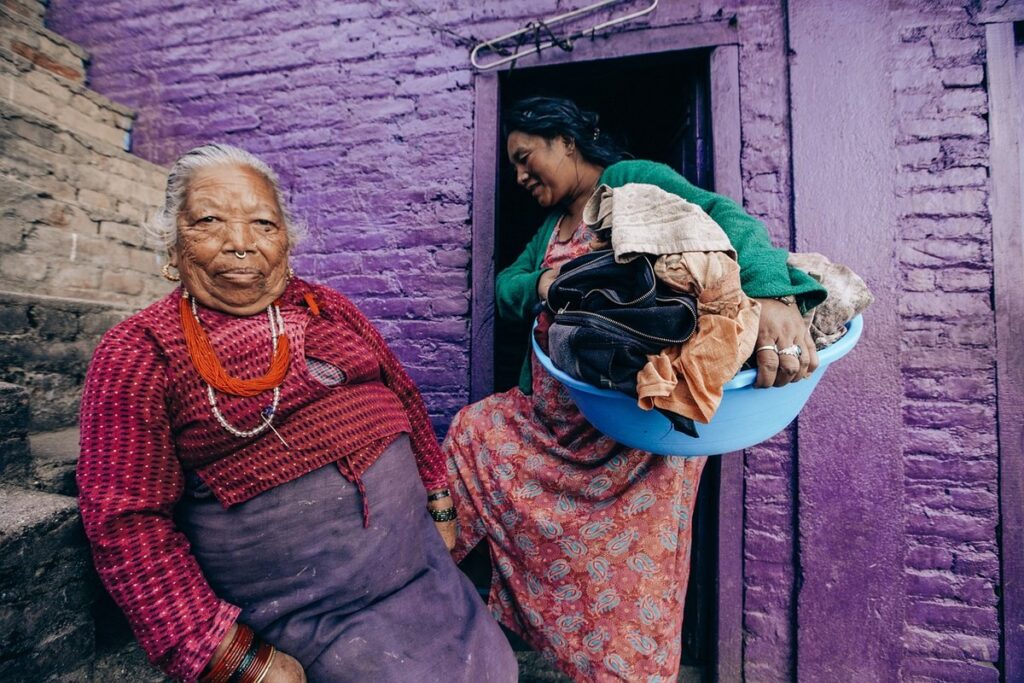
Choosing the Right Fit
When it comes to finding clothes that are comfortable and practical for daily life, there are several factors to consider beyond just style. Let’s look at what you should prioritize when selecting clothing that meets your needs.
Understanding Sizing and Measurements
When choosing clothes for elderly women, it’s essential to determine the right size. To do so, you’ll need to measure clothing carefully. Use a flexible tape measure to record your waist, bust, and hip measurements. Keep in mind that different brands have varying sizing standards, which can be confusing. For instance, some brands may have a “relaxed” fit, while others are designed for a more “fitted” silhouette.
When reading labels, look for specific details about the garment’s cut and style. A fitted dress or top might be too constricting if you’re looking for comfort. On the other hand, a relaxed fit can sometimes appear sloppy on certain body types. To avoid these issues, try before buying whenever possible. Visit a store that offers flexible return policies in case you need to exchange sizes.
Understanding different fit types and your personal measurements will help ensure you get clothes that suit your needs and preferences. Don’t be afraid to ask sales associates for guidance or advice on specific brands’ sizing standards.
Common Challenges with Fitting
Changes in body shape due to aging or health conditions can make it challenging for elderly women to find clothes that fit comfortably. As muscle mass decreases and fat distribution changes, many experience a loss of definition around their midsection, hips, and thighs. Additionally, certain health conditions such as arthritis, diabetes, or mobility issues may cause swelling in the hands, feet, or legs.
To accommodate these changes, it’s essential to reassess your wardrobe and focus on comfort rather than style. Consider investing in garments with adjustable waistbands or elastic waistlines that can accommodate fluctuations in weight or swelling. Loose-fitting tops and trousers are also practical options for hiding areas of discomfort while still looking put-together. When shopping for new clothes, prioritize soft fabrics like cotton, bamboo, or modal that will be gentle against the skin.
When adapting your wardrobe, think about the activities you engage in most often and dress accordingly. For example, if you spend a lot of time sitting, look for garments with built-in support or compression to help reduce swelling.
Comfortable Fabrics and Clothing Styles
When it comes to dressing comfortably, choosing breathable fabrics and relaxed styles can make all the difference for elderly women. We’ll explore some of the best fabric options and clothing designs that promote ease and comfort.
Breathable Fabrics for Hot Weather
When selecting breathable fabrics for warm weather, elderly women can opt for cotton, linen, and bamboo. Cotton is a popular choice due to its softness and moisture-wicking properties, making it suitable for loose-fitting clothing. Linen, on the other hand, offers excellent ventilation and temperature regulation, ideal for hotter climates. Bamboo fabric is another great option, known for its lightweight and moisture-absorbing qualities.
Caring for these fabrics requires attention to detail. Cotton and linen should be washed in cold water, while bamboo can be machine-washed in warm settings. It’s essential to check care labels carefully, as some may require dry cleaning or special washing instructions. Elderly women can find breathable fabrics at most department stores, specialty clothing shops, or online retailers.
When shopping for breathable fabrics, look for loose weaves and natural fibers. Avoid synthetic blends that can trap heat and moisture. Additionally, consider the thickness of the fabric; lighter weights tend to breathe better than heavier ones. By choosing the right breathable fabrics, elderly women can stay cool and comfortable in warm weather while maintaining their personal style.
Soft and Cozy Options for Cold Weather
Wool, fleece, and flannel are ideal fabrics for colder climates. They provide excellent insulation without being too heavy or restrictive. When selecting these materials, look for ones with a soft, brushed texture that will feel gentle against the skin. Avoid scratchy or coarse weaves that can irritate sensitive skin.
For optimal warmth, layering is key. Start with a lightweight base layer made from moisture-wicking fabric to prevent chilling and discomfort. Next, add a mid-layer of fleece or wool for extra insulation. Finally, top it off with a breathable, water-repellent outer layer to shield against wind and rain.
When choosing specific garments, consider items like cardigans, sweaters, and scarves made from these soft fabrics. They can be dressed up or down and are perfect for everyday wear. For example, a cozy wool cardigan paired with leggings or tights is a great combination for colder weather. By incorporating these fabrics and layering techniques into your wardrobe, you’ll stay warm and comfortable all season long.
Accessorizing with Ease
Adding a few simple accessories can completely transform your outfit, and we’re going to show you some easy ways to do just that. Let’s talk about accessorizing like a pro!
Scarves, Hats, and Gloves for Added Style
When adding scarves, hats, and gloves to an outfit, it’s not just about making a fashion statement. These accessories also offer practical benefits, particularly for elderly women who may be more susceptible to cold temperatures. A scarf can provide warmth around the neck and face, while a hat can shield the head from harsh sun or cold wind.
In terms of style, scarves, hats, and gloves come in a wide range of colors, patterns, and textures that can easily complement an outfit. For example, a simple white scarf can add a touch of elegance to a classic dress, while a brightly colored hat can add a pop of personality to a casual pair of jeans.
To style these accessories effectively, consider the occasion and the overall aesthetic you want to achieve. A more formal event might call for a elegant silk scarf or fedora hat, while a casual outing with friends could be paired with a soft beanie or fingerless gloves. Ultimately, accessorizing with scarves, hats, and gloves is about finding a balance between practicality and personal style.
Easy-to-Wear Jewelry Options
Elderly women often experience dexterity issues, making it challenging to wear traditional jewelry. Simple designs with magnetic clasps can be a game-changer for those who struggle with fine motor control or have limited hand mobility. Consider jewelry pieces that use strong magnets instead of traditional claps, which require pinching and twisting.
When choosing hypoallergenic materials, look for items made from surgical-grade stainless steel, titanium, or solid sterling silver. These metals are resistant to corrosion and less likely to cause skin irritation. Avoid jewelry containing nickel, as it’s a common allergen that can trigger contact dermatitis.
To avoid discomfort altogether, opt for soft and lightweight jewelry. Velvet-covered clasps or smooth-finish findings can provide extra comfort against the skin. Some brands offer specifically designed jewelry for seniors with arthritis or mobility issues. These pieces often feature easy-to-use clasps and ergonomic designs that minimize strain on the hands and wrists. When shopping for easy-to-wear jewelry, prioritize functionality alongside aesthetics to ensure a comfortable and stylish accessory experience.
Practical Tips for Everyday Wear
For everyday wear, focus on comfort and ease of movement with loose-fitting tops and leggings that won’t restrict your activity. Consider investing in a few versatile pieces to simplify your wardrobe.
Laundry-Friendly Clothing
Polyester blends and moisture-wicking materials are game-changers for simplifying laundry routines. These fabrics are designed to minimize wrinkles and dry quickly, reducing the need for ironing and multiple wash cycles. Polyester blends, for instance, can withstand high temperatures and require less frequent washing than cotton or linen. This is particularly beneficial for elderly women who may have limited mobility or dexterity.
Moisture-wicking materials like nylon and polyester blends also help regulate body temperature, keeping you cool in the summer and warm in the winter. This means fewer washes are needed to remove sweat and odors, making laundry days less frequent and easier to manage. Some popular brands offer clothing lines specifically designed for seniors, incorporating these low-maintenance fabrics.
When shopping for laundry-friendly clothing, look for items made from moisture-wicking materials or polyester blends. Pay attention to the care labels and opt for clothes that can be machine washed and dried without special settings. While it’s still essential to follow basic washing instructions, these fabrics can provide an extra layer of convenience for elderly women who value ease and simplicity in their daily lives.
Time-Saving Styling Hacks
When it comes to everyday wear, elderly women often have limited time and energy to devote to fashion decisions. Layering basics is a simple yet effective way to save time while still looking polished. Start with a few versatile tops that can be paired with different bottoms, such as a classic white or light-colored blouse. This allows you to create multiple outfits without having to change clothes.
Mixing patterns and textures can also help to add visual interest to an outfit without requiring a lot of effort. For example, pairing a striped top with a pair of solid-colored trousers creates a cohesive look that’s easy to put together. Investing in a few high-quality, versatile pieces is another key strategy for reducing wardrobe decisions. A good pair of tailored trousers or a well-fitted dress can be dressed up or down depending on the occasion.
To maximize the benefits of these styling hacks, focus on investing in timeless pieces rather than trendy items that may quickly go out of style. This will help to ensure that your wardrobe remains relevant and functional over time, saving you time and effort in the long run.
Style for Specific Activities
When it comes to dressing for specific activities, you’ll want clothes that balance comfort and functionality. We’ll explore some great options for everyday wear, exercise, and even special occasions.
Active Wear for Seniors
When engaging in regular physical activity or sports, senior women require clothing that provides optimal comfort and support. Active wear for seniors should feature compression properties to help alleviate aches and pains associated with aging. Moisture-wicking fabrics are also essential, as they enable the skin to breathe freely, reducing sweat buildup and the risk of chafing.
Look for garments made from high-tech materials like polyester blends or merino wool, which excel at wicking away moisture and drying quickly. Breathability is another crucial aspect, allowing for airflow and preventing overheating. Some popular brands cater specifically to seniors’ needs, offering products with supportive features such as compression panels and adjustable waistbands.
When selecting active wear, consider the specific activity you’ll be engaging in. For low-impact exercises like yoga or walking, choose garments that provide gentle support without restricting movement. For high-intensity activities like aerobics or running, prioritize moisture-wicking fabrics and secure fastenings to prevent chafing. By choosing clothing designed with seniors’ needs in mind, you can stay comfortable and focused on your fitness goals.
Elegant Outfits for Formal Events
When attending formal events, elderly women can still look and feel elegant with the right attire. Consider a classic two-piece suit in a neutral color such as navy, black, or gray. Look for a pair of slacks that are loose-fitting through the thigh but tapered at the ankle, and a tailored jacket that falls just above the hip.
A-line dresses are also an excellent option for formal events, providing ease of movement while maintaining a polished appearance. Opt for a dress made from breathable fabrics such as cotton or silk to keep cool in warm environments. When selecting shoes, prioritize comfort with low-heeled pumps or loafers, rather than sacrificing style for the sake of pain.
For colder climates or air-conditioned venues, consider layering with a cardigan or shawl to add texture and visual interest. Avoid constrictive fabrics like velvet or lace that may cause discomfort during prolonged wear. By choosing comfortable yet stylish outfits, elderly women can confidently attend formal events while prioritizing their physical comfort and well-being.
Personalizing Your Wardrobe
Now that we’ve covered the essentials, let’s tailor your wardrobe to fit your unique style and preferences. This means considering factors like lifestyle, comfort, and personal flair in our next steps.
Tailoring Clothing to Fit Needs
When it comes to ensuring a comfortable and secure fit, tailoring existing clothes can be a game-changer for elderly women. Local tailors or seamstresses often specialize in alterations and can make significant adjustments to create a perfect fit.
To communicate specific needs effectively, it’s essential to provide clear measurements and explain the desired changes. This might include lengthening or shortening sleeves or pant legs, adjusting waistlines, or even reworking seams for easier mobility. Some elderly women may also require adaptations for medical conditions, such as adding magnetic closures for arthritis-friendly fastenings.
When selecting a tailor or seamstress, look for those with experience working with senior clients or alterations specialists. Ask about their familiarity with common aging-related changes, like loose skin or decreased flexibility. Clear communication is key; bring measurements and reference photos to help illustrate desired modifications. Prioritize tailors who offer in-home or mobile services, reducing the need for lengthy travel or navigating unfamiliar environments. With tailored clothes that fit perfectly, elderly women can enjoy greater comfort and confidence in their wardrobe choices.
Creating a Personal Style Statement
Defining a personal style statement is essential to creating a wardrobe that makes you feel confident and comfortable. Fashion should be enjoyable at any age, not just about following trends. Start by thinking about what makes you unique – your lifestyle, body shape, skin tone, hair color, and personal preferences.
Consider your daily activities: do you have a job that requires business attire or do you spend most of your time at home? Think about the colors and patterns that make you happy. For instance, if you love bright colors, incorporate them into your wardrobe through scarves, hats, or statement pieces.
To find inspiration, look to fashion magazines, websites, or social media platforms. Pay attention to what you like about a particular outfit – is it the fabric, style, or accessories? Create a vision board or write down your favorite styles and silhouettes. Don’t be afraid to mix and match different patterns, textures, and colors to create something truly unique.
Remember, personal style evolves over time, so be patient and have fun experimenting with different looks until you find what works for you.
Frequently Asked Questions
Can I use any fabric blend for older skin?
Yes, for elderly women with sensitive skin, it’s best to opt for natural fiber blends like cotton-polyester or silk-blend fabrics. These materials are gentle on the skin and less likely to cause irritation.
How often should I replace my wardrobe due to changing body shape?
As we age, our bodies undergo changes that may require adjustments in clothing fit. While there’s no one-size-fits-all answer, consider updating your wardrobe every 2-3 years or when you notice significant changes in your body shape.
What if the recommended fabrics are too expensive for my budget?
Many affordable stores now offer affordable alternatives to high-end fabrics, such as bamboo-blend tops or leggings. Look for discounts, sales, or online retailers that cater to seniors with limited budgets.
Can I still wear heels and formal shoes despite having mobility issues?
While it’s generally recommended to opt for comfortable flat shoes, if you’re set on wearing heels or formal shoes, consider investing in adjustable buckles or straps for added support. You can also look into custom orthotics for a more secure fit.