
Caring for an aging loved one can be a challenging and overwhelming experience, both physically and emotionally. As your parent or grandparent ages, they may need assistance with daily tasks such as bathing, dressing, and managing medications. This is where senior caregivers come in – trained professionals who provide personalized support to ensure the quality of life and safety of seniors. Hiring a reputable caregiver can be a daunting task, but it’s essential for maintaining your loved one’s independence and well-being. In this article, we’ll explore the benefits of hiring a senior caregiver, including how they can improve health outcomes, enhance daily living experiences, and provide peace of mind for families. By the end of this article, you’ll have expert advice on what to look for in a caregiver and how to make an informed decision that best supports your loved one’s needs.
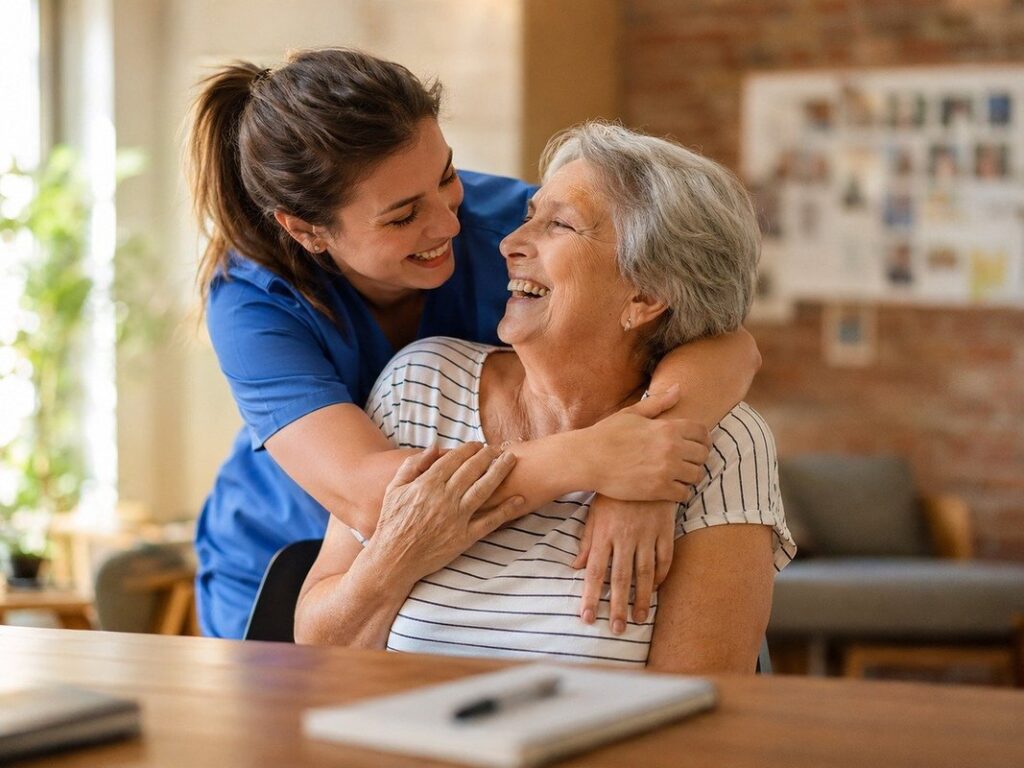
Who Are Senior Caregivers and Their Importance
As we explore the role of senior caregivers, it’s essential to understand who they are and why their work is so vital in supporting our aging loved ones. Let’s meet these dedicated professionals up close.
Understanding the Role of a Senior Caregiver
A senior caregiver is typically a family member, friend, or paid professional responsible for assisting seniors with daily tasks. Their role can vary depending on individual needs, but common responsibilities include managing medications, preparing meals, and maintaining household chores. Many caregivers also provide emotional support, helping seniors cope with loneliness, anxiety, or depression.
Caregivers often take on these duties due to the physical decline associated with aging, such as decreased mobility or loss of cognitive function. They may also assist with activities like bathing, dressing, and grooming. Some senior caregivers specialize in providing medical care, including administering injections, monitoring vital signs, and assisting with exercises for strength and flexibility.
The importance of a senior caregiver cannot be overstated. Without their support, many seniors would struggle to maintain their independence, leading to increased risk of falls, infections, or other health complications. A well-organized caregiving plan can help mitigate these risks and ensure the senior’s needs are met. Caregivers should prioritize open communication with healthcare providers to coordinate care and address any concerns.
Types of Senior Caregivers: Paid vs. Unpaid
Paid senior caregivers are healthcare professionals who provide care and support to older adults in their homes. They often hold certifications such as Certified Nursing Assistant (CNA) or Home Health Aide (HHA). Paid caregivers work under the supervision of a registered nurse and follow a set treatment plan for each patient.
In contrast, unpaid senior caregivers are family members or friends who provide care without compensation. This can be a spouse, child, sibling, or other relative who assumes caregiving responsibilities due to a loved one’s need for support. Unpaid caregivers may not have any formal training but often learn through hands-on experience.
It’s essential to recognize the value of both types of caregivers. Paid professionals bring medical expertise and relief to families, allowing them to balance work and personal obligations. Meanwhile, unpaid caregivers provide emotional support and continuity in care, as they are often familiar with their loved one’s routines and preferences. When possible, consider hiring a paid caregiver for tasks that require specialized skills, while also appreciating the contributions of unpaid caregivers who devote themselves to loved ones.
Benefits of Hiring a Senior Caregiver
Having a senior caregiver can bring numerous benefits, including peace of mind and improved quality of life for both seniors and their families. We’ll highlight these advantages in more detail below.
Improved Quality of Life for Seniors
Senior caregivers can play a vital role in improving the quality of life for seniors. By providing support with daily tasks and activities, seniors can maintain their independence and continue to live safely in their own homes. This is especially important as people age and may experience declining physical or cognitive abilities.
Increased independence allows seniors to maintain a sense of control and autonomy, which is essential for mental health and well-being. With the help of a senior caregiver, seniors can perform tasks such as bathing, dressing, and managing medications without assistance from others. This enables them to continue engaging in activities they enjoy, such as hobbies or spending time with loved ones.
Social interaction is also critical for seniors’ quality of life. Senior caregivers can provide companionship and engage their clients in conversations, games, or other activities that promote socialization and mental stimulation. This can help alleviate feelings of loneliness and isolation, which are common among seniors who live alone. By providing both practical support and social interaction, senior caregivers can have a profoundly positive impact on their clients’ lives.
Enhanced Safety and Security
When it comes to preventing accidents and falls, senior caregivers play a crucial role. Many seniors are at risk of falling due to age-related health issues, medication side effects, or environmental hazards. A senior caregiver can assess the home environment and make necessary adjustments to reduce fall risks. This may involve removing tripping hazards, securing rugs and mats, and installing handrails in strategic locations.
In addition to modifying the living space, a senior caregiver can also assist with daily activities that might contribute to falls. For example, they can help with bathing and dressing, which can be challenging for seniors with limited mobility or dexterity. They can also provide reminders about medication schedules and side effects, reducing the risk of adverse interactions.
A senior caregiver can also develop an emergency response plan in case a fall does occur. This might include installing medical alert systems, maintaining a list of emergency contacts, and knowing how to respond to common injuries. By taking these proactive steps, senior caregivers can help ensure the overall safety and security of seniors in their care.
How to Hire a Reputable Senior Caregiver
Finding the right senior caregiver for your loved one can be overwhelming, so it’s essential to know where to look and what questions to ask. Let’s break down the key steps in hiring a reputable senior caregiver.
Evaluating Qualifications and Experience
When evaluating a potential senior caregiver’s qualifications and experience, there are several key factors to consider. Look for certifications such as Certified Nursing Assistant (CNA) or Home Health Aide (HHA), which demonstrate their ability to provide hands-on care. Additionally, check if they have completed any training programs in areas like dementia care, wound management, or medication administration.
The caregiver’s experience should also be thoroughly assessed. Consider the types of settings they’ve worked in – for example, hospitals, nursing homes, or private homes – and ask about their specific roles within those settings. It’s essential to understand their level of responsibility and how it may have prepared them for the demands of senior care.
You can also ask about any previous experience caring for seniors with similar needs and conditions as your loved one. This will help you gauge their ability to provide tailored support. A reputable agency or hiring manager should be able to provide detailed information about a candidate’s qualifications, training, and experience. Don’t hesitate to request documentation or proof of certifications if needed.
Conducting Interviews and Background Checks
Conducting interviews with potential caregivers is a crucial step in finding the right fit for your loved one’s needs. It’s essential to ask open-ended questions that allow you to gauge their communication style, level of empathy, and problem-solving skills. For example, you might ask about their experience working with seniors, how they would handle a specific challenging situation, or what qualities they think are most important in a caregiver.
When performing background checks, be sure to verify the caregiver’s identity, employment history, and any relevant certifications or training. You can also check for any disciplinary actions taken against them by contacting local law enforcement or the state’s care registry. It’s also a good idea to ask for references from previous clients and contact them directly to get a sense of the caregiver’s work ethic and reliability.
Remember that even with thorough checks, you may still encounter dishonest applicants. Trust your instincts and don’t be afraid to walk away if something doesn’t feel right.
Creating a Supportive Environment for Seniors
Creating a supportive environment for seniors is crucial, and that’s why we’re going to explore some practical tips on how to do it effectively. By doing so, you’ll be able to better care for your loved one.
Encouraging Independence and Autonomy
Encouraging independence and autonomy is essential for seniors’ emotional and physical well-being. Providing transportation to appointments, social events, and regular activities can go a long way in maintaining their independence. This may involve driving them personally or helping them arrange alternative transportation services.
Helping with daily tasks such as grocery shopping, meal preparation, and household chores can also be beneficial. For instance, many seniors struggle with cooking nutritious meals due to declining physical abilities or lack of motivation. Offering to cook meals together or assisting with meal planning and preparation can not only save time but also provide opportunities for social interaction.
Another aspect is supporting their daily routines by being available when needed. This means respecting their schedules and preferences while still being accessible in case of emergencies or unexpected needs. It’s essential to strike a balance between helping seniors maintain independence and respecting their boundaries, lest over-reliance on caregivers becomes a problem.
Managing Medications and Health Conditions
Medication management is a critical aspect of caring for seniors with complex health conditions. Senior caregivers play a vital role in ensuring their loved ones take medications as prescribed, which can be particularly challenging when dealing with conditions like Alzheimer’s disease. The caregiver must understand the types and dosages of medications, as well as any potential interactions or side effects.
To manage medications effectively, establish a daily routine that includes medication administration times. This can help reduce confusion and ensure consistency. Keep a record of medications taken, including dates and times, to monitor for any changes in behavior or condition. This also helps identify potential issues with adherence or dosing errors.
Caregivers should also be aware of the emotional toll medication management can take on seniors. For example, some individuals may resist taking medications due to fears about loss of independence or worries about side effects. Be patient and empathetic when addressing these concerns. If needed, consult with a healthcare professional for guidance on managing behavioral issues related to medication adherence.
Challenges Faced by Senior Caregivers
As a senior caregiver, you’re likely facing unique challenges that can be emotionally and physically draining. Let’s explore some of the common obstacles caregivers encounter when caring for a loved one at home.
Emotional and Physical Demands
Providing care for a loved one can be a rewarding experience, but it also comes with significant emotional and physical demands. Senior caregivers often juggle multiple responsibilities, including managing medications, assisting with daily living tasks, and coordinating medical appointments. This level of caregiving can lead to compassion fatigue, a condition where caregivers become emotionally exhausted from constantly providing care.
Compassion fatigue can cause feelings of anxiety, irritability, and hopelessness. Caregivers may also experience physical symptoms such as chronic pain, insomnia, and changes in appetite or weight. Burnout is another common issue faced by senior caregivers, resulting from prolonged exposure to stress without adequate support or respite.
To mitigate these effects, it’s essential for caregivers to prioritize their own self-care. This can be achieved by setting realistic boundaries, delegating tasks when possible, and taking regular breaks to rest and recharge. Caregivers should also seek support from family members, friends, or support groups to manage the emotional demands of caregiving. Regular check-ups with a healthcare professional can help identify potential health issues early on.
Tips for Self-Care and Stress Management
As a senior caregiver, it’s essential to prioritize self-care and stress management techniques to maintain your physical and mental well-being. Support groups can provide a safe space to share experiences and connect with others who understand the challenges you face. Consider joining online forums or local support groups to find a community that suits your needs.
Respite care is another valuable resource for senior caregivers. This temporary relief allows you to take a break from caregiving responsibilities, recharge, and engage in activities that bring you joy. Look into adult day programs, home health aides, or professional respite care services in your area. Even short breaks of a few hours can make a significant difference.
In addition to these external support systems, establish self-care routines at home. This might include setting aside quiet time each day for meditation or reading, scheduling regular exercise, or practicing relaxation techniques like deep breathing exercises. By prioritizing your own well-being, you’ll become a more effective and compassionate caregiver. Remember that taking care of yourself doesn’t mean abandoning the person in your care – it means becoming better equipped to provide them with the support they need.
The Future of Senior Care: Trends and Innovations
The future of senior care is rapidly evolving, driven by technological advancements and shifting societal needs. Stay ahead of the curve with these emerging trends and innovations.
Technological Advancements in Caregiving
Wearable devices, such as smartwatches and fitness trackers, are now being designed with seniors’ specific needs in mind. For example, some devices can detect falls and alert caregivers or emergency services if needed. Mobile apps have also become increasingly popular for senior care, offering features like medication reminders, appointment scheduling, and social interaction tools.
Artificial intelligence (AI) is another area seeing significant advancements in caregiving technology. AI-powered care planning tools can help caregivers create personalized plans tailored to each individual’s needs and preferences. These tools use data from various sources, including medical records, daily activity logs, and sensor data from wearables and home sensors.
One notable example of an AI-powered care planning tool is its ability to anticipate and prepare for potential health issues. For instance, if a senior has a history of heart problems, the system might flag upcoming doctor’s appointments or recommend lifestyle adjustments to mitigate risks. By leveraging these technological advancements, caregivers can provide more effective and proactive support, enhancing overall quality of life for seniors.
Shifts in Caregiver Support and Resources
Caregiver support and resources are undergoing significant transformations to better meet the needs of senior caregivers. One notable shift is the increased focus on caregiver wellness. Traditionally, caregiving support has centered around the care recipient, but now there’s a growing recognition that caregivers themselves require attention. As a result, many organizations offer programs specifically designed to promote caregiver self-care, such as stress management workshops and peer support groups.
Respite care options are also becoming more accessible. Respite care provides temporary relief for caregivers by providing a break from caregiving duties. This can be especially crucial during periods of high stress or when the caregiver is experiencing burnout. With advancements in technology, respite care services are now often available through online platforms, making it easier to access and schedule.
Additionally, there’s an increased emphasis on providing affordable and flexible respite care options. Some caregivers may require overnight care, while others might need assistance with a specific task or activity. By offering customizable and cost-effective solutions, organizations can better support the diverse needs of senior caregivers. This shift towards caregiver-centric support is essential in maintaining the well-being of both the care recipient and the caregiver themselves.
Frequently Asked Questions
Can I Train My Family Member or Friend to Be a Caregiver?
You can provide training and support for your family member or friend, but it’s essential to ensure they understand their responsibilities and boundaries. This may involve attending caregiver workshops, online courses, or seeking guidance from healthcare professionals.
What If the Senior Has Alzheimer’s Disease? Can I Still Hire a Caregiver?
Yes, you can still hire a caregiver for a senior with Alzheimer’s disease. However, it’s crucial to work closely with their medical team to develop a care plan that meets their specific needs. A skilled caregiver can provide support and assistance with daily tasks, medication management, and other aspects of caregiving.
How Do I Handle Conflicts Between Family Members Regarding Caregiver Responsibilities?
When conflicts arise among family members regarding caregiver responsibilities, it’s essential to communicate openly and honestly about roles, expectations, and boundaries. Consider creating a shared care plan or schedule to ensure everyone is on the same page. If necessary, seek guidance from a geriatric care manager or counselor.
Can I Use Technology to Monitor My Senior Loved One’s Caregiver?
Yes, there are various technologies available that can help monitor your senior loved one’s caregiver, such as wearables, mobile apps, and home security systems. These tools can provide valuable insights into caregiving activities, medication adherence, and overall well-being. Be sure to discuss the use of technology with both the caregiver and the senior.
What If I’m a Senior Caregiver Myself? Can I Get Paid for Providing Care?
In some cases, yes, you may be eligible for compensation as a senior caregiver. This can include programs like Medicaid, Veterans Administration benefits, or private insurance coverage. Research available options in your area to determine if you qualify and how to apply.
Is It Possible to Hire a Senior Caregiver Who Speaks the Same Language as My Family Member?
Yes, it’s possible to hire a senior caregiver who speaks the same language as your family member. Consider working with an agency that specializes in providing caregivers from diverse backgrounds or use online platforms that cater to specific languages and cultures.
How Do I Evaluate the Effectiveness of the Caregiver’s Services?
To evaluate the effectiveness of the caregiver’s services, focus on metrics such as improved quality of life, increased independence, and reduced risk of accidents. Regularly communicate with both the caregiver and your senior loved one to gather feedback and identify areas for improvement.