
Retirement can be an exciting time, but for many people, it also brings feelings of loneliness and isolation. You’ve spent years building your career and raising a family, and now you’re left with a lot of free time on your hands. But as much as you may have been looking forward to having more time to yourself, the reality can be quite different from what you expected. Without the structure and social interactions that came with working outside the home or being involved in kids’ activities, many retirees find themselves struggling to connect with others and build a sense of community.
As you begin this new chapter in your life, making friends is crucial not just for your mental health but also for your overall well-being. Social connections have been proven to help alleviate symptoms of depression and anxiety, and can even add years to your life. In this article, we’ll explore practical tips on how to build a social network in retirement, including ways to get involved in your community, join clubs or groups that align with your interests, and make meaningful connections with others who share similar passions and experiences. By the end of it, you’ll have a clear understanding of how to overcome loneliness and depression by building new friendships and community connections.
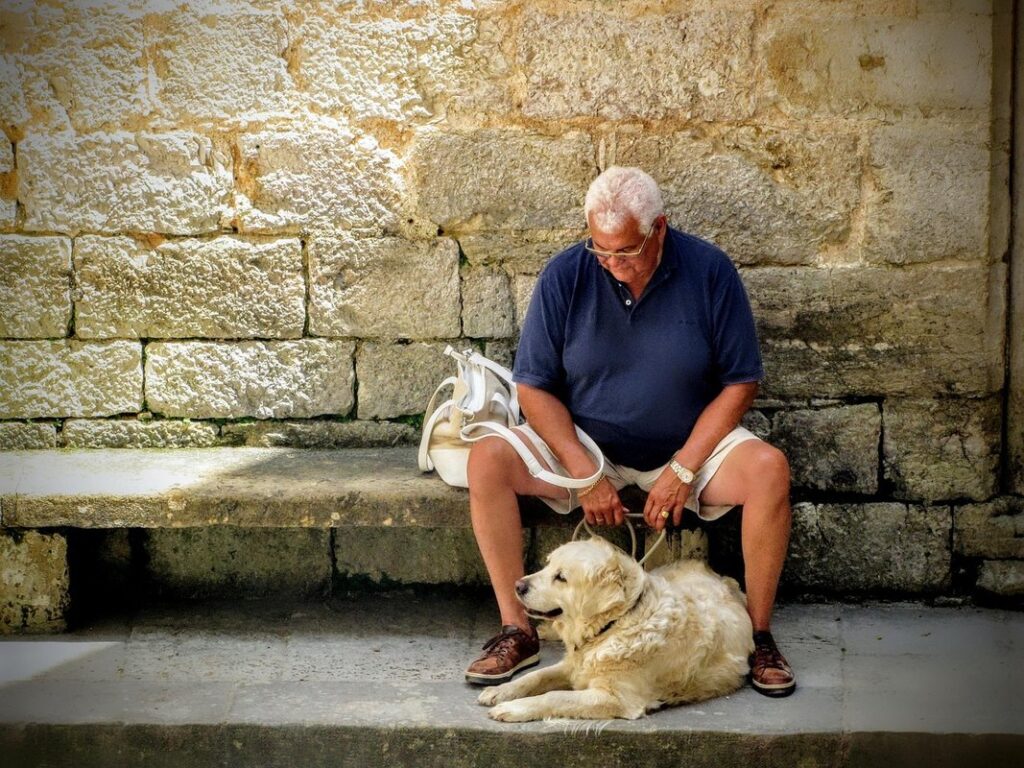
Understanding the Challenges of Friend-Making in Retirement
Making friends after retirement can be tough, especially if you’re new to a neighborhood or don’t have any existing social connections. Many retirees face challenges finding like-minded people to share activities and experiences with.
The Loss of a Structured Environment
Retirement can be a significant disruptor of social connections for many people. For those who were previously employed, the structure and routine of a job often provided a built-in social network. Coworkers became friends, and even acquaintances from daily interactions at the office or watercooler could become close relationships over time. Similarly, parents often meet other families through school events, sports teams, or playdates with their children.
This structured environment can be difficult to replicate in retirement, especially if you’re no longer working outside the home. Without a regular schedule and daily routines, social interactions may become less frequent and more effort-dependent. To make matters worse, some retirees might feel like they’ve outlived their peer group, making it harder to connect with others who share similar life experiences.
To bridge this gap, try reconnecting with old colleagues or classmates through social media or alumni events. These groups can provide a sense of continuity and shared experience, even if your daily routines have changed significantly. Additionally, consider joining local clubs or organizations that align with your interests, which we’ll discuss further in the next section. By taking proactive steps to rebuild your social network, you can create new connections and friendships that will enrich your retirement years.
Emotional and Psychological Changes
Retirement can bring about a mix of emotions, but for many people, it also means losing the structure and purpose that came with working. This change can be especially challenging when it comes to forming new friendships. You may feel like you’re starting from scratch, and it’s common to experience feelings of loneliness, depression, or anxiety as you adjust to this new chapter.
One reason for these emotions is the loss of a structured environment where social interactions were built into your daily routine. At work, you likely had colleagues with whom you’d chat during breaks or grab lunch. You may have also participated in team-building activities or joined professional organizations that facilitated connections. When these daily interactions disappear, it can leave a void.
To cope with these emotions and increase your chances of making new friends, try to focus on the positive aspects of retirement. Explore new hobbies, join local clubs or volunteer groups, and prioritize self-care. These small steps can help you build confidence and create opportunities for socialization. By acknowledging and addressing these emotional changes, you’ll be better equipped to navigate the challenges of forming new friendships in your golden years.
Creating a Support System
Building a support network is essential for navigating the transition to retirement. This network should include friends, family, and community resources that can offer emotional, practical, and social support.
Friends can provide companionship, shared activities, and a sense of belonging. Consider reconnecting with old friends or joining a social club to meet new people with similar interests. Family members can also be a vital source of support, offering help with daily tasks, errands, and emotional connection.
Community resources, such as senior centers, libraries, and places of worship, can provide opportunities for socialization, education, and recreation. Many communities offer programs specifically designed for seniors, including fitness classes, art workshops, and volunteer opportunities.
When building your support network, prioritize quality over quantity. Focus on nurturing relationships with a smaller group of people who can provide consistent support rather than trying to maintain a large circle of acquaintances. Consider scheduling regular check-ins or outings with friends and family to ensure ongoing connection and support. By investing time in building your support network, you’ll be better equipped to navigate the challenges of retirement and cultivate meaningful social connections.
Rebuilding Your Social Network
Now that you’ve taken the first step towards reconnecting, it’s time to focus on rebuilding your social network from scratch. This can be a daunting task, but don’t worry, we’re here to guide you every step of the way.
Expanding Your Social Circle Through Hobbies and Interests
Discovering new hobbies and activities can be a great way to meet like-minded individuals and expand your social circle. Many retirees find that pursuing an old passion or trying something entirely new helps them connect with others who share similar interests.
For example, if you’ve always loved gardening, joining a local gardening club or community garden is a wonderful way to meet fellow green-thumbed enthusiasts. Not only will you learn new skills and tips from one another, but you’ll also have the opportunity to work together on projects and share in each other’s successes.
Other activities that can help you meet new people include cooking classes, painting groups, or even book clubs. The key is to find something that genuinely excites you and allows you to engage with others who feel the same way. Consider enrolling in a local community center or adult education program to explore various options.
Before committing to anything, think about what activities truly bring you joy and consider how they might help you meet new friends. This will make it easier to get involved and start building relationships with like-minded individuals. By doing so, you’ll be well on your way to expanding your social circle and developing meaningful connections in retirement.
Joining Local Clubs and Organizations
Joining local clubs and organizations is an excellent way to meet like-minded people and build meaningful relationships. Start by identifying your interests and passions – are you a bookworm, a sports enthusiast, or a foodie? Once you have a clear idea of what you enjoy doing, search online for groups in your area that align with those interests. Websites like Meetup.com and LocalHarvest.org can help you find clubs and organizations catering to specific hobbies.
For example, if you’re an avid gardener, look for local gardening clubs or community gardens where you can connect with fellow green thumbs. Similarly, if you’re a foodie, join a cooking club or volunteer at a soup kitchen to meet people who share your passion for cuisine.
When joining a new group, don’t be afraid to introduce yourself and strike up conversations with others. Be open-minded and willing to try new things – this will help you build connections and form lasting friendships. Some clubs may also offer opportunities to participate in events or activities outside of regular meetings, which can be a great way to deepen your relationships with fellow members.
When choosing a club or organization, consider factors such as meeting frequency, location, and level of commitment required. This will ensure that you find a group that fits comfortably into your schedule and lifestyle.
Volunteering in Your Community
Volunteering is an excellent way to meet new people while giving back to your community. Not only does it provide a sense of purpose and fulfillment, but it also offers opportunities to connect with like-minded individuals who share similar values and interests.
When volunteering, you’re likely to participate in group activities or events, which can help break the ice and facilitate conversations. For instance, if you volunteer at a local animal shelter, you might be working alongside others to care for animals, which provides a natural conversation starter. Alternatively, if you’re involved in a community garden project, you’ll have the chance to share tips and learn from others about gardening techniques.
Some popular volunteering options include:
- Animal shelters
- Food banks
- Nursing homes
- Parks and recreation departments
- Museums and cultural institutions
Before committing to a specific organization or cause, consider what resonates with you and what activities align with your skills and interests. This will not only enhance your experience but also make it more enjoyable. By volunteering in your community, you can build meaningful connections while making a positive impact on the lives of others.
Building Lasting Friendships in Retirement
As you transition into retirement, building a strong social network is crucial for your mental and emotional well-being. Nurturing meaningful friendships can help you feel connected and engaged in this new chapter of life.
The Role of Shared Experiences in Friend-Making
Shared experiences have a profound impact on building meaningful relationships. When you participate in activities with others, such as traveling, taking a class, or volunteering, it creates an opportunity for bonding over shared memories and emotions. This collective experience can help establish common ground and foster deeper connections.
For instance, going on a trip together allows friends to share in the excitement of exploring new places, trying new foods, and navigating unfamiliar situations. These experiences create a sense of camaraderie and shared responsibility, which can be particularly valuable for retirees who may be looking to build relationships outside of their family or work network.
Group activities, such as book clubs, hiking groups, or sports teams, also provide opportunities for socialization and friendship development. Joining a group that aligns with your interests allows you to meet like-minded individuals while engaging in enjoyable activities.
To incorporate shared experiences into your friend-making efforts, consider joining local recreational leagues, taking a cooking class, or participating in community events. By prioritizing shared experiences, you can increase the chances of forming meaningful connections and building lasting friendships in retirement.
Communication Skills for Successful Friendships
Effective communication is the foundation of any successful friendship. In retirement, it’s especially important to cultivate strong communication skills to build meaningful relationships with others. One key aspect is active listening – giving full attention to what the other person is saying, and asking follow-up questions to show you’re genuinely interested.
To practice active listening, try to put away distractions like phones or TVs when interacting with friends, and maintain eye contact during conversations. You can also reflect back what you’ve heard to ensure understanding. For example, if a friend shares about their recent travel, you might say, “I loved hearing about your trip to the beach – it sounds like you had an amazing time exploring new places.” This shows that you’re engaged and care about what they’re sharing.
Empathy is also crucial in friendships. Try to understand others’ perspectives and feelings by asking open-ended questions and being patient with their responses. For instance, if a friend confides about a personal struggle, listen attentively without offering unsolicited advice, and let them share as much or as little as they feel comfortable. By practicing these skills, you’ll be well on your way to building strong, lasting friendships in retirement.
Overcoming Challenges in Friendship Development
When trying to form new friendships after retirement, it’s not uncommon to encounter challenges. Differences in interests can create a barrier between you and potential friends. For instance, if you’re an avid hiker but your neighbor is more interested in gardening, finding common ground might be difficult. However, this doesn’t mean you can’t make an effort to connect.
Social anxiety is another obstacle many retirees face when trying to form new friendships. Meeting new people can be intimidating, especially if you’re introverted or have had limited social interactions since retiring. To overcome this, consider starting small by attending low-key gatherings or events where you can mingle with others at your own pace.
It’s also essential to be patient and understanding when interacting with others who may have different backgrounds, experiences, or personalities. Try not to take it personally if conversations don’t flow as smoothly as you’d like. By being open-minded and flexible, you can create opportunities for meaningful connections to develop over time.
Navigating the Digital Landscape
As you explore ways to meet new people after retirement, it’s essential to understand how technology can be a powerful tool for connecting with others. We’ll examine how digital platforms can help you build friendships and stay engaged in your community.
Leveraging Technology for Social Connection
Technology can be a powerful tool for staying connected with friends and family when physical mobility becomes more challenging. Video conferencing tools like Zoom, Skype, and FaceTime allow you to participate in virtual get-togethers, catch up on each other’s lives, and even enjoy activities together remotely.
Social media platforms also offer opportunities for social connection. You can join online groups focused on shared interests or hobbies, follow local community events, and connect with others who share similar passions. Some popular options include Facebook Groups, Meetup.com, and Nextdoor.
When using technology to stay connected, prioritize video calls over text-based communication whenever possible. This allows you to read facial expressions, body language, and tone of voice, which are all essential for building and maintaining meaningful relationships. Consider scheduling regular virtual coffee breaks or weekly check-ins with friends and family to maintain a sense of connection.
Before meeting new people online, make sure to research the platform and take necessary safety precautions. This may include being cautious about sharing personal information and avoiding one-on-one interactions until you’ve established a trusted relationship. By leveraging technology in a thoughtful and intentional way, you can stay connected with loved ones and build new friendships even as your physical activities become more limited.
Online Communities and Forums
Online communities and forums can be a great way to connect with others who share similar interests or experiences. Many retirees have found meaningful friendships through online groups focused on hobbies such as gardening, travel, or photography. These platforms allow you to engage with people from the comfort of your own home, reducing barriers that might come with meeting new people in person.
Some popular options include Facebook Groups, Reddit forums, and specialized websites like Meetup.com. For example, you can join a group for seniors who share an interest in cooking or travel. This way, you can connect with others who understand the unique challenges and opportunities of retirement. When participating in online communities, it’s essential to be genuine and respectful in your interactions.
To get started, try searching for groups aligned with your interests and hobbies. Be sure to read the community guidelines and rules before posting or engaging with others. By doing so, you can ensure a positive experience and build meaningful connections with like-minded individuals.
Safety Considerations When Meeting New People Online
When meeting new people online, it’s essential to prioritize your safety and well-being. This is especially true for seniors who may be more vulnerable to scams or exploitation. Start by being cautious when sharing personal details or financial information with someone you’ve just met online.
Research the platform or community where you’re connecting with others. Look for features that allow you to block or report suspicious behavior, and familiarize yourself with their moderation policies. Be wary of profiles that seem overly flattering or aggressive in their attempts to connect.
When meeting someone in person, choose a public place and tell a friend or family member about your plans. Consider bringing a companion along for added safety. Trust your instincts – if something feels off or you feel uncomfortable, it’s okay to leave the situation.
Additionally, be cautious of red flags such as requests for money or gifts, and avoid sharing sensitive information like addresses or phone numbers with someone you’ve just met online. By being mindful of these safety considerations, you can enjoy the benefits of connecting with others while minimizing potential risks.
Strategies for Maintaining Friendships in the Long-Term
As you build and nurture new friendships, it’s just as important to think about how to keep them strong over time, rather than letting relationships fade away. To help prevent this from happening, we’ll share some practical strategies for maintaining long-term connections with your friends.
Scheduling Regular Check-Ins
Regular check-ins with friends are essential for maintaining strong relationships. It’s easy to let life get in the way and put off connecting with others, but making time for regular communication is crucial for keeping friendships alive.
Schedule monthly or bi-monthly meetups with close friends, whether it’s a coffee date, walk, or game night. Even short, informal gatherings can help keep connections strong. Consider setting reminders on your calendar to ensure these appointments stay top of mind. You might also designate a specific day each week for catching up with friends over the phone or video call.
To make regular check-ins more manageable, prioritize quality over quantity. It’s better to have a few close relationships that receive consistent attention than many acquaintances who are neglected. By focusing on deeper connections, you’ll be able to nurture friendships that truly enrich your life.
Be proactive in scheduling these meetups and stick to them. If possible, try to schedule activities or events that allow for meaningful interaction, rather than just catching up over a meal or coffee. This will help create shared experiences that strengthen bonds between friends.
Being Proactive in Friendship Development
Taking initiative and being proactive is essential when it comes to pursuing friendships after retirement. Many people tend to wait for others to make the first move, but this can lead to missed opportunities and a lack of control over their social connections.
One key aspect of being proactive is putting yourself in situations where you’ll meet new people. This might mean joining a local book club, volunteering at an animal shelter, or taking a cooking class. The goal is not just to attend events, but to be intentional about meeting others and starting conversations.
To do this effectively, consider the following strategies:
- Arrive early to gatherings and introduce yourself to others
- Ask open-ended questions that encourage meaningful discussions
- Be willing to try new things and step out of your comfort zone
By being proactive in friendship development, you’ll not only meet like-minded individuals but also build a sense of confidence and self-efficacy. This can be especially important for retirees who may feel uncertain about their social status or worried about making connections outside of work.
Embracing Changes in Friendships Over Time
Friendships are not static entities; they evolve over time as individuals and circumstances change. This is especially true during significant life events like retirement, when routines, living arrangements, and social roles can shift dramatically. As friendships adapt to these changes, what was once a regular weekly coffee date may become a monthly phone call or an occasional in-person visit.
It’s essential to be flexible and open-minded about how your friendships evolve over time. This might mean embracing new ways of staying connected with friends who are now scattered across different regions or adjusting to the loss of shared daily activities that previously brought you together. For instance, if a friend moves away, you can explore digital communication tools like video calls or messaging apps to maintain regular contact.
Consider setting clear expectations with your friends about how often you’d like to connect and what types of interactions work best for both parties. This can help prevent misunderstandings or feelings of abandonment when life circumstances change. By adapting to evolving friendships, you can preserve the deep connections that enrich your life in retirement.
Frequently Asked Questions
Can I start building new friendships before I retire?
Yes, starting to expand your social circle and try out new activities or hobbies can be done at any time. It’s never too early (or too late) to start making connections that will serve you well in retirement.
How do I know if a volunteer opportunity is a good fit for me and my personality?
When considering volunteering, think about what causes or activities align with your values and interests. Research the organization, read reviews from other volunteers, and even reach out to ask questions before committing. This will help ensure that you’re using your time effectively and enjoying the experience.
Can I use social media platforms like Facebook or Twitter for building friendships in retirement?
Yes, social media can be a useful tool for connecting with others who share similar interests or experiences. However, it’s essential to maintain boundaries and not rely solely on online interactions. Use these platforms to supplement your in-person connections and community engagement.
What if I have trouble meeting new people due to mobility issues or chronic health conditions?
If you’re facing physical challenges that make it hard to meet new people in person, consider joining online communities or forums related to your interests. You can also reach out to local organizations or support groups for advice on how to stay connected despite these obstacles.
How do I balance my desire for independence with the need for social connections in retirement?
Balancing independence and social connections is a common challenge in retirement. Prioritize regular communication with friends and family, but also make time for solo activities that bring you joy and fulfillment. This will help you maintain a sense of autonomy while still nurturing your relationships with others.