
Nighttime confusion is one of the most challenging aspects of dementia care, causing distress for both individuals with dementia and their caregivers. You may have experienced the frustration of trying to calm someone down in the middle of the night only to see them become agitated again as soon as you’ve managed to soothe them. For many people living with dementia, nighttime confusion is a persistent problem that can make it difficult to get a good night’s sleep and disrupt daily routines. Effective management of this symptom is crucial for maintaining quality of life and ensuring the well-being of both individuals with dementia and their caregivers. In this article, we’ll explore strategies for managing nighttime confusion in dementia, including environmental modifications, non-pharmacological interventions, and pharmacological treatments that can help alleviate symptoms.
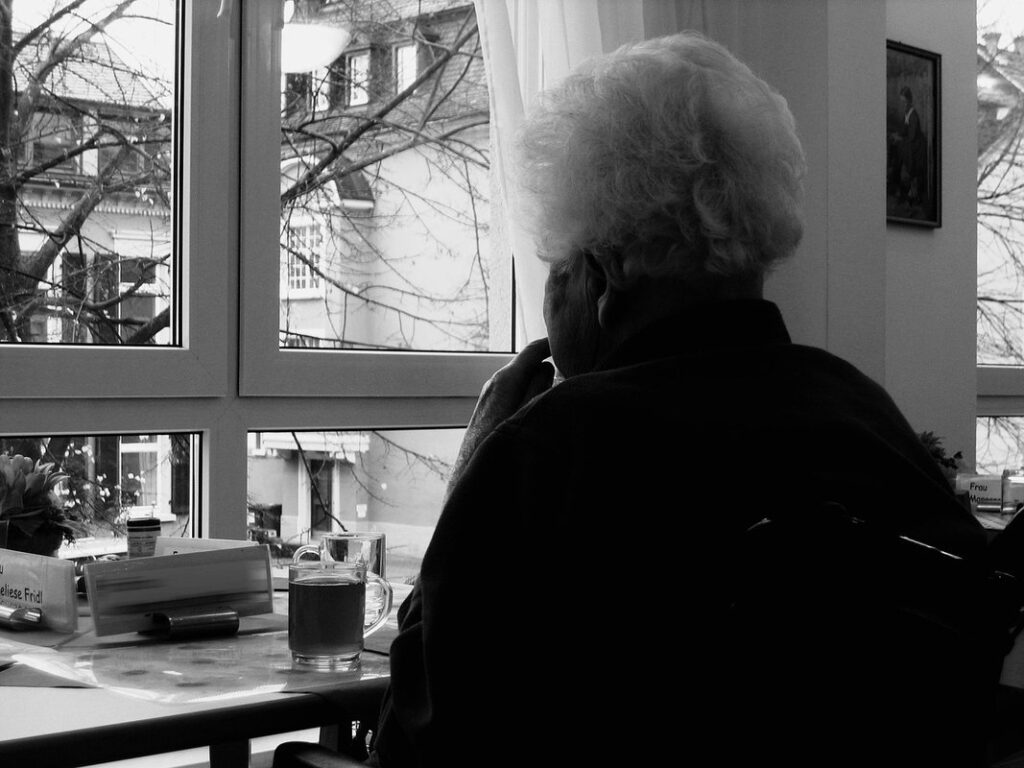
Understanding Nighttime Confusion
Nighttime confusion can be a challenging aspect of dementia care, causing distress for both individuals and their families. This section will explore some common causes and symptoms of nighttime confusion in people with dementia.
What is Nighttime Confusion?
Nighttime confusion is a distinct symptom of dementia that affects an individual’s sleep patterns and ability to navigate their surroundings at night. During these periods, people with dementia may experience difficulty recognizing familiar environments, such as their own home, or understanding the time of day. This confusion can be caused by a combination of factors, including disruptions in the body’s natural circadian rhythms, hormonal changes, and decreased ability to process information.
For example, individuals with dementia might mistakenly believe it is daytime when it’s actually nighttime, leading them to try to leave their home or engage in activities that are only suitable for daylight hours. Conversely, they may become agitated or disoriented if they’re unable to distinguish between night and day.
As a result of these challenges, individuals experiencing nighttime confusion often require extra support and accommodations to ensure their safety and well-being. This can include having a caregiver present at night, using visual reminders such as clocks or calendars, and providing a safe environment that minimizes the risk of injury. By understanding the causes and effects of nighttime confusion, caregivers and healthcare professionals can develop targeted strategies to address this symptom and improve the quality of life for individuals with dementia.
Prevalence and Impact
Nighttime confusion is a common phenomenon among people with dementia, affecting approximately 60% of individuals living with Alzheimer’s disease and other dementias. This can lead to frequent nighttime awakenings, agitation, and disorientation, causing significant distress for both the individual and their caregivers.
The impact on caregivers should not be underestimated. Constantly managing nighttime confusion can lead to sleep deprivation, emotional exhaustion, and burnout. Caregivers often report feeling helpless and frustrated as they struggle to provide adequate care during these chaotic periods.
Effective management strategies are essential to mitigate the frequency and severity of nighttime confusion. This may involve a combination of environmental modifications, such as ensuring a safe and calming sleep environment, and non-pharmacological interventions like establishing a consistent bedtime routine or using light therapy to regulate circadian rhythms. By acknowledging the prevalence and impact of nighttime confusion, caregivers can begin to develop targeted plans to address this complex issue. A well-planned approach can help reduce caregiver stress and improve overall quality of life for individuals with dementia.
Causes and Risk Factors
Nighttime confusion can be caused by a complex interplay of factors, including physical discomfort, sleep disruptions, and underlying health conditions. Understanding these potential triggers is essential for developing effective strategies to manage symptoms.
Physical Changes
Physical changes associated with dementia can significantly contribute to nighttime confusion. One common issue is sleep disorders, such as insomnia or sleep apnea, which disrupt the body’s natural sleep-wake cycle and lead to disorientation upon waking. Sensory impairments, including vision and hearing loss, can also exacerbate nighttime confusion. For instance, a person with dementia may struggle to recognize their surroundings in low-light conditions or have difficulty responding to auditory cues.
Additionally, changes in body temperature regulation, common in people with dementia, can cause restlessness and agitation at night. This can be especially problematic for caregivers who need to intervene in these situations. Practical steps can be taken to mitigate the impact of physical changes on nighttime confusion. For example, creating a sleep-conducive environment by reducing noise levels and maintaining a consistent sleep schedule can help improve the quality of sleep.
It’s also essential to address any underlying sensory impairments through assistive devices or other interventions, such as hearing aids or visual aids for navigation. By acknowledging and addressing these physical changes, caregivers can take proactive steps in managing nighttime confusion and creating a safer, more supportive environment for individuals with dementia. Regular monitoring of sleep patterns and sensory function is crucial to identifying areas where intervention may be necessary.
Medical Conditions
Certain medical conditions can trigger or worsen nighttime confusion in individuals with dementia. One common example is urinary tract infections (UTIs), which are more prevalent in older adults and those with dementia due to their decreased mobility and hygiene needs. The resulting discomfort, pain, and fatigue can lead to restlessness, agitation, and disorientation at night.
Pain from various sources, such as arthritis or pressure sores, can also contribute to nighttime confusion. This is because chronic pain can interfere with sleep quality, causing individuals to wake up frequently and become easily agitated. Furthermore, pain can be difficult to manage in people with dementia, leading to escalating behaviors.
Other medical conditions that may exacerbate nighttime confusion include acute illnesses like pneumonia or sepsis, which can cause delirium and confusion. Additionally, chronic conditions like congestive heart failure or chronic obstructive pulmonary disease (COPD) can lead to fluctuations in oxygen levels and electrolyte imbalances, further complicating nighttime behavior.
A comprehensive medical evaluation is essential to identify underlying causes of nighttime confusion, allowing for targeted interventions and improved management strategies.
Medication-Related Confusion
Medications can play a significant role in contributing to nighttime confusion in individuals with dementia. Certain medications can have sedative effects, causing drowsiness and disorientation during the day, which can then disrupt sleep patterns at night. This is particularly concerning for people living with dementia who may already be experiencing difficulty sleeping.
Some common culprits include benzodiazepines, antidepressants, and antihistamines. These medications can cause drowsiness, confusion, and increased risk of falls. Additionally, medication interactions can also contribute to nighttime confusion. For instance, combining certain medications can increase the risk of sedation or exacerbate underlying conditions.
It’s essential for caregivers and healthcare professionals to carefully review a person’s medication regimen to identify potential contributors to nighttime confusion. This may involve adjusting dosages, switching medications, or implementing strategies to mitigate side effects. In some cases, reducing the number of medications taken at night can help alleviate symptoms. By understanding the role of medications in nighttime confusion, caregivers and healthcare professionals can work together to develop more effective management plans.
Symptoms and Behaviors
Nighttime confusion in dementia can manifest differently from person to person, but certain symptoms and behaviors are common. Look out for these signs of nighttime agitation and disorientation.
Sleep Disturbances
People with dementia often experience disrupted sleep patterns, leading to a range of sleep disturbances. Insomnia is common, with individuals having difficulty falling asleep or staying asleep throughout the night. This can be due to various factors, such as discomfort, pain, or anxiety related to the condition.
Daytime fatigue is another prevalent symptom, where individuals feel tired and lethargic during the day. This can be particularly challenging for caregivers who need to manage daily activities, including meal times and medication schedules. Excessive daytime sleepiness (EDS) can also occur, causing individuals to feel an overwhelming urge to nap or sleep during the day.
These sleep disturbances can exacerbate nighttime confusion by creating a cycle of fatigue and confusion that worsens over time. For example, someone with dementia who is experiencing insomnia may become frustrated and agitated at night, leading to increased agitation and aggression. Caregivers can help mitigate these symptoms by establishing a consistent sleep schedule, reducing noise levels in the bedroom, and encouraging physical activity during the day to promote better sleep.
Disorientation and Agitation
Disorientation and agitated behavior are common nighttime manifestations of dementia. As the day winds down, individuals with dementia may experience a disorienting sense of time and place, leading them to believe it’s daytime or an earlier hour. This can trigger agitation as they try to cope with their surroundings. A person might insist it’s morning and demand breakfast, or become agitated because “it’s too early” for bedtime.
Some individuals may exhibit more pronounced disorientation, such as calling out for loved ones who are not present or insisting on performing activities from earlier in the day. Others may exhibit agitation through pacing, restlessness, or even physical aggression. The triggers can be varied: a change in routine, an unfamiliar environment, or even certain noises or sounds.
In these situations, caregivers should prioritize creating a calming atmosphere, reducing noise levels, and maintaining familiar routines as much as possible. Dimming lights and providing comfort items like blankets or pillows can help create a sense of security and reduce agitation. By being aware of these potential triggers and taking proactive steps to manage them, caregivers can better support their loved ones with dementia during nighttime hours.
Escalation and Crisis Situations
In severe cases of nighttime confusion, dementia patients may exhibit behaviors that pose a risk to their own safety and the well-being of those around them. Wandering is a common crisis situation, where individuals become agitated and disoriented, leading them to exit their homes or care facilities in search of a perceived need or solution. This behavior can be particularly concerning if it involves navigating unfamiliar areas at night, such as dark streets or hospital corridors.
Aggressive behavior is another escalation scenario that requires immediate attention. Residents may lash out at caregivers or other individuals, often due to feelings of frustration, anxiety, or being overwhelmed by their environment. Verbal aggression, like shouting or cursing, can be just as distressing for those around them. To mitigate these crisis situations, it’s essential to establish a safe and supportive nighttime routine that includes regular checks on the individual’s well-being.
This may involve creating a calming environment with soft lighting, comfortable seating areas, and reduced noise levels. Consistent communication strategies, such as using clear and concise language, can also help reduce agitation and frustration. By recognizing the warning signs of escalation and implementing proactive measures, caregivers can minimize the risk of crisis situations arising in individuals with nighttime confusion.
Assessment and Diagnosis
Accurately assessing nighttime confusion in dementia requires a thorough understanding of its underlying causes, which can often be masked by other symptoms. Understanding these complexities is crucial to developing effective treatment plans.
Screening Tools and Assessments
Several tools and assessments are available to identify individuals with dementia who experience nighttime confusion. The Mini-Mental State Examination (MMSE) is a widely used cognitive screening tool that assesses various aspects of cognition, including attention and memory. However, it may not specifically address nighttime confusion. Other tools, such as the Confusion Assessment Method (CAM), are designed to detect delirium, which can be a contributor to nighttime confusion.
The Clock Drawing Test is another assessment tool used to evaluate cognitive function, particularly executive functioning. It involves asking the individual to draw a clock and has been shown to be effective in identifying individuals with dementia who experience confusion during the night. The CAM-Cog tool is an adaptation of the CAM that specifically assesses for cognitive impairment.
When selecting a screening tool or assessment, it’s essential to consider the individual’s unique needs and circumstances. For example, the MMSE may not be suitable for individuals with severe dementia or those who are unable to complete tasks due to physical limitations. Caregivers should consult with healthcare professionals to determine the most appropriate tools and assessments for their loved one’s specific situation.
Medical History and Physical Examination
A comprehensive medical history is essential to identify underlying conditions that may be contributing to nighttime confusion. A thorough review of the individual’s medical records and a detailed discussion with the primary care physician can reveal key information about previous health issues, chronic diseases, and current medications. This knowledge helps healthcare providers pinpoint potential causes of nighttime confusion.
During the physical examination, vital signs such as blood pressure, heart rate, and body temperature are taken to assess overall health. A neurological examination is also conducted to evaluate cognitive function, reflexes, and muscle strength. The healthcare provider may also perform a general assessment for signs of dehydration, malnutrition, or pain, which can exacerbate nighttime confusion.
Key factors to consider during the medical history and physical examination include:
- Previous strokes or transient ischemic attacks (TIAs)
- Dementia diagnosis and progression
- Chronic diseases such as diabetes, hypertension, or sleep apnea
- Medications that may contribute to nighttime confusion, including sedatives, anticholinergics, or certain antidepressants
By conducting a thorough medical history and physical examination, healthcare providers can rule out underlying conditions contributing to nighttime confusion and develop an effective treatment plan.
Management Strategies
When it comes to managing nighttime confusion, caregivers often struggle to find effective strategies that work for their loved ones. We’ll explore practical approaches to calm and soothe those affected by dementia at night.
Environmental Modifications
Reducing noise levels is crucial to create a peaceful sleep environment. Consider using earplugs or earmuffs for the person with dementia, especially if they’re sensitive to sounds. You can also use white noise machines or fans to mask background noises that might disturb them. Similarly, dim red lighting can help reduce confusion and agitation caused by bright lights.
Improve the bedroom’s lighting with a combination of overhead and table lamps. Avoid using harsh overhead lights, which can be disorienting. Instead, opt for gentle, warm-toned bulbs that promote relaxation. Consider installing nightlights in hallways and bathrooms to facilitate safe nighttime navigation.
Ensure safety by removing tripping hazards, such as rugs or clutter, from the bedroom floor. Secure any loose furniture or heavy objects that could fall and cause injury. You can also install grab bars or handrails near the bed for added support. Keep essential items, like a phone or emergency call device, within easy reach to minimize nighttime distress.
Non-Pharmacological Interventions
Cognitive stimulation programs can be beneficial in managing nighttime confusion. These programs engage individuals with dementia in mentally stimulating activities, such as puzzles, games, and arts, to keep their minds active and focused throughout the day. Studies have shown that participating in cognitive stimulation programs can reduce agitation and aggression in people with dementia.
Regular exercise is also essential for reducing nighttime confusion. Physical activity helps regulate sleep patterns, improves mood, and enhances overall physical function. Aim for at least 30 minutes of moderate-intensity exercise per session, ideally twice a day. Examples include walking, stretching, or chair yoga. Gentle exercises can be adapted to accommodate mobility issues.
Adjusting sleep schedules is another non-pharmacological intervention that can help manage nighttime confusion. Encourage individuals with dementia to maintain a consistent sleep schedule, even on weekends. Establish a calming bedtime routine, such as reading or listening to soothing music, to signal the transition from wakefulness to sleep.
Pharmacological Treatments
Pharmacological treatments may be prescribed to alleviate nighttime confusion in people with dementia. These medications can help manage symptoms such as agitation, aggression, and restlessness, which often accompany nighttime confusion. However, it’s essential to weigh the potential benefits against the risks.
Antipsychotics are commonly used to treat agitation and aggression associated with nighttime confusion. Examples include risperidone (Risperdal) and quetiapine (Seroquel). While these medications can provide temporary relief from symptoms, they carry a risk of side effects like drowsiness, weight gain, and increased risk of falls.
Benzodiazepines, such as lorazepam (Ativan), may also be prescribed to help manage anxiety or agitation. However, their use is typically limited due to the risk of dependence and withdrawal symptoms. Non-benzodiazepine sedatives like zolpidem (Ambien) can also be used for short-term sleep aid.
When considering pharmacological treatment options, healthcare providers will carefully evaluate the individual’s medical history, current medications, and overall health status. This is crucial to minimize potential interactions or side effects.
Caregiver Support
As a caregiver for someone living with dementia, providing emotional support and reassurance can be just as crucial as managing their physical needs at night. This is where caregiver support comes into play, offering relief and guidance when it matters most.
Emotional Impact on Caregivers
Caring for a loved one with dementia who experiences nighttime confusion can be emotionally draining. The constant vigilance required to ensure their safety and comfort takes a toll on caregivers’ mental health, often going unseen until it’s too late. Many caregivers report feelings of frustration, guilt, and anxiety as they struggle to provide the best possible care in a situation that’s beyond their control.
The lack of sleep and disruption to daily routines can exacerbate these emotions, making it challenging for caregivers to manage their own stress levels. Caregivers may also feel isolated, as they’re often unable to leave their loved one unattended, even for short periods. This isolation can lead to feelings of burnout, causing some caregivers to question their ability to continue providing care.
It’s essential for caregivers to recognize the emotional impact of caring for a loved one with dementia and nighttime confusion. By acknowledging these emotions, caregivers can take steps to prioritize their own well-being, such as seeking respite care or joining support groups. This self-care is crucial in preventing burnout and ensuring that caregivers can continue providing high-quality care for their loved ones.
Respite Care and Support Services
Caregivers of individuals with dementia often face significant emotional challenges, including feelings of isolation, anxiety, and burnout. To mitigate these effects, respite care options can provide temporary relief from caregiving responsibilities. Counseling services, for example, offer a safe space to process emotions and develop coping strategies. Peer support groups, comprising others who understand the unique demands of dementia caregiving, also facilitate connection and sharing of experiences.
Respite care may involve hiring in-home caregivers or adult day programs that provide socialization and stimulation during the day. Some communities offer overnight respite services, allowing caregivers to take a break while ensuring their loved one’s safety and well-being. Online support groups and forums can be particularly helpful for those with limited access to in-person resources.
Key components of effective respite care include flexibility, reliability, and compassion. When seeking respite services, consider factors such as staff qualifications, availability, and communication style. Regularly reviewing and adjusting your care plan can help ensure that you’re receiving the support you need during this challenging time.
Frequently Asked Questions
How to know when medication adjustments will help alleviate nighttime confusion in dementia?
Medication adjustments can be effective in alleviating nighttime confusion if the contributing medications are identified and adjusted or changed. Consult with a healthcare professional to review current medications, their potential side effects, and interactions that may exacerbate nighttime confusion. Be cautious of sudden changes, as they can lead to adverse reactions.
Can non-pharmacological interventions like cognitive stimulation and exercise be used in conjunction with pharmacological treatments?
Yes, non-pharmacological interventions can be used alongside pharmacological treatments to help manage nighttime confusion. In fact, combining these approaches may enhance their effectiveness. Cognitive stimulation and exercise have been shown to improve sleep quality and reduce agitation in people with dementia.
What if environmental modifications don’t work? Are there other strategies I can try?
If environmental modifications are not effective, consider exploring non-pharmacological interventions further or adjusting the sleep environment again. Additionally, consult a healthcare professional about potential medication adjustments or alternative treatments. It’s also essential to assess for underlying medical conditions that may be contributing to nighttime confusion.
How do I know if my loved one with dementia is experiencing a crisis situation due to nighttime confusion?
Crisis situations can arise when individuals become agitated or disoriented at night, potentially leading to wandering or aggressive behavior. Watch for signs of escalating symptoms, such as increased agitation, pacing, or vocalization. If you notice these behaviors, try to remain calm and reassure your loved one while seeking immediate support from healthcare professionals or emergency services if necessary.
What specific sleep schedule adjustments can I make for my loved one with dementia who experiences nighttime confusion?
Adjusting the sleep schedule by encouraging a consistent bedtime routine, reducing daytime napping, and promoting morning sunlight exposure may help regulate the body’s internal clock. Also, consider using assistive devices like alarms or wearable monitors to monitor nocturnal activity and provide peace of mind.