
Regular health exercise is more than just a good habit – it’s a vital investment in your overall well-being. By incorporating physical activity into your daily routine, you can significantly reduce your risk of chronic diseases like heart disease and diabetes. But that’s not all: exercise also has a profound impact on mental health, helping to alleviate symptoms of anxiety and depression and even improve sleep quality.
In this article, we’ll explore the best types of exercise for overall fitness, from cardio and strength training to flexibility and high-intensity interval workouts. We’ll also provide practical tips on how to create a sustainable workout routine that fits your lifestyle and goals. Whether you’re a seasoned athlete or just starting out, our goal is to empower you with the knowledge and motivation to prioritize health exercise and reap its numerous benefits.
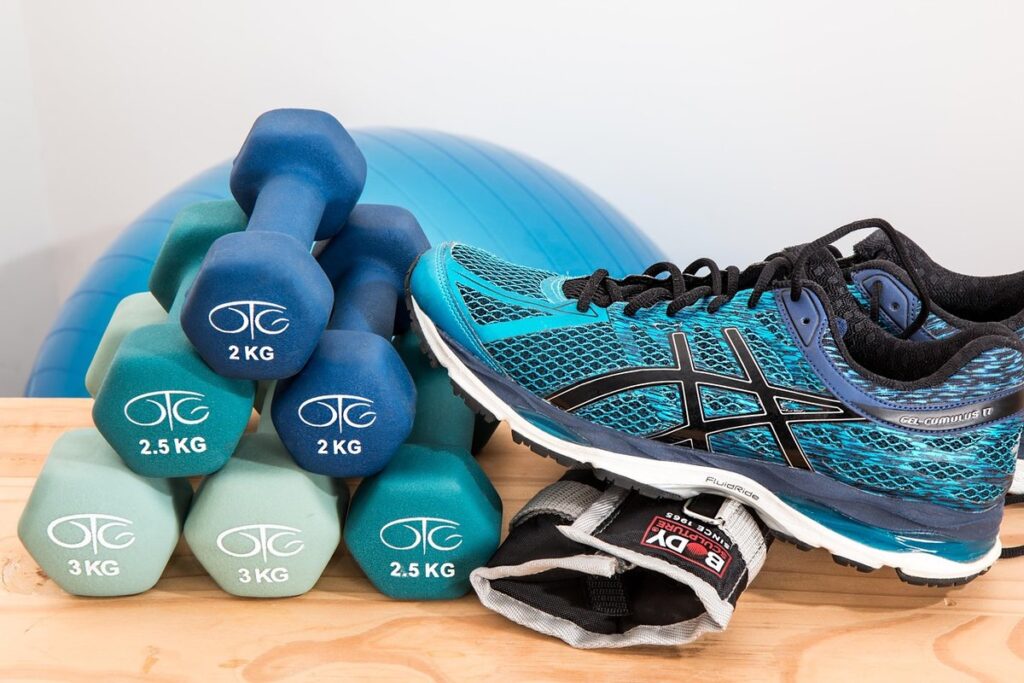
Importance of Physical Activity in Maintaining Overall Health
Regular physical activity is a crucial component of overall health, and it plays a vital role in preventing chronic diseases such as heart disease and diabetes. By incorporating exercise into your daily routine, you can significantly improve your well-being.
The Role of Exercise in Reducing Chronic Disease Risk
Regular exercise has been consistently linked to a reduced risk of chronic diseases, which are responsible for millions of deaths worldwide each year. By incorporating physical activity into your daily routine, you can significantly lower your chances of developing conditions such as heart disease, diabetes, and certain types of cancer.
For instance, regular cardiovascular exercise can help lower blood pressure and improve lipid profiles, both of which are major risk factors for heart disease. According to the World Health Organization (WHO), physical activity is responsible for a 35% reduction in the risk of ischemic heart disease. Similarly, studies have shown that moderate-intensity aerobic exercise can reduce the risk of developing type 2 diabetes by as much as 58%.
In addition to reducing chronic disease risk, regular exercise has also been found to have a preventative effect on certain types of cancer, including breast and colon cancer. The American Cancer Society recommends at least 150 minutes of moderate-intensity or 75 minutes of vigorous-intensity physical activity per week to help reduce cancer risk. By prioritizing regular exercise, you can take proactive steps towards maintaining your overall health and well-being.
Incorporating a mix of aerobic, strength training, and high-intensity interval exercises into your routine can help you reap the benefits of reduced chronic disease risk. Aim for at least 30 minutes of moderate-intensity physical activity per day, five days a week, to get started.
How Exercise Affects Mental Health and Well-being
Regular physical activity has been shown to have a profound impact on mental health and well-being. By incorporating exercise into your daily routine, you can experience significant reductions in stress levels, leading to improved overall quality of life. When we engage in physical activity, our brain releases endorphins – natural mood-boosters that help alleviate symptoms of anxiety and depression.
In addition to reducing stress, regular exercise has been proven to have a profound impact on self-esteem. Exercise releases dopamine, the neurotransmitter responsible for feelings of happiness and satisfaction. This can be especially beneficial for individuals struggling with low self-confidence or body image issues. For instance, research has shown that group fitness classes not only improve physical health but also increase self-esteem and confidence among participants.
Exercise also provides an opportunity to clear your mind and focus on the present moment – reducing rumination and worries about the past or future. Aim for at least 30 minutes of moderate-intensity exercise per day to reap these mental health benefits. Whether it’s a brisk walk, yoga class, or dancing session, make physical activity a priority in your daily routine to experience improved mental well-being.
The Impact of Regular Exercise on Sleep Quality
Regular exercise is not only beneficial for our physical health but also has a profound impact on our sleep quality. Research has shown that regular physical activity can improve sleep duration, depth, and overall quality. A study published in the Journal of Clinical Sleep Medicine found that individuals who exercised regularly experienced better sleep outcomes compared to those who were sedentary.
Exercise helps regulate our body’s circadian rhythms, which in turn improves the quality of our sleep. When we engage in regular physical activity, it signals to our brain that we are awake and alert during the day, making it easier to fall asleep at night. Furthermore, exercise has been shown to reduce symptoms of insomnia and other sleep disorders.
To incorporate exercise into your sleep routine, try incorporating a relaxing activity, such as yoga or stretching, before bedtime. Aim for 30-60 minutes of moderate-intensity exercise per session, and space out your workouts to avoid disrupting your sleep schedule. By prioritizing regular physical activity, you can improve the quality of your sleep and wake up feeling refreshed and rejuvenated.
Types of Exercise for Optimal Health Benefits
To get the most out of your exercise routine, it’s essential to mix up the types of physical activity you do, and that’s exactly what we’re going to explore next.
Aerobic Exercise: Improving Cardiovascular Health
Aerobic exercise is an effective way to improve cardiovascular health. Running, cycling, and swimming are popular aerobic exercises that can be done by individuals of all ages and fitness levels. These activities help strengthen the heart and lungs, increasing blood flow and reducing the risk of chronic diseases such as heart disease, stroke, and high blood pressure.
Regular participation in aerobic exercise can also improve cardiovascular function, increase stamina, and boost mood. For instance, a study published in the Journal of the American College of Cardiology found that individuals who engaged in moderate-intensity aerobic exercise for 30 minutes, five days a week, reduced their risk of heart disease by 35%. To incorporate aerobic exercise into your routine, start with short sessions (20-30 minutes) and gradually increase duration as you become more comfortable.
It’s essential to listen to your body and begin slowly, especially if you’re new to exercise. Aim for at least 150 minutes of moderate-intensity aerobic activity per week or 75 minutes of vigorous-intensity aerobic activity per week. This can be achieved through a combination of running, cycling, swimming, and other activities that you enjoy.
Resistance Training: Building Muscle Mass and Bone Density
Resistance training is an essential component of regular exercise that can significantly contribute to building muscle mass and bone density. As we age, our bodies naturally lose muscle mass and bone density, making us more susceptible to osteoporosis and fractures. However, through consistent resistance training, you can slow down this process and even increase your muscle mass.
Incorporating exercises that work multiple muscle groups at once, such as squats, deadlifts, and bench press, can be particularly effective in building muscle mass. For instance, research has shown that high-intensity resistance training can lead to significant gains in muscle mass, even among older adults (1). Additionally, weight-bearing activities like walking or jogging on a treadmill can help improve bone density.
To start incorporating resistance training into your routine, consider the following tips:
• Begin with bodyweight exercises and gradually increase the intensity by adding weights or resistance bands.
• Focus on compound exercises that work multiple muscle groups at once.
• Aim for 2-3 sets of 8-12 repetitions per exercise to achieve optimal results.
• Incorporate weight-bearing activities like walking, hiking, or dancing to improve bone density.
High-Intensity Interval Training (HIIT): A Time-Efficient Option
If you’re looking for a workout routine that can be completed in no time, High-Intensity Interval Training (HIIT) is an excellent option. This type of exercise involves short bursts of intense activity followed by brief periods of rest or low-intensity movement.
One of the primary benefits of HIIT is its efficiency. A typical HIIT session lasts anywhere from 15 to 30 minutes, making it perfect for individuals with busy schedules. For instance, a study published in the Journal of Sports Sciences found that a single HIIT session can be just as effective as an hour-long steady-state cardio workout.
To incorporate HIIT into your routine, try alternating between intense exercises like sprints or burpees and low-intensity movements such as walking or jogging. Aim for 15-20 seconds of high-intensity exercise followed by 30-60 seconds of rest. Repeat this cycle for 15-20 minutes, three to four times a week.
HIIT not only saves time but also offers numerous health benefits, including improved cardiovascular fitness, increased caloric burn, and enhanced muscular endurance. By incorporating HIIT into your workout routine, you can achieve optimal health benefits without sacrificing too much of your precious time.
Creating a Safe and Effective Exercise Routine
To create a safe and effective exercise routine, you’ll want to start by considering your fitness goals, current health status, and any physical limitations. This will help guide your choices for types of exercises and intensity levels.
Understanding Your Fitness Level and Goals
Before starting any new exercise routine, it’s essential to understand your current fitness level and set realistic goals. This will help you tailor a workout plan that suits your needs and abilities, making the experience more enjoyable and effective.
To assess your fitness level, consider the following factors: your age, overall health, weight, body composition, and activity levels. For example, if you’re new to exercise or haven’t been active in a while, it’s best to start with low-impact activities like walking or yoga. On the other hand, if you’re already relatively fit, you may need more challenging exercises to continue making progress.
When setting goals, make sure they are specific, measurable, achievable, relevant, and time-bound (SMART). For instance, instead of saying “I want to lose weight,” set a goal like “I will lose 10 pounds in the next three months by exercising for 30 minutes, five days a week.” This clear direction will help you stay motivated and track your progress.
Building a Consistent Workout Schedule
Creating a consistent workout schedule is key to reaping the benefits of regular exercise. However, it can be challenging to stick to a routine, especially for those with busy lifestyles. To overcome this hurdle, focus on creating a realistic and achievable plan that works for you.
Firstly, prioritize your goals: what do you want to achieve through exercise? Is it weight loss, improved cardiovascular health, or increased energy levels? Knowing your objectives will help you create a schedule tailored to your needs. Next, consider your lifestyle: when are the best times of day for you to work out? Morning, lunch break, or evening? Be honest with yourself – if you know you’ll be too tired in the morning, don’t try to fit it in then.
Consider creating a routine that can be followed 3-4 times per week, with at least one rest day in between. This allows for consistency without being overly demanding on your body. Additionally, schedule workouts around your existing commitments, rather than trying to force them into an already-packed schedule. For example, if you have a busy workday ahead, plan a shorter workout or try a quick home routine instead of pushing yourself too hard. By making small adjustments and focusing on consistency, you’ll be more likely to stick to your exercise routine long-term.
Avoiding Injury and Listening to Your Body
When engaging in regular health exercise, it’s essential to prioritize injury prevention and listen to your body. This means being mindful of your physical limits and taking regular breaks to avoid overexertion.
As you progress with your exercise routine, pay attention to any subtle signs of fatigue or discomfort. Ignoring these warning signals can lead to more severe injuries down the line. For instance, if you’re new to running and start feeling pain in your knees after a few miles, it’s time to reassess your pace or incorporate strengthening exercises for your knee muscles.
To avoid injury, aim to take breaks every 20-30 minutes to stretch and rehydrate. You can also adjust the intensity of your workouts by incorporating rest days or modifying exercises to suit your fitness level. Remember that regular health exercise is about progress, not perfection – prioritize consistency over pushing through pain. By listening to your body and taking proactive steps to prevent injury, you’ll enjoy a safer and more sustainable exercise routine.
Overcoming Barriers to Exercise and Staying Motivated
Let’s face it, finding time and energy for exercise can be tough, especially when you’re just starting out. We’ll tackle common excuses and provide tips on staying motivated to reach your health goals.
Common Excuses for Not Exercising and How to Overcome Them
We’ve all been there – making excuses for not exercising. Lack of time, energy, or motivation are common culprits. However, these excuses can be overcome with a little creativity and persistence.
One of the most common excuses is lack of time. But the truth is, you don’t need to spend hours at the gym to reap the benefits of exercise. Even small increments, such as 10-15 minutes a day, can make a big difference. Try incorporating short bursts of physical activity into your daily routine, like taking the stairs instead of the elevator or doing a quick home workout during commercial breaks while watching TV.
Another excuse is lack of energy. But regular exercise can actually boost your energy levels and reduce fatigue in the long run. Start small and gradually increase your intensity and duration to allow your body to adapt. Additionally, try scheduling your workouts for times when you naturally have more energy, such as first thing in the morning or right after lunch.
By recognizing and challenging these common excuses, you can overcome them and establish a consistent exercise routine that brings numerous benefits to your physical and mental health. Remember, every small step counts, and consistency is key to making lasting changes.
Finding an Exercise Buddy or Accountability Partner
Having someone to share the experience with can make exercise more enjoyable and increase motivation. Many people find that exercising with a buddy or accountability partner is an effective way to stay on track. This could be a friend, family member, coworker, or even a personal trainer.
When choosing a workout buddy, consider finding someone who shares similar fitness goals and interests. This will make it more enjoyable for both of you, as well as increase the chances of sticking to your routine. For example, if one person is trying to run their first marathon, they might be motivated by having a running partner to train with.
Some benefits of exercising with a buddy include:
• Social interaction: Exercising with someone else provides opportunities for socialization and can help combat boredom.
• Increased motivation: Having someone to report to and share the experience with can increase motivation to exercise regularly.
• Support system: A workout buddy can provide encouragement, support, and help when needed.
To find a workout buddy or accountability partner, consider asking coworkers, friends, or family members if they’re interested in exercising together. You could also look into local fitness classes or online communities for people with similar interests and goals. By sharing the experience with someone else, you’ll not only have more fun but also stay accountable to your exercise routine.
Rewarding Progress and Celebrating Small Victories
When you’re working towards a goal, it’s easy to get caught up in the end result and forget to acknowledge the progress you’ve made along the way. Regular health exercise is no exception. To stay motivated and overcome barriers to exercise, it’s essential to recognize and reward yourself for small victories.
This might seem counterintuitive – after all, why focus on tiny steps when we’re striving for a bigger goal? However, celebrating your successes, no matter how minor they may seem, has several benefits. Firstly, it helps build momentum by reinforcing positive habits and behaviors. Secondly, it gives you something to look forward to and stay excited about, which is crucial for maintaining motivation.
So, what can you do to start recognizing your progress? Try setting aside time each week to reflect on your achievements – even if it’s just a quick 5-minute journaling session or a fun workout playlist. You could also treat yourself to something small but meaningful after reaching a milestone, like a new fitness tracker or a post-workout smoothie. By acknowledging and rewarding your progress, you’ll stay motivated, encouraged, and on track towards achieving your health exercise goals.
Monitoring Progress and Adapting Your Routine
To ensure you’re meeting your health exercise goals, it’s essential to regularly track your progress and adjust your routine as needed. This involves monitoring your improvements and tweaking your approach when necessary.
Tracking Progress with Wearable Devices or Workout Apps
Using wearable devices or workout apps to track progress can be a game-changer for your health exercise routine. Not only do these tools help you stay motivated, but they also provide valuable insights into your habits and performance. With data-driven feedback, you can refine your workouts and make informed decisions about how to improve.
Take Fitbit, for example – its built-in calorie counter helps users set realistic goals and monitor their progress over time. Another popular option is Strava, which uses GPS tracking to measure running or cycling distances and times. These apps not only track your performance but also offer a sense of community through social sharing features.
To get the most out of these tools, remember to:
* Set specific, achievable goals for each workout
* Use data to identify areas for improvement
* Adjust your routine accordingly
* Don’t be afraid to try new things and explore different types of exercise
By leveraging technology to track your progress, you’ll not only see tangible results but also develop a more sustainable approach to health exercise.
Adjusting Your Exercise Routine Based on Feedback and Results
Monitoring your progress and adjusting your exercise routine accordingly is crucial to achieving optimal results. Wearable devices, workout apps, and fitness trackers have made it easier than ever to track your progress and receive valuable feedback.
When using wearable devices or fitness trackers, pay attention to metrics such as heart rate, pace, and calories burned during workouts. This data can help you identify areas for improvement and inform adjustments to your routine. For instance, if you notice that your average pace is slower on long-distance runs than it was six weeks ago, consider incorporating interval training to boost endurance.
Similarly, workout apps often provide detailed analytics and insights into your performance. Many offer personalized recommendations based on your progress and goals. Take advantage of these tools by regularly checking in with them and making adjustments as needed. This might mean increasing the intensity or frequency of workouts, swapping out exercises for new ones, or taking rest days when your body needs them.
By actively monitoring your progress and adapting your routine accordingly, you can continue to challenge yourself and achieve greater results from your health exercise routine.
Conclusion: Making Health Exercise a Sustainable Lifestyle Choice
Now that you’ve learned how regular health exercise can benefit your body and mind, let’s talk about making it a lasting part of your lifestyle.
Recap of Key Takeaways
In conclusion to this discussion on the benefits of regular health exercise, let’s recap the key takeaways. It’s essential to remember that exercising regularly can have a profound impact on both physical and mental well-being.
To make health exercise a sustainable lifestyle choice, it’s crucial to find activities you enjoy and incorporate them into your daily routine. Aim for at least 150 minutes of moderate-intensity aerobic exercises or 75 minutes of vigorous-intensity aerobic exercises per week. This can be broken down into shorter sessions throughout the day, such as a brisk walk during lunch or a morning jog.
Additionally, it’s vital to listen to your body and not overexert yourself. Gradually increasing exercise intensity and duration will help prevent burnout and ensure long-term sustainability. Furthermore, make sure to schedule rest days and prioritize activities that promote flexibility and strength, such as yoga or weightlifting.
By incorporating these habits into your daily routine, you’ll be well on your way to a healthier, happier lifestyle. Remember, the key is consistency and making exercise a non-negotiable part of your daily routine.
Encouragement and Final Thoughts on Prioritizing Health Exercise
As you near the end of this journey into the benefits of regular health exercise, we want to leave you with a sense of encouragement and motivation to make this lifestyle choice a sustainable reality. Prioritizing health exercise is not just about achieving a specific goal or physique; it’s about cultivating a long-term relationship with your body that brings numerous physical and mental rewards.
We understand that incorporating regular exercise into your daily routine can be challenging, especially when faced with busy schedules and competing priorities. However, the truth is that even small amounts of physical activity each day can have a profound impact on your overall well-being. Start by scheduling in short bursts of movement – a 10-minute walk during your lunch break or a quick yoga session first thing in the morning.
Remember, it’s not about perfection; it’s about progress. By committing to regular health exercise, you’ll be better equipped to handle life’s stresses and make healthier choices that will benefit you for years to come. So, don’t wait any longer – take the first step today and watch your body thrive as a result of your dedication to this sustainable lifestyle choice.
Frequently Asked Questions
How often should I exercise to see noticeable improvements in my health?
Regular physical activity is a crucial component of overall health, but the frequency and duration can vary depending on your fitness level and goals. Aim for at least 150 minutes of moderate-intensity aerobic exercise or 75 minutes of vigorous-intensity aerobic exercise per week. Additionally, incorporate strength training exercises into your routine at least two times a week.
Can I still benefit from exercising if I have a medical condition or chronic disease?
Yes, regular physical activity can be beneficial even with certain health conditions or chronic diseases. However, it’s essential to consult with your healthcare provider before starting any new exercise program. They can help you determine the best types of exercises and intensity levels for your specific needs.
How do I track my progress and stay motivated when exercising regularly?
Tracking your progress and staying motivated are crucial components of maintaining a consistent workout routine. Consider using wearable devices or workout apps to monitor your activity levels, distance covered, and calorie burn. Reward yourself with non-food items, such as new exercise gear or a relaxing bath, after reaching milestones.
Can I still achieve my fitness goals if I’m working out at home without access to a gym?
Yes, you can still achieve your fitness goals even when working out at home without access to a gym. Focus on bodyweight exercises, resistance bands, or online workout programs that cater to home-based workouts. Schedule your workouts in advance and find an accountability partner or exercise buddy for motivation.
What are some common mistakes people make when starting a new exercise routine?
One common mistake is setting unrealistic goals or expectations. It’s essential to set achievable goals and gradually increase the intensity and duration of your workouts. Additionally, neglecting proper warm-up and cool-down exercises can lead to injuries. Be sure to listen to your body and rest when needed.