
As we age, it’s easy to feel like we’re losing our sense of purpose and excitement. But staying engaged and active is key to a happy and healthy life, no matter what your age! That’s why we’ve put together this collection of senior citizen activities ideas to help you stay mentally and physically active. From social events and outdoor games to learning new skills with technology, there’s something for everyone. But it’s not just about having fun – many of these activities can also help you stay safe and independent as you age. In this article, we’ll explore a wide range of activities, from volunteering and classes to safety tips and accessibility measures. Whether you’re looking for a new hobby or a way to stay connected with others, we’ve got you covered!
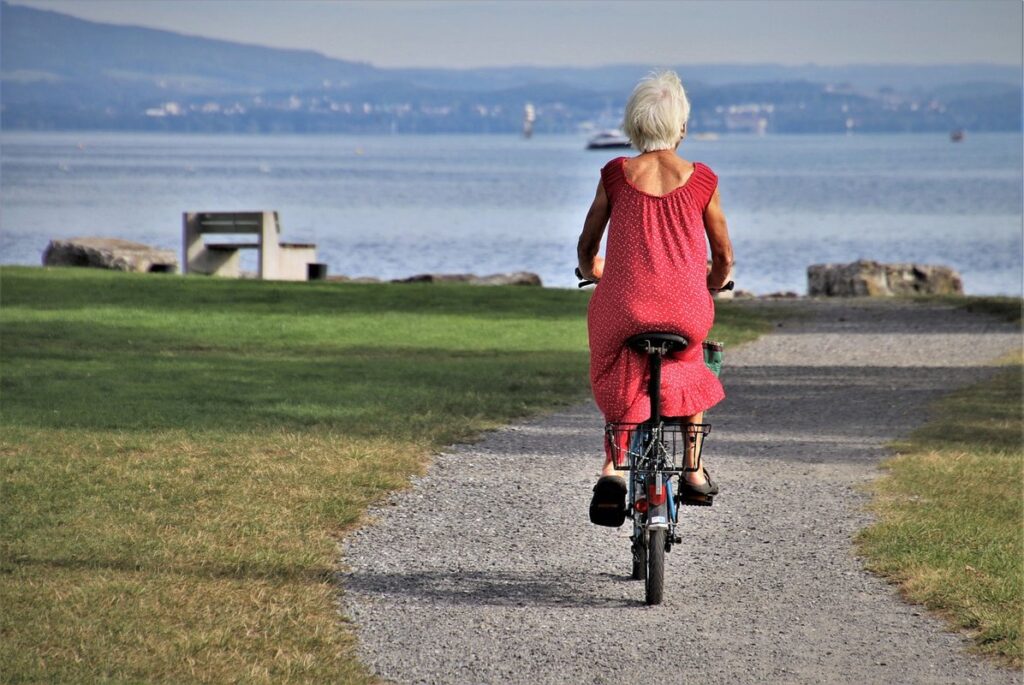
Importance of Staying Engaged and Active in Senior Years
As you continue to prioritize your well-being, it’s essential to recognize the value of staying engaged and active in your senior years, and we’re about to dive into why.
Benefits of Social Engagement for Seniors
Social engagement is a crucial aspect of senior citizens’ lives, and it’s essential to prioritize it as we age. When seniors engage with others, they experience numerous benefits that can significantly impact their well-being. For instance, social interaction can help reduce loneliness, a common issue among seniors. According to a study, nearly 30% of adults aged 65 and older experience loneliness, which can lead to depression, anxiety, and even cardiovascular disease.
Engaging with others also has a positive impact on mental health. Social interaction stimulates the brain, promoting cognitive function and memory. It also provides a sense of belonging, which is vital for mental health. When seniors feel connected to their community, they’re more likely to maintain a positive outlook and cope with life’s challenges.
Incorporating social activities into your daily routine can be as simple as joining a book club, volunteering, or participating in a hobby-based group. For example, a local senior center might offer painting classes or language exchange programs. You can also explore online platforms that connect seniors with others who share similar interests. By making social engagement a priority, seniors can cultivate a sense of purpose and fulfillment, leading to a happier, healthier life.
Activities for Seniors to Stay Mentally Active
Engaging the mind is essential for seniors to stay mentally active and prevent cognitive decline. One way to do this is by incorporating activities that challenge the mind, such as puzzles, brain teasers, and learning a new skill. Crosswords, Sudoku, and jigsaw puzzles are great examples of mind-stimulating activities that can be enjoyed individually or in a group setting.
Learning a new skill is another excellent way to keep the mind engaged. Consider taking a cooking class, painting, or even a foreign language course. Not only will you acquire new knowledge, but you’ll also meet like-minded individuals and build social connections. Online resources such as Coursera, Udemy, and edX offer a wide range of courses to suit various interests and skill levels.
To get started, begin with simple puzzles and gradually increase the difficulty level. For learning a new skill, start with short sessions and gradually increase the duration as you become more comfortable. Remember, the key is to stay consistent and have fun while challenging your mind. By incorporating these activities into your daily routine, you’ll be amazed at the mental clarity and energy you’ll experience.
Importance of Physical Activity for Seniors
Regular physical activity is essential for seniors, offering a multitude of benefits that can significantly impact overall health and well-being. Engaging in regular exercise can improve physical health by increasing strength, flexibility, and balance, reducing the risk of falls and related injuries. Additionally, exercise has been shown to reduce the risk of chronic diseases such as heart disease, stroke, and diabetes, which are prevalent among seniors.
Moreover, regular physical activity has been proven to have a positive impact on cognitive function, with studies indicating a reduced risk of age-related cognitive decline and dementia. Exercise has also been linked to improved mental health, with seniors experiencing reduced stress, anxiety, and depression.
Aim for at least 150 minutes of moderate-intensity aerobic exercise, or 75 minutes of vigorous-intensity aerobic exercise, or a combination of both, per week. Include strength-training exercises at least two times a week to maintain muscle mass and bone density. Activities such as walking, swimming, cycling, and dancing are excellent options for seniors, and can be modified to suit individual fitness levels. Make physical activity a priority, and explore activities that bring joy and enthusiasm to your life.
Outdoor Activities for Seniors
Getting outside and exploring nature can be a wonderful way to stay engaged and active as a senior, and we’ve got some fantastic outdoor activities to share with you. From gentle strolls to more adventurous pursuits, let’s get started.
Gardening and Horticulture for Seniors
As we age, it’s essential to stay engaged and active, and what better way to do so than through gardening and horticulture? Not only can gardening be a therapeutic and enjoyable hobby, but it also provides numerous physical and mental benefits for seniors. However, we must consider accessibility and adapt gardening to suit our needs.
Start by choosing plants that are easy to care for and require minimal maintenance, such as succulents or herbs. Consider raised beds or container gardening, which can be placed at waist-level or on a table, reducing strain on the back and knees. Use ergonomic gardening tools, like long-handled pruning shears or a garden cart with wheels, to minimize bending and stretching. Begin with small, manageable tasks, like watering or weeding, and gradually increase the intensity of your gardening activities.
To make gardening more accessible, consider enlisting the help of family members or friends, or even joining a local gardening club or community garden. Many community gardens offer adaptive gardening programs and tools specifically designed for seniors. By taking these simple steps, seniors can enjoy the benefits of gardening while staying safe and engaged.
Walking and Hiking for Seniors
Walking and hiking are excellent outdoor activities for seniors, offering a range of benefits that can improve overall health and well-being. One of the most significant advantages of walking and hiking for seniors is the improvement in cardiovascular health. Regular walking and hiking can help lower blood pressure, increase circulation, and boost the overall cardiovascular system. This can lead to a reduced risk of heart disease, strokes, and other cardiovascular-related issues.
In addition to cardiovascular benefits, walking and hiking can also reduce the risk of falls. Many seniors experience a decline in balance and coordination as they age, making falls a common concern. However, regular walking and hiking can help improve balance and reduce the risk of falls by strengthening muscles, improving flexibility, and enhancing overall mobility. To get started, begin with short, gentle walks and gradually increase distance and intensity over time. Consider joining a local walking or hiking group for added motivation and social interaction.
Outdoor Games and Sports for Seniors
Outdoor games and sports are an excellent way for seniors to stay engaged and active, and there are many options to choose from. Bowling, for instance, is a low-impact activity that’s easy on the joints and can be adapted to varying fitness levels. Many bowling alleys also offer ramps and automatic pinsetters, making it accessible for seniors with mobility issues.
Golf is another popular outdoor game that’s suitable for seniors. It requires a gentle pace, which allows seniors to take their time and enjoy the scenery. Many golf courses also offer walking routes and accessible facilities, making it easier for seniors to participate.
Tennis is another option that can be adapted to varying fitness levels. Many community centers and retirement communities offer tennis lessons specifically designed for seniors. These lessons focus on technique and safety, ensuring that seniors can enjoy the game without putting excessive strain on their bodies.
Remember to consult with a healthcare professional before starting any new physical activity, especially if you have any underlying health conditions.
Indoor Activities for Seniors
When the weather outside is chilly or you’re just looking for something low-key to do, we’ve got you covered with some fun indoor activities for seniors to enjoy.
Arts and Crafts for Seniors
Engaging in arts and crafts is an excellent way for seniors to express their creativity, relax, and stay mentally active. Many seniors find joy in various artistic pursuits, including painting, pottery, and woodworking. For instance, painting can be a therapeutic outlet for seniors, allowing them to create beautiful pieces while also reducing stress and anxiety. Classes or workshops specifically designed for seniors can provide a supportive environment to learn new techniques and share experiences with others.
Pottery is another fun and creative activity that seniors can enjoy. Many community centers and senior organizations offer pottery classes where seniors can learn to shape and mold clay into unique pieces of art. Woodworking is also an excellent option for seniors who enjoy working with their hands. Simple woodworking projects, such as building birdhouses or picture frames, can be a great way to stay engaged and active while creating something useful.
Some tips for seniors to get started with arts and crafts include:
* Starting with simple projects and gradually increasing complexity
* Joining a class or workshop to learn new techniques and share experiences with others
* Experimenting with different materials and mediums to find what works best for them
* Encouraging friends and family to join in on the creative fun
Music and Dance for Seniors
As we age, it’s essential to engage in activities that not only keep us physically active but also stimulate our minds and boost our mood. Music and dance are two incredibly powerful tools that can achieve just that for seniors. Studies have shown that seniors who participate in music and dance activities experience significant improvements in cognitive function, including memory and concentration.
One of the most significant benefits of music and dance for seniors is its ability to reduce stress and anxiety. Research has found that listening to music can lower cortisol levels and even alleviate symptoms of depression. Dancing, on the other hand, has been shown to improve balance and coordination, reducing the risk of falls and injuries.
To get started with music and dance activities, consider joining a local senior center or community program that offers dance classes specifically designed for seniors. You can also look into online resources and YouTube tutorials that cater to seniors’ needs. Try taking a gentle dance class, such as line dancing or ballroom dancing, and see how it makes you feel.
Board Games and Card Games for Seniors
If you’re a senior looking to stay engaged and active indoors, consider exploring the world of board games and card games. These activities offer a great way to socialize, challenge your mind, and have fun without exerting too much physical energy. Let’s take a look at some popular options that are easy to learn and play.
Scrabble, for example, is a great game for word lovers. It’s easy to learn, and you can play with a partner or in a group. Bridge is another popular card game that’s perfect for seniors who enjoy strategy and socializing. The game is easy to learn, and you can start with a basic level to gradually move up to more complex levels. Chess is also an excellent option for those who enjoy a challenge. It’s a game of strategy and skill that can be played solo or in a group.
To get started, consider joining a local senior center or club that offers board game or card game sessions. You can also ask a friend or family member to join you in playing at home. With so many options available, you’re sure to find a game that suits your interests and skill level.
Technology and Senior Activities
Stay engaged and active with your senior loved ones by exploring technology-based activities that make a real difference in their lives and yours. From online games to video calls.
Using Technology to Stay Connected
Staying connected with loved ones is essential for seniors’ mental and emotional well-being, and technology can be a powerful tool to bridge distances. With the rise of video conferencing and messaging apps, it’s easier than ever for seniors to stay in touch with family and friends.
Video conferencing platforms like Zoom, Skype, and Google Meet allow seniors to host virtual gatherings, attend online events, and even participate in virtual group classes. This way, they can stay connected with loved ones who live far away and even participate in activities together, such as cooking classes or language exchange sessions. For example, a senior living in a nursing home can use Zoom to attend a family dinner or watch a grandchild’s school play.
Messaging apps like WhatsApp, Facebook Messenger, and FaceTime enable real-time communication and video calls. Seniors can use these apps to stay in touch with friends and family, share photos and updates, and even make new connections through social media groups. To get started, seniors can ask a family member or caregiver to help set up a video conferencing account or messaging app on their device, and then explore the features and capabilities of the platform.
Online Learning and Education for Seniors
Online learning has opened doors for seniors to explore new interests and skills from the comfort of their own homes. Websites like Coursera, edX, and Udemy offer a wide range of courses, from beginner’s Spanish to advanced photography techniques. Language learning platforms such as Duolingo and Babbel provide interactive and gamified lessons, making it engaging and fun.
For those interested in cooking, Masterclass and Skillshare offer courses taught by professional chefs, covering topics from basic knife skills to intricate pastry-making. YouTube channels like Binging with Babish and Tasty provide a vast library of cooking tutorials and recipe videos.
Additionally, photography enthusiasts can take advantage of online resources like Skillshare and Craftsy, which offer courses on composition, lighting, and editing. These platforms cater specifically to seniors, providing flexibility and accessibility to learn new skills at any age. With online learning, seniors can stay engaged, active, and curious, exploring new hobbies and interests with ease.
Virtual Games and Puzzles for Seniors
As seniors age, staying mentally active and engaged is crucial for maintaining cognitive function and overall well-being. Fortunately, there are numerous virtual games and puzzles that can be played from the comfort of one’s own home, making it easier than ever to stay engaged and active.
Sudoku, a popular puzzle game, is an excellent option for seniors. With various difficulty levels and themes, it can be tailored to suit individual skill levels. Many websites and apps, such as USA Today and Sudoku.com, offer Sudoku puzzles that can be printed or completed online.
Crosswords, another favorite among seniors, can also be played online. Websites like Crossword Puzzle and NYTimes offer a wide range of puzzles, from easy to challenging. Solitaire, a classic card game, can be played on various platforms, including Windows and mobile devices. These games and puzzles not only provide mental stimulation but also offer a sense of accomplishment and enjoyment.
To get started, seniors can simply visit their preferred website or download an app, and begin playing. Many websites also offer tutorials and instructions for those who are new to online puzzles and games.
Senior Volunteer Opportunities
Volunteering is a fantastic way to give back to your community and stay engaged, and there are many opportunities for seniors to get involved and make a difference in their local area. Let’s explore some senior volunteer opportunities.
Volunteering in Local Communities
Volunteering in local communities is an excellent way for seniors to stay engaged and active, while also giving back to their community. By dedicating their time and skills to a cause they’re passionate about, seniors can experience numerous benefits that improve their mental and emotional well-being.
For instance, volunteering provides opportunities for socialization, which is essential for seniors’ mental health. Interacting with others, whether it’s fellow volunteers or the community members they’re helping, can help combat loneliness and isolation. Moreover, volunteering gives seniors a sense of purpose and belonging, which is often a driving force behind their decision to continue volunteering.
Studies have shown that seniors who volunteer regularly experience improved mental health, reduced stress levels, and a greater overall sense of well-being. For example, a study by the Corporation for National and Community Service found that older adults who volunteered reported improved mental health and reduced symptoms of depression. To get started, seniors can search for local volunteer opportunities through organizations such as Senior Corps, VolunteerMatch, or their local community center. They can also consider volunteering in roles that align with their skills and interests, such as teaching, mentorship, or community gardening.
Animal-Assisted Therapy for Seniors
As seniors continue to live longer and healthier lives, many are seeking new ways to stay engaged and active. One opportunity that combines physical activity, emotional support, and a sense of purpose is Animal-Assisted Therapy (AAT). This volunteer experience allows seniors to spend time with animals, such as dogs, cats, and even horses, while providing valuable companionship and care.
AAT opportunities can be tailored to individual interests and abilities, making it an excellent choice for seniors who love animals. For example, pet-sitting involves caring for a pet while its owner is away, which can include walking, feeding, and administering medication. Some organizations even offer walking programs, where seniors can take a dog for a stroll around the block. Rehabilitation centers also benefit from AAT, as therapy dogs can provide comfort and support to patients during physical therapy.
If you’re interested in getting started with AAT, research local organizations or shelters that offer volunteer programs. Many require a commitment of a few hours a week, which can be a great way to meet new people and make a difference in the community.
Environmental Volunteer Work for Seniors
As seniors, you have a unique opportunity to give back to your community and make a positive impact on the environment. Environmental volunteer work is not only beneficial for the planet, but it can also be a great way to stay engaged and active. Imagine spending time outdoors, surrounded by nature, and contributing to the preservation of our planet’s beauty.
Many organizations offer park cleanups and wildlife conservation projects that are perfect for seniors. For instance, the National Park Service offers volunteer opportunities for seniors to help maintain and restore national parks. You can also participate in local park cleanups, where you’ll work alongside other community members to pick up trash and beautify public spaces.
Wildlife conservation is another area where seniors can make a difference. Many organizations, such as the Audubon Society, offer volunteer opportunities for seniors to help with bird conservation, habitat restoration, and wildlife monitoring. Not only will you be contributing to the preservation of our planet’s wildlife, but you’ll also have the opportunity to learn about and appreciate the natural world.
Safety and Accessibility Considerations for Senior Activities
When planning senior activities, it’s crucial to consider the safety and accessibility needs of your group, ensuring everyone can participate comfortably and confidently. We’ll explore these essential considerations together.
Ensuring Accessibility for Seniors
When it comes to senior citizen activities, ensuring accessibility is crucial for seniors with mobility or sensory impairments. This means adapting activities to meet their unique needs, making them feel included and engaged. For instance, if you’re planning a group walk, consider offering a wheelchair-accessible route or a shorter, more manageable distance for those with mobility issues.
Another consideration is sensory impairments, such as hearing or visual difficulties. For example, if you’re planning a movie night, provide closed captions or subtitles to accommodate seniors with hearing loss. You can also use visual aids like large print or Braille materials to help seniors with visual impairments.
To make activities more accessible, think about the physical space and equipment. Ensure that the venue is wheelchair-friendly, with ramps or elevators, and that equipment is easy to use and operate. For example, if you’re planning a craft session, provide adaptive tools like grip aids or magnifying glasses to help seniors with dexterity or vision issues. By making these simple adjustments, you can create an inclusive and enjoyable experience for all seniors, regardless of their abilities.
Safety Precautions for Senior Activities
When participating in senior activities, it’s essential to consider potential safety hazards and take steps to mitigate risks. This is particularly crucial for older adults, who may have underlying health conditions or mobility issues that can increase their vulnerability to accidents.
Some common safety hazards to be aware of include falls, injuries from overexertion, and heat-related illnesses. To minimize these risks, it’s essential to follow instructions carefully and use safety equipment when necessary. For example, if a senior is participating in a physical activity, such as walking or swimming, they should wear comfortable shoes and clothing, and stay hydrated by drinking plenty of water.
It’s also crucial to establish a buddy system, where seniors can participate in activities with a partner or group. This can help prevent accidents and ensure that someone is available to provide assistance if needed. Additionally, many senior centers and activity providers offer specialized equipment, such as walkers or wheelchairs, to help seniors with mobility issues participate safely.
If you’re planning a senior activity, it’s a good idea to conduct a risk assessment to identify potential hazards and develop strategies to mitigate them. This might involve training staff or volunteers on how to respond in case of an emergency, or setting up a system for regular check-ins with participants. By taking these precautions, you can help create a safe and enjoyable environment for seniors to engage in activities and stay active.
Frequently Asked Questions
Can I start with senior activities without prior experience or skills?
Yes, many senior activities are designed to be accessible and enjoyable for people of all ages and skill levels. Start with simple, low-key options like walking or gardening, and gradually try more challenging activities as you become more confident.
How can I ensure accessibility for senior activities with physical limitations?
Consider activities that can be adapted to accommodate physical limitations, such as seated exercises, online classes, or accessible outdoor spaces. Additionally, explore local resources, such as senior centers or organizations that offer adaptive activities and equipment.
What if I’m concerned about safety while engaging in senior activities?
Safety is a top priority for senior activities. Always inform a trusted friend or family member about your planned activities and estimated return time. Additionally, consider choosing activities with built-in safety measures, such as group classes or guided tours.
How can I stay connected with family and friends while participating in senior activities?
Staying connected is easier than ever with modern technology! Consider using video calls, messaging apps, or social media to share your experiences and photos with loved ones. Many senior activities also offer opportunities to meet new people and form connections.
Can I incorporate senior activities into my daily routine?
Absolutely! Incorporating senior activities into your daily routine can be as simple as taking a short walk during your lunch break or practicing some gentle stretches in the morning. Even small, consistent efforts can add up to make a big difference in your physical and mental well-being.