
As we age, it’s essential to prioritize our mental and emotional well-being. For many older adults, social isolation and loneliness can have a significant impact on their quality of life. This is where senior group activities come in – a wonderful way to combat these issues and promote overall well-being. By planning engaging and inclusive activities, caregivers, family members, and community organizations can help older adults stay connected, active, and happy. In this article, we’ll explore the benefits of senior group activities, including improved mental health, increased socialization, and a sense of belonging. We’ll also provide practical tips and ideas for planning successful activities that cater to different interests and abilities, helping you create a more fulfilling experience for your loved ones.
Importance of Senior Group Activities
As we’ve seen, group activities have numerous benefits, but let’s dive deeper into why they’re essential for seniors, and what role they play in promoting overall well-being.
Benefits for Mental Health
Senior group activities have a profound impact on the mental health of older adults. By providing a platform for socialization and engagement, these activities help reduce loneliness, a significant concern for seniors. According to a study, loneliness can increase the risk of depression by 59% and anxiety by 51% in older adults. Regular participation in group activities can mitigate this risk by promoting social connections and a sense of belonging.
In addition to reducing loneliness, senior group activities also promote cognitive function. Engaging in mentally stimulating activities, such as puzzles, games, or arts and crafts, can delay cognitive decline and even reduce the risk of dementia. For instance, a study found that seniors who participated in mentally stimulating activities had a 28% reduced risk of cognitive decline. To incorporate cognitive-stimulating activities into your senior group activities, consider including a weekly trivia game or a monthly puzzle challenge. You can also encourage seniors to share their life experiences and skills, fostering a sense of purpose and fulfillment.
Types of Senior Group Activities
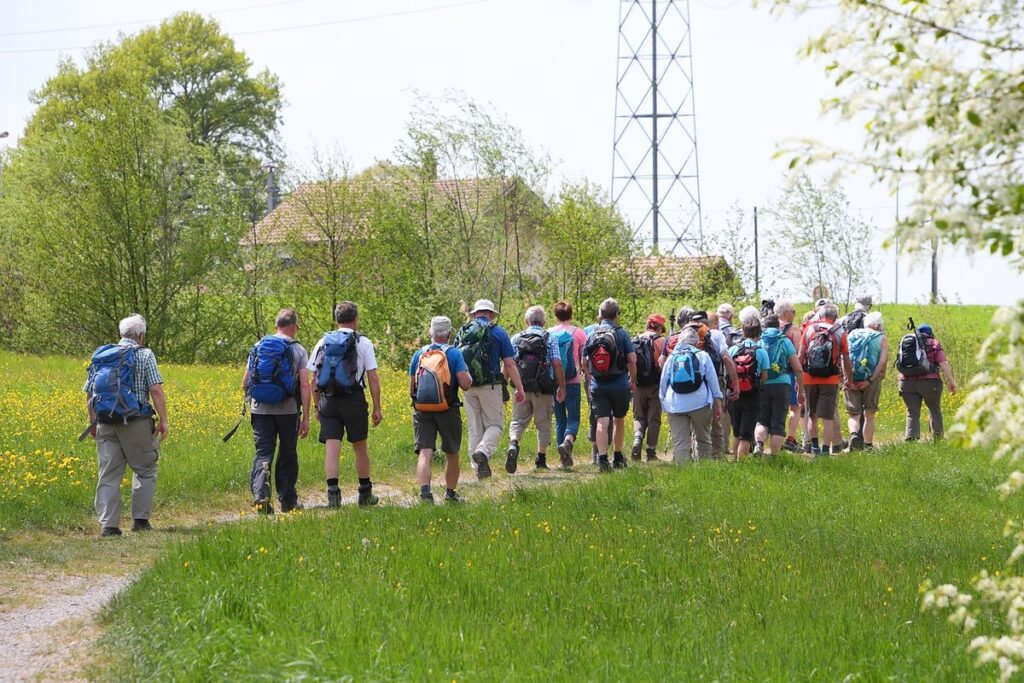
Senior group activities come in a wide variety of formats to cater to diverse interests and abilities. Exercise classes, for instance, are an excellent way to promote physical activity and mobility among seniors. These classes can range from gentle stretching to high-intensity workouts, depending on the needs and preferences of the group. Many community centers and senior facilities offer classes in yoga, tai chi, and walking programs, which are low-impact and easy to follow.
Art therapy is another engaging activity that can help seniors express themselves creatively and emotionally. This form of therapy can involve painting, drawing, sculpting, or other forms of artistic expression. Not only does it provide an outlet for self-expression, but it also fosters social connections among group members. Educational workshops, on the other hand, can be a great way to stimulate seniors’ minds and spark new interests. These workshops can cover topics such as history, science, language, or even cooking, and are often led by experienced instructors.
When planning senior group activities, it’s essential to consider the interests and abilities of the participants. This might involve surveys or discussions to gauge their preferences and needs. By offering a diverse range of activities, you can help seniors stay engaged, active, and connected with their peers.
Creating a Supportive Environment
Creating a supportive environment is crucial for seniors to feel comfortable and engaged in group activities. This means ensuring that everyone feels included and valued, regardless of their background or abilities. To achieve this, it’s essential to consider the individual needs and preferences of each participant. This can be done by asking about their interests and adapting activities accordingly.
For instance, if a senior has mobility issues, you can modify the activity to be wheelchair-accessible or provide assistance when needed. Similarly, if a senior has visual or hearing impairments, you can provide accommodations such as large print materials or assistive listening devices. By making these small adjustments, you can create an environment where everyone feels supported and empowered to participate.
It’s also vital to promote a sense of community and social connection among participants. This can be achieved by encouraging open communication, active listening, and empathy among group members. By doing so, you can foster a sense of belonging and camaraderie, which is essential for seniors’ mental and emotional well-being.
Planning Effective Senior Group Activities
To ensure that your senior group activities are enjoyable and engaging, planning is crucial to consider the interests and abilities of your group members and create a well-rounded schedule. This section will provide you with practical tips to do just that.
Setting Goals and Objectives
When planning senior group activities, it’s essential to set clear goals and objectives that cater to the needs and interests of the participants. This ensures that the activities are engaging, enjoyable, and worthwhile for everyone involved. To set effective goals and objectives, start by identifying the purpose and objectives of the activity. What do you want to achieve? Is it to improve physical health, stimulate mental activity, or foster social connections? Write down specific, measurable, achievable, relevant, and time-bound (SMART) objectives that align with the purpose.
For instance, if the goal is to improve physical health, the objective might be to encourage 30 minutes of moderate exercise per session. If the objective is to stimulate mental activity, it could be to engage participants in a new hobby or game that challenges their minds. Remember to consider the participants’ age, abilities, and interests when setting these objectives. By doing so, you’ll create activities that are enjoyable, challenging, and tailored to their needs. Regularly review and assess the effectiveness of the goals and objectives, making adjustments as needed to ensure they remain relevant and beneficial.
Choosing Engaging Activities
When it comes to planning engaging senior group activities, selecting the right activities is crucial. This involves considering a few key factors to ensure everyone has a great time. First and foremost, think about the age and ability of your group members. For instance, if you’re planning a physical activity like a hike or a dance class, it’s essential to consider the mobility and energy levels of your seniors. You wouldn’t want to risk straining anyone’s joints or exacerbating any health conditions.
It’s also vital to consider the interests of your group members. What do they enjoy doing in their free time? Are they bookworms, artists, or history buffs? Tailor your activities to their likes and passions, and you’ll be more likely to keep them engaged and entertained. For example, if your group loves gardening, plan a gardening workshop or a visit to a local nursery. Remember, the goal is to create a sense of community and socialization, so pick activities that encourage interaction and collaboration. By taking these factors into account, you’ll be well on your way to planning a senior group activity that’s both enjoyable and beneficial for all participants.
Managing Logistics and Resources
When planning senior group activities, it’s essential to consider the organizational aspects to ensure a smooth and enjoyable experience for all participants. Let’s start with budgeting – creating a realistic budget is crucial to avoid overspending and ensure that funds are allocated effectively. Consider the costs of venue rental, materials, transportation, and any additional services required.
To effectively manage your budget, categorize expenses into essential and non-essential items. Essential expenses might include venue rental, while non-essential items could be entertainment or catering. Be sure to pad your budget by 10-20% to account for any unexpected expenses.
Next, scheduling is another critical aspect of planning senior group activities. Create a detailed schedule that allows for flexibility in case of unexpected changes or cancellations. Consider the needs and preferences of the seniors participating, such as regular breaks, meals, and rest periods.
Volunteer management is also vital to the success of your event. Ensure that volunteers are aware of their roles and responsibilities, and provide clear instructions on how to interact with the seniors. Make sure to have a sufficient number of volunteers to ensure a smooth and enjoyable experience for all participants.
Examples of Successful Senior Group Activities
Let’s take a look at some real-life examples of senior group activities that are engaging, fun, and have made a positive impact on the lives of seniors. From game nights to art classes, we’ll explore the best ideas.
Community Centers and Clubs
Community centers and clubs are ideal platforms for organizing senior group activities that foster socialization and engagement among older adults. These community-based initiatives not only promote physical and mental well-being but also help combat loneliness and isolation. Take, for instance, the case of the local community center in a small town, which organized a weekly line dancing class exclusively for seniors. The class saw a significant turnout, with participants reporting improved mobility and a sense of belonging.
Another successful initiative was launched by a local club, which organized a monthly book club for seniors. The club provided a comfortable setting where seniors could engage in discussions, share perspectives, and bond over their love for reading. Such activities not only stimulate the mind but also create opportunities for social interaction, helping to alleviate feelings of loneliness and disconnection.
Involving community centers and clubs in senior group activities is beneficial as it leverages existing resources, reduces costs, and taps into the existing social networks of seniors. It’s also essential to tailor activities to suit the diverse needs and interests of seniors, incorporating elements of flexibility and inclusivity to ensure maximum participation and enjoyment.
Online Senior Groups and Communities
In recent years, online senior groups and communities have experienced a significant surge in popularity, offering a convenient and accessible way for seniors to connect and engage with others. This shift towards online communities has been driven by the increasing demand for socialization and community engagement among seniors, who may face challenges in accessing in-person activities due to mobility issues, health concerns, or geographical constraints.
Online senior groups and communities provide a virtual platform for seniors to connect with others who share similar interests, hobbies, or life experiences. These online spaces can be particularly beneficial for seniors who live in rural or remote areas, or those who have limited mobility. With just a few clicks, seniors can access a wide range of online communities, from book clubs and language exchange programs to fitness groups and educational forums.
To get started with online senior groups and communities, seniors can search for platforms such as Facebook Groups, online forums, or specialized websites catering to seniors. Many organizations and non-profits also offer online communities and resources specifically designed for seniors, such as AARP’s online community or the Senior Source’s online forum. By exploring these options, seniors can find a sense of connection and belonging, regardless of their physical location.
Intergenerational Programs
Intergenerational programs have revolutionized the way we bring seniors and younger generations together, fostering a sense of community and understanding. These programs not only bridge the gap between age groups but also promote mutual respect and appreciation. By engaging in activities that cater to diverse interests and abilities, participants can form lasting bonds and create meaningful connections.
For instance, the Intergenerational Mentorship Program in Toronto pairs seniors with students from local schools. Through regular meetings and shared activities, seniors share their life experiences and wisdom with the students, while the students offer fresh perspectives and technological expertise. This exchange not only benefits the seniors but also provides students with valuable life lessons and a broader understanding of their community.
You can replicate this model by initiating similar programs in your community. Start by identifying shared interests and goals among seniors and younger generations, such as arts, sports, or volunteering. Then, design activities that cater to these common interests, ensuring inclusivity and accessibility for all participants. By doing so, you’ll create a platform for seniors and younger generations to learn from each other, build relationships, and grow together.
Overcoming Challenges and Barriers
We all face obstacles when planning senior group activities, but don’t let them stop you – let’s tackle common challenges and find creative solutions to ensure success.
Addressing Physical Limitations
When working with seniors who have physical limitations, it’s essential to adapt activities to ensure their safety and comfort. Start by assessing the group’s needs and abilities. You can do this by asking participants about any mobility issues or chronic conditions they may have. This will help you tailor the activities to meet their needs.
One way to adapt activities is to focus on seated or low-impact exercises, such as chair yoga or stretching. These exercises can help improve flexibility and balance without putting excessive strain on joints. You can also incorporate games and activities that don’t require a lot of physical exertion, such as trivia nights, storytelling, or arts and crafts.
Another strategy is to provide alternatives for participants who may not be able to participate in the main activity. For example, if you’re planning a walk, offer a shorter, more manageable route or a seated option, like a “virtual tour” using photos and videos. This way, everyone can participate at their own pace and comfort level. By being mindful of physical limitations and adapting activities accordingly, you can create an inclusive and enjoyable experience for all seniors involved.
Managing Dementia and Cognitive Impairment
When planning senior group activities, it’s essential to consider the needs of seniors with dementia or cognitive impairment. These individuals can greatly benefit from socialization and engagement, but may require modifications to participation and interaction. Start by creating a dementia-friendly environment, which includes removing distractions, using clear and concise language, and maintaining a calm atmosphere.
Consider using visual aids and props to facilitate communication and understanding. For example, if the activity involves a discussion, provide pictures or objects related to the topic to help spark conversation. Break down complex tasks into smaller, manageable steps, and provide one-on-one support as needed.
Some senior group activities can be adapted to accommodate seniors with dementia or cognitive impairment, such as arts and crafts, music therapy, and exercise classes. For instance, provide a variety of art supplies and let participants create freely, or use music that evokes pleasant memories and emotions. By making these modifications, you can ensure that all seniors feel included and engaged, regardless of their cognitive abilities.
Building Relationships and Trust
Building strong relationships and trust with seniors is crucial for creating a positive and supportive group environment. When seniors feel seen, heard, and valued, they’re more likely to participate and engage in activities, leading to better socialization and overall well-being.
Start by getting to know the seniors in your group. Ask them about their interests, hobbies, and life experiences. This will help you tailor activities to their needs and preferences, making them feel more comfortable and connected. For example, if a senior is an avid gardener, consider incorporating a gardening activity into the group’s schedule.
Regular communication is also vital in building trust. Be transparent about group plans, expectations, and changes. Encourage open discussion and feedback from seniors, and actively listen to their concerns. By doing so, you’ll create a safe and inclusive space where seniors feel empowered to share their thoughts and opinions.
Conclusion
As we wrap up our exploration of senior group activities, let’s summarize the key takeaways and ideas to help you get started on creating engaging experiences with seniors in your community.
Recap of Key Points
As we come to the end of this article on senior group activities, let’s take a moment to recap the key points that highlight the importance of these activities for seniors. Socialization is a crucial aspect of human connection, and senior group activities provide a perfect platform for seniors to engage with others, reduce feelings of loneliness and isolation, and build meaningful relationships.
We’ve discussed the significance of these activities for mental health, including reduced stress and anxiety, improved mood, and enhanced cognitive function. Regular participation in senior group activities can also promote overall well-being, including improved physical health, increased energy levels, and a sense of purpose and belonging.
Moreover, we’ve explored various types of senior group activities, including exercise classes, hobby-based groups, and educational programs. We’ve also emphasized the importance of flexibility, inclusivity, and accessibility in designing senior group activities that cater to diverse needs and abilities. By incorporating these activities into their routine, seniors can lead more fulfilling, engaged, and socially connected lives.
Future Directions and Recommendations
As we conclude our discussion on senior group activities, it’s essential to consider the future directions and recommendations for implementing and sustaining these programs. For healthcare professionals, caregivers, and community leaders, here are some actionable tips to develop and implement effective senior group activities:
Develop a diverse range of activities that cater to different interests and abilities. This can include art classes, book clubs, exercise sessions, and educational workshops. Consider partnering with local organizations and businesses to provide resources and expertise. For instance, a local art studio can provide art classes, while a nearby library can offer book club materials. It’s also crucial to involve seniors in the planning and decision-making process to ensure that their needs and preferences are met.
Encourage intergenerational participation by involving younger volunteers or partnering with local schools. This can help foster meaningful connections and friendships between seniors and younger generations. Additionally, consider using technology to enhance senior group activities, such as online classes, virtual book clubs, or mobile apps that promote social interaction and engagement. By implementing these recommendations, healthcare professionals, caregivers, and community leaders can create engaging and socializing senior group activities that promote overall well-being and quality of life.
Frequently Asked Questions
How do I adapt senior group activities for seniors with physical limitations or mobility issues?
We recommend consulting with healthcare professionals to understand the needs of your participants. Consider accessible venues, provide assistive devices, and modify activities to accommodate different abilities. For example, chair yoga or adapted games can be great options. Make sure to communicate with participants and caregivers to ensure everyone’s comfort and safety.
What types of senior group activities can I plan for individuals with dementia or cognitive impairment?
Activities that promote social interaction, engagement, and stimulation are ideal. Consider music, art, or pet therapy sessions. Memory games, puzzles, and sensory exercises can also be effective. It’s essential to tailor activities to the individual’s interests and abilities, and to have a support system in place for caregivers.
How can I measure the success of senior group activities and track participant engagement?
Monitor attendance, participation, and feedback from participants and caregivers. Use surveys or questionnaires to assess the overall experience and identify areas for improvement. Consider tracking metrics such as the number of new friendships formed, improved mental health outcomes, or increased participation in activities.
What are some tips for managing the logistics and resources required for senior group activities?
Plan ahead, set a budget, and delegate tasks to volunteers or staff. Consider partnering with local organizations or businesses to access resources and expertise. Develop a system for tracking RSVPs, managing attendance, and communicating with participants. Make sure to have a plan in place for emergencies or inclement weather.
How can I ensure that senior group activities are inclusive and welcoming to all participants?
Promote diversity and inclusivity by advertising activities through various channels, including social media, local newspapers, and community centers. Ensure that activities are accessible and appealing to a range of interests and abilities. Train staff and volunteers on cultural sensitivity and inclusive practices. Foster a sense of community and belonging among participants by encouraging social interaction and collaboration.