
As we age, it’s common to worry about our physical health, mental well-being, and social connections. But did you know that incorporating hobbies into your life can be a game-changer? Not only can they improve your overall health, but they also offer a sense of purpose and belonging. Whether you’re looking for creative outlets, outdoor adventures, or intellectual pursuits, there’s something out there to suit every interest.
In this article, we’ll explore the benefits of hobbies for older adults, from improving physical mobility to reducing stress and anxiety. We’ll delve into various creative, outdoor, and intellectual activities that can help you stay engaged, motivated, and connected with others. By the end of this post, you’ll have a better understanding of how hobbies can enhance your life and discover new ways to pursue your passions.
The Importance of Hobbies for Older Adults
As you explore ways to stay engaged and active, let’s dive into why hobbies are especially crucial for older adults, fostering joy and fulfillment in later life.
Benefits of Hobbies on Physical Health
Engaging in hobbies is not just good for mental stimulation and social connections; it also has numerous benefits for our physical health. When we participate in activities that bring us joy, our bodies respond positively by reducing stress levels, improving mood, and even lowering blood pressure.
Numerous studies have shown that individuals who engage in regular hobby activities are less likely to develop chronic diseases such as heart disease, diabetes, and obesity. For instance, a study published in the Journal of Aging Research found that older adults who engaged in leisure activities had a 40% lower risk of developing chronic diseases compared to those who did not.
In addition to reducing disease risk, hobbies also promote mobility and flexibility. Engaging in physical activities such as gardening, dancing, or swimming can help maintain muscle strength and prevent falls, which are common among older adults. For example, if you’re new to gardening, start by planting a small herb garden or even just watering plants on your balcony. This will get you moving and enjoying the outdoors while reaping physical benefits.
Remember, it’s essential to consult with your doctor before starting any new exercise routine or hobby that involves physical activity. With the right approach, hobbies can be a fun and rewarding way to improve your overall health and well-being in later life.
Benefits of Hobbies on Mental Health
Engaging in hobbies is essential for older adults not just for physical health but also for mental well-being. Research has consistently shown that participating in activities one enjoys can significantly reduce stress levels, anxiety, and depression. This is particularly important during the aging process as older adults may experience increased isolation, loneliness, or life changes such as retirement.
Taking up a hobby can serve as a healthy distraction from daily worries and provide an outlet for emotions. For instance, painting or drawing can be an excellent way to express oneself creatively while reducing anxiety levels. Gardening is another popular hobby that not only provides physical exercise but also allows individuals to connect with nature and improve mental clarity.
Moreover, hobbies offer opportunities for social interaction, which is vital for older adults. Joining a book club or senior sports team, for example, can help combat loneliness and provide a sense of belonging. By incorporating hobbies into one’s daily routine, older adults can take proactive steps towards maintaining their mental health and improving overall well-being.
The Role of Hobbies in Social Connection
Engaging in hobbies is not only great for our physical and mental health, but it’s also an excellent way to stay connected with others. When we participate in activities that bring us joy, we’re more likely to meet new people who share similar interests. This can lead to lasting friendships and a sense of belonging.
For older adults, building relationships outside of the family circle is especially important. Social isolation can have serious consequences on our physical and mental health, increasing the risk of depression, anxiety, and even dementia. But hobbies provide a natural way to combat loneliness by introducing us to like-minded individuals.
Consider joining a local painting class or book club – not only will you meet new people, but you’ll also learn something new and have fun while doing it! Alternatively, look for online communities centered around your favorite hobby, where you can connect with others from the comfort of your own home. The key is to find activities that spark joy and encourage social interaction. By making hobbies a part of our routine, we can stay connected with others, build meaningful relationships, and live healthier, happier lives.
Choosing the Right Hobby for Your Interests and Abilities
When selecting a hobby, it’s essential to consider your passions, skills, and energy levels to ensure you stay engaged and motivated. This means taking stock of what works best for you.
Assessing Your Skills and Talents
Identifying your strengths and interests is crucial when selecting a hobby that suits you. Take some time to reflect on what you’re naturally good at and enjoy doing. Ask yourself questions like: What have I always been passionate about? What activities make me feel most alive?
Consider past experiences and hobbies from earlier in life. What did you enjoy about them? Was it the social aspect, creative expression, or sense of accomplishment? Reflecting on these aspects can help you narrow down your options.
Make a list of your top strengths and interests. Be honest with yourself – what are you truly good at and what do you genuinely enjoy doing in your free time? This exercise will help you identify patterns and common themes. For example, if you’re naturally creative, perhaps painting or gardening could be an excellent hobby for you.
Once you have this list, start exploring different hobbies that align with your strengths and interests. Don’t be afraid to try new things – you might be surprised by how much you enjoy a particular activity!
Exploring Different Types of Hobbies
When it comes to finding a hobby that suits your interests and abilities as an older adult, there are numerous options to explore. Let’s delve into some popular categories to help you discover your niche.
Creative Arts: Engage your creative side through painting, drawing, pottery, or photography. Many communities offer classes specifically designed for seniors, making it easy to learn new skills and meet like-minded individuals. For instance, the Osher Lifelong Learning Institutes (OLLI) program offers a range of art courses tailored to older adults.
Outdoor Activities: Connect with nature through gardening, walking clubs, birdwatching, or even volunteering at local parks. These activities promote physical activity, socialization, and a sense of purpose. For example, the National Park Service offers free passes for seniors, allowing them to explore and enjoy national parks across the country.
Sports: You don’t have to be an athlete to participate in sports-related hobbies. Consider activities like golf, tennis, or swimming, which are low-impact and can be adapted to your fitness level. Many community centers offer senior-focused programs, such as chair yoga or water aerobics, that cater to physical limitations.
Intellectual Pursuits: Challenge your mind through reading groups, book clubs, language courses, or online tutorials. Websites like Coursera and edX offer a wide range of courses on various subjects, from history to science. Joining a discussion group or taking an online class can be a great way to meet new people while exploring new interests.
Whether you’re looking to express your creativity, stay physically active, or engage your mind, there’s a hobby out there waiting for you. Experiment with different activities and find what brings you joy and fulfillment.
Getting Started with Your New Hobby
Starting a new hobby can be both exciting and intimidating, so let’s break down the first steps to help you get started on your journey. Begin by choosing a hobby that sparks genuine interest in you.
Setting Realistic Goals and Expectations
When starting a new hobby, it’s easy to get caught up in the excitement of trying something new and set overly ambitious goals. However, this can lead to frustration and disappointment when reality sets in. To avoid this, it’s essential to set realistic goals and expectations for yourself.
To determine what’s achievable, take some time to reflect on your current schedule, energy levels, and interests. Be honest with yourself about how much time you have available each week to dedicate to your new hobby. Consider factors like travel, family commitments, and health appointments that may impact your availability. Aiming to spend 30 minutes a day or 2-3 hours a week is more manageable than trying to commit to several hours a day.
Remember, the goal is to start small and build momentum gradually. You can always increase the time commitment as you become more engaged and comfortable with your new hobby. For example, if you’re taking up painting, begin by committing to one class or session per week. As you gain confidence and skills, you can gradually add more sessions or try different mediums.
Overcoming Obstacles and Challenges
Getting started with a new hobby can be exciting, but it’s not without its challenges. Many older adults face obstacles that make it difficult to stay engaged and active in their chosen activity. Perhaps you’re struggling to find the motivation to get started, or maybe physical limitations are holding you back.
First, let’s tackle the issue of lack of motivation. It’s common for people to feel hesitant about trying something new, especially if they’ve been out of practice for a while. The key is to start small and set achievable goals. Begin with short sessions each day, even just 10-15 minutes, and gradually increase the duration as you become more comfortable.
Physical limitations can be a significant barrier, but there are often ways to adapt activities to suit your needs. For example, if you love gardening but have trouble bending or lifting, consider raised beds or container gardens that require less physical exertion. Or, if you’re interested in painting but struggle with fine motor skills, try using larger brushes or exploring digital art software.
Financial constraints can also be a concern, but many hobbies don’t have to break the bank. Look for free or low-cost resources online, such as YouTube tutorials or community center classes. You might also consider sharing supplies or equipment with friends or family members to split the cost.
It’s essential to remember that taking up a new hobby is a process, and it’s okay to start slowly. Don’t be too hard on yourself if you encounter setbacks – simply acknowledge them and try again. With patience, persistence, and the right support, you can overcome obstacles and find joy in your chosen activity.
Finding Resources and Support
As you explore new hobbies, it’s essential to identify local resources and online communities that can provide support and guidance. Start by asking friends, family members, or healthcare professionals for recommendations. They may know of local clubs, classes, or workshops that align with your interests.
Online platforms are also a great resource. Websites like Meetup.com and Facebook Groups allow you to connect with people who share similar passions. Joining online forums or social media groups dedicated to your hobby can help you stay engaged, motivated, and informed. For example, if you’re interested in gardening, join a local gardening club or online forum to learn new techniques and exchange tips with fellow enthusiasts.
Additionally, consider reaching out to local community centers, libraries, or senior centers, which often offer classes, workshops, or group activities for older adults. Many organizations also provide resources specifically designed for seniors, such as adaptive equipment or accessible facilities. Don’t be afraid to ask about these services when inquiring about a specific hobby or activity.
When exploring online tools and resources, look for websites that cater to older adults or those with specific needs. For instance, if you’re interested in photography but have limited mobility, search for apps or software that offer voice commands or accessibility features.
Creative Hobbies for Older Adults
As we explore ways to stay engaged and active, let’s not forget the joy of creating something new through creative hobbies like painting, pottery, and woodworking.
Arts and Crafts
Engaging with creative activities is an excellent way to stimulate your mind and bring joy to your life as you age. In this subsection, we’ll explore various arts and crafts that can help keep your creativity alive.
Whether you’re a seasoned artist or have never picked up a brush in your life, painting and drawing are accessible hobbies for older adults. You don’t need to be a skilled painter to enjoy the therapeutic benefits of creating art. Many community centers and senior centers offer painting classes specifically designed for seniors, which can help build confidence and social connections.
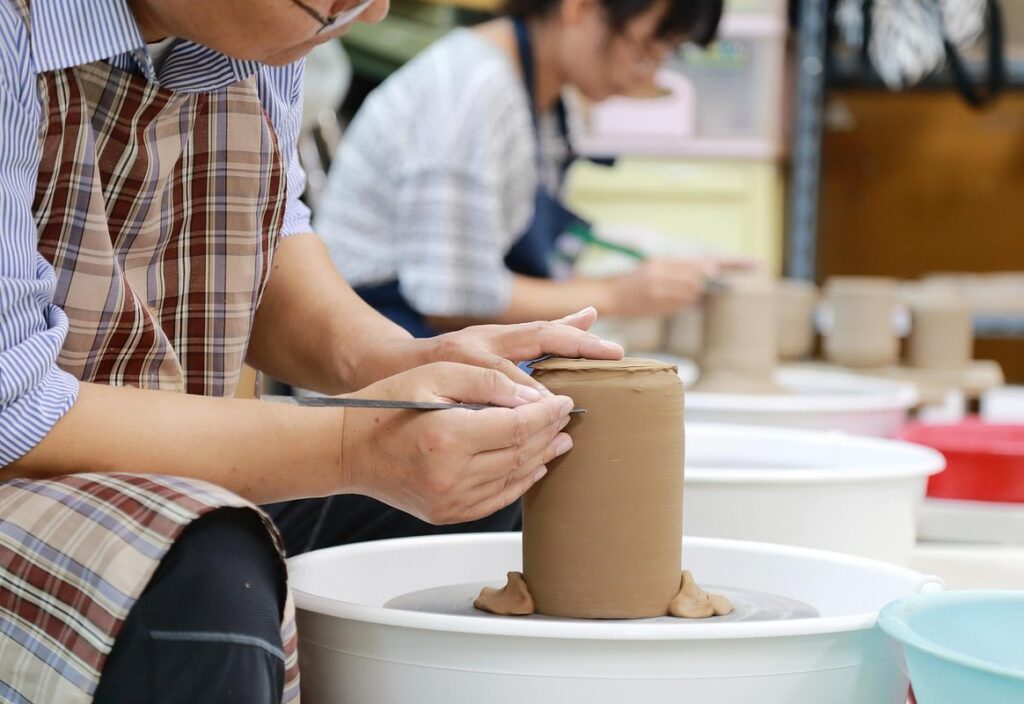
Beyond visual arts, explore other creative outlets like pottery, textiles, or woodworking. These activities allow you to work with your hands, experiment with new materials, and produce tangible results that bring a sense of pride. For instance, try knitting or crocheting, which not only keep your mind active but also create something practical for yourself or loved ones.
Remember, the goal is to have fun while engaging in creative activities. Start small, explore different mediums, and experiment with techniques until you find what suits you best. You can even join local arts and crafts groups or online forums to connect with like-minded individuals who share your passion.
Writing and Journalism
Writing is an excellent hobby for older adults to stay engaged and active. Not only does it provide an outlet for creativity, but it also offers a wealth of cognitive benefits. Research has shown that writing can improve memory, boost mood, and even reduce the risk of dementia.
One popular form of writing among seniors is journaling. This simple practice involves recording thoughts, feelings, and experiences in a daily or weekly log. By doing so, individuals can process their emotions, reflect on past events, and set goals for the future. Journaling can also help to develop writing skills and build confidence.
For those who enjoy sharing their work with others, blogging is an excellent option. Many older adults have successfully started blogs on platforms like WordPress or Blogger, where they write about topics ranging from travel to cooking to hobbies. Not only does this provide a creative outlet, but it can also be a valuable way to connect with others and build a sense of community.
Creative writing, such as short stories or poetry, is another area worth exploring. Many older adults find that writing creatively helps them tap into their imagination and express themselves in new ways. Whether through writing workshops or online resources, there are many opportunities for seniors to develop their creative writing skills and share their work with others.
Music and Dance
Engaging with music and dance can be an incredibly fulfilling experience for older adults. Not only do these activities promote physical activity and coordination, but they also offer a creative outlet and social connection. Whether you’re interested in playing an instrument, singing in a choir, or taking a dance class, there’s something to suit every taste and skill level.
Research has shown that participating in music-making can have a positive impact on cognitive function, including improved memory and concentration. For example, studies have found that older adults who play musical instruments show increased gray matter density in areas of the brain associated with spatial-temporal skills, language, and fine motor control.
If you’re new to playing an instrument or singing, consider starting with beginner lessons or online tutorials. Many community centers and music schools offer classes specifically designed for older adults. For dance enthusiasts, look into local studios that offer gentle exercise classes, such as line dancing or tai chi. Not only will these activities keep your body active, but they’ll also provide an opportunity to meet new people and make friends.
Outdoor and Adventure Hobbies for Older Adults
As you consider ways to stay engaged and active, exploring outdoor hobbies can be a fantastic way to challenge yourself and connect with nature. From hiking to kayaking, the possibilities are endless!
Nature-Based Activities
As we age, it’s essential to maintain our physical health, mental well-being, and social connections. One of the best ways to do this is through nature-based activities that allow us to connect with the outdoors. Hiking, for example, can be a fantastic way to stay active while exploring new trails and taking in breathtaking views. Even a short, gentle walk around the neighborhood can make a difference.
Birdwatching is another excellent option, providing an opportunity to observe and learn about the natural world. Gardening, too, can be both therapeutic and rewarding, allowing us to grow our own fruits and vegetables while enjoying the fresh air and physical exercise. For those who are less mobile, consider setting up a bird feeder or simply spending time on a patio or balcony with plants.
To get started, try incorporating one of these activities into your routine just once a week. Invite friends or family members to join you for added social benefits. And remember to take it at your own pace – the goal is to enjoy and stay active, not to push yourself too hard. By making nature-based activities a part of your life, you’ll be well on your way to maintaining a happy, healthy, and engaged older adulthood.
Travel and Exploration
Traveling can be an excellent way for older adults to stay engaged and active, allowing them to experience new cultures and places. However, it’s essential to consider factors such as health, mobility, and finances when planning a trip.
For those who are physically able, traveling internationally can be an incredible adventure. Consider visiting countries with low-cost living options, such as Thailand or Costa Rica, where your dollar can go far. Research destinations that cater to older adults, offering amenities like walking tours, gentle hiking trails, and senior-friendly accommodations.
If international travel is not feasible, explore local options, like weekend getaways to nearby cities or national parks. Take advantage of guided tours, which can provide a sense of security and allow you to meet new people. Before embarking on any trip, consult your healthcare provider to discuss any necessary precautions or preparations.
Additionally, consider joining a travel group specifically designed for older adults. These groups often offer support, guidance, and the opportunity to connect with like-minded individuals. By planning carefully and being mindful of their needs, older adults can enjoy the benefits of traveling while staying engaged and active in later life.
Sports and Fitness
Staying active through sports is an excellent way for older adults to maintain their physical and mental well-being. Not only does it help to reduce the risk of chronic diseases such as heart disease, diabetes, and some cancers, but it also boosts mood, energy levels, and cognitive function.
Many sports are particularly suitable for older adults, including golf, tennis, and swimming. Golf, for instance, is a low-impact sport that requires strength, flexibility, and coordination – all of which can be improved with regular practice. Tennis is another excellent option, as it provides a great workout while also being a fun and social activity.
If you’re new to sports or haven’t been active in a while, start by finding a local group or club that caters to older adults. This will provide a sense of community and support, making it easier to get started and stay motivated. Consider starting with short sessions, gradually increasing duration and intensity as your fitness levels improve.
Some popular options for older adults include:
* Local recreational leagues for golf, tennis, or swimming
* Community centers offering group classes and workshops
* Senior sports clubs that cater specifically to older adults
Remember to consult with your doctor before starting any new exercise program. By getting involved in sports and staying active, you’ll not only improve your physical health but also enhance your overall quality of life.
Intellectual Pursuits for Older Adults
Engage your mind and spark new interests with intellectual pursuits that challenge you, from reading groups to language classes. These activities will keep your brain sharp and connected.
Reading and Book Clubs
Reading has been shown to have numerous cognitive benefits for older adults, including reducing the risk of age-related cognitive decline and dementia. Joining a book club is an excellent way to stay engaged with reading while also providing opportunities to socialize and discuss new ideas.
To get started, consider visiting your local library or community center to find out about existing book clubs in your area. Many libraries also offer reading programs specifically designed for older adults, which can be a great place to start. Alternatively, you could ask friends, family members, or colleagues if they know of any book clubs that might be a good fit.
When selecting books for the club, consider choosing titles that are thought-provoking and relevant to your interests. This will help keep discussions engaging and encourage participants to share their insights. You can also take turns hosting meetings at each other’s homes or local parks, which can provide opportunities to connect with others in a more informal setting.
Joining a book club is an excellent way for older adults to stay engaged, active, and mentally stimulated while also having fun and making new connections. With so many benefits to offer, it’s no wonder reading has become one of the most popular hobbies among seniors.
Learning a New Language or Skill
Learning a new language or skill can be a fascinating intellectual pursuit for older adults. It’s never too late to explore new interests and expand one’s knowledge. Online resources offer a convenient way to learn at home, saving time and effort compared to traditional classes.
Platforms like Coursera, Udemy, and edX provide courses on a wide range of subjects, from languages to science, history, and art. Many courses are self-paced, allowing older adults to set their own schedule and work at their own speed. This flexibility is particularly beneficial for those with busy lives or mobility issues.
Language learning apps like Duolingo, Babbel, and Rosetta Stone also offer interactive lessons that cater to different learning styles. These apps use gamification techniques to make learning fun and engaging. For example, users can compete with friends to see who can complete a course first, or earn rewards for reaching milestones.
When selecting an online resource, consider factors like cost, content quality, and accessibility features. Many platforms offer free trials or introductory courses, allowing older adults to test the waters before committing to a paid subscription. With so many options available, there’s never been a better time to learn something new and stay engaged in later life.
Board Games and Puzzles
Engaging with board games and puzzles is an excellent way for older adults to challenge their minds and stay mentally sharp. These activities have been shown to improve cognitive function, particularly in areas such as memory, attention, and processing speed.
Puzzles like crosswords, Sudoku, or chess require critical thinking and problem-solving skills, which can help build cognitive reserve and reduce the risk of age-related cognitive decline. For instance, research has found that engaging in regular puzzle-solving activities can even delay the onset of dementia by up to five years.
To get started with puzzles, try beginning with simpler ones and gradually increasing the difficulty level as you become more comfortable. You can also join a local puzzle group or club to socialize and stay motivated. Some popular online platforms, such as Lumosity or BrainHQ, offer a variety of puzzles and games that cater to different skill levels.
Remember, the key is to choose activities that bring you joy and challenge your mind in a meaningful way. By incorporating puzzles into your daily routine, you can keep your brain active, engaged, and healthy for years to come.
Conclusion: Embracing Hobbies in Later Life
As you’ve explored various hobbies suitable for older adults, it’s time to reflect on how these activities can enrich your life and bring joy in later years.
Recap of Benefits and Options
As we’ve explored throughout this post, embracing hobbies in later life is a powerful way to stay engaged and active. By doing so, older adults can reap numerous benefits that enhance their physical, emotional, and mental well-being.
First and foremost, hobbies provide a sense of purpose and fulfillment, which can be especially important during retirement or periods of transition. Whether it’s painting, gardening, or cooking, engaging in activities you enjoy can give your life direction and meaning.
In addition to boosting morale, hobbies also offer opportunities for socialization and connection with others who share similar interests. This is particularly valuable for older adults, as social isolation can be a significant concern during this stage of life.
Whether you’re looking to try something new or revisit an old passion, the options are vast. Consider exploring local community centers, senior organizations, or online forums to discover new hobbies and connect with like-minded individuals. Don’t be afraid to experiment – you might be surprised at what brings you joy!
Encouragement to Try Something New
As you’ve discovered the joy of pursuing hobbies in later life, it’s natural to feel encouraged to continue exploring and trying new things. However, some may still find themselves hesitant due to various reasons such as fear of failure or concerns about their abilities.
Firstly, let’s talk about age. Many people believe that certain activities are only suitable for a specific age group, but this isn’t true. Whether you’re in your 60s or 80s, there are countless hobbies and interests waiting to be explored. For instance, older adults have been known to take up painting, writing, gardening, and even learning new languages.
Don’t let fear hold you back from trying something new. Instead, start small by dipping into an activity that piques your interest. This could mean attending a beginner’s class, joining a local club or group, or even just experimenting with a new skill online. The key is to be gentle with yourself and remember that it’s okay to make mistakes.
By embracing this mindset, you’ll open yourself up to new experiences and opportunities for growth. So, don’t be afraid to step out of your comfort zone and give something new a try. You might just discover a hidden talent or passion!
Final Thoughts on Staying Engaged
As you reflect on the many benefits of embracing hobbies in later life, it’s essential to remember that staying engaged is a continuous process. It requires commitment, patience, and a willingness to adapt as circumstances change. As we’ve discussed throughout this article, choosing the right hobby can be overwhelming with so many options available. However, by considering your interests, abilities, and goals, you can select an activity that brings you joy and fulfillment.
To maintain momentum, schedule time for your hobby into your daily or weekly routine. This could be as simple as setting aside 30 minutes each day to work on a puzzle or reading a book. By prioritizing hobbies in this way, you’ll create space for relaxation, creativity, and social interaction. Regular practice will also help you build confidence and skills, enabling you to take on new challenges and explore different areas of interest.
Incorporating physical activity into your hobby is another key factor in staying engaged. Outdoor adventures like gardening, hiking, or cycling not only provide exercise but also offer opportunities for mental stimulation and connection with nature. As we age, it’s essential to maintain a healthy balance between physical and mental pursuits to ensure overall well-being.
Don’t be afraid to try new things and take calculated risks – this is often where the most growth and enjoyment occur. And when faced with obstacles or setbacks, draw on the resilience and determination that has brought you this far in your life. Remember that hobbies are a journey, not a destination, and it’s okay to make adjustments along the way.
As you continue on your hobbyist path, remember that every small step counts – whether it’s mastering a new skill, connecting with like-minded individuals, or discovering a hidden talent. By embracing this mindset, you’ll stay motivated, inspired, and engaged in later life, cultivating a sense of purpose and fulfillment that transcends age.
Frequently Asked Questions
How can I balance different types of hobbies to avoid burnout?
If you have multiple interests, it’s essential to allocate time for each activity without overcommitting yourself. Set realistic schedules, prioritize activities that bring you the most joy, and be willing to adjust your routine as needed.
Can I start a new hobby if I have limited mobility or physical constraints?
Yes. Many hobbies can be adapted or modified to accommodate different abilities. For example, you can try virtual classes for dance or music, join online book clubs, or participate in writing groups. Research and explore resources that cater to older adults with varying levels of mobility.
What are some ways to find support and accountability while pursuing a new hobby?
Look for local community centers, senior organizations, or online forums focused on your specific interest. Joining a group or club can provide a sense of belonging, opportunities for socialization, and motivation to continue learning and growing.
How do I assess my skills and talents when choosing a new hobby?
Reflect on past experiences and activities that brought you joy and satisfaction. Consider what you’re naturally good at, what you enjoy doing in your free time, and what aligns with your values and interests. Don’t be afraid to try something new and step out of your comfort zone.
Can I start small or try a hobby as a “tester” before committing fully?
Absolutely. Begin by dedicating a few hours a week or even just 30 minutes daily to explore different activities. Attend classes, workshops, or online sessions to get a feel for what you enjoy and what works best for your lifestyle. This approach allows you to experiment without significant commitment.