
Confusion is a common issue among elderly individuals, affecting their quality of life and making everyday tasks increasingly challenging. As our loved ones age, it’s essential to understand the underlying causes of this condition to provide effective care and support. Cognitive decline, age-related diseases like dementia and Alzheimer’s, and sensory impairments such as hearing or vision loss can all contribute to confusion in elderly individuals. But that’s not all – environmental factors, social and emotional issues, and healthcare-related challenges also play a significant role. In this article, we’ll delve into these causes of confusion in elderly individuals, exploring how to identify and address each factor to improve care. By understanding the complex interplay of these issues, you can provide better support for your aging loved ones and help them live independently with dignity.
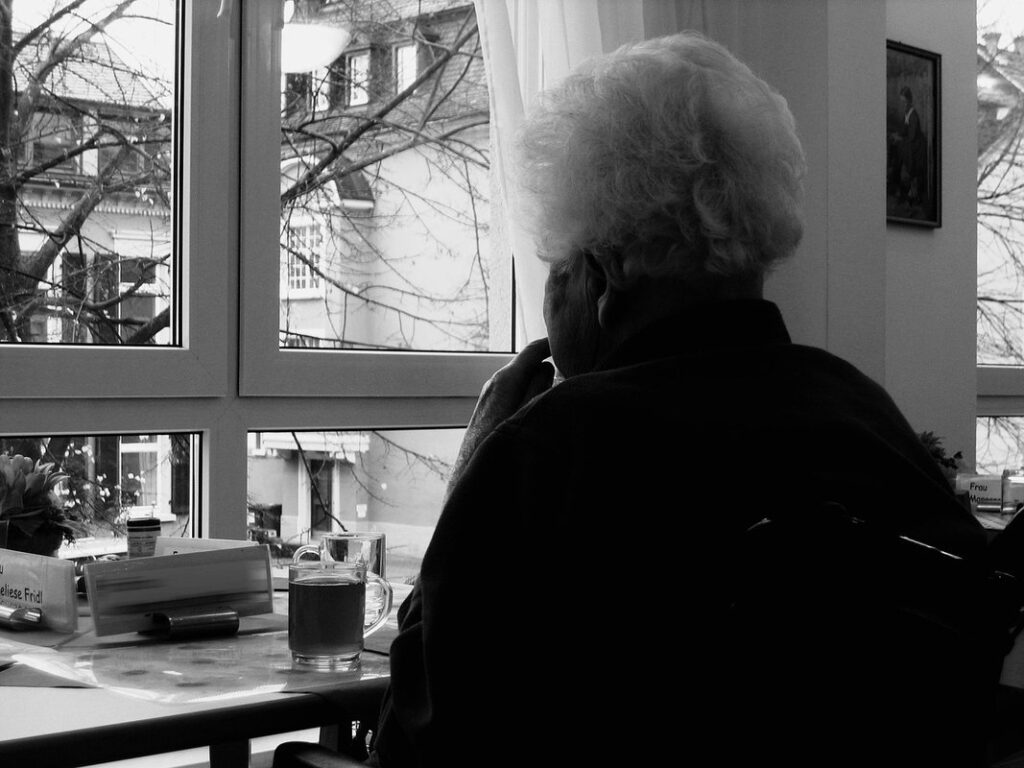
Cognitive Decline and Aging
As we explore the causes of confusion in the elderly, let’s examine how cognitive decline is a natural part of aging that affects memory, thinking, and problem-solving skills.
The Relationship Between Brain Changes and Confusion
Cognitive decline is a natural process that affects many elderly individuals, leading to confusion and disorientation. One of the underlying causes of this cognitive decline is brain atrophy – the gradual loss of neurons and their connections in the brain. As we age, our brains undergo natural changes, including shrinkage of certain areas such as the hippocampus, which plays a crucial role in memory formation.
Changes in neurotransmitters also contribute to confusion in elderly individuals. Neurotransmitters like acetylcholine and dopamine help facilitate communication between neurons. However, with age, these chemicals can become imbalanced, leading to problems with attention, memory, and mood regulation. For instance, a decrease in acetylcholine levels has been linked to an increased risk of dementia.
Research suggests that 70-80% of older adults experience some degree of cognitive decline due to changes in the brain’s structure and function. It’s essential for caregivers and family members to be aware of these changes and take proactive steps to support their loved ones, such as maintaining a regular routine, providing mental stimulation through activities like puzzles or games, and promoting physical exercise to enhance blood flow to the brain.
Age-Related Diseases and Conditions
Age-related diseases are among the most significant contributors to confusion in the elderly. Dementia and Alzheimer’s disease, for instance, affect millions worldwide. These conditions disrupt cognitive function, causing memory loss, disorientation, and difficulty with communication. As the brain’s neural connections deteriorate, daily tasks become increasingly challenging.
Parkinson’s disease is another condition that impacts cognitive function, often leading to confusion and disorientation. The decline in dopamine levels affects motor control, but also contributes to impaired cognitive processing.
While these diseases are not inevitable, early diagnosis and intervention can significantly improve quality of life for those affected. Family members and caregivers can play a crucial role by encouraging regular check-ups, monitoring changes in behavior, and seeking professional advice when needed.
In addition to medical conditions, age-related diseases often have underlying causes that can be managed through lifestyle modifications. For example, maintaining social connections, staying physically active, and practicing mental stimulation can help mitigate the risk of cognitive decline.
Nutritional Deficiencies and Dehydration
Inadequate nutrition and dehydration are two often-overlooked factors that can significantly contribute to confusion in elderly individuals. When our bodies don’t receive the necessary nutrients, it can impair cognitive function, leading to increased feelings of disorientation and confusion.
A diet lacking essential vitamins and minerals such as vitamin B12, iron, or folate can lead to cognitive decline. For instance, a study found that older adults with low levels of vitamin B12 experienced a significant decrease in cognitive function compared to those with adequate levels. Similarly, dehydration can also exacerbate confusion by impairing brain function and disrupting the balance of essential nutrients.
To prevent or alleviate nutritional deficiencies and dehydration, encourage elderly loved ones to drink plenty of water throughout the day and maintain a balanced diet rich in whole foods, fruits, vegetables, and lean proteins. Additionally, consider supplementing with vitamins and minerals after consulting with a healthcare professional. For example, vitamin B12 supplements can be especially beneficial for those at risk of deficiency.
Sensory Impairments and Confusion
When a senior experiences confusion, sensory impairments can often play a significant role. Let’s examine how issues like vision loss, hearing difficulties, and other sensory challenges contribute to confusion in elderly individuals.
Vision Loss and its Consequences
Vision loss is a common issue among the elderly that often goes hand-in-hand with confusion and disorientation. In fact, studies have shown that 60% of people over 65 experience some form of visual impairment, with age-related macular degeneration (AMD) being the leading cause. AMD causes blind spots in central vision, making it difficult to perform everyday tasks like reading or cooking.
Cataracts are another common age-related issue that can lead to confusion and disorientation. As cataracts develop, they can cause blurred vision, double vision, and sensitivity to light. In severe cases, cataracts can even cause complete blindness. Glaucoma is also a significant risk factor for elderly individuals, as it can damage the optic nerve and lead to progressive vision loss.
In addition to these conditions, age-related changes in the eyes can also contribute to confusion and disorientation. For example, presbyopia causes difficulty with near vision, making tasks like reading or tying shoelaces challenging. To help mitigate these issues, consider investing in magnifying glasses or reading glasses with strong prescriptions. Regular eye exams are also crucial for detecting early signs of vision loss and addressing underlying conditions before they worsen.
Hearing Loss and Its Effects on Elderly Individuals
Hearing loss is a common condition among elderly individuals that can have far-reaching consequences beyond just affecting their ability to hear. Studies have shown that there is a strong link between hearing loss and cognitive decline, with research suggesting that people who experience age-related hearing loss are more likely to develop dementia and Alzheimer’s disease.
This association may be due in part to the fact that hearing loss can lead to social isolation, as individuals become withdrawn and less engaged with their communities. When we lose our ability to hear, it becomes increasingly difficult to participate in conversations, understand instructions, or even enjoy music and other activities that bring us joy. This isolation can exacerbate feelings of loneliness and depression, further accelerating cognitive decline.
Moreover, hearing loss is also a significant risk factor for falls and injuries among the elderly. When we cannot hear warning signals, such as doorbells, sirens, or alarm clocks, it becomes more challenging to navigate our surroundings safely. In fact, a study found that individuals with untreated hearing loss are three times more likely to experience a serious fall than those who wear hearing aids.
If you’re an elderly individual experiencing hearing loss, there are steps you can take to mitigate its effects on your cognitive health and overall well-being. First, schedule regular hearing tests to assess the severity of your condition and discuss treatment options with your healthcare provider. Consider using hearing aids or other assistive listening devices that can help improve your communication and reduce social isolation.
In addition, there are many simple adaptations you can make in daily life to compensate for hearing loss. For example, you might use visual reminders such as notes on the fridge or a medication calendar to stay organized and on track. You could also ask family members or caregivers to speak clearly and slowly when giving instructions or engaging in conversation.
To further reduce your risk of falls, consider installing grab bars in strategic locations around your home, such as near stairs or in bathrooms. Make sure there is adequate lighting throughout your living space to help you navigate safely during the day and night. By taking proactive steps to address hearing loss, you can maintain your independence and continue to engage with your loved ones and community for years to come.
Environmental Factors Contributing to Confusion
Confusing environments can be a significant contributor to confusion in seniors, from cluttered homes to complex public spaces. Let’s explore some of these environmental factors that may exacerbate cognitive issues.
Falls Prevention and Home Safety Modifications
Creating a safe environment is crucial to preventing falls and alleviating confusion caused by mobility issues. Simple modifications can significantly reduce fall risks and make it easier for elderly individuals to navigate their living spaces.
Start by removing tripping hazards such as throw rugs, electrical cords, and clutter from hallways and walkways. Secure any loose furniture or heavy objects that could tip over easily. Brighten up dimly lit areas with additional lighting fixtures, especially in stairways and bathrooms. Installing handrails on both sides of stairs can provide extra support.
Consider installing grab bars near toilets, showers, and bathtubs to prevent slips and falls. Soft flooring materials like carpeting or area rugs can be slippery when wet, so replace them with non-slip mats or rubber-backed rugs. Additionally, consider using a shower chair or bench to make bathing safer. By implementing these simple modifications, you can significantly reduce fall risks and alleviate confusion caused by mobility issues, creating a safer living environment for elderly individuals.
Overwhelming Stimuli and Sensory Overload
When it comes to our surroundings, even seemingly harmless stimuli can cause chaos for elderly individuals with sensory impairments. Excessive noise is a common culprit, often leading to feelings of disorientation and anxiety. Think about it: if you’re someone who’s hard of hearing or has tinnitus, the constant din of background chatter, traffic sounds, or TV noise can be overwhelming.
Similarly, cluttered environments can contribute to sensory overload. Consider an elderly person navigating a crowded room with multiple people speaking at once, while also trying to avoid bumping into furniture or tripping over clutter. Visual stimuli like bright lights, patterns, and colors can also cause confusion, particularly for those with visual impairments. To mitigate these effects, consider simplifying your environment: use noise-cancelling headphones or play calming music in the background; declutter regularly to reduce visual stressors; and make sure lighting is soft and even.
By making a few simple adjustments, you can significantly improve your loved one’s ability to navigate their surroundings with confidence.
Social and Emotional Factors Contributing to Confusion
As we explore the complex causes of confusion in the elderly, it’s essential to consider how social and emotional factors can play a significant role in their mental state. Social isolation and emotional distress are often overlooked contributors to confusion.
Loneliness and Social Isolation
Loneliness can have a profound impact on cognitive health, increasing the risk of confusion and other age-related cognitive decline. When we feel lonely, our brains produce stress hormones like cortisol and adrenaline, which can damage brain cells and disrupt normal communication between neurons. This can lead to decreased memory and attention span, making it more challenging for elderly individuals to process information and make decisions.
Research has shown that loneliness is associated with a 30-40% increased risk of cognitive decline and dementia. For example, a study published in the Journal of Gerontology found that older adults who experienced social isolation had a higher likelihood of developing Alzheimer’s disease. On the other hand, individuals who maintained strong social connections showed slower rates of cognitive decline.
To mitigate the effects of loneliness on cognitive health, it’s essential to prioritize social engagement and connection. This can be as simple as scheduling regular phone calls or video chats with friends and family, joining a local club or group that aligns with interests, or volunteering in the community. By taking proactive steps to address loneliness, we can reduce its negative impact on cognitive function and promote overall well-being.
Anxiety, Depression, and Their Effects on Elderly Individuals
When it comes to confusion in older adults, anxiety and depression often play a significant role. These mental health conditions can manifest in various ways, making it difficult for seniors to manage their daily lives. Research suggests that nearly 20% of adults aged 65 and above experience some form of depression, which can lead to feelings of sadness, hopelessness, and confusion.
Anxiety, on the other hand, affects around 14% of older adults, causing them to feel restless, irritable, or on edge. The physical symptoms of these conditions often overlap with those of dementia, making diagnosis challenging. For instance, a senior with anxiety may exhibit pacing, agitation, or difficulty sleeping, while depression can lead to fatigue, loss of appetite, and withdrawal from social activities.
To address the interplay between anxiety, depression, and confusion in older adults, healthcare professionals must consider these mental health conditions alongside physical symptoms. This integrated approach enables caregivers to develop targeted interventions that tackle both the mind and body. For example, cognitive-behavioral therapy (CBT) can help seniors manage their anxiety and depression, reducing the risk of confusion.
Healthcare-Related Factors Contributing to Confusion
As we explore the complex causes of confusion in the elderly, it’s essential to examine how healthcare-related factors contribute to this issue. These can include medication interactions and side effects, chronic illnesses, and inadequate care management.
Medication Management and Adverse Reactions
Medication management plays a significant role in contributing to confusion among elderly individuals. Polypharmacy, or the use of multiple medications, can lead to increased risk of adverse reactions and interactions. This is particularly concerning as many elderly patients are prescribed multiple medications for various chronic conditions such as hypertension, diabetes, and arthritis.
When these medications interact, they can cause a range of symptoms including dizziness, disorientation, and confusion. For example, the commonly used antidepressant selective serotonin reuptake inhibitors (SSRIs) can increase the risk of bleeding when taken with blood thinners like warfarin.
To mitigate this risk, healthcare providers should closely monitor patients’ medication regimens and adjust as needed. Patients themselves can also take steps to reduce their confusion risk by keeping a comprehensive list of all medications, including over-the-counter supplements, and sharing it with their primary care physician. Regular review of medications and addressing any potential interactions or adverse reactions promptly is essential in preventing unnecessary exposure to these risks.
Hospitalization and Rehabilitation: Challenges for Elderly Individuals
Hospitalization can be a particularly challenging experience for elderly individuals, increasing their risk of confusion. The unfamiliar environment of a hospital room, combined with medical procedures and interactions with care staff, can overwhelm even the most resilient seniors. A study published in the Journal of Gerontology found that up to 70% of hospitalized older adults experience some degree of cognitive impairment.
The constant change in surroundings, noise levels, and disruption to routine can exacerbate confusion. For example, a senior may feel disoriented by the unfamiliar beeping of monitors or struggle to follow conversations between healthcare staff due to background noise. Care staff interactions can also contribute to confusion, particularly if they use jargon or technical terms that seniors may not understand.
To mitigate these risks, family members and caregivers can take steps to support hospitalization. This includes being present during medical procedures, asking questions about treatment plans, and encouraging open communication with care staff. By minimizing the unfamiliarity of the hospital environment and ensuring clear understanding of care plans, we can reduce the likelihood of confusion in elderly individuals undergoing hospitalization or rehabilitation.
Frequently Asked Questions
What are the first steps to take when caring for a loved one with confusion caused by cognitive decline?
When caring for an elderly individual experiencing cognitive decline, it’s essential to assess their current living situation and identify potential hazards such as slippery floors or heavy furniture. Create a safe environment by installing handrails, removing tripping hazards, and securing loose rugs.
How can I help my loved one manage the emotional impact of age-related diseases like dementia?
Supporting an elderly individual with dementia requires empathy and understanding. Encourage them to express their feelings and emotions through open conversations. Offer regular activities that promote relaxation and stress reduction, such as gentle exercise, music therapy, or meditation.
Can dehydration contribute to confusion in elderly individuals, even if they’re not showing obvious signs of thirst?
Yes, dehydration can significantly impact an individual’s cognitive function, leading to confusion and disorientation. Elderly individuals may experience reduced thirst sensation due to age-related changes in the body. Monitor their fluid intake closely and encourage them to drink water regularly.
How do I balance my loved one’s need for independence with the necessity of preventing falls?
Encourage your elderly loved one to prioritize fall prevention by installing handrails, using non-slip mats, and maintaining good lighting in living areas. Encourage regular exercise, such as walking or tai chi, which can help improve balance and reduce the risk of falls.
What role do social connections play in reducing confusion among elderly individuals?
Social isolation is a significant contributor to confusion among elderly individuals. Regular visits from family members or friends, participation in community activities, and maintaining phone contact can significantly enhance their mental health and reduce feelings of loneliness.