
Caring for a loved one with Alzheimer’s can be one of the most challenging experiences you’ll ever face. As the disease progresses, the needs of your family member change dramatically, and it’s essential to have a solid understanding of what to expect. From the early stages of diagnosis to managing symptoms and finding resources for comprehensive support, navigating this journey alone can be overwhelming.
In this article, we’ll provide expert advice on caring for loved ones with Alzheimer’s, covering everything from the basics of the disease to practical tips for preparing caregivers and finding local resources. Whether you’re just starting out or are an experienced caregiver looking for new ideas, our goal is to empower you with the knowledge and confidence you need to provide the best possible care for your family member.
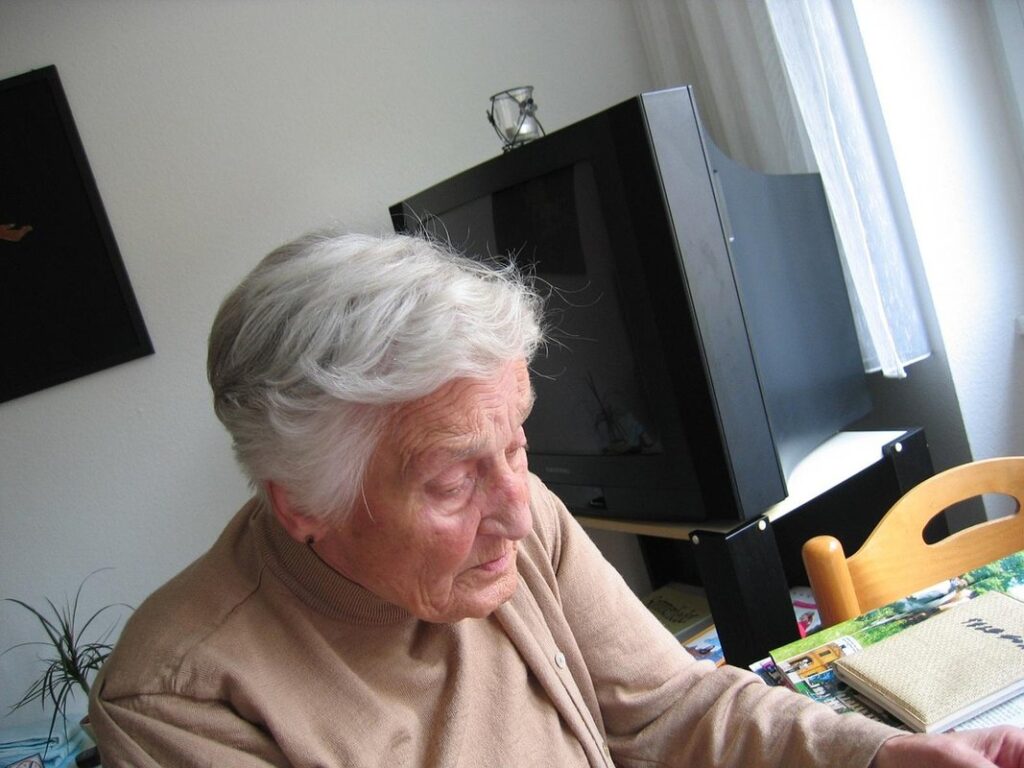
Understanding Alzheimer’s Disease
To truly provide effective care for a loved one with Alzheimer’s, it’s essential to understand the underlying causes and progression of the disease. This includes grasping its symptoms, stages, and how they impact daily life.
What is Alzheimer’s?
Alzheimer’s disease is a complex and progressive condition that affects millions of people worldwide. At its core, Alzheimer’s is a neurodegenerative disorder that causes the brain to shrink and brain cells to die. This leads to memory loss, confusion, and difficulties with communication and daily activities.
Research suggests that Alzheimer’s is caused by a combination of genetic, lifestyle, and environmental factors. The most common risk factor is age, with 1 in 9 people over the age of 65 developing the condition. Other contributing factors include family history, high blood pressure, diabetes, and heart disease.
There are several types of dementia, but Alzheimer’s is the most common, accounting for 60-80% of cases. The two main subtypes are early-onset (less than 65 years old) and late-onset (over 65). Early signs of Alzheimer’s include memory loss, disorientation, mood changes, and difficulty with word-finding.
As Alzheimer’s progresses through its seven stages, cognitive decline accelerates, and daily functioning becomes increasingly impaired. While there is currently no cure for the disease, early diagnosis and intervention can significantly improve quality of life and slow progression.
Symptoms and Stages of Alzheimer’s
As you navigate the world of Alzheimer’s care, it’s essential to understand the various stages of the disease and its corresponding symptoms. Recognizing these signs can help you identify when a loved one may need extra support.
The early-stage symptoms of Alzheimer’s are often subtle and may include memory lapses, such as forgetting recent conversations or events, and difficulty learning new information. Your loved one might also experience mood changes, like anxiety, agitation, or withdrawal. In some cases, they may exhibit difficulty with abstract thinking, problem-solving, or judgment.
As the disease progresses to its middle stage, symptoms become more pronounced. Individuals may struggle to remember important details about their lives, such as the names of family members, friends, and familiar places. They might also experience difficulties with daily tasks, like bathing, dressing, and managing finances.
In the late-stage of Alzheimer’s, cognitive decline is significant, and individuals often require full-time care. They may lose the ability to communicate effectively, both verbally and non-verbally, and may become easily agitated or restless. In this stage, it’s crucial to focus on providing comfort, support, and maintaining their dignity.
It’s essential to keep in mind that each person with Alzheimer’s progresses at their own pace, so these stages are not strictly linear. Be patient and understanding as you care for your loved one, and don’t hesitate to seek professional help when needed.
Caregiver Preparation and Support
As you prepare for the responsibilities of Alzheimer’s care, understanding what support is available to you as a caregiver is essential. This crucial foundation will help ensure your well-being alongside that of your loved one.
Preparing for a Loved One’s Diagnosis
Preparing for a loved one’s diagnosis can be overwhelming and emotional. It’s essential to acknowledge that caring for someone with Alzheimer’s is not only physically demanding but also emotionally draining. Before the diagnosis, take time to understand how you feel about the situation and what kind of support you need. Consider seeking counseling or therapy to process your emotions and develop coping strategies.
As a caregiver, it’s crucial to set boundaries to maintain your physical and emotional well-being. This may involve delegating tasks, learning to say “no” when necessary, and prioritizing self-care activities. For example, if you’re caring for a parent, consider enlisting the help of other family members or hiring professional caregivers to assist with daily responsibilities.
Don’t underestimate the value of seeking support from loved ones, friends, and support groups. Joining an Alzheimer’s care community can provide a sense of connection and understanding from others who are navigating similar challenges. Additionally, explore online resources and caregiver forums for practical advice and emotional validation. By being proactive about your own needs and seeking help when needed, you’ll be better equipped to care for your loved one with compassion and resilience.
Types of Caregivers and Their Roles
As an individual with Alzheimer’s navigates the complexities of their condition, they often rely on various types of caregivers to provide support and care. Informal caregivers, typically family members or friends, play a vital role in daily life management, helping with tasks such as bathing, dressing, and medication administration.
Professional caregivers, employed by home care agencies or assisted living facilities, can also provide essential care services like personal hygiene assistance, meal preparation, and mobility support. Additionally, some individuals may benefit from the expertise of specialized caregivers, such as those trained in dementia-specific care or speech-language pathology. However, it’s essential to note that even with these professionals involved, family members often remain closely tied to their loved one’s care.
To ensure effective caregiving, open communication and collaboration among all caregivers are crucial. Caregivers should also prioritize self-care, making time for activities like exercise, meditation, or hobbies to prevent burnout and maintain emotional resilience. By acknowledging the value of different caregiver roles and prioritizing mutual support, families can create a comprehensive care plan that meets their loved one’s needs while promoting overall well-being.
Non-Medical Care Interventions
Beyond medical treatments, there are various non-medical care interventions that can greatly impact the daily life of a loved one with Alzheimer’s. These strategies focus on emotional and practical support.
Environmental Modifications and Safety Precautions
Creating a safe and supportive environment is crucial for individuals with Alzheimer’s disease. Start by conducting a thorough assessment of the home to identify potential hazards such as tripping risks, sharp objects, and hot surfaces. Remove or secure items that could cause harm, and clear walkways to prevent falls.
Improve lighting throughout the home, especially in areas where tasks are performed, like cooking and bathing. Consider using nightlights or installing motion-sensitive lights to facilitate navigation during nighttime hours. Additionally, install handrails on stairs and in bathrooms to provide support for individuals with balance issues.
Invest in safety equipment such as non-slip mats, grab bars, and alarm systems that can alert caregivers when the individual leaves their designated area. Install deadbolt locks on doors and windows to prevent wandering or exit-seeking behavior. By implementing these environmental modifications and safety precautions, you can significantly reduce the risk of accidents and ensure a safer living environment for your loved one with Alzheimer’s.
Cognitive Stimulation and Engagement Activities
Engaging individuals with Alzheimer’s disease in cognitive stimulation and physical activity is crucial for maintaining their mental and physical well-being. Research has shown that participation in mentally stimulating activities can delay the progression of the disease by up to five years.
Some effective cognitive stimulation techniques include:
• Memory games, such as Concentration or Memory Matrix, which challenge individuals to recall specific memories
• Puzzles, like Sudoku or crosswords, that stimulate problem-solving skills and critical thinking
• Brain teasers, including riddles or logic problems, that require creative thinking
In addition to cognitive stimulation, regular physical activity is essential for individuals with Alzheimer’s. This can include:
• Short walks or gentle exercises, such as chair yoga or tai chi, which promote balance and flexibility
• Music therapy sessions, where participants engage in singing or dancing while following a rhythmic beat
• Group activities, like gardening or cooking classes, that encourage social interaction and teamwork
When selecting cognitive stimulation activities, consider the individual’s interests and abilities. Tailor the exercises to their skill level, and start with simple tasks before increasing difficulty.
Medical Care Interventions
When it comes to caring for a loved one with Alzheimer’s, medical care interventions play a crucial role in managing symptoms and slowing disease progression. This section will explore available treatments and therapies that can make a significant difference.
Medications Used to Treat Alzheimer’s Symptoms
When it comes to managing Alzheimer’s symptoms, medications play a crucial role in slowing down disease progression and improving quality of life. There are several classes of medications used to treat Alzheimer’s symptoms, each working differently to alleviate specific symptoms.
Cholinesterase inhibitors, such as donepezil (Aricept), rivastigmine (Exelon), and galantamine (Razadyne), work by increasing the levels of a neurotransmitter called acetylcholine in the brain. This helps to improve memory and cognitive function. These medications are often prescribed for mild to moderate Alzheimer’s disease.
Another class of medication, memantine (Namenda), is an N-methyl-D-aspartate (NMDA) receptor antagonist. It works by blocking a specific type of neurotransmitter called glutamate, which can be toxic to brain cells in high amounts. Memantine is often used for moderate to severe Alzheimer’s disease.
Your doctor may recommend a combination of cholinesterase inhibitors and memantine to manage symptoms effectively. It’s essential to work closely with your healthcare provider to determine the best medication regimen for your loved one’s specific needs. Keep in mind that medications can have side effects, so it’s crucial to carefully monitor any changes or reactions.
Alternative Therapies and Complementary Medicine
As we explore various medical care interventions for Alzheimer’s patients, it’s essential to consider alternative therapies and complementary medicine. While conventional treatments focus on slowing down disease progression, alternative therapies aim to improve the quality of life for individuals with Alzheimer’s.
Acupuncture, a traditional Chinese practice, involves inserting thin needles into specific points on the body to stimulate healing. Research suggests that acupuncture may help reduce agitation and aggression in people with Alzheimer’s. A study published in the Journal of Alternative and Complementary Medicine found that patients who received acupuncture experienced improved sleep quality and reduced symptoms of anxiety.
Aromatherapy, which utilizes essential oils for therapeutic benefits, has also shown promise in alleviating stress and anxiety in individuals with Alzheimer’s. Lavender oil, in particular, has been found to promote relaxation and reduce agitation. Music therapy, another alternative approach, involves using music to stimulate memories and emotions. It can be particularly effective in engaging patients who are no longer able to communicate verbally.
When considering these alternative therapies, it’s crucial to work with a healthcare professional to ensure they complement existing treatment plans and do not interfere with medications. By incorporating these complementary approaches, caregivers and healthcare professionals can provide a more holistic care experience for individuals living with Alzheimer’s.
Advanced Care Planning
As you care for a loved one with Alzheimer’s, it’s essential to think about their future needs and wishes, including medical treatment and end-of-life decisions. This section will guide you through creating an advanced care plan tailored to your family’s specific situation.
Making End-of-Life Decisions
When it comes to Alzheimer’s care, advance care planning is an essential aspect of ensuring that an individual’s wishes are respected and their needs are met. As the disease progresses, individuals may become unable to make decisions for themselves, which is why creating a living will and appointing a healthcare proxy is crucial.
A living will outlines an individual’s preferences for medical treatment in the event they become unable to communicate. This document should include details about life-sustaining treatments, pain management, and other end-of-life care options. For example, individuals may specify that they do not want to be resuscitated or intubated if their condition worsens.
Appointing a healthcare proxy is equally important. This individual will make decisions on behalf of the person with Alzheimer’s when they are unable to communicate. The proxy should be someone who knows the individual well and can make decisions in alignment with their values and wishes. It’s essential to discuss these plans with family members, caregivers, and healthcare providers to ensure that everyone is aware of the individual’s preferences.
In fact, research shows that individuals with Alzheimer’s who have advance care plans in place tend to receive more compassionate end-of-life care, which can improve their quality of life and reduce stress for loved ones.
Financial Planning and Resources for Alzheimer’s Care
Caring for someone with Alzheimer’s can be financially overwhelming. It’s essential to understand the available resources and financial planning strategies that can help manage the costs associated with this disease.
Medicare covers some of the costs related to Alzheimer’s care, including doctor visits, hospital stays, and home healthcare services. However, it may not cover all expenses, such as long-term care, adult day care, or respite care. Medicaid is another option for those who meet certain income and asset requirements. It can cover a wide range of costs, including nursing home care, assisted living facilities, and home-based care.
Other resources that can provide financial assistance include the Veterans Administration (VA) benefits, which may be available to veterans with Alzheimer’s or their spouses. Additionally, many organizations offer grants and scholarships specifically for families affected by Alzheimer’s. The Alzheimer’s Association also provides a wealth of information on financial planning, including budgeting tools and cost calculators.
To navigate these complex financial systems, consider consulting a geriatric care manager who can help you identify available resources and create a personalized plan to manage costs. By being proactive and informed, you can ensure that your loved one receives the best possible care while managing the associated expenses.
Technology and Assistive Devices
As you navigate Alzheimer’s care, understanding how technology can enhance daily life is crucial. We’ll explore assistive devices that make caregiving easier and improve patient comfort and engagement.
Wearable Devices and Monitoring Systems
Wearable devices and monitoring systems have revolutionized the way we care for individuals with Alzheimer’s. These innovative tools help ensure their safety, provide peace of mind for caregivers, and offer a sense of independence for those living with the disease.
GPS tracking devices are particularly beneficial for people with Alzheimer’s who tend to wander due to memory loss or confusion. Devices like Garmin or Apple Watch enable family members or caregivers to track their loved one’s location in real-time, helping them prevent potential dangers such as getting lost or injured. For example, a study by the University of California, Los Angeles (UCLA) found that GPS tracking devices reduced wandering-related injuries and deaths among individuals with dementia.
Fall detection devices are another essential tool for Alzheimer’s care. These wearable devices can detect falls and automatically alert caregivers or emergency services via mobile apps or alerts. This ensures timely medical attention, reducing the risk of serious injury or even death. Some popular options include Medical Guardian, Philips Lifeline, and Bay Alarm Medical.
Caregivers should consider investing in these devices to ensure their loved one’s safety and well-being. They can be especially helpful during outdoor activities, travel, or when a person with Alzheimer’s is living independently. Regular monitoring also allows caregivers to adjust care plans accordingly, providing tailored support for each individual’s specific needs.
Home Modifications and Adaptations
When it comes to caring for loved ones with Alzheimer’s, creating a safe and supportive home environment is essential. Home modifications can significantly improve safety and independence for individuals with Alzheimer’s, allowing them to maintain their autonomy while reducing the risk of accidents and injuries.
Simple yet effective modifications include installing grab bars in strategic locations such as bathrooms and hallways, non-slip mats or stickers on smooth floor surfaces, and walk-in showers with handrails. These adaptations can greatly reduce the likelihood of falls and make daily tasks more manageable. For example, a walk-in shower with a seat can provide much-needed relief during bath time, while a grab bar near the toilet can offer support when transferring.
Consider consulting with an occupational therapist to identify specific needs and develop a personalized plan for home modifications. They can help assess the home’s layout and recommend necessary changes to ensure safety and accessibility.
Conclusion
As we conclude this comprehensive guide to Alzheimer’s care, it’s essential to remember that every person’s journey is unique. While our suggestions and advice may be helpful, it’s crucial to tailor your approach to the individual needs of your loved one. Take time to observe their habits, preferences, and triggers to develop a personalized care plan. For instance, some individuals with Alzheimer’s respond well to music therapy or aromatherapy, so don’t be afraid to explore unconventional methods. By being flexible and open-minded, you can create a supportive environment that fosters dignity and independence for your loved one. Remember to take care of yourself as well, seeking help when needed to avoid burnout.
Frequently Asked Questions
How Can I Balance My Loved One’s Need for Independence with Safety Concerns?
It’s essential to strike a balance between giving your loved one independence and ensuring their safety. Start by assessing their abilities and creating a safe environment through environmental modifications and safety precautions, such as removing tripping hazards or installing grab bars. Encourage independence by allowing them to perform daily tasks with minimal supervision, but be prepared to intervene when necessary.
What Types of Support Can I Expect from Healthcare Providers in Alzheimer’s Care?
Healthcare providers can offer various types of support, including medication management, symptom monitoring, and guidance on non-medical care interventions like cognitive stimulation and engagement activities. Be sure to ask about their experience with Alzheimer’s patients and what resources they can provide for comprehensive support.
How Can I Deal with the Emotional Toll of Caring for a Loved One with Alzheimer’s?
Caring for someone with Alzheimer’s can be emotionally draining, but it’s essential to prioritize your own well-being too. Consider joining a caregiver support group or seeking counseling to help manage stress and emotions. Additionally, take advantage of respite care services that allow you to temporarily hand over caregiving responsibilities.
Can I Use Wearable Devices and Monitoring Systems in Home Settings for Alzheimer’s Care?
Yes, wearable devices and monitoring systems can be an excellent addition to home-based care. These tools enable caregivers to track a loved one’s daily activities, medication adherence, and vital signs remotely. Consider consulting with healthcare professionals or technology experts to determine the best options for your specific situation.
How Do I Plan for Advanced Care and End-of-Life Decisions in Alzheimer’s Care?
Begin by discussing advanced care planning with your loved one, including making end-of-life decisions that align with their wishes. Create an advance directive and designate a healthcare proxy to make medical decisions on their behalf if they become unable to communicate. It’s also crucial to plan for financial resources and explore long-term care options in case of future needs.