
Managing pain effectively is crucial for older adults with dementia, as uncontrolled pain can exacerbate cognitive decline and worsen behavioral symptoms. However, this complex relationship between pain and dementia requires careful consideration and innovative approaches to care. As our population ages, it’s essential that we explore non-pharmacological interventions, such as physical activity, music therapy, and cognitive-behavioral techniques, alongside pharmacological treatments to optimize pain management. Additionally, caregiver support is vital in this context, as they play a critical role in recognizing and responding to their loved ones’ needs. This article will delve into the latest research on managing pain in dementia care, highlighting emerging trends and strategies for improving outcomes for older adults and their caregivers.
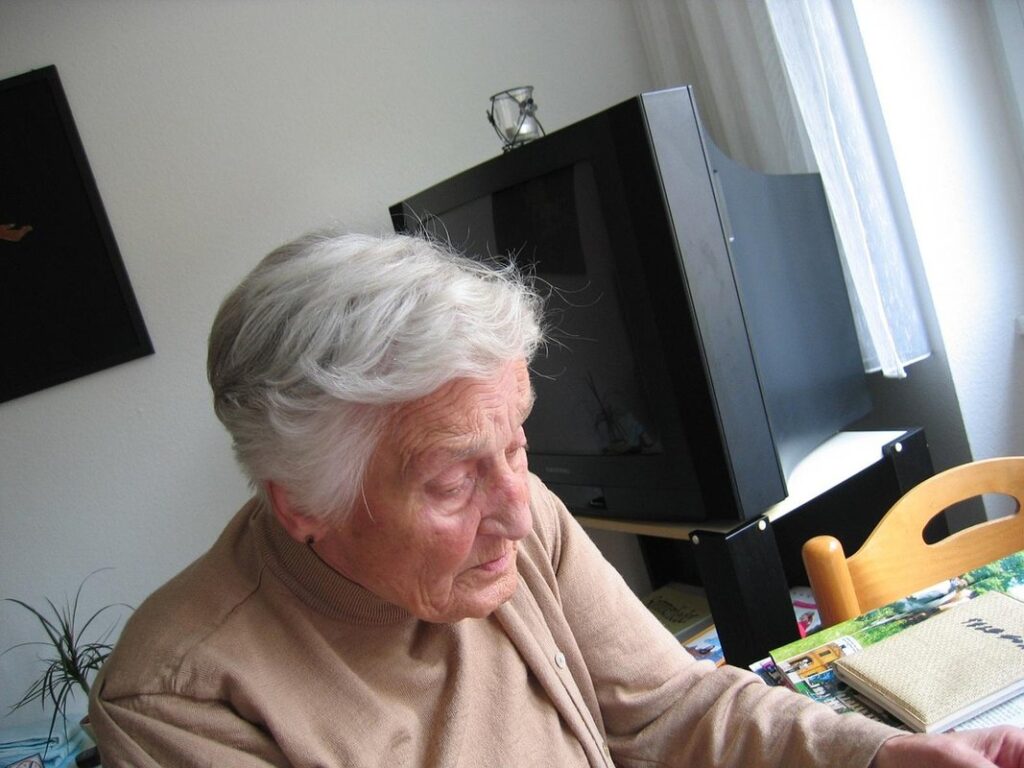
Understanding the Prevalence of Pain and Dementia
As you navigate the complex world of pain management and dementia care, understanding how prevalent these conditions are can provide valuable context for your decision-making. Let’s take a closer look at the numbers behind these challenges.
The Complex Relationship Between Pain and Dementia
The complex relationship between pain and dementia is a multifaceted issue that affects many elderly individuals. Research has shown that people with dementia are more likely to experience chronic pain, which can exacerbate their cognitive decline. In fact, studies have found that up to 70% of people with dementia live with persistent pain.
But the interplay doesn’t stop there. Pain can also worsen dementia symptoms such as agitation, aggression, and anxiety. For instance, a study published in the Journal of Pain Research found that patients with dementia who experienced chronic pain were more likely to exhibit aggressive behavior than those without pain.
Conversely, dementia itself can mask or modify pain perception, making it difficult for caregivers to identify and manage pain effectively. This can lead to undertreatment of pain, which can have serious consequences for both physical and cognitive health.
To address this complex issue, healthcare professionals must consider the interplay between pain and dementia when developing treatment plans. This may involve using non-pharmacological interventions such as physical therapy or cognitive-behavioral therapy to manage pain, as well as implementing strategies to prevent pain-related behavioral disturbances in people with dementia.
Identifying Risk Factors for Pain in Elderly with Dementia
Identifying risk factors for pain in elderly individuals with dementia is crucial to effective management. As we age, our bodies undergo natural changes that can increase the likelihood of experiencing pain. In individuals with dementia, these changes are often exacerbated by cognitive decline and comorbidities.
Age-related changes such as reduced mobility, decreased muscle mass, and altered body composition can lead to increased pain sensitivity. Comorbid conditions like arthritis, diabetes, and cardiovascular disease can further contribute to pain. Cognitive decline in dementia can also impair the ability to communicate pain effectively, making it challenging for caregivers to recognize and address the issue.
Identifying these risk factors is essential for developing a comprehensive pain management plan. Caregivers should look for signs of pain such as verbal cues, facial expressions, and body language changes. Regular monitoring of vital signs, medication use, and mobility levels can also help identify potential pain indicators. By acknowledging these risks, caregivers can take proactive steps to mitigate them and improve the overall quality of life for elderly individuals with dementia.
Causes of Pain in Elderly with Dementia
Pain can stem from various sources, including physical conditions such as arthritis and urinary tract infections, which are common in elderly dementia patients. Understanding these causes is crucial for effective pain management.
Neuropathic Pain: A Common Issue
Neuropathic pain is a common issue that affects many elderly patients with dementia. It’s estimated that up to 80% of individuals living with Alzheimer’s disease experience some form of neuropathic pain, making it a significant concern for caregivers and healthcare providers.
Neuropathic pain can be caused by various factors, including diabetes, spinal stenosis, and neurological disorders such as multiple sclerosis or peripheral neuropathy. In the case of dementia patients, neuropathic pain is often linked to the underlying neurodegenerative process itself. For instance, Alzheimer’s disease can damage the nerve pathways in the brain, leading to pain sensitivity.
Symptoms of neuropathic pain may include burning, tingling, or electric shock-like sensations in various parts of the body. These symptoms can be distressing for patients and may exacerbate behavioral issues associated with dementia, such as agitation and aggression. Recognizing and addressing neuropathic pain is essential for providing effective care to elderly individuals living with dementia.
To manage neuropathic pain effectively, healthcare providers should employ a multidisciplinary approach that includes medication, physical therapy, and psychological interventions. For example, certain medications like gabapentin or pregabalin have been shown to be effective in reducing neuropathic pain symptoms. Additionally, strategies such as gentle exercise, stress management techniques, and regular sleep schedules can also help alleviate pain.
Psychogenic Pain: Understanding Its Role
Psychogenic pain is a complex and often misunderstood phenomenon that can significantly impact the lives of elderly individuals with dementia. In simple terms, psychogenic pain refers to pain that is influenced by psychological factors, such as stress, anxiety, depression, and cognitive impairment.
Research suggests that 50-80% of people living with dementia experience some form of pain. However, many of these cases are not physical in nature but rather psychogenic. This type of pain can be caused or exacerbated by various psychological factors, including stress, anxiety, and depression. For instance, a person living with dementia may become agitated or restless due to unmet needs, such as thirst or hunger, which can lead to discomfort and pain.
Cognitive impairment also plays a significant role in psychogenic pain. Individuals with dementia often experience cognitive changes that affect their perception of pain, making it more difficult for them to communicate or describe their discomfort. Healthcare providers must be aware of these psychological factors and incorporate them into the assessment and management of pain in elderly individuals with dementia.
By recognizing the role of psychogenic pain, caregivers can develop targeted interventions to address the underlying causes of pain, rather than just treating its symptoms. This may involve addressing behavioral triggers, providing emotional support, or incorporating non-pharmacological therapies like music or art therapy. By doing so, we can improve the quality of life for individuals living with dementia and help them manage their pain more effectively.
Diagnostic Challenges in Elderly with Dementia
As we explore ways to manage pain and dementia in elderly individuals, it’s essential to understand the complexities of diagnosing these conditions accurately in older adults. This is where diagnostic challenges come into play.
The Difficulty in Diagnosing Pain in Dementia Patients
Diagnosing pain in elderly patients with dementia can be a complex and challenging task for healthcare professionals. One of the primary reasons for this difficulty is that people with dementia often have trouble communicating their pain effectively. They may not be able to express themselves verbally, or they may become easily frustrated if they’re unable to convey their symptoms.
As a result, pain can go undiagnosed or misdiagnosed in these patients. Studies have shown that up to 80% of people with dementia experience some level of pain, but it’s estimated that only 40% receive adequate treatment for their pain. This disparity highlights the need for healthcare professionals to be vigilant and proactive when assessing pain in elderly patients with dementia.
To overcome this challenge, caregivers can look for non-verbal cues such as restlessness, agitation, or changes in behavior that may indicate pain. Regular monitoring of a patient’s vital signs and physical condition is also essential. By paying close attention to these subtle signs and taking a more holistic approach to care, healthcare professionals can better identify and address the complex needs of elderly patients with dementia.
Non-Pain Symptoms That Mimic Pain in Dementia
When diagnosing dementia, it’s essential to recognize that pain can manifest differently than in people without cognitive impairments. Agitation, aggression, and delusions are common non-pain symptoms that can masquerade as pain in elderly individuals with dementia. For instance, a person with dementia may become agitated due to discomfort or pain, but this agitation might be misattributed to other causes.
Delusions, such as thinking there are insects on the skin, can also be mistaken for pain. These symptoms can be distressing and challenging to manage, making it crucial to identify underlying causes. A study found that up to 80% of people with dementia experience some form of discomfort or pain. Caregivers and healthcare professionals must be vigilant in recognizing these non-pain symptoms and addressing them promptly.
To improve diagnosis accuracy, consider the following steps:
* Conduct a thorough medical history, including any recent changes or exacerbations.
* Use validated assessment tools to identify agitation, aggression, and delusions.
* Investigate potential causes of discomfort or pain, such as urinary tract infections or skin conditions.
* Collaborate with healthcare professionals to develop a comprehensive care plan addressing both physical and emotional needs.
Strategies for Effective Pain Management
Effective pain management is a critical aspect of dementia care, and by implementing these strategies, you can improve your loved one’s quality of life. Let’s explore some practical approaches to managing pain in elderly individuals with dementia.
Multidisciplinary Approach to Pain Care
A multidisciplinary approach is essential for managing pain among elderly patients with dementia. This involves bringing together various healthcare professionals to provide comprehensive care. At the core of this team are doctors and nurses who diagnose and treat physical conditions that may be contributing to the patient’s pain.
Physiotherapists play a crucial role in developing exercise programs tailored to the patient’s abilities, helping them maintain mobility and flexibility. Occupational therapists assess the patient’s ability to perform daily activities and provide strategies for adapting these tasks to accommodate their needs. Psychologists help patients cope with emotional distress related to chronic pain and dementia.
Effective communication among team members is vital for delivering seamless care. Regular meetings should be held to discuss each patient’s progress, share observations, and adjust treatment plans accordingly. Family members or caregivers can also contribute valuable insights into the patient’s behavior and preferences, enabling a more personalized approach to pain management. By working together, healthcare professionals can address multiple aspects of pain in elderly patients with dementia, improving their overall quality of life.
Non-Pharmacological Interventions
When managing pain in elderly individuals with dementia, non-pharmacological interventions can be a crucial component of a comprehensive care plan. These strategies focus on addressing the physical and emotional aspects of pain without relying on medication.
Exercise is one such intervention that has been shown to reduce pain levels in older adults. A study published in the Journal of Gerontology found that regular exercise programs improved pain management and reduced falls risk in individuals with dementia. Physical therapy can also help alleviate pain by improving mobility, balance, and strength. For example, aquatic therapy can be particularly beneficial for individuals who experience arthritis-related pain.
Cognitive-behavioral therapy (CBT) is another non-pharmacological approach that has been successful in managing chronic pain in older adults with dementia. By addressing negative thought patterns and behaviors associated with pain, CBT can help individuals develop coping strategies and improve overall quality of life.
Environmental modifications can also play a significant role in pain management. This may involve making changes to the individual’s living space, such as using supportive furniture or adapting lighting levels to reduce discomfort. For instance, installing handrails in strategic locations can help prevent falls and alleviate pressure on joints. By incorporating these non-pharmacological strategies into care plans, caregivers can develop a more holistic approach to pain management that complements medical treatments and enhances overall well-being.
Pharmacological Treatments for Pain in Dementia
When it comes to managing pain in dementia patients, pharmacological treatments can be a crucial part of their care plan. We’ll explore some effective options available.
Choosing the Right Medication
Choosing the right medication for pain relief in elderly patients with dementia is a complex decision that requires careful consideration of several factors. First and foremost, efficacy is key. The selected medication should be effective in managing pain, but also take into account the patient’s cognitive and functional status. Non-steroidal anti-inflammatory drugs (NSAIDs), such as ibuprofen or naproxen, are often a good starting point for mild to moderate pain. However, their use may be limited by gastrointestinal side effects, particularly in patients with dementia who may have difficulty reporting symptoms.
When selecting medication, it’s essential to consider potential interactions with other medications the patient is taking, including those for dementia itself. For instance, certain anticholinergic medications used to treat agitation and aggression can exacerbate confusion and cognitive decline when combined with opioids or benzodiazepines. Always review the patient’s entire medication regimen before initiating new treatments. By carefully weighing efficacy against potential side effects and interactions, healthcare providers can choose the most effective and safest pharmacological agents for pain relief in elderly patients with dementia.
Managing Side Effects and Adverse Reactions
When it comes to managing pain with medications in individuals with dementia, it’s essential to consider potential side effects and adverse reactions. Many common pain medications can cause issues such as dizziness, drowsiness, and confusion, which may exacerbate cognitive decline or worsen behavioral symptoms associated with dementia.
Anticholinergic medications, for example, are known to increase the risk of falls due to their sedating effects. Opioids can cause constipation, urinary retention, and respiratory depression, particularly in older adults. Nonsteroidal anti-inflammatory drugs (NSAIDs) may lead to gastrointestinal bleeding or kidney damage if not monitored closely.
To minimize side effects, healthcare providers should start with the lowest effective dose and gradually increase as needed. Regular monitoring of patients is crucial, including tracking medication use, adverse reactions, and cognitive function. Healthcare teams can also implement non-pharmacological interventions such as physical therapy, occupational therapy, or alternative therapies like music or art to complement pharmacological treatments.
Family caregivers play a vital role in reporting any side effects or changes in their loved one’s behavior or condition to healthcare providers promptly. By working together, we can find effective pain management strategies that minimize risks and maximize benefits for individuals with dementia.
Supporting Caregivers and Family Members
As a caregiver, it can be overwhelming to balance caring for your loved one while managing their pain and dementia symptoms. We’ll discuss how to provide emotional support during this challenging time.
The Importance of Support for Caregivers
Caring for an elderly loved one with dementia can be an emotionally and physically draining experience. It’s no wonder that caregivers often overlook their own well-being amidst the demands of caregiving. However, it’s essential to recognize the critical role a support system plays in helping caregivers navigate this challenging journey.
Caregivers are at risk of developing stress-related illnesses, depression, and anxiety due to chronic stress. Research suggests that 60% of family caregivers experience depression, while 40% struggle with anxiety (National Institute on Aging). The emotional toll can lead to burnout, causing caregivers to feel overwhelmed, exhausted, and unable to provide the best care for their loved one.
To mitigate these risks, it’s crucial for caregivers to establish a support network. This may include joining a caregiver support group, online forums, or seeking counseling services. A good starting point is to identify three trusted individuals who can offer emotional support, practical help, or respite care. By doing so, caregivers can better manage stress and maintain their own mental health, ultimately providing more effective care for their elderly loved one.
Respite Care Options
As a family member or caregiver, managing pain and dementia in elderly loved ones can be overwhelming. One crucial aspect of providing care is taking a break to recharge and maintain your own well-being. This is where respite care comes into play.
There are various respite care options available, each catering to different needs and preferences. Adult day care services provide socialization, meals, and activities in a group setting, allowing caregivers to have some alone time or attend to personal matters. For example, the National Institute on Aging recommends adult day care for seniors with dementia, as it helps slow cognitive decline and improves mood.
Home care is another option, where trained professionals provide medical assistance and companionship within the comfort of your loved one’s home. This can be particularly helpful during hospitalizations or when a caregiver needs to run errands. Inpatient care, such as respite care facilities or assisted living communities, offers 24/7 supervision and support for seniors with complex needs.
When selecting a respite care option, consider factors like cost, availability, and your loved one’s specific requirements. It’s essential to involve them in the decision-making process whenever possible. Remember, taking breaks is not a luxury but a necessity for maintaining your own health and providing quality care in the long run.
Future Directions in Pain Management and Dementia Research
As we explore ways to improve care for seniors, let’s take a closer look at emerging research on innovative pain management techniques and potential breakthroughs in understanding dementia.
Emerging Trends and Technologies
As we continue to explore future directions in pain management and dementia research, it’s essential to discuss emerging trends and technologies that hold immense promise for elderly patients with dementia. Artificial intelligence (AI) is one such innovation that can significantly improve pain management outcomes. AI-powered algorithms can analyze patient data, identify patterns, and provide personalized treatment recommendations, ensuring that each individual receives the most effective care possible.
Virtual reality (VR) technology is another game-changer in this field. By immersing patients in a calming virtual environment, VR can reduce anxiety and stress associated with pain management procedures. For example, a study conducted at a leading hospital showed that patients who underwent VR-assisted physical therapy experienced significant reductions in pain levels compared to those who received traditional treatment.
These emerging technologies have the potential to revolutionize pain management for elderly patients with dementia. As healthcare professionals, it’s crucial to stay informed about these advancements and explore ways to integrate them into our practices. By embracing innovation and incorporating AI and VR into our care strategies, we can provide better outcomes for our patients and improve their overall quality of life.
The Need for Further Research and Collaboration
As we explore the complexities of managing pain and dementia in elderly individuals, it becomes increasingly clear that much more work is needed to optimize care outcomes. Despite significant advances in our understanding of these conditions, there remains a pressing need for continued research and collaboration among healthcare professionals, caregivers, and policymakers.
In order to better address the unique needs of this vulnerable population, researchers must prioritize interdisciplinary studies that integrate insights from gerontology, psychology, and medicine. By doing so, they can develop more effective pain management strategies tailored to the complex interplay between physical and cognitive decline. For instance, a study published in the Journal of Pain Research found that mindfulness-based interventions showed promise in reducing pain and improving mood among elderly patients with dementia.
Healthcare professionals must also work together across disciplines to implement evidence-based best practices in clinical settings. This may involve developing targeted educational programs for caregivers, establishing clear communication channels between healthcare teams, or integrating palliative care into standard treatment protocols. By fostering a culture of collaboration and information-sharing, we can improve the quality of life for elderly individuals living with pain and dementia.
Frequently Asked Questions
What are some practical steps I can take to implement non-pharmacological interventions for pain management in dementia care?
Non-pharmacological interventions, such as physical activity and music therapy, require a thoughtful approach. Start by assessing the individual’s cognitive and functional abilities, then tailor activities to their needs and preferences. Collaborate with caregivers, healthcare providers, and therapists to create a comprehensive plan that incorporates multiple interventions.
How can I recognize and differentiate between neuropathic pain and psychogenic pain in dementia patients?
Neuropathic pain (nerve damage) often manifests as sharp, stabbing sensations or burning, while psychogenic pain (emotional or psychological origin) may be described as aching or pressure-like. Consider the individual’s medical history, behavior patterns, and responses to treatment when making this distinction. Consult with healthcare professionals for guidance.
What are some effective strategies for managing side effects and adverse reactions associated with pharmacological treatments for pain in dementia?
Monitor patients closely for side effects such as drowsiness, confusion, or falls, which can exacerbate cognitive decline. Regularly review medication regimens, adjust dosages as needed, and explore alternative therapies that minimize risks. Encourage open communication between caregivers, healthcare providers, and patients.
How can I support family members and caregivers who are providing care for a loved one with dementia-related pain?
Caregivers play a critical role in recognizing and responding to individuals’ needs. Offer emotional support, respite care options, and education on dementia-friendly practices that promote comfort and well-being. Encourage caregivers to prioritize self-care, seek guidance from healthcare professionals, and leverage available resources for support.
What emerging trends or technologies show promise for advancing pain management in dementia research?
Advances in technology, such as wearable sensors, mobile apps, and artificial intelligence, are being explored for their potential to improve pain assessment, treatment, and caregiver support. Consider integrating these innovations into your care approach, while also prioritizing evidence-based practices and continued research collaboration.