
As we age, maintaining our physical strength is crucial for independence and overall well-being. But building senior strength isn’t just about exercise – it requires a comprehensive approach that addresses nutrition, lifestyle modifications, and social support too. Without proper care, older adults are at risk of losing mobility, functionality, and resilience, which can lead to serious health consequences.
This is why we’re focusing on the importance of senior strength in this article. We’ll explore proven strategies for maintaining muscle mass, bone density, and cardiovascular health as we age. From exercises that target key areas like balance and flexibility, to nutrition plans that support healthy aging, and lifestyle tips for staying active and engaged – we’ve got you covered. Whether you’re a senior yourself or caring for someone who is, our goal is to empower you with the knowledge and tools needed to build resilience and functionality in older age.
Understanding Age-Related Decline
As we explore ways to build resilience and functionality, it’s essential to understand what drives age-related decline and how our bodies change over time. Let’s take a closer look at the physiological changes that occur as we age.
Defining Senior Strength and its Importance
Senior strength is not just about physical power; it’s about maintaining the ability to perform daily activities with ease and independence. As we age, our bodies undergo natural changes that can affect muscle mass, bone density, and overall mobility. Senior strength is essential for older adults as it enables them to live a life of purpose and autonomy.
A loss of senior strength can have significant consequences on daily life. Simple tasks like carrying groceries, walking up stairs, or even getting out of bed become daunting challenges. This decline in physical functionality can lead to increased dependency on others, reduced mobility, and a heightened risk of falls and injuries. Furthermore, a lack of senior strength is often linked to various health issues, including osteoporosis, diabetes, and cardiovascular disease.
It’s not just about being able to perform daily tasks; senior strength also plays a crucial role in mental well-being. Maintaining physical activity and engagement can help combat age-related cognitive decline, depression, and anxiety. By prioritizing senior strength, older adults can enjoy improved overall health, increased confidence, and a better quality of life.
Factors Contributing to Age-Related Muscle Loss
As we age, our bodies undergo a series of physiological changes that can lead to muscle loss and decreased functionality. One of the most significant contributors to this decline is sarcopenia, a condition characterized by the gradual loss of muscle mass and strength. This process typically begins in our mid-30s and accelerates after age 50.
Muscle atrophy, or the wasting away of muscle tissue, is another key factor contributing to age-related muscle loss. As we age, our muscles naturally undergo changes that can lead to a decrease in muscle fiber size and number, making it more difficult for us to perform daily activities. Furthermore, decreased bone density due to osteoporosis can also contribute to an increased risk of falls and fractures.
Research has shown that approximately 20% of adults over the age of 65 experience significant muscle loss, while another 30% exhibit noticeable strength declines. By understanding these physiological changes, we can take proactive steps to mitigate their effects and promote healthy aging. By engaging in regular exercise, maintaining a balanced diet, and getting enough sleep, older adults can help slow or even reverse some of the age-related muscle loss that is inevitable with age.
The Role of Nutrition in Maintaining Senior Strength
As we age, our bodies undergo natural changes that can affect our strength and mobility. While it’s impossible to completely halt this decline, nutrition plays a crucial role in maintaining senior strength. A well-balanced diet rich in essential nutrients can help older adults build and maintain muscle mass, bone density, and overall functionality.
Protein is an essential nutrient for building and repairing muscles, and older adults require more protein than younger individuals to support muscle growth and maintenance. Aim for 1.2-1.6 grams of protein per kilogram of body weight from sources like lean meats, fish, eggs, dairy, legumes, and nuts. For example, a 65-year-old woman weighing 60 kg should consume around 72-96 grams of protein daily.
Vitamin D and calcium are also critical for maintaining bone health and density. Vitamin D helps the body absorb calcium, while calcium is essential for building strong bones. Include vitamin D-rich foods like fatty fish, egg yolks, and fortified dairy products in your diet, along with calcium-rich options like milk, cheese, leafy greens, and fortified plant-based milk. Aim to consume 600-800 IU of vitamin D daily and 1,000-1,200 mg of calcium from a variety of sources.
Strength-promoting foods also include omega-3 rich fatty fish, antioxidants like berries and leafy greens, and complex carbohydrates like whole grains and fruits. Consider consulting with a registered dietitian to create a personalized meal plan that meets your nutritional needs and supports senior strength goals. By incorporating these nutrients into your diet, you’ll be well on your way to maintaining muscle mass, bone density, and overall functionality as you age.
Assessment and Diagnosis of Senior Strength Issues
When assessing senior strength issues, it’s essential to identify the root causes of muscle weakness, balance problems, and fatigue, which can greatly impact daily life. This requires a comprehensive evaluation and diagnosis process.
Identifying Risk Factors for Decline
Identifying individuals at risk for age-related muscle loss is crucial to prevent functional decline and maintain independence. Early intervention can significantly impact outcomes, making timely identification a top priority.
Several risk factors contribute to an increased likelihood of muscle loss with aging. These include:
* Family history: A personal or family history of frailty, sarcopenia, or osteoporosis
* Sedentary lifestyle: Prolonged periods of inactivity can accelerate muscle atrophy
* Chronic conditions: Conditions like diabetes, heart disease, and chronic obstructive pulmonary disease (COPD) can contribute to muscle loss
* Nutritional deficiencies: Insufficient protein intake or inadequate caloric consumption
To identify individuals at risk, healthcare professionals assess a range of factors. This includes reviewing medical history, conducting physical examinations, and evaluating nutritional status. Regular monitoring can help prevent progression towards frailty.
Early intervention strategies focus on promoting physical activity, optimizing nutrition, and addressing underlying health conditions. Implementing these measures can slow or even halt age-related muscle loss.
Clinical Evaluation Tools and Methods
When evaluating senior strength, healthcare professionals rely on a variety of assessment tools to identify areas of concern and develop effective intervention strategies. One common measure is grip strength, which can be easily assessed using a dynamometer. A weaker grip may indicate underlying muscle weakness or neurological issues that need attention.
Gait speed is another crucial indicator of overall physical function in older adults. Researchers have found that slower gait speeds are associated with an increased risk of falls and mobility limitations. To assess gait speed, healthcare providers can use standardized tests such as the Timed Up & Go (TUG) or the Short Physical Performance Battery (SPPB).
Balance tests, like the Berg Balance Scale (BBS), help identify individuals at risk for falls due to impaired balance control. These assessments typically involve a series of tasks that challenge balance and stability in various positions. The results can inform the development of targeted exercise programs aimed at improving strength and reducing fall risk.
Regular use of these assessment tools enables healthcare professionals to monitor changes in senior strength over time, adjusting treatment plans as needed. By incorporating such evaluations into their care, older adults can benefit from more effective interventions tailored to their unique needs and abilities.
Differential Diagnosis: Distinguishing Between Age-Related vs. Pathological Decline
When assessing senior strength issues, it’s essential for healthcare professionals to distinguish between age-related decline and pathological conditions that may require medical attention. This differential diagnosis is crucial to provide accurate treatment plans and prevent misdiagnosis.
Age-related decline typically occurs gradually over time and can be influenced by factors such as lifestyle choices, genetics, and environmental factors. For instance, muscle mass naturally decreases with age due to the loss of muscle fibers and a decrease in physical activity. In contrast, pathological conditions often present with more rapid or unpredictable changes, such as sudden weakness or pain.
To differentiate between these two, healthcare professionals may use various assessment tools, including physical examinations, medical history reviews, and diagnostic tests like imaging studies (e.g., X-rays, MRIs) or blood work. They will also consider the patient’s overall health profile, medication list, and any underlying conditions that could be contributing to their symptoms.
A thorough evaluation of this nature helps healthcare professionals to identify potential underlying causes of senior strength issues, ensuring they provide appropriate guidance and treatment to address both age-related decline and pathological conditions. By doing so, patients can receive tailored care that addresses their unique needs and promotes optimal health and functionality.
Exercise Strategies for Improving Senior Strength
As you work towards building senior strength, developing a few key exercise strategies can make all the difference in achieving your fitness goals and improving daily functionality. Let’s explore some effective approaches together.
Resistance Training Programs
When it comes to building senior strength, resistance training is one of the most effective strategies available. By incorporating resistance exercises into their workout routine, older adults can improve muscle mass, bone density, and overall functional ability.
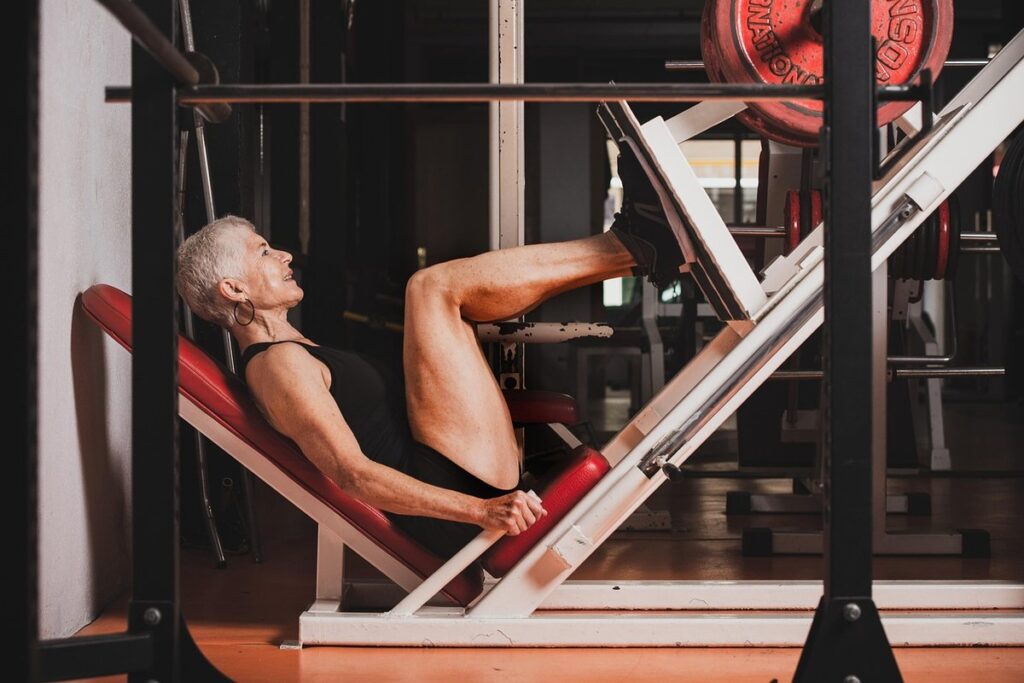
Resistance training helps to slow down age-related muscle loss, also known as sarcopenia. This can be achieved through a variety of exercises, including weightlifting, bodyweight exercises, and resistance band workouts. For example, squats, lunges, and leg press are all effective for strengthening the legs, while bench presses and rows target the upper body.
A sample workout routine might include three sets of 10-12 repetitions per exercise, two to three times a week. Here’s an example:
* Monday: Squats (3 sets of 10 reps), lunges (3 sets of 10 reps), chest press (3 sets of 10 reps)
* Wednesday: Leg press (3 sets of 10 reps), rows (3 sets of 10 reps), shoulder press (3 sets of 10 reps)
* Friday: Deadlifts (3 sets of 10 reps), bicep curls (3 sets of 10 reps), tricep extensions (3 sets of 10 reps)
Remember to start slowly and gradually increase the intensity as you become more comfortable with the exercises. It’s also essential to incorporate rest days and stretching exercises into your routine to avoid injury and promote recovery.
Aerobic Exercise and High-Intensity Interval Training (HIIT)
As we focus on building senior strength, it’s essential to incorporate aerobic exercise into our routine. Regular aerobic activity plays a significant role in maintaining cardiovascular health, which is crucial for older adults. Aerobic exercises, such as brisk walking, cycling, or swimming, help lower blood pressure, improve circulation, and increase oxygen supply to the body.
High-Intensity Interval Training (HIIT) offers an effective way to boost aerobic exercise benefits while adapting to senior fitness levels. HIIT involves short bursts of high-intensity exercise followed by brief periods of rest. This type of training can be modified to suit individual needs, making it a great option for seniors who may have mobility limitations.
For instance, a 20-second brisk walk followed by 40 seconds of gentle stretching is an example of HIIT adapted for older adults. By incorporating such high-intensity intervals into their routine, seniors can improve cardiovascular health while minimizing the risk of overexertion. This adaptable approach makes it easy to get started with HIIT and make it a sustainable part of your fitness journey.
When implementing HIIT in your senior strength training program, consider consulting with a healthcare professional or certified trainer to ensure proper modifications and avoid any potential risks.
Flexibility and Balance Exercises
As we age, our flexibility and balance can become compromised due to reduced muscle mass, joint stiffness, and changes in proprioception (our body’s ability to sense its position and movement). However, incorporating simple exercises into daily routines can significantly enhance senior strength and reduce the risk of falls.
One way to improve flexibility is through static stretches. Stand with your feet shoulder-width apart and slowly lean forward at the hips, keeping your knees straight. Hold for 10-15 seconds and repeat 2-3 times a day. You can also stretch while seated or lying down, focusing on major muscle groups like hamstrings, hip flexors, and lower back.
Balance exercises are equally essential. Stand on one foot, holding onto a stable object if necessary, and focus on maintaining equilibrium for 10-15 seconds at a time. Progress to single-leg squats, heel-to-toe walks, or even Tai Chi movements, which can help improve balance and reduce fall risk.
Incorporate these exercises into your daily routine, such as while watching TV or waiting in line, to make them feel less burdensome and more manageable.
Lifestyle Modifications to Support Senior Strength
To maintain and build senior strength, making lifestyle modifications is crucial. Simple changes to your daily routine can have a significant impact on overall health and well-being in older adults.
Sleep Hygiene and Recovery
Getting adequate sleep is crucial for muscle recovery and overall health as we age. When we sleep, our bodies repair and rebuild damaged tissues, including muscles. This process is essential for maintaining strength and functionality, especially after physical activity or injury. Research has shown that older adults who get sufficient sleep tend to perform better in daily activities and have a lower risk of falls.
To improve sleep quality, start by establishing a consistent sleep schedule. Aim for 7-9 hours of sleep each night and stick to it, even on weekends. Create a relaxing bedtime routine, such as reading a book or taking a warm bath, to signal your body that it’s time to sleep. Make sure your sleeping environment is dark, quiet, and cool.
Consider practicing relaxation techniques, like deep breathing or meditation, to help clear your mind before bed. Avoid caffeine, nicotine, and electronic screens for at least an hour before bedtime, as they can interfere with sleep. By prioritizing sleep hygiene, you’ll be better equipped to support your senior strength goals and overall well-being.
Stress Management Techniques
As we age, chronic stress can have a significant impact on our physical strength and resilience. Prolonged stress releases cortisol, a hormone that breaks down muscle mass and bone density, making it even more challenging to maintain senior strength. This is why incorporating stress-reducing activities into your daily routine is crucial.
Meditation and yoga are two highly effective techniques to mitigate the negative effects of chronic stress on senior strength. Meditation involves focusing your mind on a specific thought or activity, helping to quiet the mind and reduce anxiety. Even just 10-15 minutes of meditation per day can have a significant impact on reducing cortisol levels and improving sleep quality.
Yoga is another excellent option for managing stress. This practice combines physical movement with deep breathing techniques, promoting relaxation and flexibility. As we age, our flexibility often decreases, making yoga an ideal way to maintain range of motion while reducing muscle tension. Regular yoga practice can also improve balance and coordination, reducing the risk of falls.
Consider incorporating these activities into your daily routine: start with short meditation sessions or beginner-friendly yoga poses and gradually increase duration and intensity as you become more comfortable. Find a local class or online resource that suits your needs and preferences. With regular practice, you’ll be better equipped to manage stress and maintain senior strength.
Social Engagement and Community Support
Social connections and community support play a vital role in promoting overall well-being and senior strength. As we age, our social circles often shrink, leading to feelings of loneliness and isolation. However, this is a critical period for building and maintaining strong relationships with others.
Research has shown that seniors who engage in regular social activities are more likely to maintain their physical function and cognitive health. For example, a study published in the Journal of Gerontology found that older adults who participated in group exercise programs experienced improved mobility and reduced risk of falls compared to those who exercised alone.
To build resilience and functionality through social engagement, consider joining a local senior center or community organization. Many offer classes, workshops, and events tailored specifically for seniors, such as cooking classes, art groups, and volunteer opportunities. You can also try online platforms that connect seniors with peers worldwide.
Prioritize face-to-face interactions over digital communication whenever possible. Visit friends and family regularly, and make an effort to stay in touch with loved ones who live far away. By nurturing your social connections, you’ll not only improve your mental and physical health but also build a support network that will help you navigate life’s challenges with greater ease.
Case Studies and Success Stories
We’ve seen firsthand how senior strength training can transform lives, which is why we’re excited to share some remarkable examples of resilience and functionality in older adults. Let’s take a look at their inspiring stories.
Real-Life Examples of Senior Strength Gains
Meet Margaret, an 82-year-old who was struggling to walk her granddaughter home from school due to knee pain. After starting a regular strength training program with a focus on lower body exercises, she noticed significant improvements in just a few months. Her pain decreased, and she could now walk farther without getting tired.
John, a 65-year-old retired accountant, achieved remarkable gains in his overall strength through nutrition modifications. By incorporating more protein-rich foods into his diet and staying hydrated, he was able to lift heavier weights at the gym and perform daily tasks with ease.
These inspiring stories demonstrate the power of senior strength training. Research shows that even small increases in muscle mass can lead to significant improvements in mobility, balance, and overall functionality. To achieve similar results, consider incorporating exercises like squats, lunges, and leg press into your routine, as well as prioritizing protein-rich foods and adequate hydration.
Lessons Learned from Research and Practice
Research has shown that incorporating strength training into exercise routines can significantly improve overall health and functionality in older adults. A study published in the Journal of Gerontology found that participants who engaged in resistance exercises experienced a 25% increase in muscle mass, leading to improved mobility and reduced risk of falls.
Incorporating functional movements, such as squats and lunges, into strength training routines is essential for promoting senior strength. These exercises not only build muscular endurance but also improve balance and coordination, reducing the likelihood of injuries. For example, a study published in the Journal of Aging Research found that participants who performed functional exercises showed significant improvements in walking speed and reduced risk of falls.
When implementing strength training programs for seniors, it’s essential to focus on slow and controlled movements, allowing individuals to maintain proper form and engage their core muscles effectively. Additionally, incorporating exercises that target multiple muscle groups at once can be beneficial, as it allows for efficient use of time and energy.
Conclusion: Empowering Seniors to Maintain Strength and Independence
As we conclude our exploration of senior strength, it’s essential to emphasize that maintaining physical resilience is crucial for older adults to live independently. By incorporating simple exercises into their daily routines, seniors can significantly improve their functional ability and mobility. For instance, practicing tai chi or yoga can enhance balance and flexibility, while weight-bearing activities like walking or swimming can strengthen bones and muscles. Most importantly, empowering seniors with the knowledge and tools they need to take control of their strength will allow them to maintain their independence for years to come. By making small yet significant changes to their lifestyle, older adults can confidently navigate life’s challenges and continue living life on their own terms.
Frequently Asked Questions
How can I tailor a senior strength program to my loved one’s needs?
Considering your family member’s specific health conditions, age, and mobility level is crucial when creating a senior strength program. Consult with their healthcare provider to identify any contraindications for exercise or nutrition recommendations. Then, work with a fitness professional or caregiver to develop a personalized plan that incorporates exercises from the main article, such as flexibility and balance exercises, along with modifications for their unique needs.
What are some common challenges I might face when implementing senior strength strategies in my care routine?
Common challenges include managing chronic pain, limited mobility, or cognitive decline. To overcome these obstacles, start with small, achievable goals and gradually progress to more challenging exercises. Incorporate assistive devices or technology, like balance trainers or wearable fitness trackers, to support independence and motivation.
How can I prioritize senior strength in my daily routine when caring for someone else?
Prioritizing your own self-care is essential when caregiving. Schedule time for exercise, such as short walks or chair yoga, and engage in activities that promote social connection and stress relief, like meditation or group fitness classes. By modeling healthy habits yourself, you’ll be better equipped to support your loved one’s senior strength goals.
What are some signs that my loved one may need additional support with maintaining senior strength?
Look out for changes in their ability to perform daily activities, such as bathing, dressing, or managing medications. Notice any decline in balance, gait speed, or overall physical function. If you observe these warning signs, consult with a healthcare professional for guidance on next steps and referrals for specialized care.
Can I start exercising at home without consulting a fitness professional?
Yes, many exercises from the main article can be modified to accommodate home environments. However, it’s essential to ensure your loved one is exercising safely and effectively. Consult with a healthcare provider or fitness professional before starting any new exercise program, especially if they have underlying medical conditions or concerns. They can help you identify potential risks and develop a safe, effective plan for home-based exercises.