
Are you tired of feeling stuck in your fitness journey? Do you dream of having more energy, confidence, and a leaner physique? Improving your fitness is not just about looking good, it’s also essential for maintaining overall health and well-being. However, with so much conflicting information available, it can be overwhelming to know where to start.
In this article, we’ll take the guesswork out of improving your fitness by providing you with a proven step-by-step guide. We’ll cover setting realistic goals that are tailored to your needs, understanding the science behind exercise and nutrition, and creating an effective workout routine that gets results. Whether you’re a beginner or looking to take your fitness to the next level, this article will give you the tools and knowledge needed to achieve your goals and start seeing real progress in just a few short weeks.
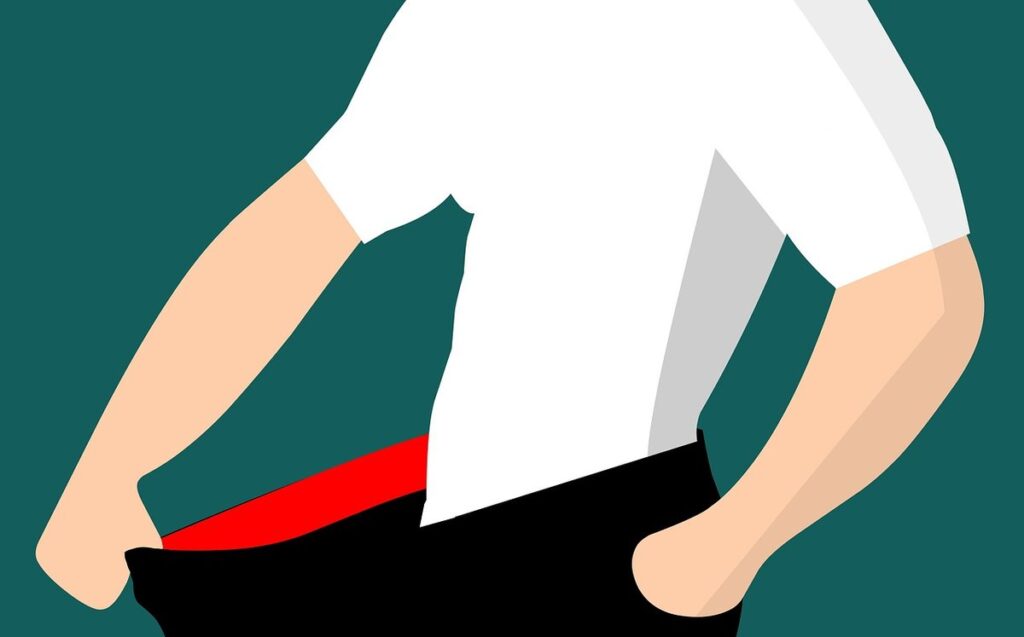
Setting Realistic Goals and Motivation
Setting realistic goals is crucial when trying to improve your fitness, as it helps you stay motivated and track progress along the way. This is where setting achievable milestones comes in.
Understanding Your Why: Identifying Your Motivation
When it comes to improving your fitness, setting clear goals is just half the battle. The other crucial factor is understanding why you want to achieve those goals in the first place. This is often referred to as your “why.” Your motivation is what drives you to keep pushing yourself towards your objectives, even when the going gets tough.
So, how do you identify your why? Start by asking yourself some questions: What makes me unhappy about my current fitness level? Is it feeling sluggish and tired all the time, or being self-conscious about my body? Am I struggling with a chronic health condition that’s exacerbated by my weight or lack of exercise? By acknowledging what’s driving your desire to improve your fitness, you can tap into a deeper sense of motivation.
For example, if you’re motivated by a desire to participate in activities with family and friends without getting winded easily, that can be a powerful motivator. Or, if you want to look good for a wedding or special event, you can use that as a tangible goal to work towards. The key is to make your motivation personal and relevant to your own life.
Assessing Your Current Level: Fitness Self-Assessment Tools
When it comes to improving your fitness, understanding your current level of physical fitness is crucial. This is where self-assessment tools come into play. By tracking your progress and using various assessment methods, you’ll be able to set realistic goals and create a personalized workout plan.
Start by considering the following aspects: cardiovascular endurance, muscular strength and endurance, flexibility, and body composition. You can use online fitness assessment tools or mobile apps that provide detailed evaluations of these areas. For instance, a 1-mile walk test or a push-up test can give you an idea of your current level of cardiovascular fitness.
Another effective method is to use the American Council on Exercise (ACE) Functional Movement Screen (FMS), which assesses seven fundamental movements. This will help identify potential imbalances and weaknesses in your body mechanics. By taking these initial steps, you’ll have a solid foundation for creating achievable goals and designing a workout routine tailored to your specific needs.
Keep in mind that fitness assessments should be done periodically to track progress and make adjustments as needed. Regular self-assessment allows for continuous improvement and ensures you’re working towards a healthy, well-rounded fitness level.
Understanding the Fundamentals of Exercise Science
To truly optimize your fitness routine, it’s essential to grasp the basics of exercise science. Let’s dive into the fundamental principles that underlie physical activity and health.
The Three Components of Fitness: Cardiovascular Endurance, Muscular Strength, and Flexibility
When it comes to improving your fitness, it’s essential to understand that there are three main components of fitness: cardiovascular endurance, muscular strength, and flexibility. These components work together to help you perform daily tasks with ease, maintain a healthy weight, and reduce the risk of chronic diseases.
Cardiovascular endurance refers to the ability of your heart and lungs to transport oxygen to your muscles during physical activity. Regular cardio exercises, such as brisk walking or running, can improve cardiovascular endurance by strengthening the heart and increasing lung function. For example, studies have shown that regular aerobic exercise can reduce the risk of heart disease by up to 30%.
Muscular strength refers to the ability of your muscles to exert force against resistance. Building muscular strength through exercises like weightlifting or bodyweight exercises can help you perform daily tasks with more efficiency and confidence. For instance, having strong legs can make climbing stairs a breeze.
Flexibility is another essential component of fitness that allows for a full range of motion in the joints. Regular stretching exercises can improve flexibility by increasing blood flow to the muscles and tendons. This can reduce the risk of injuries and make daily activities like bending or lifting easier. To incorporate these components into your exercise routine, start with 20-30 minutes of cardio per day, two to three times a week, and include strength training exercises at least twice a week. Remember to also schedule time for stretching and flexibility exercises to maintain overall fitness and well-being.
Introduction to Periodization: Training Cycles and Progression
When it comes to improving your fitness, having a structured training plan is essential for achieving your goals. One effective way to create a well-planned workout schedule is through periodization, a training approach that involves breaking down your routine into distinct cycles or phases.
Periodization allows you to alternate between periods of intense training and periods of recovery, which helps prevent plateaus and promotes progressive overload – the gradual increase in weight or resistance used during exercise. By varying your training intensity and volume over time, you can continue making gains without getting stuck at a certain level.
To implement periodization effectively, start by dividing your year into specific training cycles, such as a hypertrophy phase (focus on muscle growth) followed by a strength phase (emphasize building raw power). Within each cycle, include different types of workouts – e.g., high-intensity interval training for cardio and strength-building exercises like squats or deadlifts. By carefully planning your training schedule and incorporating progressive overload, you can avoid plateaus and make steady progress towards your fitness goals.
Creating an Effective Workout Routine
Now that you have a solid understanding of your fitness goals, let’s dive into creating a workout routine tailored to your needs and preferences. This will involve setting realistic objectives and structuring a plan for success.
Principles of Progressive Overload: How to Make Your Workouts More Challenging
To build strength and muscle mass, you need to challenge your muscles beyond their current capabilities. This is where progressive overload comes into play. It’s a principle that allows you to continue making progress without plateauing. By gradually increasing the weight or resistance you’re lifting over time, you can push your body to work harder.
This concept applies not only to weights but also to other forms of exercise like bodyweight exercises and resistance band training. For instance, if you’re doing squats with 100 pounds for several weeks without any increase in strength, it’s likely that your muscles have adapted to this load. To overcome this plateau, try adding 5-10 pounds to your squat within a week or two.
Key is to keep track of your progress and adjust the weights accordingly. This can be done by monitoring your one-rep max (the maximum weight you can lift for one rep), as well as taking note of how many reps you’re able to complete with a given weight. By paying attention to these metrics, you’ll be better equipped to make informed decisions about when and how to increase the challenge level of your workouts.
Progressive overload is essential in achieving continuous growth and avoiding stagnation in your fitness journey. By incorporating this principle into your routine, you can take your workouts to the next level and continue making progress toward your fitness goals.
An Introduction to Resistance Training: Choosing the Right Exercises
Resistance training is an essential component of any effective workout routine. It’s designed to help you build strength and muscle mass by working against a weight or resistance. When selecting exercises for resistance training, it’s crucial to target specific muscle groups.
Start with the basics: focus on exercises that work multiple muscle groups at once, such as squats, deadlifts, bench press, and rows. These compound exercises will help you build overall strength and muscle mass efficiently. For example, a squat targets your quadriceps, hamstrings, glutes, and core muscles.
In addition to compound exercises, also incorporate isolation exercises that target specific muscles. Examples include bicep curls for the biceps, tricep extensions for the triceps, and lateral raises for the deltoids.
To create an effective resistance training routine, it’s essential to consider your fitness goals. Are you looking to build overall muscle mass or focus on a particular area of your body? A balanced routine should include exercises that work all major muscle groups.
Nutrition for Fitness: Fueling Your Body
When it comes to fueling your body for optimal performance, nutrition plays a crucial role. A well-planned diet can make all the difference in achieving your fitness goals.
Macronutrient Balance: The Importance of Carbohydrates, Protein, and Fat
When it comes to fueling your body for optimal fitness performance, macronutrient balance is crucial. Carbohydrates, protein, and fat are the three main macronutrients that provide energy for workouts and support recovery.
Carbohydrates, specifically complex carbs like whole grains, fruits, and vegetables, should make up 55-65% of your daily calorie intake. They serve as the primary source of fuel for high-intensity workouts, such as sprints or strength training. For example, a marathon runner may need to consume more carbohydrates during the week leading up to their event to ensure they have sufficient glycogen stores.
Protein is essential for muscle growth and repair, particularly after intense exercise. Aim for 15-20% of your daily calories from protein sources like lean meats, fish, eggs, dairy, or plant-based alternatives. For instance, a bodybuilder may consume an additional 1-2 scoops of whey protein within 30 minutes post-workout to support muscle recovery.
Fat, which should comprise 20-35% of your daily calorie intake, provides sustained energy and supports hormone production. Include sources like nuts, seeds, avocados, or olive oil in your diet. For example, a triathlete may use medium-chain triglyceride (MCT) oil as a performance-enhancing supplement to delay fatigue.
To achieve optimal macronutrient balance, consider tracking your daily nutrient intake using an app or spreadsheet. This will help you identify areas for improvement and adjust your diet accordingly. Remember, everyone’s nutritional needs are unique, so consult with a registered dietitian or healthcare professional for personalized guidance.
Hydration and Electrolytes: How to Optimize Water Intake
Proper hydration and electrolyte balance are crucial for optimal performance during exercise. When you sweat, you lose not only water but also essential electrolytes like sodium, potassium, and magnesium. These electrolytes help regulate muscle contractions, nerve function, and hydration levels. If they become imbalanced, it can lead to fatigue, cramping, and decreased endurance.
Adequate hydration is just as important. The American College of Sports Medicine recommends drinking 17-20 ounces of water 2-3 hours before exercise, with an additional 7-10 ounces every 10-15 minutes during activity. However, individual needs may vary depending on climate, intensity, and duration of exercise.
To optimize your hydration, aim to drink half an ounce of water per pound of body weight daily. For example, if you weigh 150 pounds, strive for 75 ounces of water intake. Monitor your urine output – pale yellow or clear urine indicates proper hydration. Additionally, consume electrolyte-rich foods like bananas (potassium), avocados (potassium), and nuts (magnesium). If needed, use an electrolyte supplement or sports drink to replenish lost salts during intense or long-duration activities. By paying attention to your body’s needs and making these simple adjustments, you can optimize your hydration and electrolyte balance for peak performance.
Injury Prevention and Recovery Strategies
When it comes to achieving and maintaining your fitness goals, preventing injuries and recovering properly is just as important as exercising regularly. We’ll explore proven strategies for both in this next section.
Common Injuries in Fitness: Prevention and Management Tips
When engaging in regular exercise, it’s not uncommon to experience injuries. The good news is that many of these can be prevented with proper technique and training. Some common injuries include tendonitis, muscle strains, and overuse syndromes like shin splints.
Prevention strategies are key. Start by warming up properly before each workout, including dynamic stretching to loosen your muscles. Incorporate exercises that strengthen your core and improve balance. Listen to your body – if you’re feeling fatigued or experiencing pain, take a rest day or modify the exercise to reduce impact.
Proper footwear is also crucial for high-impact activities like running or jumping. Make sure to invest in shoes designed for your specific sport or activity, as they can help absorb shock and provide support.
When an injury does occur, management techniques are essential for recovery. RICE (rest, ice, compression, elevation) is a simple yet effective protocol to follow in the first 48 hours after injury. Consider consulting a medical professional for further guidance on rehabilitation exercises and stretches tailored to your specific needs.
Active Recovery Techniques: Foam Rolling, Stretching, and More
Active recovery techniques are an essential component of any fitness routine. When done consistently, these methods can significantly reduce muscle soreness, improve flexibility, and enhance overall performance. One popular active recovery technique is foam rolling. This involves using a foam roller to apply pressure on specific areas of the body, such as the IT band or quadriceps. By doing so, you’re helping to break up adhesions in the muscles and connective tissue.
Stretching is another crucial aspect of active recovery. Regular stretching can improve flexibility by increasing range of motion and reducing muscle tension. Focus on static stretches that hold the muscle in a lengthened position for 15-30 seconds. For example, after a run or bike ride, take a few minutes to stretch your hamstrings, quadriceps, and hip flexors.
Self-myofascial release is also an effective active recovery technique. This involves using tools such as lacrosse balls or tennis balls to apply pressure on specific areas of the body. By releasing tension in the fascia, you’re helping to improve blood flow and reduce muscle soreness.
It’s essential to incorporate these techniques into your routine 1-2 times a week, either immediately after exercise or at the end of the day. For example, roll out your IT band for 5 minutes before bed to wake up feeling fresher and more prepared for your next workout.
Advanced Training Methods for Enhanced Results
If you’re ready to take your fitness game to the next level, we’ll dive into advanced training methods that can help you achieve enhanced results faster than ever before.
High-Intensity Interval Training (HIIT): The Benefits of Short-Burst Workouts
High-intensity interval training (HIIT) has taken the fitness world by storm, and for good reason. By incorporating short-burst workouts into your routine, you can experience a significant boost in caloric burn and cardiovascular endurance.
During HIIT workouts, you’ll alternate between intense bursts of exercise and brief periods of rest or low-intensity activity. For example, sprinting at maximum effort for 30 seconds followed by 30 seconds of walking or jogging. This type of training has been shown to be just as effective, if not more so, than traditional steady-state cardio in improving cardiovascular fitness.
One of the primary benefits of HIIT is its ability to increase excess post-exercise oxygen consumption (EPOC), also known as afterburn. This means that your body continues to burn calories at an elevated rate even after you’ve finished exercising, making it an effective way to shed pounds and maintain weight loss. Research has also demonstrated that HIIT can improve insulin sensitivity and reduce inflammation, both of which are crucial for overall health and fitness.
To get started with HIIT, choose a high-intensity activity like burpees, jump squats, or mountain climbers, and perform 3-5 sets of 15-30 seconds, followed by 1-2 minutes of rest. As you progress, increase the duration and intensity of your workouts to continue challenging yourself and reaping the benefits of HIIT.
Mind-Muscle Connection: How to Engage Your Muscles More Effectively
Proper muscle engagement is crucial for effective training and achieving optimal results. When you focus on engaging specific muscles during exercises, you can ensure that you’re targeting the right areas of your body and making the most out of each workout session. This concept is often referred to as the mind-muscle connection.
To improve your mind-muscle connection, start by paying attention to how you’re performing exercises. Notice which muscles are actively contracting during each movement, and focus on engaging those specific muscles more intensely. For instance, when doing a bicep curl, concentrate on squeezing your biceps at the top of the movement, rather than just lifting the weight.
Here are some tips to help you enhance your mind-muscle connection:
* Practice slower and more controlled movements during exercises
* Focus on contracting specific muscle groups throughout each repetition
* Use visualization techniques to mentally engage with your muscles as you work out
By implementing these strategies, you’ll be able to better connect your brain with your muscles, leading to more effective training sessions and improved fitness results.
Staying Motivated and Overcoming Plateaus
We all hit bumps on our fitness journey, but don’t worry, we’ve got strategies to help you stay motivated and push past those pesky plateaus. Let’s dive into some game-changing tips!
Building a Support Network: Joining Fitness Communities or Working with a Coach
Having a support network is one of the most effective ways to stay motivated and overcome plateaus. When you surround yourself with like-minded individuals who share your fitness goals, you’re more likely to hold yourself accountable and push through challenging times.
Joining a fitness community or working with a coach can provide a sense of belonging and motivation that’s hard to find on your own. Online forums, social media groups, and local gyms often host group classes or workshops where you can connect with others who share your interests. For example, apps like Strava and Nike Training Club allow you to connect with fellow runners or athletes, track your progress, and join challenges.
When selecting a community or coach, look for someone who understands your specific needs and goals. A good support network should provide guidance, motivation, and accountability – not just a pat on the back. With the right people behind you, you’ll be more likely to stay on track with your fitness journey, even when things get tough.
Strategies for Breaking Through Plateaus: Shaking Up Your Routine
Breaking through plateaus requires more than just sticking to your routine. It’s time to shake things up and challenge yourself in new ways. When you’re feeling stagnant, it’s easy to fall into a rut and do the same exercises over and over again.
To combat this, try varying your workout routine by incorporating different types of exercise. For instance, if you typically focus on strength training, switch to high-intensity interval training (HIIT) for a few weeks. This type of workout involves short bursts of intense exercise followed by brief periods of rest. Not only is it an effective way to burn calories and improve cardiovascular health, but it’s also low-impact, making it easier on your joints.
Another strategy is to introduce new exercises that target specific muscle groups or challenge your coordination and balance. For example, try mastering a challenging yoga pose like headstands or crow poses, or incorporate activities like rock climbing, parkour, or trampolining into your routine.
Remember, consistency is key, but so is progression. By mixing up your workout routine and introducing new challenges, you’ll keep your body guessing and prevent plateaus from setting in.
Frequently Asked Questions
Can I still improve my fitness if I have a busy schedule?
Yes, it’s possible to make progress with just a few minutes of exercise each day. Focus on incorporating short, high-intensity workouts into your daily routine, such as bodyweight exercises or HIIT sessions, which can be completed in under 30 minutes.
How do I balance my macronutrient intake for optimal results?
To achieve the right balance, focus on consuming complex carbohydrates (45-55% of daily calories), moderate amounts of protein (15-20%), and healthy fats (20-25%). Adjust these ratios based on your specific fitness goals, such as increasing muscle mass or enhancing endurance.
What if I experience a plateau in my progress – what can I do to break through?
Plateaus often occur due to mental burnout or inadequate training variation. To overcome this, try introducing new exercises or training styles, like periodized workouts or circuit training, and pay attention to your nutrition plan – adjusting calorie intake or macronutrient ratios may also be necessary.
Can I combine different types of exercise for a more well-rounded fitness routine?
Yes, incorporating multiple forms of exercise, such as strength training, cardio, and flexibility exercises, is crucial for achieving overall fitness. For example, you can alternate between days of high-intensity interval training and weightlifting to ensure balanced development of cardiovascular endurance and muscular strength.
How important is recovery in my fitness journey – what strategies should I focus on?
Recovery is just as crucial as exercise itself. Prioritize active recovery techniques like foam rolling, stretching, and self-myofascial release to reduce muscle soreness and improve flexibility. Additionally, ensure adequate sleep (7-9 hours) and nutrition (proper hydration and balanced meals) to support muscle repair and growth.