
As we age, our physical health often gets more attention than our mental well-being. But the truth is, mental health issues can affect anyone at any age, including seniors. In fact, millions of older adults struggle with anxiety, depression, and other mental health concerns that can impact their quality of life. This is a topic that’s close to home for many of us, as we watch our loved ones navigate these challenges. But what exactly are the common mental health issues affecting elderly individuals? What are the root causes, and how can we support them in maintaining better mental well-being? In this article, we’ll delve into the prevalence of mental health issues among seniors, explore innovative solutions, and discuss ways to promote a healthier mind as we age.
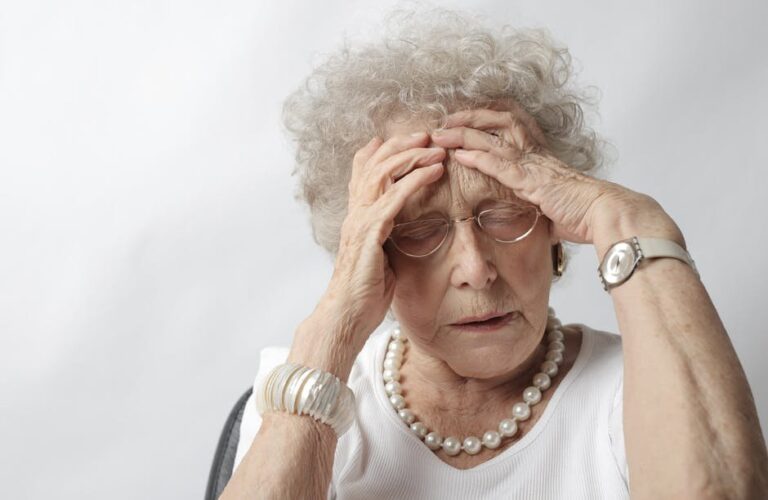
The Prevalence of Mental Health Issues Among the Elderly
Mental health issues among the elderly are more common than you might think, and understanding their prevalence is a crucial step towards addressing this growing concern.
A staggering number of older adults struggle with anxiety, depression, and other mental health conditions each year.
Demographic Shifts and Their Impact on Mental Health
The world is experiencing significant demographic shifts that are having a profound impact on mental health among the elderly. One of the most notable trends is the aging population. According to the United Nations, the number of people aged 60 and above is projected to reach 2 billion by 2050, up from 962 million in 2017. This shift has significant implications for mental health services, with a greater demand on resources and support systems.
Increased life expectancy is another demographic trend contributing to elderly mental health issues. While longer lifespans are often seen as a success story, they can also lead to increased rates of age-related disorders such as dementia, depression, and anxiety. In fact, studies have shown that older adults with chronic conditions, such as diabetes or heart disease, are more likely to experience mental health issues.
These demographic shifts require tailored approaches to address the unique needs of the elderly population. This may involve adapting existing support systems, developing new resources, and promoting age-friendly environments. By understanding these demographic trends and their impact on mental health, we can work towards creating more effective solutions for this vulnerable group.
The Role of Socioeconomic Factors in Elderly Mental Health
Socioeconomic factors play a significant role in elderly mental health, exacerbating existing issues and creating new challenges. Poverty, for instance, can lead to financial stress, anxiety, and depression. Without adequate resources, older adults may struggle to afford basic necessities, let alone access healthcare services.
Lack of social support is another critical factor. Social isolation can occur when family members or friends move away, leaving elderly individuals without a support network. This can worsen mental health conditions like depression and anxiety. Conversely, strong social connections have been shown to improve cognitive function, reduce stress, and promote overall well-being.
Access to healthcare also affects elderly mental health. Limited financial resources may prevent older adults from seeking medical attention for mental health issues or adhering to treatment plans. Healthcare providers must consider socioeconomic factors when treating elderly patients, taking into account their living situations, financial constraints, and access to support services. By acknowledging these challenges, we can better address the complex needs of our aging population.
To mitigate the effects of socioeconomic factors on elderly mental health, it’s essential to provide targeted support and resources. This might include home-based care programs, transportation assistance, and affordable housing initiatives.
Common Mental Health Issues Among the Elderly
As you read on, we’ll explore some of the most common mental health issues affecting elderly individuals, from depression to anxiety and more. These conditions can have a significant impact on daily life.
Depression: A Major Concern for Seniors
Depression is a major concern for seniors, affecting millions worldwide. As people age, they may experience loss of loved ones, declining health, and social isolation, which can lead to feelings of sadness, hopelessness, and disconnection from others. The prevalence of depression among the elderly is alarming, with studies showing that up to 15% of seniors over 65 experience depression.
Recognizing the symptoms of depression in seniors is crucial. These may include persistent feelings of sadness or emptiness, loss of interest in activities they once enjoyed, changes in appetite or sleep patterns, and difficulty concentrating or making decisions. In some cases, seniors may become withdrawn or isolated, further exacerbating their mental health issues.
The causes of depression among the elderly are multifaceted, including physical health problems, social isolation, and a lack of purpose or meaning. Treatment options for depression in seniors often involve medication, therapy, and lifestyle changes. Healthcare providers can work with seniors to develop coping strategies, improve sleep habits, and encourage regular exercise and social engagement. By seeking professional help and support, seniors can learn to manage their symptoms and improve their overall well-being.
Anxiety Disorders in Older Adults
Anxiety Disorders are Common Among Older Adults
As people age, they may experience various mental health challenges. One often-overlooked issue is anxiety disorders, which can affect older adults just as much as younger populations. According to the Anxiety and Depression Association of America (ADAA), approximately 6% of individuals aged 65 and above experience generalized anxiety disorder (GAD), while panic disorder affects around 3%. Phobias are also common among this age group.
Anxiety disorders in older adults can stem from various factors, including chronic illness, loss of a loved one, or feelings of loneliness. For instance, an elderly person may develop GAD due to the pressure of managing complex medications, maintaining independence, and coping with social isolation.
Fortunately, effective treatment strategies are available for anxiety disorders among older adults. Cognitive-behavioral therapy (CBT) is often recommended as it helps individuals reframe their thoughts and behaviors. Medications such as selective serotonin reuptake inhibitors (SSRIs) can also alleviate symptoms. Encouraging open communication with healthcare providers, caregivers, or support groups is crucial in managing anxiety disorders among the elderly.
If you suspect that an older adult in your life is experiencing anxiety, consider these signs: restlessness, irritability, difficulty sleeping, and physical complaints such as headaches or muscle tension. By recognizing these symptoms early on, you can help them seek professional assistance and find effective coping mechanisms.
Factors Contributing to Mental Health Issues Among Seniors
As we explore the complexities of elderly mental health, it’s essential to understand the various factors that contribute to these issues, such as social isolation and medical conditions.
The Impact of Chronic Illness on Elderly Mental Health
Chronic illnesses are a significant concern for seniors, not only affecting their physical health but also taking a toll on their mental well-being. Conditions like diabetes, heart disease, and arthritis can lead to feelings of frustration, anxiety, and depression.
Studies have shown that individuals with chronic conditions are more likely to experience cognitive decline, memory loss, and mood disorders. For instance, research suggests that people with diabetes are at higher risk of developing depression and anxiety due to the constant management of their condition. Similarly, those living with heart disease may feel overwhelmed by the fear of another heart attack or stroke.
Arthritis, on the other hand, can lead to feelings of isolation and loneliness as seniors become increasingly dependent on others for daily tasks. This loss of independence can be particularly challenging for seniors who value self-sufficiency. To mitigate these effects, caregivers should encourage seniors with chronic illnesses to engage in regular physical activity, socialize with friends and family, and prioritize stress management techniques like meditation or deep breathing exercises. By doing so, we can help seniors with chronic illnesses maintain their mental health and overall quality of life.
The Role of Medications in Elderly Mental Health
When it comes to managing chronic conditions and alleviating symptoms, medications are often prescribed for older adults. However, the impact of these medications on mental health is a concerning issue that cannot be overlooked. Painkillers, sedatives, and antihistamines are some common examples of medications that can have a significant effect on elderly mental health.
Painkillers, particularly opioids, can lead to depression, anxiety, and cognitive impairment in seniors. A study published in the Journal of Clinical Psychopharmacology found that long-term opioid use was associated with increased risk of depression and suicidal thoughts among older adults. Similarly, sedatives can cause dependence, confusion, and memory loss, further exacerbating mental health issues.
To mitigate these risks, it’s essential for healthcare providers to carefully weigh the benefits of medication against potential side effects. Patients and caregivers should also be informed about the potential impact of medications on their mental health. For instance, patients prescribed painkillers can explore alternative pain management strategies like physical therapy or cognitive-behavioral therapy. By taking a holistic approach to care, we can reduce the likelihood of medication-induced mental health problems in older adults.
Strategies for Improving Elderly Mental Health
To effectively improve elderly mental health, consider implementing a few key strategies that cater to their unique needs and circumstances. Let’s explore some practical approaches together.
Promoting Social Engagement and Community Involvement
Social connections play a vital role in maintaining good mental health among seniors. As people age, they often experience social isolation due to retirement, loss of a spouse, or decreased mobility. This can lead to feelings of loneliness, depression, and anxiety.
To combat these effects, it’s essential to promote social engagement and community involvement. Community programs and activities are excellent ways for seniors to connect with others who share similar interests. For instance, senior centers often offer classes in arts, crafts, cooking, or fitness. These classes provide opportunities for socialization while engaging the mind and body.
Consider volunteering at a local animal shelter or participating in a neighborhood gardening project. Not only will these activities help you meet new people, but they’ll also give you a sense of purpose and accomplishment. Many organizations offer transportation services to make it easier for seniors to participate in community programs.
When seeking social engagement opportunities, start by talking to friends, family members, or healthcare providers about your interests and goals. They can often recommend local resources or connect you with people who share similar passions. By taking proactive steps to engage socially, seniors can build stronger relationships, improve their mental health, and enjoy a more fulfilling life.
The Role of Exercise and Physical Activity
Regular exercise is one of the most effective strategies for improving elderly mental health. As we age, our bodies undergo natural changes that can affect our mood and cognitive function. However, incorporating physical activity into daily life can have a profound impact on both physical and mental well-being.
Exercise has been shown to reduce stress levels in older adults by releasing endorphins, also known as “feel-good” hormones. These chemicals help alleviate symptoms of anxiety and depression, promoting a sense of calm and relaxation. For instance, a study published in the Journal of Gerontology found that regular walking reduced symptoms of depression in older adults with chronic illness.
Engaging in physical activity can also improve mood by releasing neurotransmitters such as serotonin and dopamine. This is why many elderly individuals report feeling more energized and motivated after exercising. To incorporate exercise into your daily routine, start small: take a short walk each day, do some light stretching, or try chair yoga. As you become more comfortable, gradually increase the intensity and duration of your workouts to reap maximum benefits for your mental health.
Accessing Mental Health Care Among Seniors
Accessing mental health care can be especially challenging for seniors due to various barriers, including financial constraints and lack of awareness about available resources. Let’s explore some common obstacles that come into play.
Barriers to Seeking Help and Overcoming Them
Seeking help for mental health issues can be daunting for seniors due to various barriers. One significant obstacle is stigma surrounding mental illness, which often leads to feelings of shame and embarrassment. Seniors may worry about being judged by their family, friends, or healthcare providers. As a result, they might hesitate to disclose their struggles.
Another challenge is lack of access to healthcare services. Many seniors live in rural areas with limited availability of mental health professionals. Transportation difficulties can also prevent them from visiting healthcare facilities. In some cases, they may have mobility issues or rely on others for transportation, making it hard to attend appointments.
To overcome these obstacles, it’s essential to create a supportive environment and explore alternative solutions. For instance, telemedicine platforms offer remote consultations with mental health professionals, reducing the need for physical travel. Seniors can also connect with local support groups or online communities where they can share their experiences and receive guidance from others who have faced similar challenges. By acknowledging these barriers and implementing accessible solutions, we can encourage more seniors to seek help and prioritize their mental well-being.
Innovations in Elderly Mental Health Care: Telehealth and Support Groups
Telehealth services have revolutionized the way seniors access mental healthcare. This innovative approach enables older adults to receive professional counseling and therapy from the comfort of their own homes, often via video conferencing platforms. No longer do they need to worry about transportation or scheduling appointments during peak hours.
Support groups have also become a valuable resource for seniors struggling with mental health issues. These groups provide a safe space for individuals to share their experiences, receive emotional support, and connect with others who face similar challenges. Many organizations now offer online support groups, making it easier for seniors to participate without having to leave home.
Online platforms like BetterHelp and Talkspace have made telehealth services more accessible than ever. These platforms pair users with licensed therapists who specialize in working with seniors. With just a few clicks, individuals can access expert guidance and support from the comfort of their own homes.
For those interested in joining a support group, organizations such as AARP and Alzheimer’s Association offer online resources and virtual meetings. By taking advantage of these innovative services, seniors can take control of their mental health journey and receive the support they need to thrive.
Future Directions in Elderly Mental Health Research and Policy
As we explore solutions for elderly mental health issues, it’s essential to consider the future directions of research and policy that can improve outcomes for seniors worldwide. Emerging innovations hold promise for enhancing care and support.
Addressing the Unmet Needs of Seniors with Co-Occurring Disorders
When it comes to addressing the unmet needs of seniors with co-occurring disorders, there is still much work to be done. Co-occurring disorders, such as substance use disorder and mental illness, are more prevalent among older adults than you might think. According to a study published in the Journal of Addiction Medicine, 1 in 4 seniors has a substance use disorder, and many also struggle with mental health conditions like depression or anxiety.
To better understand and address co-occurring disorders among the elderly, research is needed in several key areas. For instance, more studies are required to examine the effectiveness of integrated treatment approaches for older adults with complex mental health needs. This might involve combining substance use disorder treatment with therapy specifically tailored to address underlying mental health issues.
Healthcare providers can also play a crucial role in addressing co-occurring disorders among seniors by incorporating routine screening and assessment into their care plans. By doing so, they can identify individuals who may be struggling with both substance use and mental health problems and connect them with the necessary services. With further research and more effective treatment approaches, it’s possible to improve outcomes for older adults living with co-occurring disorders and ensure that their unique needs are met in a supportive and compassionate way.
Advocacy for Increased Funding and Resources
Advocating for increased funding and resources dedicated to elderly mental health care and research is crucial to address the growing needs of this population. The statistics are alarming: one in five older adults experience a mental health issue each year, yet many go undiagnosed or untreated due to lack of access to quality care.
We need to raise awareness about the importance of investing in elderly mental health services. This can be done by engaging with policymakers, sharing personal stories of how mental health issues have affected loved ones, and emphasizing the cost-effectiveness of early intervention and prevention strategies. For instance, a study showed that every dollar invested in depression treatment returns around $5 in reduced healthcare costs.
To create change, we must work together – individuals, organizations, and government agencies – to prioritize elderly mental health care. This involves supporting legislation and budget allocations that specifically target geriatric mental health services, as well as investing in research to develop more effective treatments and interventions for this population. By advocating for increased funding and resources, we can ensure that older adults receive the quality mental health care they deserve, leading to improved overall well-being and reduced healthcare costs.
Frequently Asked Questions
How can I support a loved one who is struggling with elderly mental health issues?
Supporting a loved one with elderly mental health issues requires empathy, understanding, and patience. Encourage open communication, validate their feelings, and help them connect with resources such as counseling or support groups. You can also offer to accompany them to appointments or help with daily tasks that may be overwhelming due to their condition.
What are some common barriers to seeking help for elderly mental health issues?
Common barriers to seeking help include stigma, lack of access to healthcare services, and inadequate insurance coverage. Additionally, older adults may feel ashamed or embarrassed about discussing their mental health concerns. Addressing these barriers requires a comprehensive approach that involves education, outreach, and community engagement.
How can telehealth and support groups benefit elderly individuals with mental health issues?
Telehealth and support groups can provide convenient access to mental health services for elderly individuals who face mobility issues or live in remote areas. These platforms allow for anonymous connections, reducing stigma and increasing feelings of comfort. Regular interactions with peers experiencing similar challenges foster a sense of community and help older adults feel less isolated.
Are there specific exercises or activities that can improve mental well-being among the elderly?
Regular physical activity is essential for maintaining mental well-being among seniors. Exercises like yoga, tai chi, or walking can reduce symptoms of anxiety and depression while promoting cognitive function. Engage in activities that bring joy and stimulate creativity, such as painting, gardening, or playing music.
How can caregivers balance their own needs with those of the elderly individual they are caring for?
Caregivers often sacrifice their own well-being to support loved ones. It’s essential to prioritize self-care by acknowledging your limitations, seeking respite when needed, and maintaining a support network. By doing so, you’ll be better equipped to provide quality care while preserving your mental health.