
The concept of what constitutes an elderly individual has undergone significant changes over the years, influenced by societal perceptions, international definitions, and demographic shifts. You may have noticed that the age at which people are considered elderly varies greatly across cultures and countries. For instance, in some societies, a person is considered elderly around 60-65 years old, while in others it’s not until they reach their late 70s or even early 80s. This discrepancy has implications for healthcare services, policy-making, and social support systems. As the global population ages, understanding what age is considered elderly becomes increasingly important. In this article, we’ll explore how societal perceptions, international definitions, and demographic shifts influence what age is considered elderly, examining the implications for healthcare, policy-making, and social services, and enabling you to understand the complexities surrounding this concept by the end of it.
Defining Elders and Aging Populations
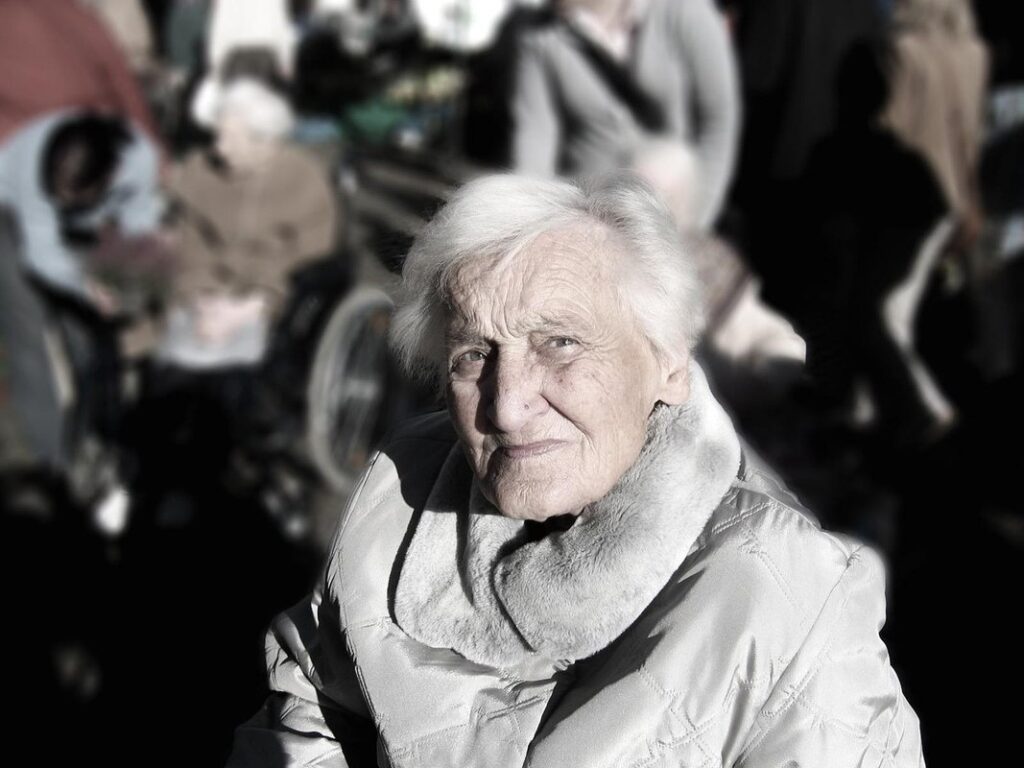
As we explore what age is considered elderly, let’s first define who these individuals are: people aged 65 and older. This demographic has unique needs and experiences that shape our understanding of aging.
The Role of Societal Perception in Determining “Elderly”
Societal perception plays a significant role in determining what age is considered elderly. This is because cultural norms and historical context can greatly influence how societies view aging. For instance, in some countries like Japan and South Korea, the elderly are highly respected and contribute significantly to society through intergenerational relationships and knowledge transfer. In contrast, in some Western cultures, the elderly may be perceived as a burden on social security systems.
The age at which someone is considered elderly also varies across different communities. For example, in many African societies, elders hold significant power and influence, often beyond their 60s or even 70s. This highlights how societal perception can affect the definition of “elderly”. Furthermore, the rapid pace of urbanization and globalization has led to changing social norms, influencing how people perceive aging.
It’s essential to recognize that these variations in societal perception are not inherently good or bad but rather reflect different cultural values and priorities. By acknowledging and respecting these differences, we can work towards creating more inclusive and supportive environments for individuals across the lifespan.
International Age-Related Definitions and Classifications
International definitions of old age vary significantly across countries and regions. The World Health Organization (WHO) defines an older adult as anyone aged 60 years or above. However, some countries use different thresholds, such as the European Union’s definition of “old” as 65 years or above for men and 63 years or above for women. In Japan, the age of 75 is considered a significant milestone.
These differences have implications for healthcare, social services, and policy-making. For instance, some countries with lower retirement ages may require more resources to support older adults in the workforce, while others may face challenges in providing adequate care and support due to insufficient infrastructure.
A notable example is Germany’s complex pension system, which includes multiple categories of old age pensions based on age, marital status, and duration of employment. This highlights the need for tailored approaches that account for diverse socioeconomic contexts and cultural norms. Understanding these international variations can inform policymakers’ decisions and help them develop more effective strategies to support aging populations worldwide.
Theories and Models of Aging: Biological, Psychological, and Social Perspectives
Aging is a complex process influenced by various biological, psychological, and social factors, each contributing to an individual’s overall health and well-being. Let’s explore how these different perspectives shape our understanding of what it means to be elderly.
Biomedical Perspective: Age-Related Decline and Disease Progression
From a biomedical perspective, age-related decline is characterized by a complex interplay between physiological systems. Chronological age is not the sole determinant of disease susceptibility and mortality rates; lifestyle factors, environmental exposures, and genetic predispositions also play critical roles. As we age, our bodies undergo changes that increase the risk of chronic diseases such as cardiovascular disease, diabetes, and osteoporosis.
Key contributors to this decline include telomere shortening, epigenetic modifications, and cellular senescence. Telomeres, the protective caps on chromosomes, shorten with each cell division, leading to premature aging and age-related disorders. Epigenetic changes, which affect gene expression without altering DNA sequences, can also contribute to disease susceptibility.
Moreover, age-related decline is not a uniform process; individuals exhibit unique physiological trajectories. For example, some people may experience accelerated telomere shortening due to lifestyle factors such as smoking or poor diet. Understanding the interplay between chronological age and biological processes can inform strategies for promoting healthy aging and reducing disease risk. This knowledge can be applied in various contexts, including personalized medicine and public health initiatives aimed at optimizing aging outcomes.
Psychosocial Theory: Cognitive, Emotional, and Social Changes with Aging
Psychosocial theory proposes that aging is a dynamic process influenced by cognitive, emotional, and social changes. As individuals age, they undergo significant cognitive development, including declines in processing speed, memory, and executive function. This can impact daily functioning, such as managing finances or maintaining a household. Emotional regulation also shifts with age, with older adults experiencing more pronounced emotional responses to stressors.
Social relationships play a critical role in well-being throughout adulthood. Older adults often experience social isolation due to decreased mobility, changes in health status, and the loss of loved ones. Research suggests that strong social connections can mitigate these effects, promoting better mental and physical health outcomes. To maintain healthy social relationships as you age, prioritize building and maintaining close friendships and family ties.
Consider investing time in activities that foster social engagement, such as volunteering or joining a community group. This can help combat loneliness and support overall well-being during the aging process. By understanding these psychosocial changes, individuals can better navigate their own aging experiences and develop strategies for maintaining cognitive function, emotional resilience, and strong social connections.
Demographic Shifts and the Changing Definition of Elderly
Demographic shifts are transforming the way we think about aging, making it essential to redefine what it means to be elderly. As populations live longer, traditional age boundaries are becoming increasingly outdated.
The Impact of Population Aging on Healthcare Systems and Resources
As countries experience a surge in population aging, healthcare systems face significant challenges. An increasing proportion of elderly individuals puts pressure on infrastructure, workforce planning, and resource allocation. In many developed nations, hospitals and care facilities are struggling to meet the demands of an aging population. The strain on resources is particularly evident in emergency departments, where older adults often require more complex treatments due to age-related comorbidities.
Healthcare systems need to adapt quickly to ensure they can provide adequate care to this growing demographic. This involves recruiting and training healthcare professionals with expertise in gerontology and palliative care. It also requires investing in technology that enables remote monitoring and telehealth services, which can help reduce hospital readmissions and improve patient outcomes.
To mitigate these challenges, governments are implementing policies aimed at supporting aging populations. These include investing in community-based care programs, expanding home healthcare services, and promoting healthy aging through public health campaigns. Effective resource allocation is critical to ensure that elderly individuals receive the necessary support without straining already overburdened systems.
Societal Adaptations to an Aging Population: Policy Implications and Interventions
Governments and communities worldwide are implementing various policy responses to address the challenges posed by aging populations. For instance, many countries have introduced age-friendly city initiatives, which aim to create inclusive environments for older adults through improved transportation systems, public spaces, and community services. These efforts promote healthy aging by enabling seniors to engage in physical activity, socialize, and access essential amenities.
Social programs also play a crucial role in supporting aging populations. Some examples include:
• Home care services that provide assistance with daily tasks
• Adult daycare centers for cognitive stimulation and social interaction
• Financial support schemes for low-income seniors
Community initiatives are another vital aspect of addressing age-related challenges. Volunteer-based programs, such as Meals on Wheels and senior transportation services, demonstrate the power of community engagement in improving the lives of older adults. Furthermore, digital inclusion initiatives aim to bridge the technology gap among seniors by offering training and access to essential online resources.
These policy implications and interventions not only improve the quality of life for aging populations but also help alleviate the economic burden on healthcare systems and social services.
Intersectionality and Diversity in Aging Experiences
As we explore what age is considered elderly, it’s essential to consider how different identities intersect and impact aging experiences, such as cultural background, socioeconomic status, and abilities. These factors can greatly influence an individual’s life trajectory and perception of aging.
The Influence of Socioeconomic Status on Health Outcomes and Life Expectancy
Socioeconomic disparities significantly impact health outcomes and life expectancy across different population groups. For instance, low-income communities often have limited access to healthcare services, including preventive care and treatment for chronic diseases. This disparity is evident in the higher rates of mortality from preventable conditions like heart disease and diabetes among lower socioeconomic populations.
In contrast, higher-income individuals are more likely to receive timely medical attention, adhere to treatment plans, and engage in healthy behaviors, such as regular exercise and balanced diets. These factors collectively contribute to their longer life expectancy.
Research highlights the importance of addressing socioeconomic disparities in healthcare policy and practice. For example, programs like Medicaid expansion have been shown to improve health outcomes for low-income populations by increasing access to healthcare services. Additionally, community-based initiatives that promote health education and provide support services can help bridge the gap between socioeconomic groups.
Ageism and its Consequences: Addressing Stereotypes and Biases
Ageism and its Consequences: Addressing Stereotypes and Biases
Ageism is a pervasive issue that affects individuals of all ages. When we stereotype people based on their age, we create an environment where older adults are excluded from opportunities, marginalized, and stigmatized. This can lead to poor health outcomes, social isolation, and reduced quality of life.
One common stereotype is that older adults are cognitively impaired or frail. However, research shows that many older adults remain mentally sharp and physically active well into their 80s and beyond. Education and awareness initiatives can help dispel these myths and promote a more nuanced understanding of aging.
To address ageism, we need to create inclusive environments where older adults feel valued and respected. This can be achieved by implementing anti-ageism policies in workplaces, communities, and healthcare systems. For example, flexible work arrangements, accessible public transportation, and age-friendly housing designs can all contribute to a more inclusive society.
By acknowledging the negative consequences of ageism and taking steps to address it, we can promote healthy aging, social inclusion, and intergenerational relationships. This requires a collective effort from individuals, organizations, and policymakers to challenge stereotypes and biases, and create a more equitable society for people of all ages.
Measuring and Monitoring Aging Populations: Statistics, Indicators, and Benchmarks
To better understand how age is defined as elderly, let’s examine some key statistics and indicators that help track population aging trends globally. We’ll explore the metrics used to measure demographic shifts.
Key Indicators of Aging: Life Expectancy, Fertility Rates, and Population Projections
Life expectancy at birth, fertility rates, and population projections are crucial indicators of aging populations. These metrics provide a glimpse into a country’s demographic landscape, informing policy decisions on healthcare resource allocation, social security, and economic development.
Life expectancy at birth is a widely used indicator, measuring the average number of years an individual can expect to live from birth. This metric has increased globally over the past century, with many countries experiencing significant gains in life expectancy. For example, Japan’s life expectancy at birth is around 84 years, while in some African nations, it remains below 60.
Fertility rates, on the other hand, measure the average number of children a woman would have in her lifetime. A low fertility rate can indicate an aging population, as younger generations are smaller in size. According to the United Nations, many countries with high life expectancy rates also experience declining fertility rates, contributing to population aging.
Population projections estimate the future growth or decline of a country’s population based on current trends and birth/death rates. These projections help policymakers anticipate resource demands and plan for the future. For instance, countries like Japan and Italy are experiencing significant population declines due to low fertility rates and increased life expectancy.
Comparing Countries’ Approaches to Age-Related Data Collection and Analysis
Different countries have distinct approaches to collecting and analyzing data on aging populations. For instance, Japan prioritizes health metrics such as life expectancy and quality of life indicators, while the European Union focuses on pension systems and workforce participation rates. A key aspect of successful age-related data collection is standardization – ensuring consistency in terminology and measurement units across datasets.
In recent years, the World Health Organization (WHO) has developed a set of standardized age-related indicators that countries can use to monitor population aging. The WHO’s Ageing Data Portal allows users to access and compare data from various countries on metrics such as life expectancy, disability-free life expectancy, and healthy life expectancy.
One best practice is integrating multiple data sources – including administrative records, surveys, and vital statistics – to create a comprehensive picture of the aging population. For example, combining information from pension systems with data from health services can help policymakers understand the financial burdens on older adults and the need for age-friendly infrastructure.
Frequently Asked Questions
What if I’m experiencing age-related decline but I’m still considered young by societal standards?
Yes, it’s common for individuals to experience physical or cognitive decline at any age. Factors such as lifestyle, genetics, and access to healthcare can influence aging rates. It’s essential to prioritize health and seek professional advice to address specific concerns.
Can the definition of elderly vary depending on cultural context even within a country?
Yes, cultural norms and historical context play significant roles in shaping what is considered “elderly.” Different communities may have varying age-related definitions, and it’s crucial to consider these nuances when developing policies or providing services. Understanding local perspectives can help ensure effective support for aging populations.
How do I know if I’m experiencing ageism or just normal age-related challenges?
Ageism can manifest in subtle ways, making it difficult to recognize. Pay attention to situations where you feel marginalized, stereotyped, or excluded due to your age. If you notice persistent patterns of bias or discriminatory behavior, seek support from trusted individuals or organizations that address ageism.
What if I’m part of a rapidly aging population and want to adapt services to meet the changing needs of our community?
When adapting services for an aging population, consider conducting thorough assessments of local needs and resources. Engage with community members, healthcare professionals, and social service providers to understand the specific challenges and opportunities arising from demographic shifts. This collaborative approach will help you develop targeted solutions that address the unique circumstances of your community.
Can I use data on aging populations to inform policy decisions without relying solely on international indicators?
Yes, using local data and benchmarks can provide more accurate insights into your community’s specific needs. Combine these findings with international indicators to create a comprehensive understanding of aging trends and their implications for policy-making. This approach will help you develop effective policies that address the unique challenges and opportunities in your area.