
As you approach your golden years, maintaining your physical and mental well-being becomes increasingly crucial. Preventive health screenings are essential to identify potential issues before they become serious concerns. The American Academy of Family Physicians recommends various screenings for seniors at different ages, but what exactly can you expect? By understanding the recommended screenings for your age group, you can create a personalized health plan tailored to your unique needs. This article will guide you through the types of preventive health screenings recommended for seniors by age, from routine check-ups to more advanced tests. You’ll learn how these screenings can help detect chronic diseases like diabetes and heart disease early on, allowing for prompt treatment and improved quality of life. By the end of this article, you’ll be able to create a proactive plan for maintaining your health and well-being as you age.
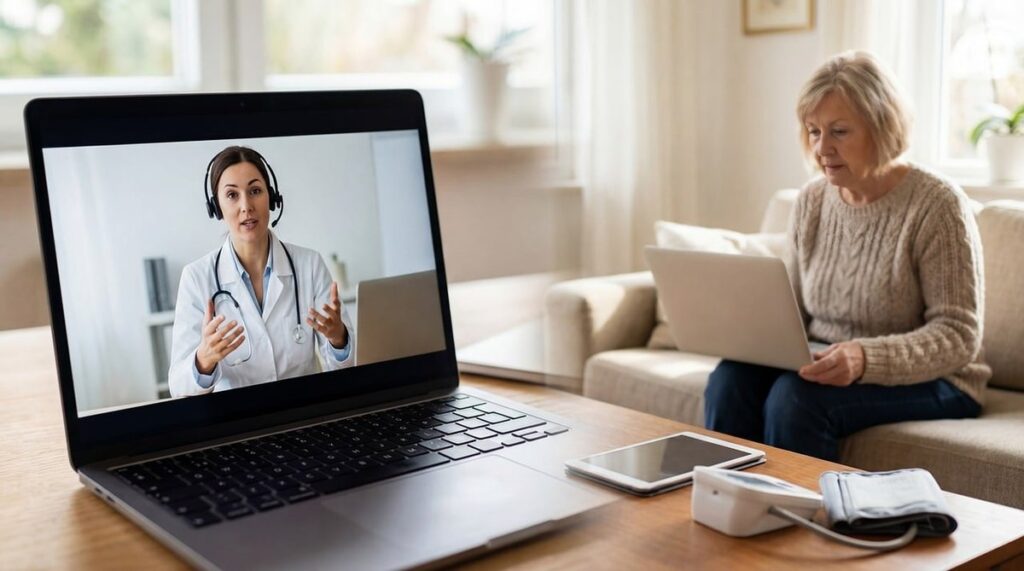
Understanding the Importance of Regular Check-Ups
Regular check-ups are more than just a routine task, they’re a crucial step in preventing chronic diseases and maintaining overall health as we age. By understanding their importance, seniors can make informed decisions about their care.
Benefits of Early Detection and Prevention
Regular health screenings play a vital role in early detection and prevention of chronic diseases, significantly improving the quality of life for seniors. By catching conditions like diabetes, hypertension, and osteoporosis at an early stage, healthcare providers can develop effective treatment plans, reducing the risk of complications and hospitalizations.
Early detection also enables preventative measures to be taken, such as lifestyle modifications or medication adjustments, which can slow disease progression or even reverse its effects. For instance, a blood test can reveal high cholesterol levels, prompting dietary changes and exercise routines that lower triglycerides and LDL (bad) cholesterol.
Moreover, preventive health screenings facilitate ongoing monitoring of chronic conditions, allowing healthcare teams to adjust treatment plans as needed. This proactive approach helps seniors maintain their independence, mobility, and mental acuity, ultimately enhancing their overall well-being and quality of life. By prioritizing regular check-ups and screenings, older adults can take control of their health and reduce the risk of debilitating or life-threatening conditions.
Common Health Concerns in Older Adults
Osteoporosis is a significant concern among older adults, particularly women. As bone density decreases with age, even minor falls can cause fractures. Regular check-ups allow healthcare providers to monitor bone health and implement prevention strategies, such as calcium and vitamin D supplements or exercise programs.
Diabetes is another prevalent condition in seniors, often linked to obesity, physical inactivity, or family history. Routine check-ups enable early detection of diabetes through blood glucose tests, allowing for timely intervention and lifestyle modifications to manage the condition.
Cognitive decline, including dementia and Alzheimer’s disease, is a growing concern as people age. Regular cognitive assessments help identify potential issues before they worsen, enabling healthcare providers to recommend interventions such as cognitive training or medication.
Aging adults are also at higher risk of developing certain cancers, like colon cancer, which can be detected through regular screenings. Furthermore, heart conditions and stroke risk increase with age, making blood pressure checks and cardiovascular assessments crucial during check-ups.
Screenings for Seniors in Their 60s: What to Expect
If you’re a senior in your 60s, you’re probably wondering what kind of health screenings are recommended at this stage of life. Regular check-ups can help identify potential issues before they become serious problems.
Blood Pressure Checks and Cardiovascular Assessments
Regular blood pressure checks and cardiovascular assessments are crucial components of preventive health screenings for seniors in their 60s. Hypertension is a common condition among older adults, and if left undetected or unmanaged, it can lead to serious complications such as heart disease, stroke, and kidney damage.
Cardiovascular assessments typically involve a combination of physical examination, medical history review, and diagnostic tests like electrocardiograms (ECGs) or echocardiograms. These evaluations help identify potential issues with the heart’s structure and function, including atherosclerosis – a condition where plaque builds up in the arteries, reducing blood flow to vital organs.
A healthcare provider will usually measure your blood pressure using a blood pressure cuff and may also use other tools like stethoscopes or Doppler devices. They’ll check for signs of cardiovascular disease, such as an irregular heartbeat, swelling in the legs, or shortness of breath during physical activity.
For seniors with high blood pressure or pre-existing heart conditions, regular monitoring is essential to prevent complications and manage symptoms effectively. In some cases, a healthcare provider may recommend lifestyle changes like adopting a balanced diet, increasing physical activity levels, or quitting smoking to help lower blood pressure.
Osteoporosis Screening and Prevention Strategies
Osteoporosis screenings are a crucial aspect of preventive health care for seniors, particularly those over 60. These screenings can identify individuals at risk for fractures and osteoporotic-related complications. A bone density test, typically done with dual-energy X-ray absorptiometry (DXA), measures the mineral content in bones, providing an accurate assessment of bone health.
If a senior is found to be at risk for osteoporosis, prevention strategies can help mitigate this condition. Regular exercise, such as weight-bearing activities like walking or swimming, can strengthen bones and improve overall muscle mass. Resistance training exercises, specifically targeting the hips and spine, are also beneficial in building bone density.
Nutrition plays a significant role in maintaining healthy bones. Consuming foods rich in calcium and vitamin D is essential for bone health. Dark leafy greens, fortified dairy products, and fatty fish like salmon are excellent sources of these nutrients. A balanced diet combined with regular exercise can significantly reduce the risk of osteoporosis-related fractures.
It’s recommended that seniors at risk for osteoporosis engage in 30 minutes of moderate-intensity exercise per day, three to four times a week. They should also maintain a well-rounded diet rich in essential nutrients and consult their healthcare provider for personalized guidance.
Screenings for Seniors in Their 70s: Age-Related Health Concerns
As you age into your 70s, it’s essential to be aware of age-related health concerns that may warrant more frequent screenings. This section will focus on specific tests and exams recommended for seniors in this decade.
Cognitive Function Assessments and Dementia Risk Evaluation
Cognitive function assessments are an essential part of preventive health screenings for seniors in their 70s. These evaluations typically involve a series of tests and questionnaires designed to assess various aspects of cognitive function, including memory, language, problem-solving, and judgment.
A commonly used tool is the Mini-Mental State Examination (MMSE), which evaluates five areas: orientation, registration, attention and calculation, memory, and language. A score below 24 indicates cognitive impairment, while a score above 27 suggests normal cognitive function.
Other assessments may include the Montreal Cognitive Assessment (MoCA) or the Trail Making Test. These evaluations help healthcare providers detect early signs of dementia or Alzheimer’s disease, allowing for timely intervention and treatment.
Regular cognitive function assessments can also identify modifiable risk factors associated with cognitive decline, such as social isolation, lack of physical activity, or inadequate sleep. Healthcare providers may recommend lifestyle changes or refer patients to specialists for further evaluation and support. By detecting early signs of cognitive impairment, seniors can benefit from targeted interventions that improve their quality of life and independence.
Fall Risk Assessment and Balance Training
Fall risk assessment and balance training are crucial components of preventive health screenings for seniors in their 70s. As people age, they experience natural declines in muscle strength, flexibility, and balance, which can increase their likelihood of falls. In fact, according to the Centers for Disease Control and Prevention (CDC), one in four seniors over the age of 65 experiences a fall each year.
During a fall risk assessment, healthcare professionals will evaluate factors such as medication side effects, vision impairment, and mobility issues that may contribute to a higher risk of falls. They may also assess the senior’s living environment for potential hazards, such as slippery floors or uneven surfaces.
To improve balance and reduce fall risk, seniors can engage in exercises specifically designed for older adults, such as tai chi or balance training programs. These exercises can help strengthen muscles, improve flexibility, and enhance overall mobility. Healthcare providers may also recommend simple changes to the living environment, such as installing grab bars or non-slip mats in the bathroom. By addressing fall risk and improving balance through targeted assessments and training, seniors can significantly reduce their likelihood of falls and related injuries.
Screenings for Seniors in Their 80s: Addressing Age-Related Health Issues
As we enter our 80s, age-related health issues can become more pronounced. This section focuses on screenings that help seniors address and manage these changes.
Medication Management and Review
Regular medication reviews are a crucial aspect of preventive health screenings for seniors with complex medical conditions. These reviews can help identify potential adverse reactions and interactions between medications, which is especially important as seniors often take multiple prescriptions to manage various health issues. For instance, certain blood thinners may interact with commonly used medications like ibuprofen or aspirin.
A medication review typically involves a thorough examination of the senior’s current medications, including both prescription and over-the-counter drugs. This process can help identify duplicate therapy, where a patient is taking multiple medications for similar conditions, or polypharmacy, where excessive medication use may contribute to adverse effects or interactions.
In some cases, a medication review may lead to changes in treatment plans, such as adjusting dosages, switching medications, or adding supplements to enhance the effectiveness of existing treatments. This proactive approach can help reduce the risk of hospitalization and improve overall quality of life for seniors with complex medical conditions. A healthcare provider should conduct regular medication reviews as part of routine preventive health screenings to ensure safe and effective treatment.
Incontinence Screening and Treatment Options
Incontinence is a common issue among seniors, affecting nearly 50% of women and up to 30% of men over the age of 80. Urinary incontinence can significantly impact quality of life, causing social isolation, anxiety, and depression. Early detection and treatment are crucial to improving symptoms and regaining confidence.
A comprehensive incontinence screening should include a thorough medical history, physical examination, and urinalysis to rule out underlying conditions such as urinary tract infections or kidney stones. Healthcare providers may also conduct a pad test to assess the severity of incontinence. Treatment options vary depending on the individual’s needs but often involve lifestyle modifications, bladder training, and medication.
Some effective treatment strategies include:
• Pelvic floor exercises (Kegel exercises) to strengthen muscles
• Bladder retraining to improve bladder control
• Medications like oxybutynin or tolterodine to reduce muscle contractions
It’s essential for seniors with urinary incontinence issues to discuss their symptoms and treatment options with their healthcare provider. By addressing this condition early on, seniors can regain independence, improve self-esteem, and enhance overall quality of life.
Additional Screenings and Recommendations for Seniors
As you age, your healthcare needs change, which is why certain additional screenings become crucial to maintaining your overall health and well-being. We’ll cover some of these important assessments in detail below.
Vision and Hearing Assessments
Regular vision and hearing assessments are crucial for seniors as age-related impairments can go unnoticed without proper evaluation. Vision loss is a common condition among older adults, with nearly 3 out of 10 people aged 65-74 experiencing some degree of vision impairment. Untreated, vision problems can lead to increased risk of falls, social isolation, and cognitive decline.
During a vision assessment, an eye care professional will examine the retina for signs of age-related macular degeneration (AMD), cataracts, and glaucoma. They may also evaluate visual acuity and peripheral vision. If impairments are detected, treatment options can be discussed, such as glasses or contact lenses, medications, or even surgery in severe cases.
Hearing loss is another prevalent issue among seniors, affecting over 1 in 5 people aged 65-74. A hearing assessment typically involves a comprehensive evaluation of auditory function and may include a tympanometry test to measure middle ear function. Prevention strategies for hearing loss include avoiding loud noises, wearing ear protection when engaging in noisy activities, and maintaining a healthy lifestyle.
In addition to medical interventions, assistive devices such as hearing aids or cochlear implants can greatly improve quality of life for seniors with hearing impairments. Lifestyle modifications like regular exercise, a balanced diet, and stress management may also help mitigate age-related decline in both vision and hearing.
Mental Health Support and Counseling Services
Mental health support and counseling services can play a crucial role in helping seniors cope with stress, anxiety, and depression related to aging and declining physical abilities. Many older adults experience feelings of loneliness, isolation, and loss of identity as they adjust to reduced mobility or chronic illness.
A mental health professional can help seniors identify and address underlying emotional issues, such as grief, trauma, or unmet needs. Through counseling, seniors can develop coping strategies and learn to manage symptoms of anxiety and depression. This may involve stress-reducing techniques like meditation, deep breathing exercises, or yoga.
In some cases, medication management may also be necessary. A mental health professional can work with a senior’s healthcare team to ensure that any medications are safe and effective for their specific needs. Regular check-ins can help seniors stay connected and engaged, even if they’re unable to leave home due to mobility issues.
It’s essential for seniors to seek out mental health support when needed. Some communities offer senior-specific counseling services or group therapy sessions, which can be a great way to connect with others who understand the challenges of aging.
Preparing for Preventive Health Screenings: Tips and Resources
Before attending your preventive health screenings, it’s essential to prepare by gathering necessary documents and information about your medical history. Knowing what to expect will help you make the most of these valuable appointments.
Creating a Personalized Health Plan
Creating a Personalized Health Plan is essential when preparing for preventive health screenings. This plan should be tailored to address unique needs and concerns, taking into account any existing medical conditions, medications, or lifestyle factors that may impact health outcomes.
When developing a personalized health plan, it’s crucial to collaborate with healthcare providers who can offer guidance on the most relevant screenings and assessments based on age, health status, and individual circumstances. This collaborative approach enables seniors to receive targeted care that addresses their specific needs.
To create an effective personalized health plan, consider the following steps:
- Review medical history and current medications
- Identify any existing health concerns or risk factors
- Discuss lifestyle habits and daily routines with healthcare providers
- Set realistic health goals and develop a plan for achieving them
By taking a proactive approach to creating a personalized health plan, seniors can better prepare for preventive health screenings and receive more accurate diagnoses, leading to improved health outcomes. This collaborative process also fosters open communication between healthcare providers and patients, ensuring that everyone is working towards the same goal: maintaining optimal health and well-being in older age.
Resources for Seniors and Caregivers
For seniors and caregivers, navigating preventive health screenings can be overwhelming. Fortunately, there are numerous resources available to provide support and guidance throughout the process.
The National Institute on Aging (NIA) offers a wealth of information on age-related health issues and recommendations for regular check-ups. Their website features a comprehensive guide to preventive health measures, including screenings for seniors in their 60s, 70s, and 80s. Additionally, the NIA provides links to national organizations that specialize in senior care, such as the Area Agency on Aging (AAA) and the Administration on Aging (AoA).
Online support groups, like the AARP’s Caregiving Community, offer a safe space for seniors and caregivers to share their experiences and connect with others who face similar challenges. These online forums often feature expert advice, resources, and tools to help manage care and navigate the healthcare system.
Local community services, such as senior centers and adult day programs, can also provide essential support for seniors and caregivers. Many of these organizations offer transportation services, respite care, and educational workshops on topics like chronic disease management and fall prevention.
Frequently Asked Questions
Can I still benefit from preventive health screenings if I have no symptoms?
Yes, regular health check-ups can identify potential health issues before they cause noticeable symptoms. This is especially important for seniors who may not always recognize changes in their bodies.
How often should I schedule my preventive health screenings if I’m in good health?
Schedule annual or bi-annual preventive health screenings to maintain a proactive approach to your health, even if you’re currently in good health. This allows for early detection and prevention of potential issues.
What happens during a fall risk assessment, and how can it help prevent injuries?
A fall risk assessment typically includes balance testing, gait analysis, and an evaluation of home safety hazards. It helps identify areas where seniors are at risk of falling, allowing healthcare providers to recommend strategies for prevention and mitigation.
Can I bring a family member or caregiver with me to the preventive health screening appointment?
Yes, having a support person present can be helpful in understanding your test results and discussing any concerns you may have. However, be sure to give them clear instructions on how to ask questions and what information is most important for them to take away.
What if my healthcare provider recommends a specific treatment or medication that I’m not comfortable with?
Discuss your concerns and preferences with your healthcare provider. They should work with you to find an alternative solution that addresses your health needs while also considering your personal values and goals.