
As we age, it’s essential to prioritize our mental and physical well-being. One way to do this is by engaging in fun activities that bring us joy and stimulate our minds. But let’s face it, seniors often face unique challenges such as social isolation, memory loss, and decreased mobility. That’s where the power of games comes in! Specifically designed for seniors, these games are not only entertaining but also provide numerous health benefits, including improved cognitive function, increased physical activity, and a sense of community. In this article, we’ll explore the world of fun games for seniors, covering everything from board games to online activities that can be played with friends or family. We’ll show you how to get started and make the most out of these engaging experiences.
Why Games Are Important for Seniors
Playing games is a simple yet powerful way for seniors to keep their minds and bodies engaged, which can have a significant impact on overall health and well-being. Let’s explore why games are so important for seniors like you.
Benefits of Playing Games for Mental Health
Playing games can have a profound impact on mental health in seniors. Research has shown that engaging in mentally stimulating activities, such as puzzles and strategy games, can reduce stress levels and improve overall mood. A study published in the Journal of Gerontology found that older adults who participated in cognitively demanding activities had lower levels of cortisol, the primary stress hormone.
Games can also help delay cognitive decline by keeping the mind active and challenged. For example, playing word games like Scrabble or Boggle has been shown to improve verbal skills and memory. Additionally, puzzle games such as Sudoku and crosswords have been found to enhance problem-solving abilities and spatial reasoning.
To reap these benefits, seniors should aim to play games that challenge their minds at least 30 minutes a day. This can be done individually or with others, making it a fun and social activity. Some popular options include board games like Chess and Checkers, as well as digital games specifically designed for seniors, such as cognitive training apps and brain teasers.
Cognitive Benefits of Gaming for Seniors
Playing games can have a significant impact on the cognitive health of seniors, improving memory, attention, and processing speed. These skills are essential for daily life, enabling individuals to navigate complex tasks, remember important events, and maintain their independence.
Research has shown that regular gaming can increase gray matter in the brain, which is associated with improved cognitive function. For example, a study published in the Journal of Aging Research found that older adults who played action video games showed significant improvements in attention and processing speed compared to those who didn’t play games.
Incorporating games into daily life can be as simple as trying new puzzles or playing board games with family and friends. Activities like Scrabble, Boggle, and chess can help improve memory and concentration, while strategy-based games like Risk or Catan can enhance problem-solving skills. To get started, try setting aside 30 minutes a day to play a game, and gradually increase the time as you become more engaged.
As with any exercise, consistency is key when it comes to cognitive benefits. Find games that bring you joy and challenge your mind, and make them a regular part of your routine.
Board Games for Seniors: Classic Favorites
If you’re a senior looking to revisit some nostalgic favorites, this section is perfect for you as we explore classic board games that are easy to learn and enjoy. Let’s take a trip down memory lane!
Introduction to Popular Board Games
When it comes to board games, some classic favorites remain timeless and enjoyable for seniors. Scrabble, Chess, and Checkers are excellent choices that offer a combination of cognitive stimulation and social interaction.
Scrabble is an ideal game for word lovers and strategists alike. The rules are simple: players take turns forming words from letter tiles, with the goal of scoring points. This game not only improves vocabulary but also enhances memory and problem-solving skills. For seniors, Scrabble can be a great way to keep their minds sharp and engaged.
Chess is another strategic board game that requires critical thinking and planning. Players move pieces on a square board, aiming to checkmate their opponent’s king. Chess promotes analytical thinking, spatial reasoning, and decision-making abilities – all essential skills for seniors looking to stay mentally active.
Checkers is a simpler, more accessible game that’s easy to learn but challenging to master. Players capture each other’s pieces by jumping over them, promoting hand-eye coordination and strategy. These classic board games are perfect for seniors who want to have fun while exercising their minds and staying engaged in social activities.
Adaptations of Classic Games for Seniors
Many classic board games can be adapted to suit senior players with mobility or dexterity issues. This is often achieved through simple modifications that make gameplay more accessible and enjoyable. For instance, Scrabble can be played on a digital platform, eliminating the need for physical tile movement. Alternatively, using larger tiles or writing down words instead of physically placing them on the board can facilitate play.
Another classic game that lends itself well to adaptation is chess. Instead of moving pieces manually, seniors can use a digital version with voice commands or a device that allows them to move pieces by tapping or clicking. Checkers and Mancala are also popular games that can be adapted for senior players, often using oversized pieces or simplified rules.
Adaptive equipment, such as card holders and larger font rule books, can further enhance gameplay. Additionally, many classic board games have been modified specifically with seniors in mind, offering versions with simplified rules or reduced complexity. By adapting these games to suit individual needs, seniors can continue to enjoy their favorite pastimes despite physical limitations.
Card Games for Seniors: Easy to Learn and Enjoy
If you’re looking for a fun and engaging way to spend time, consider learning some easy-to-play card games that are perfect for seniors of all skill levels. They’re simple, social, and lots of fun!
Popular Card Games Suitable for Seniors
Many seniors find card games to be an enjoyable way to engage their minds and socialize with others. Three popular card games that are easy to learn and play are Poker, Bridge, and Rummy.
Poker is a classic card game that involves betting and individual strategy. It’s a great game for seniors who enjoy competition and can be played in various formats, from casual home games to professional tournaments. One of the benefits of playing poker is its ability to improve cognitive skills such as memory, attention, and decision-making.
Bridge is another popular card game that requires strategy and partnership. Players bid on the number of tricks they think they can take, making it a great game for seniors who enjoy problem-solving. Bridge has been shown to have several cognitive benefits, including improved memory and concentration.
Rummy is a simple card game that involves creating sets and runs of cards. It’s easy to learn and play, making it an excellent option for seniors who are new to card games. Rummy can be played solo or with others, providing a fun way to socialize and exercise the mind.
These card games offer numerous benefits for seniors, including improved cognitive function, stress relief, and opportunities for socialization. They can be played at home, in community centers, or with friends, making them an excellent addition to any senior’s leisure activities.
Benefits of Playing Card Games with Others
Playing card games with others has numerous benefits that can significantly enhance your life as a senior. One of the most significant advantages is improved communication skills. When you engage in conversations while playing cards, you naturally develop active listening and speaking skills. This helps to keep your mind sharp and agile, reducing the risk of cognitive decline.
Moreover, playing card games with others can help reduce isolation, which is common among seniors. Social interaction is essential for our mental and emotional well-being, and playing cards provides a perfect opportunity to connect with family members, friends, or even fellow community members. Regular playtime also encourages bonding and friendships, reducing feelings of loneliness.
To maximize the benefits, consider joining a local card club or starting a weekly game night with your loved ones. You can begin with simple games like Go Fish or War and gradually move on to more complex ones like Bridge or Poker. The key is to have fun while engaging in stimulating activities that challenge your mind and nurture social connections. By incorporating playing card games into your routine, you’ll not only enjoy quality time but also experience numerous benefits for your mental and emotional health.
Video Games for Seniors: A New Frontier
If you’re a senior looking for a new way to stay engaged and active, video games might just be the perfect fit. This exciting new frontier offers countless opportunities for fun and connection.
Introduction to Video Games for Seniors
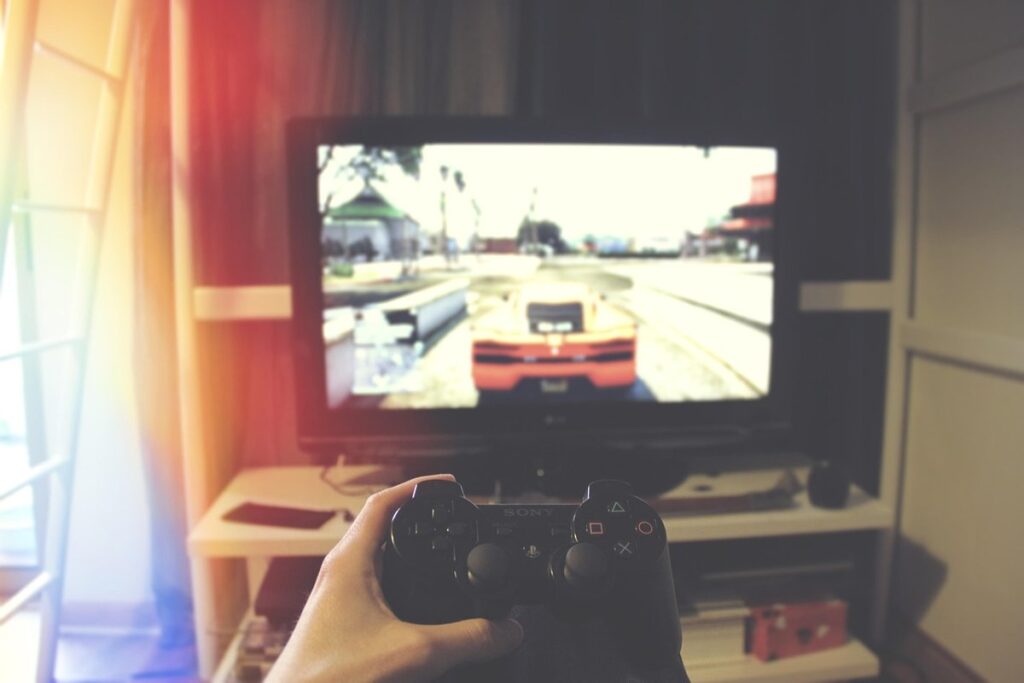
Video games are often associated with younger generations, but they can be an excellent way for seniors to stay engaged and active in their golden years. Many video games are designed specifically for seniors, offering a range of benefits that can enhance cognitive function, reduce stress, and promote social interaction.
One type of game that’s perfect for seniors is puzzle games. These games challenge players to solve problems and complete puzzles, which can help improve memory and concentration skills. Examples include games like Tetris, Solitaire, and Candy Crush. Puzzle games are also great because they’re easy to learn and don’t require advanced technical skills.
Strategy games are another type of game that’s well-suited for seniors. These games challenge players to plan and execute strategies to achieve a goal, which can help improve critical thinking and problem-solving skills. Examples include games like Chess, Risk, and Civilization.
Casual games are also a great option for seniors. These games are often easy to learn and require minimal technical skill, making them perfect for those who are new to gaming. Examples include games like Minecraft, FarmVille, and Angry Birds.
Accessibility Features in Modern Video Games
Modern video games have made tremendous strides in incorporating accessibility features that cater specifically to senior players. These features can greatly enhance the gaming experience for older adults who may be experiencing declining eyesight, hearing loss, or mobility issues. One notable example is large font options, which allow players to adjust text size on their screens for easier readability.
Many modern games also offer voice commands, enabling seniors to navigate menus and execute actions without needing to physically interact with the controller. Simplified controls are another accessibility feature that has become increasingly prevalent in contemporary games. These controls often involve reducing the number of buttons required for gameplay or implementing a more intuitive layout.
Some notable games that have implemented these accessibility features include Minecraft, The Elder Scrolls V: Skyrim, and Overcooked 2. For instance, Minecraft allows players to adjust font size and switch to a text-to-speech mode for easier navigation. Similarly, Overcooked 2 offers an assistive controls menu where players can customize the layout of their in-game controller to suit their needs.
When exploring these games or others that offer similar accessibility features, consider the following tips:
• Experiment with different font sizes and color schemes to find a comfortable setting
• Familiarize yourself with voice command options and practice using them
• Don’t be afraid to adjust game settings to accommodate any physical limitations you may have
Outdoor Games for Seniors: Staying Active and Engaged
When it comes to staying active and engaged, outdoor games are an excellent way to get seniors moving and socializing while enjoying nature. Let’s explore some fun options together!
Benefits of Outdoor Games for Seniors
Playing outdoor games is one of the most effective ways for seniors to stay physically and mentally active. Not only do these games provide an excellent opportunity to get some fresh air and sunlight, but they also offer a multitude of benefits that can significantly improve overall health and well-being.
Engaging in regular outdoor activities has been shown to reduce the risk of chronic diseases such as heart disease, diabetes, and osteoporosis by up to 30% (1). Moreover, outdoor games like walking, golfing, or tennis can improve mobility and balance, making it easier for seniors to perform daily tasks. For instance, a study found that older adults who participated in regular physical activity experienced significant improvements in their ability to walk and maintain balance (2).
In addition to the physical benefits, outdoor games also have a profound impact on mental health. Playing games with others can enhance mood, reduce stress levels, and even alleviate symptoms of anxiety and depression. For example, a study found that seniors who participated in group sports experienced improved mental well-being and social connections (3). To incorporate outdoor games into your daily routine, start by choosing low-impact activities like walking or cycling, and gradually move on to more energetic pursuits like swimming or dancing.
Examples of Outdoor Games Suitable for Seniors
If you’re looking for outdoor games that are easy to learn and play, consider Bocce Ball, Croquet, and Golf. These games are perfect for seniors who want to stay active while enjoying the great outdoors.
Bocce Ball is a fun game that involves rolling large balls towards a smaller target ball. The rules are simple: players take turns rolling their balls, trying to get as close as possible to the target ball without going over it. This game is excellent for improving hand-eye coordination and balance. You can even set up a Bocce Ball court in your backyard or local park.
Croquet is another enjoyable outdoor game that involves hitting wooden balls through hoops using a mallet. The objective is to get all your balls through the course before your opponents do. This game requires strategy and physical activity, making it an excellent choice for seniors who want to stay mentally and physically engaged.
Golf is a popular sport that can be adapted to suit seniors’ needs. It involves hitting a ball into a hole using a variety of clubs. Golf is great exercise for the upper body and legs, and many golf courses offer walking paths, making it easy on the joints.
Creating a Game Plan: Tips for Seniors and Caregivers
To create a fun game plan, seniors and caregivers need to consider individual interests, abilities, and energy levels when choosing activities. This helps ensure everyone stays engaged and active.
Encouraging Seniors to Play Games
Encouraging seniors to play games can be a delightful experience for everyone involved. It’s essential to remember that each senior has unique interests and abilities, so it’s crucial to tailor game choices accordingly. Start by observing their hobbies or pastimes and use those as inspiration when selecting games.
For instance, if they love word puzzles, try introducing crosswords, Scrabble, or bingo with a twist. If they’re more inclined towards strategy, consider games like chess, bridge, or even video games designed for seniors. You can also involve them in the game selection process to ensure their interests are met.
Another vital aspect is making sure the games aren’t too taxing or frustrating, which could lead to discouragement. Choose activities that allow them to win and feel a sense of accomplishment without being overwhelmed by complexity. Some excellent options include board games like Ticket to Ride or Carcassonne, which are easy to learn yet offer engaging gameplay.
Lastly, consider co-playing with the senior, as this can create a sense of companionship and shared fun, increasing their willingness to participate in gaming activities.
Strategies for Caregivers to Support Senior Gaming
As a caregiver, supporting senior gaming can be a wonderful way to encourage physical and mental activity, socialization, and enjoyment. One key strategy is to adapt games to suit individual needs. For instance, if the senior has limited dexterity or vision, consider using accessibility features such as larger buttons or audio cues in video games. Alternatively, opt for board games with simple rules that can be played while seated.
To promote social interaction, invite friends and family members to join in on gaming sessions. This can help combat loneliness and isolation, which are common issues among seniors. You could also consider joining a senior gaming community or club, where participants can connect with others who share similar interests.
When selecting games, choose titles that cater to the senior’s cognitive abilities, interests, and preferences. For example, puzzles like Sudoku or Scrabble can be excellent options for those with strong problem-solving skills. If the senior enjoys role-playing, consider games like Minecraft or The Sims, which offer a creative outlet.
Frequently Asked Questions
What if I have a physical disability or mobility issue? Can I still play games designed for seniors?
Many games can be adapted to accommodate physical disabilities, such as using assistive technology or modifying rules to make them more accessible. For example, some board games come with magnetic pieces that are easier to handle, while online games often offer keyboard-only controls.
How do I choose the right game for my loved one’s cognitive abilities and interests?
Consider their current level of cognitive function, attention span, and personal preferences when selecting a game. Look for activities that promote engagement without being too frustrating or overwhelming. You can also try playing together to see what works best.
What if I’m not tech-savvy? Can I still play online games with seniors?
Yes! Many online games are designed to be user-friendly, even for those who aren’t familiar with technology. Look for platforms that offer guided tutorials or have a ” beginner mode” to help you get started. You can also ask a family member or caregiver for assistance.
How often should I play games with my senior loved one?
The frequency and duration of gaming sessions will vary depending on individual needs and energy levels. Aim for short, regular sessions (20-30 minutes) 2-3 times a week to maintain engagement and prevent fatigue. Encourage breaks and adjust the schedule as needed.
What if we have different skill levels or abilities? Can we still play games together?
Yes! Many games are designed to accommodate different skill levels or offer adjustable difficulty settings. You can also try team-based games that encourage collaboration and mutual support. The goal is to have fun and engage with each other, not to compete.