
As we age, our minds and bodies can benefit from engaging activities that stimulate mental acuity and social connections. For seniors, playing fun games is an excellent way to improve cognitive function, reduce the risk of dementia, and combat loneliness. But what types of games are suitable for seniors, and how can they be introduced into their daily lives? In this article, we’ll explore various game options that cater to different interests and skill levels, from puzzles and brain teasers to board games and outdoor activities. We’ll also share tips on how to get started and make gaming a regular part of your senior’s routine. By the end of this article, you’ll have a better understanding of the benefits of fun games for seniors and be equipped with ideas to keep them engaged and active.
Benefits of Gaming for Seniors
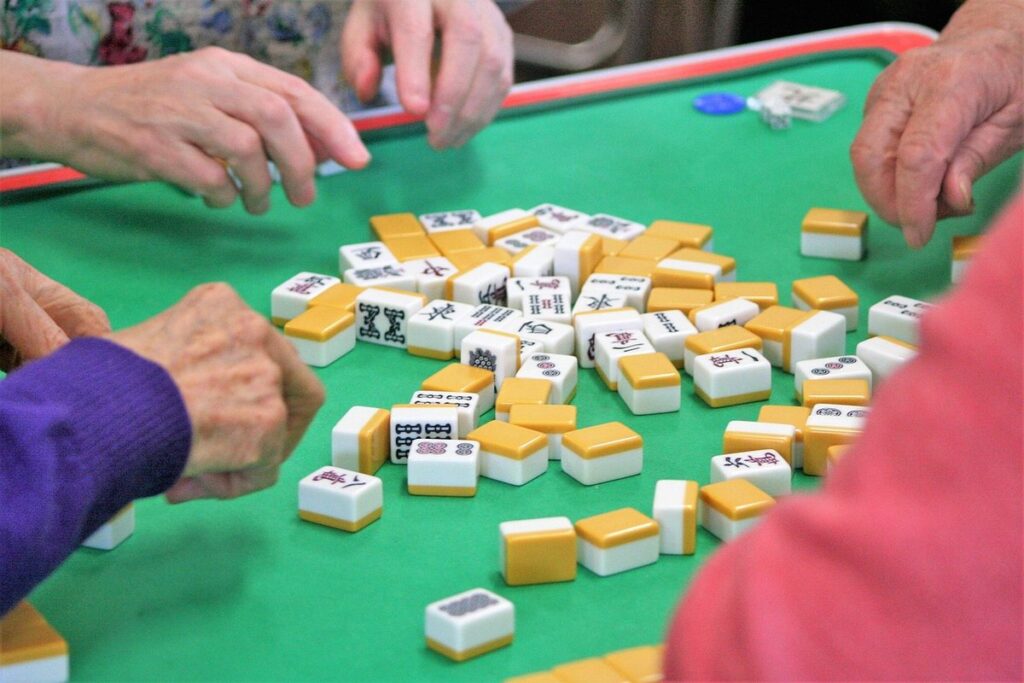
Playing games can bring numerous benefits to seniors, improving cognitive function and reducing stress, while also being a fun way to stay engaged. Let’s explore these advantages in more detail.
Reduced Risk of Dementia and Cognitive Decline
Playing games has been found to have numerous benefits for seniors, but perhaps one of the most significant advantages is its impact on cognitive health. Research suggests that regular gaming can reduce the risk of dementia and cognitive decline by up to 30% (1). Studies have shown that cognitive training through gaming can improve memory, attention, and processing speed in older adults.
One of the key ways games help seniors’ cognitive health is through cognitive reserve building. Games like puzzles, brain teasers, and strategy games challenge the brain, forcing it to work more efficiently and making it less susceptible to age-related decline (2). For example, a study on seniors who played video games showed significant improvements in memory and problem-solving skills compared to those who didn’t play.
If you’re looking to incorporate gaming into your daily routine for cognitive benefits, start with low-stakes games like card games or solitaire. As you become more comfortable, move on to more complex puzzle games or strategy titles. The goal is to challenge yourself without feeling overwhelmed.
Improved Social Connections and Community Building
Gaming can be a powerful tool for seniors to meet new people, reduce feelings of loneliness, and foster a sense of community. Many online gaming communities and platforms specifically cater to seniors, providing a safe space to connect with others who share similar interests.
For instance, SilverSingles, a dating site designed for seniors, also offers a range of social games that encourage users to interact with one another. Players can form groups, work together on challenges, or participate in tournaments – all while developing new friendships and connections. This sense of camaraderie is especially beneficial for seniors who have recently moved away from their families or communities, making it easier to transition into a new living situation.
To get started, try joining online gaming forums or social media groups focused on seniors’ interests. Some popular platforms include Facebook groups dedicated to classic video games, board game enthusiasts, or hobby-related activities like gardening or painting. By engaging in these online spaces, you can begin building connections and friendships that extend beyond the screen.
Types of Games Suitable for Seniors
When it comes to choosing games, you’ll find that some are more suited for seniors than others. Board games and puzzles can be great options for staying engaged and active.
Board Games and Puzzles
When it comes to board games and puzzles, seniors can enjoy a wide range of fun and engaging activities that are easy on the mind and body. Scrabble, for instance, is an excellent choice as it not only challenges vocabulary but also encourages strategic thinking and problem-solving skills. This classic word game is perfect for those who love words and language.
Chess is another popular board game that requires critical thinking and analytical skills. Although it may seem intimidating at first, the rules are simple to learn, and playing regularly can help improve memory and concentration. For a more relaxing experience, Sudoku puzzles offer a fun way to keep the mind sharp without feeling overwhelmed.
To get started with these games, begin with shorter sessions (20-30 minutes) and gradually increase the duration as you become more comfortable. You can also start by using pre-printed boards or puzzle books before moving on to digital versions. Playing board games and puzzles with friends or family members is an excellent way to socialize and have fun while improving mental agility.
Try incorporating these activities into your daily routine, whether it’s during a morning coffee break or as part of a weekly group gathering. Not only will you stay engaged and entertained but also foster a sense of community and companionship.
Card Games and Rummy Variations
Card games are an excellent option for seniors, offering a fun way to engage the mind and socialize with others. Classic card games like Bridge, Poker, and Rummy are popular choices that can be adapted to suit players with mobility or dexterity issues. For instance, Rummy variations such as Gin Rummy or Rummikub can be played with larger cards or special grips to make it easier for seniors with arthritis or tremors.
In fact, studies have shown that playing card games like Bridge and Poker can improve cognitive function in older adults by up to 30%. To get started, consider using a simplified version of the game or modifying the rules to make it more accessible. For example, you could use a smaller deck or eliminate complex strategy elements. Moreover, many organizations offer special card game groups for seniors, where players can join and learn new games in a supportive environment.
To incorporate these benefits into your daily routine, try hosting weekly card game sessions with family members or friends. With some creative adaptations and simple modifications, card games like Bridge, Poker, and Rummy can be enjoyed by seniors of all abilities.
Digital Gaming Options
For many seniors, digital gaming can be a fun and engaging way to stay connected with others while also exercising their minds. Let’s explore some popular options available online.
Console and PC Gaming
When it comes to console and PC gaming, seniors have a wide range of options to choose from. One popular choice is the Nintendo Switch, which offers a variety of games that are easy to play and can be enjoyed by seniors with varying levels of gaming experience. The Switch’s portability also makes it an excellent option for those who prefer playing games in shorter sessions or on-the-go.
The PlayStation 4 (PS4) is another popular console among seniors, with a vast library of games that cater to different tastes and abilities. Many PS4 games are designed specifically for senior players, offering features such as simplified controls and accessible gameplay mechanics. The console also has a built-in accessibility feature called “Accessibility Settings,” which allows users to customize the game experience to their needs.
PC gaming is also an excellent option for seniors, with many online communities and forums dedicated to helping older adults get started with gaming. Seniors can choose from a wide range of games, including puzzles, strategy titles, and adventure games, all of which can be played on their existing computer or laptop.
Mobile Gaming Apps
Mobile gaming apps have revolutionized the way seniors can enjoy games on-the-go. Designed specifically for seniors, these apps offer a range of engaging experiences that cater to various cognitive and motor skills. Puzzle games like Lumosity and BrainHQ challenge problem-solving abilities and memory recall, while card games such as Solitaire and Poker provide a relaxing and mentally stimulating experience.
Interactive experiences like Flower Free and Gardenscapes allow users to explore virtual environments, promoting spatial awareness and creativity. What’s more, many mobile apps offer customization options, enabling seniors to adjust gameplay to suit their needs. For instance, some apps feature large font sizes or simplified controls for those with visual impairments.
To get started, consider downloading a few popular senior-focused games like Candy Crush Saga, Wordscapes, or Bejeweled Blitz. Browse the app store’s “Senior” or “Games for Seniors” sections to discover more options. Many apps also offer free trials or demos, allowing you to test them before committing to a purchase. By exploring these mobile gaming apps, seniors can enjoy fun and engaging experiences that promote mental and physical well-being while on-the-go.
Outdoor Games and Activities
Get ready for some fresh air and fun, as we explore outdoor games that are perfect for seniors to play together, whether in a park or backyard. From classics like bocce ball to more energetic activities like frisbee golf!
Walking Clubs and Scavenger Hunts
Joining a walking club or participating in a scavenger hunt is an excellent way for seniors to stay active and engaged while enjoying the outdoors. These activities can be tailored to suit individual fitness levels, making them accessible to seniors of all abilities.
Walking clubs are perfect for those who enjoy socializing with fellow walkers, sharing stories, and maintaining friendships. Many community centers, parks, and recreation departments offer walking club programs that meet weekly or biweekly. Participants can walk at their own pace, exploring local trails, neighborhoods, or scenic routes while getting some exercise and fresh air.
Scavenger hunts, on the other hand, provide a fun and interactive way to explore nature, museums, or historic landmarks. These activities encourage physical activity as participants search for items or complete challenges, promoting mental stimulation and teamwork. Consider organizing a scavenger hunt in a nearby park or nature reserve with friends or family members.
You can also create your own walking club or scavenger hunt by gathering a small group of seniors who share similar interests. Meet at a designated location, choose a route or activity, and make it a regular occurrence. The benefits are numerous – improved physical health, enhanced mental well-being, and opportunities for socialization and friendship building.
Gardening and Horticulture
Gardening is an often-overlooked activity that offers numerous benefits for seniors. As we age, our physical abilities may decline, but gardening provides a way to stay active while engaging our minds and nurturing a sense of purpose.
Not only does gardening provide stress relief by allowing us to connect with nature and focus on the present moment, but it also improves cognitive function through repetitive tasks and problem-solving. For instance, pruning plants requires attention to detail and hand-eye coordination, which can help slow down age-related cognitive decline.
Gardening also offers a sense of accomplishment as we watch our hard work flourish into beautiful blooms or delicious harvests. This feeling can be especially empowering for seniors who may feel a loss of independence due to aging. To get started, consider beginning with simple tasks like watering plants or tending to a small herb garden. As your abilities and confidence grow, you can gradually take on more complex projects.
Regular gardening sessions can also provide opportunities for socialization, whether it’s through joining a local gardening club or working alongside friends and family members in your own backyard.
Tips for Introducing Games to Seniors
Introducing games to seniors can be a daunting task, but with the right approach, you can help them discover new hobbies and interests that bring joy and excitement to their lives. We’ll share some valuable tips to get you started.
Assessing Abilities and Interests
When introducing games to seniors, it’s essential to assess their abilities and interests first. This will help you tailor activities that cater to their unique needs and preferences. Start by observing the senior’s physical limitations, cognitive function, and communication style.
Consider asking open-ended questions, such as “What do you enjoy doing in your free time?” or “Have you always been interested in puzzles or brain teasers?” These can give you insight into their passions and hobbies. You can also engage them in simple activities, like a game of chess or bingo, to gauge their attention span and interest.
Additionally, pay attention to any physical limitations that may impact gameplay, such as dexterity issues with certain types of games. By understanding the senior’s abilities and interests, you can create an enjoyable experience that enhances their mental and physical well-being. For example, a senior with arthritis might benefit from board games or card games that don’t require excessive hand movement.
Assessing their abilities and interests will also help you identify potential challenges and adapt games to meet their needs.
Encouraging Participation and Inclusivity
When introducing games to seniors, it’s essential to create an environment that encourages participation and inclusivity. This can be achieved by considering individual needs and abilities, thereby eliminating barriers to engagement.
Start by setting clear expectations and goals for the game or activity, ensuring everyone understands what they’re working towards. This clarity helps alleviate anxiety and promotes a sense of accomplishment. You might consider creating teams with mixed skill levels or adapting games to accommodate varying mobility requirements.
To foster inclusivity, it’s crucial to respect seniors’ boundaries and limitations. Listen attentively to their concerns and make necessary adjustments to the activity without compromising its spirit. For instance, instead of playing an energetic sport like basketball, try a more low-key game of bingo or cards that can be played while seated.
Additionally, encourage collaboration and teamwork by incorporating games that require social interaction, communication, and problem-solving skills. This not only enhances cognitive function but also promotes emotional well-being and a sense of belonging among participants.
Conclusion and Next Steps
Now that you’ve discovered the fun games for seniors that can improve mental and physical health, it’s time to take action and make a plan. Let’s review what we’ve covered so far.
Recap of Benefits and Options
By now, you’ve discovered the numerous benefits of incorporating fun games into your senior years. Let’s recap the advantages and explore the various options available to you.
Playing engaging games has been shown to reduce cognitive decline by up to 30% in seniors. It also improves physical health through increased mobility, balance, and strength. Furthermore, gaming has been proven to combat social isolation, boost mood, and even alleviate symptoms of dementia and Alzheimer’s disease. With these benefits in mind, it’s essential to choose the right games for your needs.
Consider board games like Scrabble, Chess, or Bridge, which promote cognitive function while providing social interaction. Video games like Nintendo Switch’s “Animal Crossing” can offer a calming experience with relaxing gameplay. Outdoor games such as gardening, bowling, or even walking clubs are also excellent options for seniors looking to stay active.
As you explore these possibilities, remember to choose activities that bring joy and excitement to your life. Experiment with different types of games and find what works best for you. By doing so, you can continue to improve your mental and physical health while having a blast.
Resources and Support for Seniors and Caregivers
As we conclude our journey through fun games for seniors, it’s essential to provide you with the resources and support needed to continue exploring and enjoying these activities. For those seeking more opportunities, we’ve compiled a list of online resources, support groups, and local organizations that cater specifically to seniors.
Some notable online resources include AARP Games (aarp.org/games), which offers a wide range of games tailored for seniors, from puzzles to card games. The Alzheimer’s Association (alz.org) also provides an array of games and activities designed to stimulate the mind and promote social interaction. Additionally, organizations like Senior Planet (seniorplanet.org) offer virtual classes and workshops focused on technology, fitness, and creative pursuits.
When searching for local resources, consider contacting your Area Agency on Aging (AAA), which can connect you with nearby organizations offering senior-focused services and activities. Many libraries, community centers, and churches also host games and events specifically designed for seniors.
Frequently Asked Questions
What if my senior has difficulty with mobility or dexterity? Are there games that can be adapted to their needs?
Yes, many games are now designed to accommodate seniors with physical limitations. For example, digital games and mobile apps often have accessibility features like text-to-speech, font size adjustment, and touch controls that can replace traditional button presses. Additionally, some board games and puzzles come in large-print or tactile formats.
How do I ensure my senior stays engaged and motivated to play games regularly?
To encourage regular gaming, try scheduling game sessions at the same time each week, incorporating their favorite activities, and offering rewards for progress or milestones achieved. You can also rotate between different types of games to keep things fresh and exciting. Most importantly, focus on fun and enjoyment!
Can I use gaming as a way to help my senior manage stress and anxiety?
Yes! Playing games has been shown to reduce stress levels and promote relaxation in seniors. Consider introducing calming games like puzzles, card games with soothing music, or even virtual reality experiences designed for relaxation. You can also try incorporating mindfulness exercises into gameplay sessions.
How do I choose a game that suits my senior’s cognitive abilities and interests?
When selecting a game, consider their past hobbies, skills, and interests. Look for games that are specifically designed for seniors with similar abilities, such as large-print or accessible formats. Also, pay attention to reviews and ratings from other players in the same demographic.
Can I play games with my senior remotely if we live far apart?
Yes! With digital gaming options on console, PC, or mobile devices, you can now play together even when physically distant. Many online platforms also offer video chat functionality for social interaction while playing together.