
Stroke recovery and rehabilitation is a vital process for elderly individuals who have suffered from this debilitating condition. As our population ages, the likelihood of experiencing a stroke increases, making it crucial to understand the causes, risk factors, and best practices for recovery. Many strokes can be prevented or minimized with early intervention, but when complications arise, physical therapy, cognitive rehabilitation, and caregiver support become essential components of the healing process. In this comprehensive guide, we’ll delve into the complexities of stroke recovery in elderly individuals, exploring the latest research and expert advice on managing physical limitations, restoring cognitive function, and providing emotional support for both patients and caregivers. Whether you’re navigating the challenges of caregiving or seeking information to improve your own health outcomes, this article aims to provide a thorough understanding of the rehabilitation process.
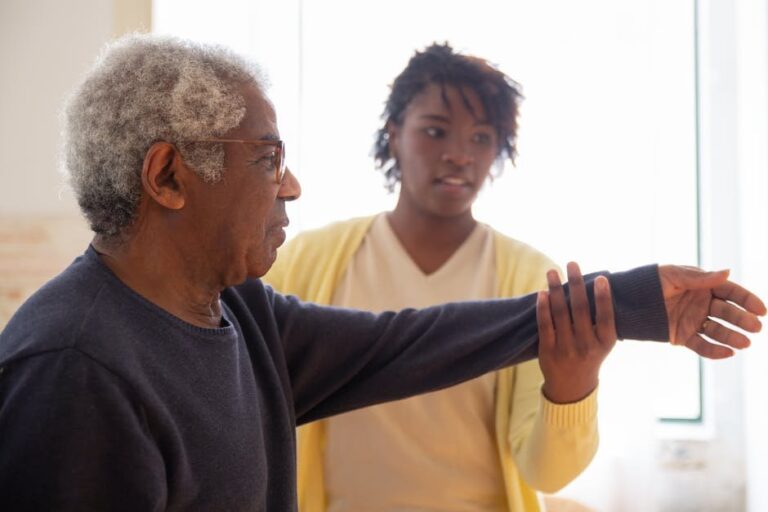
Understanding Stroke and Its Impact on Elderly
As you navigate the journey of stroke recovery and rehabilitation, it’s essential to understand what a stroke is and how it can significantly impact your life as an elderly individual. This section will explore the facts about strokes in detail.
Causes of Stroke in Elderly Population
As we delve into the world of stroke recovery and rehabilitation for the elderly, it’s essential to understand the underlying causes that contribute to this complex condition. In individuals 65 years and older, a plethora of risk factors converge to increase the likelihood of experiencing a stroke.
At the forefront is hypertension – the silent killer that affects nearly half of all adults aged 60 and above. Elevated blood pressure puts immense strain on blood vessels, making them more susceptible to rupture or blockage. Similarly, atherosclerosis – the buildup of plaque in arteries – significantly raises the risk of stroke by impairing blood flow to the brain.
Diabetes is another significant contributor, as it accelerates the progression of atherosclerosis and damages blood vessels. Lifestyle factors such as smoking, physical inactivity, and poor diet also play a substantial role in increasing stroke risk.
It’s crucial for seniors and their caregivers to acknowledge these underlying causes and take proactive steps towards prevention. Regular health check-ups, maintaining a balanced diet, engaging in moderate exercise, and quitting smoking can all help mitigate the risk of stroke.
For those who have already experienced a stroke, understanding the root causes can facilitate targeted rehabilitation efforts. By addressing these underlying factors through a comprehensive treatment plan, seniors can better navigate their recovery journey and regain independence.
Risk Factors for Stroke in Elderly
When it comes to stroke recovery and rehabilitation in elderly individuals, understanding the risk factors that contribute to stroke is crucial. As we age, our likelihood of experiencing a stroke increases significantly due to various lifestyle choices and medical conditions.
One of the primary risk factors for stroke in the elderly population is family history. If you have a close relative who has experienced a stroke, your chances of having one too are higher. Other lifestyle-related risk factors include smoking, obesity, and lack of physical activity. Smoking can lead to blood vessel damage, while obesity puts additional pressure on the heart and cardiovascular system. A sedentary lifestyle can also contribute to increased blood pressure, cholesterol levels, and weight gain.
Incorporating regular exercise into your daily routine, maintaining a healthy diet, and quitting smoking can significantly reduce your risk of stroke. Aim for at least 150 minutes of moderate-intensity aerobic activity or 75 minutes of vigorous-intensity aerobic activity per week. Additionally, engaging in strength training exercises two to three times a week can help improve muscle tone and overall health.
Assessing Stroke Severity and Developing a Rehabilitation Plan
When assessing stroke severity, it’s essential to consider the extent of damage to brain function and mobility. This helps guide the development of a personalized rehabilitation plan tailored to your needs.
Evaluating Stroke Severity Using the Modified Rankin Scale
Assessing stroke severity is crucial for developing an effective rehabilitation plan. In elderly patients, it’s essential to use a standardized tool that accurately measures the extent of disability and guides treatment decisions. The Modified Rankin Scale (mRS) is a widely used scale that assesses stroke severity by evaluating five domains: level of consciousness, speech, gait, daily activities, and overall disability.
The mRS score ranges from 0 to 5, with higher scores indicating more severe disability. A score of 1-2 typically indicates mild to moderate impairment, while a score of 3-5 signifies significant dependence on others for daily living. By using the mRS, healthcare providers can develop personalized rehabilitation plans that address specific deficits and goals.
For example, a patient with an mRS score of 4 may require intensive physical therapy to improve mobility and balance, as well as speech therapy to enhance communication skills. In contrast, a patient with an mRS score of 1 may benefit from gentle exercises and mobility aids to promote independence. By evaluating stroke severity using the mRS, healthcare providers can create tailored plans that optimize outcomes and improve quality of life for elderly patients recovering from stroke.
Creating a Personalized Rehabilitation Plan
Creating a personalized rehabilitation plan is crucial for stroke survivors to achieve optimal recovery. The plan should be tailored to the individual’s unique needs, taking into account their medical history, physical condition, and living situation. This approach ensures that the rehabilitation program addresses the specific challenges and limitations of each patient.
When creating a personalized plan, healthcare professionals consider factors such as the location and severity of the stroke, the presence of any pre-existing conditions, and the patient’s cognitive and motor abilities. For instance, someone with a history of diabetes may require special attention to wound management and glucose control during rehabilitation. Similarly, individuals living alone may need assistance with daily activities, such as bathing and dressing.
A personalized plan also involves setting realistic goals and adapting them as needed based on the individual’s progress. This might include regular check-ins with healthcare providers, physical therapy sessions tailored to specific needs, and education on managing medication and preventing future strokes. By taking a customized approach to rehabilitation, stroke survivors can optimize their recovery and improve their overall quality of life.
Physical Rehabilitation for Stroke Survivors
Physical rehabilitation plays a vital role in stroke recovery, helping elderly survivors regain strength and mobility. This process is tailored to each individual’s needs and abilities.
Early Mobilization and Physiotherapy
Early mobilization and physiotherapy are crucial components of stroke rehabilitation, especially for elderly survivors. Research has shown that patients who receive early mobilization and physiotherapy tend to have better outcomes in terms of functional recovery and overall quality of life.
When a patient suffers a stroke, it’s common for them to experience reduced mobility, weakness, and balance issues due to the loss of motor function on one side of the body. Early mobilization involves helping the patient move their limbs and engage in physical activities as soon as possible after the stroke. This approach has been shown to improve range of motion, reduce muscle atrophy, and promote healing.
In physiotherapy sessions, patients work with a trained therapist to develop exercises that target specific areas of weakness or limited mobility. These exercises may include standing, walking, balance training, or functional activities like dressing and bathing. By incorporating early mobilization and physiotherapy into their rehabilitation plan, elderly stroke survivors can regain lost motor function, improve their balance and coordination, and increase their overall independence.
Use of Assistive Devices in Physical Rehabilitation
Assistive devices play a vital role in facilitating physical rehabilitation for stroke survivors. These devices can help patients regain their mobility and independence while undergoing treatment. Walkers, wheelchairs, and canes are some of the most commonly used assistive devices in physical rehabilitation.
Walkers, for instance, provide support and stability to patients who have difficulty walking due to weakness or balance issues. They allow patients to perform daily activities like bathing, dressing, and cooking while minimizing the risk of falls. Wheelchairs offer greater mobility and flexibility, enabling patients to move around freely and participate in physical therapy sessions.
Canes are another essential assistive device that helps patients with balance problems or difficulty walking. They provide a sense of security and confidence, allowing patients to perform daily tasks without assistance. When selecting an assistive device, it’s crucial to consider the patient’s specific needs, mobility level, and living situation. A healthcare professional can help determine the most suitable device for each patient.
By providing the necessary support and stability, assistive devices empower stroke survivors to participate fully in their rehabilitation program. This, in turn, enables them to regain their strength, mobility, and independence.
Cognitive Rehabilitation and Stroke Recovery
When it comes to recovering from a stroke, cognitive rehabilitation plays a crucial role in restoring mental functions and independence. This is especially important for elderly individuals who may have varying levels of cognitive impairment.
Addressing Cognitive Impairments After Stroke
Cognitive impairments are a common consequence of stroke, affecting up to 80% of survivors. Among the elderly, these impairments can be particularly debilitating due to the decline in cognitive reserve that typically occurs with age.
Memory loss is one of the most prevalent cognitive impairments after stroke, manifesting as difficulty learning new information or recalling recent events. Strategies such as spaced repetition and mnemonics can help improve memory function. For instance, writing down reminders and using visual aids like calendars and lists can be helpful.
Attention deficits are another common issue, causing individuals to struggle with multitasking, following conversations, and completing tasks. The attention-restoring technique of “brain training” has shown promise in improving focus and concentration. This involves engaging in activities that require sustained mental effort, such as puzzles, reading, or learning a new skill.
Language difficulties can also arise after stroke, including aphasia, which affects the ability to speak, read, and write. Speech therapy is often effective in addressing these impairments. By incorporating activities that promote cognitive stimulation, such as social engagement, exercise, and mentally challenging hobbies, individuals can improve their chances of recovery.
Strategies for Improving Cognitive Function
Improving cognitive function is crucial for stroke survivors to regain independence and quality of life. Various strategies can help achieve this goal. Cognitive training programs are one effective approach. These programs focus on specific areas such as attention, memory, and problem-solving skills. Examples include computer-based brain training apps like Lumosity or Cogmed. These tools provide personalized exercises tailored to the individual’s needs.
Another strategy is using memory aids. Tools like calendars, reminders, and alarms can help manage daily tasks and appointments. Compensatory techniques are also useful. For instance, breaking down complex tasks into simpler steps or utilizing visual aids like diagrams or flowcharts can aid cognitive function. Additionally, incorporating physical exercise and mental stimulation activities, such as puzzles or reading, can promote brain health.
It’s essential to work closely with healthcare professionals to develop a tailored plan that suits the individual’s needs and abilities. By combining these strategies, stroke survivors can improve their cognitive function and increase their chances of successful rehabilitation.
Managing Stroke-Related Complications
Managing stroke-related complications is a crucial aspect of recovery, as it can significantly impact your overall health and quality of life during rehabilitation. Let’s discuss some common complications that may arise.
Preventing Pneumonia and Other Infections
Preventing pneumonia and other infections is a crucial aspect of stroke recovery, especially among elderly individuals. After suffering from a stroke, patients are more susceptible to respiratory infections due to weakened immune systems and compromised lung function. According to the Centers for Disease Control and Prevention (CDC), pneumonia is one of the leading causes of death in stroke survivors.
To mitigate this risk, healthcare providers often prescribe antibiotics as a precautionary measure. However, overuse or misuse of antibiotics can lead to antibiotic resistance, making infections more challenging to treat. A safer approach involves using pneumococcal vaccines, which protect against Streptococcus pneumoniae, the most common cause of community-acquired pneumonia.
When considering vaccination, it’s essential for healthcare providers and family members to assess individual risks and health status. For example, patients with certain chronic conditions, such as heart disease or diabetes, may benefit more from pneumococcal vaccination than others. By weighing these factors, caregivers can make informed decisions about preventing infections and ensuring a smoother stroke recovery process.
Managing Depression and Anxiety After Stroke
After a stroke, many elderly individuals experience depression and anxiety, which can significantly hinder their recovery process. It’s estimated that up to 30% of stroke survivors develop depression, while around 20% experience anxiety disorders.
The impact of these conditions is substantial – they can lead to decreased motivation, reduced adherence to treatment plans, and even increased risk of another stroke or cardiac event. Recognizing the signs of depression and anxiety in yourself or a loved one is crucial, as early intervention can greatly improve outcomes.
To manage depression and anxiety after stroke, it’s essential to prioritize emotional support. This may involve working with a therapist or counselor who specializes in post-stroke rehabilitation. Some practical strategies for managing these conditions include regular exercise, stress-reducing activities like meditation or yoga, and engaging in hobbies or social activities that bring joy.
By addressing depression and anxiety head-on and incorporating these supportive measures into your recovery plan, you can regain control over your mental health and move forward with confidence.
Supporting Caregivers and Family Members
As a caregiver or family member, providing emotional support is just as crucial as medical care for your loved one’s recovery. This section offers practical tips on how to offer supportive care during rehabilitation.
Providing Emotional Support to Caregivers
As caregivers navigate the complex world of stroke recovery and rehabilitation, they often overlook their own emotional well-being. Providing emotional support to these dedicated individuals is crucial for their continued care-giving abilities and overall mental health.
Caregivers are at a higher risk of developing depression, anxiety, and burnout due to the physical and emotional demands of caring for a loved one with stroke-related impairments. They may experience feelings of isolation, guilt, and frustration as they struggle to balance their caregiving responsibilities with work, family, and social obligations.
To provide effective emotional support, it’s essential to acknowledge the caregiver’s unique challenges and offer practical assistance. This can include help with household chores, managing medications, or accompanying them to medical appointments. You can also encourage caregivers to join a support group, where they can share their experiences and connect with others who understand their struggles.
By prioritizing emotional support for caregivers, we can help them build resilience, reduce stress, and maintain their capacity to provide high-quality care.
Educating Caregivers on Stroke Recovery and Rehabilitation
As caregivers play a vital role in supporting loved ones through stroke recovery and rehabilitation, it’s essential to equip them with the necessary knowledge and skills. Unfortunately, many caregivers lack a clear understanding of what to expect during this challenging period.
To bridge this gap, caregivers must learn how to assist with daily activities such as bathing, dressing, and feeding. Simple modifications can make a significant difference in ensuring safety and independence. For instance, installing grab bars in the bathroom or using adaptive utensils can greatly aid in maintaining mobility and dignity.
In addition to daily care, caregivers should also be informed about managing medications, which is often a complex task due to medication regimens and dosage changes during recovery. Developing a routine for tracking medication schedules and dosages can help alleviate this burden. Moreover, monitoring progress through regular sessions with healthcare professionals will enable caregivers to adjust their support strategies accordingly.
Caregivers must recognize the importance of patience and understanding during this critical period. They should also prioritize self-care, as supporting a loved one through recovery can be emotionally taxing.
Frequently Asked Questions
Can I continue with rehabilitation even after being discharged from the hospital?
Yes, ongoing rehabilitation is crucial for maintaining progress and preventing setbacks. Continuously working with your healthcare team to create a personalized plan will ensure that you receive the necessary support throughout your recovery journey.
How can caregivers balance their own emotional needs while supporting loved ones during stroke recovery?
Caregivers often face emotional challenges due to the high demands of caregiving, including managing their own stress and anxiety. Consider seeking professional counseling or support groups specifically designed for caregivers to help mitigate these effects and find emotional well-being during this challenging time.
What are some strategies for preventing pneumonia and other infections in stroke survivors?
To minimize the risk of infection, ensure that your loved one follows proper hygiene practices, such as frequent handwashing, maintaining a safe sleep environment, and receiving appropriate vaccinations. Consult with healthcare professionals to implement these measures effectively and maintain overall health during recovery.
How can I assess my cognitive function after a stroke and identify areas for improvement?
Cognitive impairment is common post-stroke; assessing your cognitive function regularly will help you track progress and identify any emerging challenges. Consider using standardized assessment tools or working closely with healthcare professionals to evaluate and address any deficits.
What are some signs that my loved one may need additional support during their rehabilitation journey?
Monitor for changes in mood, behavior, or overall well-being. If you notice decreased motivation, increased frustration, or difficulties with daily tasks, reach out to your healthcare team immediately to discuss potential interventions and provide extra support tailored to the individual’s specific needs.