
When a senior suffers a stroke, every minute counts in terms of recovery and rehabilitation. Early intervention is crucial to minimize long-term damage and maximize chances for a successful outcome. Unfortunately, many seniors face unique challenges during this process due to age-related complications and pre-existing health conditions.
In this article, we’ll explore the essential steps for stroke recovery and rehabilitation in seniors. We’ll delve into the importance of early intervention, how multidisciplinary approaches can optimize results, and provide strategies for managing common complications that arise during this time. From creating a personalized treatment plan to addressing specific care needs, we’ll cover it all. By understanding what works best for seniors, families and caregivers can better support their loved ones on the path to recovery and regain independence.
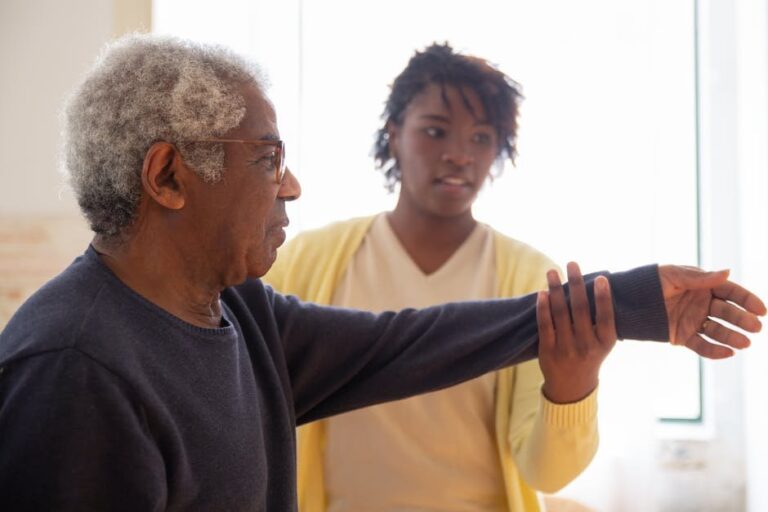
Understanding Stroke and Its Impact on Seniors
A stroke can have a significant impact on seniors, not just physically but also emotionally, affecting their daily lives and independence. Let’s explore the key aspects of stroke and its effects on this vulnerable population.
Definition and Types of Strokes
A stroke occurs when blood flow to the brain is disrupted, either due to a blockage (ischemic) or rupture (hemorrhagic) of blood vessels. There are three main types of strokes: ischemic, hemorrhagic, and transient ischemic attack (TIA).
Ischemic strokes account for approximately 87% of all stroke cases, caused by a blockage in the brain’s blood vessels. These can be further divided into thrombotic and embolic strokes. Thrombotic strokes occur when a blood clot forms within the brain’s blood vessel, while embolic strokes are caused by a clot that breaks loose from another part of the body.
Hemorrhagic strokes, accounting for about 13% of cases, result from bleeding in or around the brain. This can be due to high blood pressure, aneurysm rupture, or arteriovenous malformation (AVM).
TIAs, also known as mini-strokes, occur when a temporary blockage disrupts blood flow to the brain, often caused by a transient narrowing of blood vessels. Recognizing the signs and symptoms of these conditions is crucial for timely medical intervention.
If you suspect someone is having a stroke, remember the acronym “FAST”: Facial weakness, Arm weakness, Speech difficulty, and Time to call emergency services.
Factors Contributing to Stroke Risk in Seniors
As we explore stroke recovery and rehabilitation in seniors, it’s essential to understand the factors that contribute to the risk of having a stroke in the first place. Age is one of the most significant risk factors for strokes in seniors. According to the American Heart Association (AHA), people over 55 years old are at higher risk of experiencing a stroke due to decreased elasticity and strength in blood vessels.
Lifestyle choices also play a crucial role in increasing stroke risk. For example, smoking cigarettes is a well-known risk factor, as it damages blood vessel walls and increases blood pressure. Similarly, consuming high amounts of sodium can lead to hypertension, further straining the cardiovascular system. Maintaining an unhealthy diet that’s rich in saturated fats and low in fruits and vegetables also contributes to stroke risk.
Certain medical conditions can increase stroke likelihood in seniors. These include high blood pressure, diabetes, high cholesterol levels, and atrial fibrillation (an irregular heartbeat). If you or a loved one is experiencing any of these health concerns, it’s crucial to discuss them with your healthcare provider to minimize stroke risk. By being aware of these factors and taking steps to manage and prevent associated conditions, seniors can significantly reduce their likelihood of experiencing a devastating stroke.
Early Intervention: Identifying and Responding to Stroke Symptoms
Recognizing stroke symptoms early on is crucial, as prompt action can significantly improve outcomes. This section will guide you through identifying and responding to stroke signs in seniors.
Recognizing Stroke Warning Signs
Recognizing stroke warning signs is crucial for timely intervention and potentially preventing long-term damage. As a caregiver or family member of a senior, you play a vital role in identifying the symptoms. Look out for these common warning signs: facial weakness, arm or leg weakness, difficulty speaking or understanding speech, sudden severe headache with no known cause, vision changes or loss of vision, dizziness or loss of balance, and numbness or tingling sensations.
Act quickly if you notice any of these symptoms in yourself or someone else. The American Heart Association suggests calling emergency services immediately if the person is experiencing weakness on one side of their body or difficulty speaking clearly. Every minute counts – timely medical attention can significantly improve outcomes.
Remember that stroke warning signs can be subtle, and some people may experience mild symptoms initially. Don’t hesitate to seek help if you notice any unusual changes in behavior or physical abilities. Prompt intervention is key to minimizing long-term damage and supporting the recovery process.
Calling Emergency Services and Administering Care
When you suspect that someone is experiencing a stroke, every minute counts. The American Heart Association emphasizes that prompt medical attention can significantly improve outcomes and reduce long-term damage. To respond effectively, it’s essential to know what actions to take.
First, call emergency services immediately by dialing your local emergency number or 911 in the United States. Stay on the line and provide as much information as possible about the situation, including the person’s symptoms and any medical history they may have. This will help paramedics prepare for their arrival and ensure that they’re equipped to handle the situation.
While waiting for help to arrive, try to keep the person calm and comfortable. Loosen any tight clothing around their neck, remove any glasses or dentures, and elevate their legs about 12 inches above the level of their heart to reduce swelling in the brain. If the person is conscious, encourage them to sit up straight and lean forward slightly with their head between their knees.
Stroke Recovery: A Multidisciplinary Approach
When it comes to stroke recovery, a comprehensive approach is essential for achieving optimal results. This multidisciplinary approach will be explored in detail below, highlighting key strategies and techniques.
Overview of Rehabilitation Goals and Objectives
When a senior experiences a stroke, rehabilitation becomes a critical aspect of their recovery. The primary goal of rehabilitation is to help them regain as much independence and function as possible. This involves addressing both physical and cognitive impairments.
Physically, the focus is on regaining strength, mobility, and coordination. Occupational therapists work with patients to improve daily living skills, such as bathing, dressing, and feeding themselves. Physical therapy aims to restore balance, walking ability, and prevent falls. For example, a patient who was unable to walk may start with short sessions of walking in a physical therapy setting, gradually increasing distance and duration over time.
Cognitively, the goal is to improve memory, attention, and processing speed. Speech therapists help patients regain communication skills, including speaking, reading, and writing. Cognitive rehabilitation also involves strategies for managing daily tasks, such as medication management and meal planning. Rehabilitation objectives may include reducing hospital readmissions, improving quality of life, and enhancing overall well-being.
Rehabilitation plans are tailored to each individual’s needs and abilities, taking into account pre-stroke functional levels. Progress is closely monitored, with adjustments made as necessary to achieve optimal outcomes. A multidisciplinary team approach ensures that all aspects of recovery are addressed, leading to a more comprehensive rehabilitation experience for seniors recovering from stroke.
The Role of Physical Therapy in Stroke Recovery
Physical therapy plays a vital role in stroke recovery, particularly among seniors. After suffering a stroke, many individuals experience weakness, numbness, and loss of mobility in their limbs, making everyday activities challenging. A physical therapist can help patients regain control over their movements through customized exercises and techniques.
To promote mobility and strength, physical therapists may use various equipment such as resistance bands, parallel bars, or treadmills. They might also employ techniques like range-of-motion exercises, which involve gently moving the affected limb through its full range of motion to prevent stiffness. For example, if a patient has difficulty lifting their arm, the therapist might start with small movements, gradually increasing the range and intensity.
Practical advice for family members and caregivers includes participating in physical therapy sessions and practicing gentle mobility exercises at home. This can help patients make progress between sessions and build trust with their therapists. By combining individualized care plans with a supportive environment, physical therapy can significantly enhance stroke recovery outcomes among seniors.
Supporting Cognitive Function Through Rehabilitation
As you work towards recovery, it’s essential to incorporate activities that specifically target cognitive function, such as memory and problem-solving exercises. These can be tailored to meet your individual needs and abilities.
Addressing Memory Loss and Executive Function
Cognitive impairments such as memory loss and executive function deficits are common consequences of stroke. Rehabilitation plays a crucial role in helping seniors recover from these effects and regain their independence.
Memory loss can manifest as difficulty learning new information, recalling familiar words or names, or struggling to remember recent events. Executive function impairments, on the other hand, may affect planning, organization, decision-making, and problem-solving abilities. Both conditions can significantly impact daily life, relationships, and quality of care.
Rehabilitation strategies can help alleviate these symptoms. Cognitive training programs, tailored to each individual’s needs, focus on memory enhancement techniques such as repetition, visualization, and spaced learning. Strategies like the “Peg System” or “Mind Palace” can also be effective in improving memory recall.
In addition to cognitive training, compensatory strategies can help mitigate executive function deficits. These include using planners, reminders, and calendars to stay organized; breaking down tasks into smaller steps; and relying on support systems for decision-making. Family members and caregivers can play a significant role in providing emotional support and encouraging participation in rehabilitation activities.
Strategies for Enhancing Communication Skills
Effective communication is a vital aspect of daily life that can be significantly impacted by stroke. Many seniors experience difficulties with speech, reading, and writing due to damage to areas of the brain responsible for language processing. To aid in improving communication skills after a stroke, speech therapy is often recommended.
A speech-language pathologist (SLP) will work with the senior to develop a personalized treatment plan that may include exercises to improve articulation, fluency, and comprehension. These sessions can be tailored to address specific needs, such as difficulty with word retrieval or trouble understanding spoken language. For instance, a patient may practice repeating words or phrases, gradually increasing the complexity of sentences.
In addition to traditional speech therapy, alternative methods of expression can also be beneficial. This may include using augmentative and alternative communication (AAC) devices, such as tablets or picture-based systems, to facilitate communication. These tools can help seniors who struggle with verbal communication express themselves more effectively. For example, an AAC device might display a menu of common phrases or sentences that the senior can select from to convey their message.
Managing Post-Stroke Complications and Comorbidities
When a senior experiences a stroke, it’s not just the initial event that can impact their recovery, but also the complications and comorbidities that may arise afterward. This section will guide you through managing these challenges effectively.
Common Complications Following Stroke
After experiencing a stroke, seniors may face various complications that can hinder their recovery and rehabilitation. One of the most common complications is pneumonia, which can arise due to respiratory muscle weakness or aspiration. Studies have shown that up to 20% of stroke patients develop pneumonia within the first week after the event.
Urinary tract infections (UTIs) are another frequent complication following a stroke. Weakened bladder control and incontinence increase the risk of UTIs, which can lead to further health issues if left untreated. It’s essential for caregivers and healthcare providers to monitor for signs of UTI, such as frequent urination, burning sensations while urinating, or cloudy urine.
Deep vein thrombosis (DVT) is another potential complication that requires immediate attention. When blood clots form in the legs, they can break loose and travel to other parts of the body, potentially causing a pulmonary embolism. To prevent DVT, healthcare providers often recommend compression stockings, regular exercise, or anticoagulant medication.
It’s crucial for seniors recovering from a stroke to work closely with their healthcare team to manage these complications and develop strategies for prevention. By staying vigilant and taking proactive measures, patients can minimize the risk of these common complications and focus on achieving a successful rehabilitation outcome.
Strategies for Preventing and Managing Comorbidities
Preventing and managing conditions like hypertension, diabetes, and high cholesterol is crucial to reducing the risk of another stroke. These comorbidities can increase blood pressure, damage blood vessels, and alter lipid profiles, making it more challenging for seniors to recover from a stroke.
To prevent these conditions, it’s essential to maintain a healthy lifestyle. This includes engaging in regular physical activity, such as brisk walking or swimming, for at least 30 minutes a day. A balanced diet rich in fruits, vegetables, whole grains, and lean protein sources should also be prioritized. Additionally, seniors should aim to limit their sodium intake to less than 2,300 milligrams per day.
For those with existing comorbidities, managing medications is critical to preventing complications. Regular monitoring of blood pressure, blood sugar, and lipid levels can help identify potential issues early on. Medication adherence, lifestyle modifications, and working closely with a healthcare provider are all key components in managing these conditions effectively. By taking proactive steps to prevent and manage comorbidities, seniors can reduce their risk of another stroke and improve their overall health and well-being.
Case Studies: Real-Life Examples of Stroke Recovery in Seniors
Let’s look at some inspiring real-life examples of how seniors have overcome stroke challenges through targeted rehabilitation and therapy programs. Here, we’ll share three remarkable case studies.
Stories of Triumph Over Adversity
As we delve into the world of stroke recovery and rehabilitation in seniors, it’s essential to remember that every individual’s journey is unique. However, there are countless stories of triumph over adversity that serve as a testament to the human spirit’s resilience.
Take, for instance, Margaret, an 82-year-old who suffered a severe stroke, leaving her unable to speak or move her left side. With determination and the support of her family and medical team, she worked tirelessly through physical therapy, regaining mobility in her arm and leg. What’s remarkable is that within six months, not only did Margaret regain her speech but also started painting again – a hobby she hadn’t pursued since her youth.
Another inspiring example is John, who at 75 years old experienced a stroke that left him with significant cognitive impairment. Through intensive occupational therapy, he slowly regained his memory and ability to perform daily tasks. What’s crucial to note is that both Margaret and John had strong support systems – family members who were committed to their recovery.
These stories serve as powerful reminders of the importance of staying positive and focused during the recovery process. It’s essential for seniors and their loved ones to understand that recovery from a stroke is not only about physical rehabilitation but also emotional and psychological healing.
Insights From Healthcare Professionals
We spoke with several healthcare professionals who specialize in stroke rehabilitation to gain insights into the latest research and best practices for seniors. Dr. Rachel Kim, a physical therapist at a leading stroke rehabilitation center, emphasizes the importance of early intervention. “The first few weeks after a stroke are crucial for recovery,” she explains. “During this time, our goal is to restore as much function as possible and prevent complications.”
When it comes to rehabilitation, Dr. James Lee, an occupational therapist, stresses the need for individualized care plans. “Every patient’s needs are unique, so we work closely with them and their families to develop a personalized plan that addresses their specific goals and challenges.” Research has shown that intensive therapy programs, such as those used at the Shepherd Center in Atlanta, can lead to significant improvements in mobility and function.
In our conversations, healthcare professionals also highlighted the importance of caregiver support. “Family members or caregivers play a vital role in helping patients stay motivated and engaged during rehabilitation,” notes Dr. Kim. We’ll explore ways to involve caregivers in the recovery process later on in this guide.
Frequently Asked Questions
Can I still work with a healthcare professional if I or my loved one has pre-existing health conditions?
Yes, working with a healthcare professional is crucial for stroke recovery and rehabilitation, even with pre-existing conditions. They will create a personalized treatment plan that considers your unique needs and complications.
What are some common post-stroke complications in seniors that need to be managed during rehabilitation?
Common complications include cognitive impairment, memory loss, executive function deficits, communication difficulties, and mobility issues. Effective management involves addressing these challenges through targeted rehabilitation strategies and ongoing care coordination.
How can I support my loved one’s emotional well-being during the stroke recovery process?
Supporting emotional well-being is vital for a successful outcome. Focus on creating a safe environment, promoting independence, encouraging open communication, and providing emotional validation to your loved one as they navigate their new reality after stroke.
What is the importance of multidisciplinary care in optimizing stroke rehabilitation outcomes in seniors?
Multidisciplinary care involves a team of professionals from various disciplines (e.g., physical therapy, occupational therapy, speech therapy) working together to address all aspects of stroke recovery. This comprehensive approach ensures that every aspect of health and function is considered, maximizing the chances for successful recovery.
How can I ensure continuity of care for my loved one as they transition between rehabilitation phases or settings?
Ensure smooth transitions by maintaining open communication with healthcare providers, attending regular meetings, and keeping detailed records of progress and ongoing needs.