
Are you tired of feeling overwhelmed by stress? Do you find yourself struggling to cope with anxiety on a daily basis? You’re not alone. Stress is a common problem that affects millions of people worldwide, and it can have serious consequences for our physical and mental health if left unchecked. The good news is that there are many effective exercises to reduce stress that can help you manage your anxiety and live a healthier life.
In this comprehensive guide, we’ll show you how to use breathing exercises, physical activities, mindfulness techniques, and lifestyle changes to calm your mind and body. We’ll cover the benefits of each approach, provide step-by-step instructions on how to incorporate them into your daily routine, and offer tips for making lasting lifestyle changes. Whether you’re looking for quick stress-relief or long-term solutions, this article will give you the tools you need to take control of your stress levels and achieve a better work-life balance.
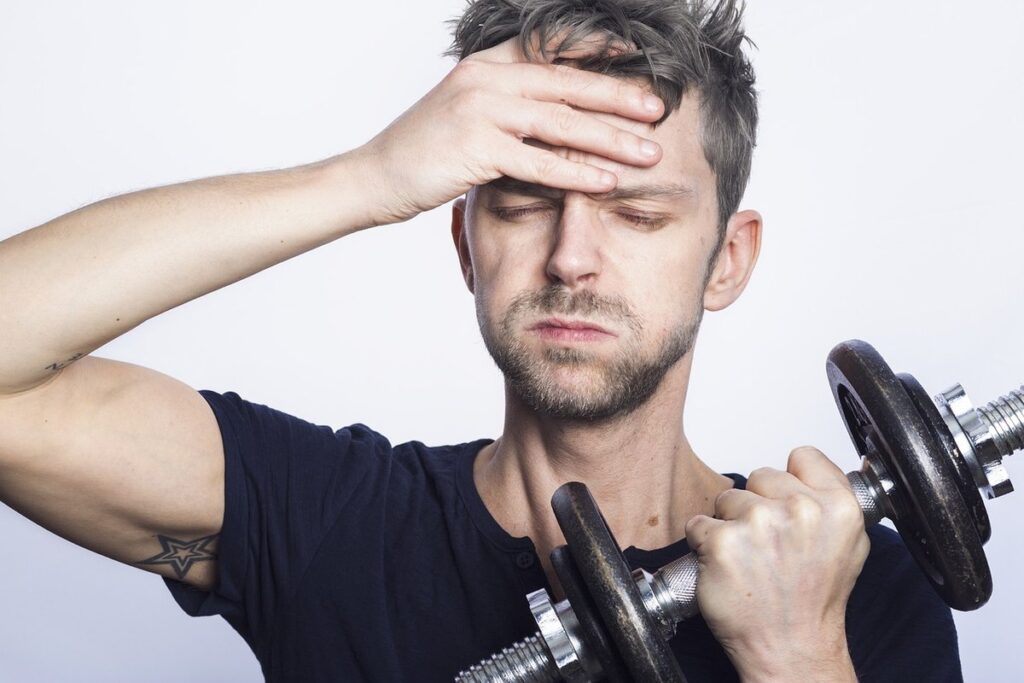
Understanding Stress and Its Effects
Stress affects us all, but do you know how it impacts your mind and body? Let’s explore the effects of stress and why exercise is a powerful tool for managing its symptoms.
The Science of Stress
Stress is a natural response of our body’s fight-or-flight mechanism. When we perceive a threat, whether physical or emotional, our nervous system releases stress hormones like adrenaline and cortisol into the bloodstream. These hormones prepare us to either confront the danger or flee from it by increasing heart rate, blood pressure, and energy levels.
However, when this response is triggered frequently or persists over time, it can have negative consequences on both mental and physical health. Chronic stress can lead to anxiety, depression, digestive problems, sleep disorders, and a weakened immune system. It’s estimated that over 75% of Americans experience stress daily, with the majority reporting it affects their relationships, work performance, and overall well-being.
Interestingly, not all stress is created equal. Eustress, or positive stress, is a state of mild stimulation that can actually boost motivation, creativity, and productivity. Think of it as a “good kind” of stress that helps you push through challenges and reach your goals. While some amount of eustress is healthy, chronic stress can be detrimental to both mental and physical health.
In the next section, we’ll explore how exercise can help mitigate the negative effects of stress and even induce a sense of eustress.
Recognizing the Signs of Stress
Recognizing the signs of stress is crucial to taking control of your well-being. When we’re under pressure, our bodies and minds can exhibit a range of physical, emotional, and behavioral changes.
On the physical side, you might notice fatigue, headaches, or muscle tension. You may experience digestive issues like irritable bowel syndrome (IBS) or stomach ulcers due to increased cortisol levels. Your sleep patterns could be disrupted, leading to insomnia or excessive daytime sleepiness. In some cases, people even develop skin problems like acne or eczema.
Emotional symptoms of stress can be just as apparent. You might feel anxious, irritable, or short-tempered. Mood swings become more frequent, and you may experience feelings of sadness, hopelessness, or helplessness. Some individuals struggle with social withdrawal, while others become overly competitive or perfectionistic.
Behavioral changes often follow these emotional shifts. You might start procrastinating, making excuses for why tasks can’t be completed. Your eating habits could change, leading to unhealthy choices like overeating or undereating. In extreme cases, people turn to substance abuse as a coping mechanism.
Breathing Exercises for Stress Relief
Breathing exercises are a simple yet powerful tool to help calm your mind and body when feeling overwhelmed. Let’s explore some of the most effective breathing techniques for stress relief.
The Power of Deep Breathing
Deep breathing is one of the most effective exercises for reducing stress and promoting relaxation. When we’re feeling overwhelmed, our breath tends to become shallow and rapid, which can exacerbate feelings of anxiety and tension. By intentionally taking slow, deep breaths, we can calm our nervous system and reduce the production of stress hormones like cortisol.
Studies have shown that regular deep breathing practices can lower heart rate and blood pressure, leading to a decrease in overall stress levels. In fact, one study found that just five minutes of deep breathing per day can reduce anxiety symptoms by 40%. By incorporating deep breathing into your daily routine, you can improve your mood, increase focus, and even boost your immune system.
To practice effective deep breathing, start by finding a quiet, comfortable space to sit or lie down. Close your eyes and place one hand on your belly and the other on your chest. Inhale slowly through your nose, allowing your belly to rise as your diaphragm descends. Exhale slowly through your mouth, feeling your belly fall as your diaphragm rises. Aim for six to eight breaths per minute, and try to maintain a consistent rhythm. With regular practice, you’ll find that deep breathing becomes second nature – a powerful tool in your stress-reduction arsenal.
Alternate Nostril Breathing
Alternate Nostril Breathing is an ancient yoga practice that has been used for centuries to calm the mind and body. This technique involves closing one nostril while inhaling through the other, which can help balance the breath and reduce stress and anxiety. To perform Alternate Nostril Breathing, place your right hand in front of your face with your thumb and pinky finger forming a “V” shape. Close your right nostril with your thumb and inhale deeply through your left nostril. Then, close your left nostril with your pinky finger and exhale through your right nostril.
This practice can help calm the nervous system by stimulating the parasympathetic response, which counteracts stress and anxiety. Regular practice of Alternate Nostril Breathing has been shown to lower cortisol levels, improve sleep quality, and increase feelings of relaxation and calmness. To get started, try practicing this technique for 5-10 minutes each day, focusing on deep, slow breaths. As you inhale through one nostril and exhale through the other, pay attention to any sensations or thoughts that arise, allowing yourself to let go of tension and stress with each exhalation.
Physical Exercises to Reduce Stress
Now that we’ve covered yoga and meditation, let’s dive into some physical exercises that can help reduce stress and boost your mood. These activities are easy to incorporate into daily life.
Yoga for Stress Relief
When it comes to managing stress, yoga is an excellent addition to your self-care routine. Not only does it promote physical well-being, but it also offers a calming effect on the mind and body. Among various yoga styles, Hatha, Vinyasa, and Restorative yoga are particularly beneficial for reducing stress.
Hatha Yoga focuses on balancing opposing forces within the body, such as yin and yang, to create a sense of calmness. It involves static postures, breathing techniques, and relaxation methods. On the other hand, Vinyasa Yoga is a dynamic flow-style practice that links movement with breath. This type of yoga helps reduce stress by releasing tension in the muscles and calming the nervous system.
Restorative Yoga takes it to another level by incorporating props to support the body while it relaxes. This style of yoga encourages deep relaxation, allowing you to recharge and rejuvenate your mind and body. To incorporate yoga into your daily routine, start with short sessions – even 10-15 minutes a day can be beneficial. As you progress, you can gradually increase the duration and intensity. Try practicing yoga in the morning or before bed for optimal stress relief benefits.
Aerobic Exercise and Stress Reduction
Aerobic Exercise and Stress Reduction
Regular aerobic exercise has been shown to be an effective stress-reducing activity. When you engage in physical activity that raises your heart rate, it releases endorphins, also known as “feel-good” hormones. These natural chemicals help improve your mood by reducing symptoms of anxiety and depression.
Studies have consistently demonstrated the link between aerobic exercise and reduced stress levels. For example, a study published in the Journal of Psychosomatic Research found that women who engaged in regular aerobic exercise experienced significant reductions in anxiety and improved sleep quality compared to those who did not exercise regularly.
To incorporate aerobic exercise into your stress-reduction routine, try activities like brisk walking, jogging, cycling, or swimming. Aim for at least 30 minutes per session, three to four times a week. You can also start with shorter sessions and gradually increase duration as you build endurance.
Remember, the key is consistency. Regular aerobic exercise can help regulate your mood, improve sleep quality, and enhance overall well-being – all essential components of effective stress management. By incorporating physical activity into your daily routine, you’ll be better equipped to handle life’s challenges and manage stress levels in a healthy way.
Mindfulness Exercises for Stress Management
Let’s dive into some simple yet effective mindfulness exercises that can help calm your mind and reduce stress levels naturally. These mindful moments can be practiced anywhere, anytime to de-stress.
The Benefits of Meditation
Meditation has been extensively researched for its ability to reduce stress and anxiety. Studies have shown that regular meditation practice can decrease cortisol levels by up to 30%, lower blood pressure, and improve sleep quality. The science behind meditation lies in its effect on the brain’s default mode network (DMN), which is responsible for our thoughts, emotions, and behaviors. When we meditate, we are able to quiet the DMN, reducing rumination and worry.
To get started with a mindfulness practice, find a quiet and comfortable spot where you can sit without distractions. Close your eyes and focus on your breath, noticing when it becomes shallow or deep. Start with short sessions of 5-10 minutes per day, and gradually increase as you become more comfortable with the practice. You can also use guided meditation apps like Headspace or Calm to lead you through exercises tailored to your needs.
Experimenting with different types of meditation, such as body scan, loving-kindness, or transcendental meditation, may help you find what suits you best. Remember that consistency is key – make meditation a daily habit, just like brushing your teeth or taking a shower. With regular practice, you’ll begin to notice the positive impact on your mental and physical well-being.
Body Scan Meditation
When practicing body scan meditation, find a quiet and comfortable spot to lie down or sit with your back supported. Close your eyes and take a few deep breaths, inhaling through your nose and exhaling through your mouth.
Begin by bringing your attention to the crown of your head. As you focus on this area, release any tension or stress you may be holding onto. Imagine warm, soothing light filling in any spaces where tension might be present. Gradually move down through your body, scanning each section from neck and shoulders, down to your arms, hands, chest, abdomen, lower back, hips, legs, ankles, and finally, your toes.
As you focus on each area, allow yourself to relax further with each exhalation. Notice if there are any areas of tension or discomfort, but avoid judgment – simply acknowledge and release it. With regular practice, body scan meditation can help reduce stress, improve sleep quality, and increase overall sense of well-being.
Lifestyle Changes to Reduce Stress
While exercise is a powerful stress-reliever, making lifestyle changes to support your well-being can amplify its effects and lead to greater overall calm. Let’s explore some simple yet impactful adjustments you can make today.
Time Management Strategies
When it comes to reducing stress through exercises, managing our time effectively is crucial. It’s easy to get bogged down in daily tasks and responsibilities, leaving little room for self-care activities like exercise. However, incorporating regular physical activity into our routine can have a significant impact on stress levels.
To make the most of your exercise time, it’s essential to prioritize tasks and manage your schedule wisely. Start by setting realistic goals for yourself, both short-term and long-term. Break down larger objectives into smaller, manageable chunks, and allocate specific timeslots for each task.
Prioritize your daily activities using the Eisenhower Matrix:
- Urgent and important tasks (Do First)
- Important but not urgent tasks (Schedule)
- Urgent but not important tasks (Delegate)
- Not urgent or important tasks (Delete)
Avoid procrastination by focusing on one task at a time, and take regular breaks to recharge. This will help you stay motivated and avoid burnout. By implementing these time management strategies, you’ll be able to fit in your favorite stress-reducing exercises without feeling overwhelmed. Remember, taking care of yourself is not a luxury – it’s a necessity.
Healthy Sleep Habits
Getting enough sleep is one of the most crucial lifestyle changes you can make to reduce stress. When we’re well-rested, our bodies are better equipped to handle the demands of daily life, and we’re more resilient to stressors. Research has shown that chronic sleep deprivation can lead to increased levels of cortisol, a hormone associated with stress.
To prioritize healthy sleep habits, establish a bedtime routine that signals your body it’s time to wind down. This could be as simple as reading a book, taking a warm bath, or practicing gentle stretches before bed. Aim to create a relaxing sleep environment by ensuring your bedroom is dark, quiet, and cool. Consider using blackout curtains, earplugs, or a white noise machine if necessary.
Aim for 7-9 hours of sleep each night to help regulate stress hormones. If you’re finding it difficult to fall asleep or stay asleep, try implementing a consistent sleep schedule and avoiding screens before bedtime. By prioritizing your sleep, you’ll be better equipped to tackle the exercises and activities outlined in this guide to reduce stress.
Conclusion: Embracing a Stress-Free Lifestyle
As you’ve learned various exercises to reduce stress throughout this guide, it’s essential to remember that adopting a stress-free lifestyle is a journey. It requires patience, consistency, and self-awareness. You can’t expect immediate results, but with time and practice, you’ll notice significant improvements in your mental and physical well-being. Start by incorporating one or two exercises from our guide into your daily routine and gradually increase the frequency and duration as you become more comfortable.
Take small steps towards a stress-free lifestyle by being kind to yourself and acknowledging that it’s okay to make mistakes along the way. Practice mindfulness, and remember to breathe – take slow, deep breaths in through your nose and out through your mouth. This simple yet powerful technique can calm your mind and body, allowing you to feel more centered and focused. By embracing a stress-free lifestyle, you’ll be better equipped to handle life’s challenges with ease and confidence.
Frequently Asked Questions
How can I know if the exercises are really working for me?
It’s normal to feel skeptical at first, but with consistent practice, you should start noticing improvements in your stress levels within a few weeks. Pay attention to how you feel after each exercise session and track any changes in your mood, energy levels, or overall well-being.
What if I’m struggling to find the time for physical exercises?
You don’t need to dedicate an hour to exercise every day. Even 10-15 minutes of gentle stretching or yoga can be beneficial. Try incorporating short breaks throughout your day or scheduling a workout during your lunch break. Be realistic and start small – it’s better to make progress than to give up due to lack of time.
Can I combine multiple stress-reducing techniques together?
Absolutely! Many people find that combining physical exercise with mindfulness practices, like meditation or deep breathing, can be incredibly effective. Experiment with different combinations to find what works best for you and your lifestyle. For example, try a brisk walk while listening to calming music or practicing mindful walking.
How long does it take to see lasting results from these exercises?
Results may vary depending on individual factors, but most people start noticing significant improvements in their stress levels within 30-60 days of consistent practice. It’s essential to remember that reducing stress is a journey, and small steps add up over time. Be patient, stay committed, and celebrate your progress along the way.
Can I adapt these exercises for special populations (e.g., seniors, children, or people with disabilities)?
Yes! Many stress-reducing exercises can be modified to accommodate different abilities and needs. For instance, gentle yoga is often more accessible than high-impact aerobics. Research adapted versions of exercises specifically designed for your target population or consult with a healthcare professional for guidance on making modifications.