
As we age, it’s essential to find activities that keep our minds and bodies active. But did you know that playing games can actually help reduce your risk of dementia? That’s right! Engaging in fun games is not only entertaining but also has a significant impact on our overall well-being.
Research suggests that social interaction, mental stimulation, and physical activity are key factors in maintaining cognitive health. This is where games come in – they’re an excellent way to combine these essential elements while having a blast. In this article, we’ll explore some fun game ideas suitable for senior citizens, discuss safety considerations, and provide tips on how to get started.
Whether you’re looking to connect with friends, stay mentally sharp, or simply have some fun, we’ve got you covered. So, let’s dive into the world of games and discover how they can be a powerful tool in promoting physical activity, social connections, and mental health in senior citizens.
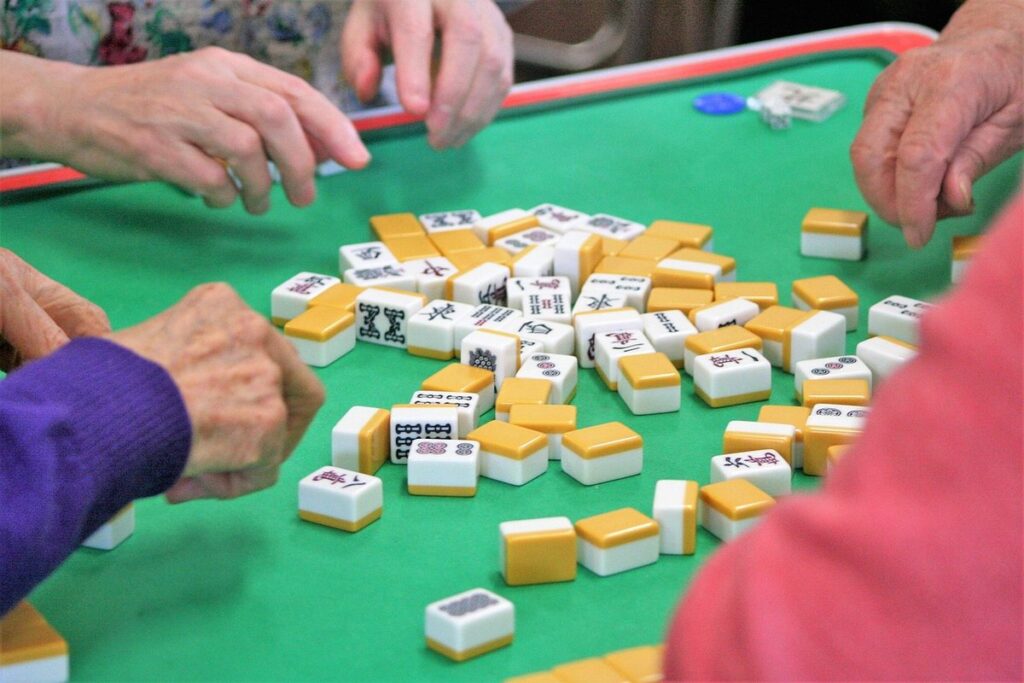
Benefits of Playing Games for Seniors
Playing games can have a significant impact on your overall well-being, and we’re excited to share some of the key benefits you can expect from incorporating gaming into your life. Whether it’s mental stimulation or social interaction, games offer so much more than just fun.
Reduces Risk of Dementia and Cognitive Decline
Playing games is not only an enjoyable activity for senior citizens but also a powerful tool to reduce the risk of dementia and cognitive decline. Research has shown that engaging in mentally stimulating activities can delay or even prevent age-related cognitive decline. Studies have found that individuals who regularly engage in cognitively demanding activities, such as puzzles, strategy games, and brain teasers, exhibit slower rates of cognitive decline compared to those who do not.
For instance, a study published in the journal Neurology discovered that participating in mentally stimulating activities reduced the risk of dementia by 35%. Another study found that engaging in cognitively challenging activities, like reading, writing, and problem-solving, can build cognitive reserve, which helps protect against age-related cognitive decline. To incorporate games into your daily routine for a healthier brain, try setting aside time each day to play word games, do crossword puzzles, or engage in strategy-based games like chess or bridge.
Engaging in physical activities while playing games is also essential for overall health and well-being. For example, you can dance while playing music trivia or walk around the room while solving math problems. Mixing physical activity with mental stimulation will not only reduce the risk of dementia but also improve overall fitness and mobility.
Fosters Social Connections and Community Building
Social connections play a vital role in maintaining the physical and mental well-being of seniors. As people age, they may experience social isolation due to loss of loved ones, retirement, or mobility issues. Games provide an excellent way for senior citizens to interact with others, reducing feelings of loneliness and promoting a sense of community.
Board games like Scrabble, Chess, and Bridge are perfect for facilitating social connections among seniors. These games encourage teamwork, strategic thinking, and friendly competition, which can lead to enjoyable conversations and laughter. Many retirement communities and assisted living facilities organize game nights or clubs specifically designed for seniors.
Playing games with others also helps combat cognitive decline by stimulating the brain and promoting memory recall. Engage your senior loved ones in these activities and you’ll see them forming new friendships and bonds over time. To encourage social gaming, consider hosting a monthly game night at home, joining a local seniors’ club, or volunteering at an assisted living facility to facilitate intergenerational connections through play. This way, they can engage with others who share similar interests, fostering meaningful relationships that bring joy and purpose to their lives.
Types of Games Suitable for Senior Citizens
When it comes to finding games that are both enjoyable and accessible, there are several types worth considering. Let’s take a closer look at some popular options.
Board Games and Puzzles
Board games and puzzles are an excellent way for senior citizens to stay engaged, challenged, and entertained. Many classic board games are perfect for seniors, including Scrabble, Chess, and crosswords. These games not only provide a mental workout but also offer opportunities for social interaction, which is essential for physical and emotional well-being.
Scrabble, in particular, is an excellent choice for seniors as it encourages vocabulary building, strategy, and memory recall. The game’s competitive nature can be adapted to suit individual skill levels, making it accessible to seniors with varying abilities. To get started, consider using a Scrabble board with larger tiles or playing online versions of the game.
Crosswords are another popular option that cater to senior interests. Many newspapers and magazines offer daily crossword puzzles specifically designed for seniors, with easier vocabulary and smaller grid sizes. You can also try online crosswords or apps that offer varying levels of difficulty and themes.
Card Games and Video Games
When it comes to card games, seniors have plenty of options that are both enjoyable and mentally stimulating. Bridge is a popular choice among seniors, as it requires strategy, memory, and social interaction. Many communities offer bridge clubs or online groups, making it easy for seniors to find opponents and learn new strategies.
Another accessible card game is Poker, which can be played with friends or family members. While some versions of Poker may require complex math calculations, there are many simplified versions designed specifically for seniors that focus on fun rather than skill.
Video games have also become increasingly popular among seniors in recent years. Games like Age of Empires and Civilization offer a fun way to engage with history, strategy, and problem-solving without requiring advanced technology skills. Many video games are now designed with accessibility features such as large print, audio descriptions, and customizable controls, making them more inclusive for seniors.
It’s essential to note that when introducing new games to seniors, it’s best to start slow and focus on simple rules and gameplay. This will help build confidence and enjoyment, ensuring a positive gaming experience.
Indoor Games for Seniors with Mobility Issues
If you’re a senior citizen with mobility issues, don’t worry – there are plenty of fun indoor games that can be played from the comfort of your own home. We’ll explore some exciting options for you to stay engaged and active.
Low-Impact Exercises and Stretching
As we explore indoor games for seniors with mobility issues, it’s essential to incorporate exercises that are low-impact and gentle on joints. These can be done from a seated position or with minimal mobility, making them perfect for seniors who may have difficulty standing or moving around.
Examples of low-impact exercises include chair yoga, which involves gentle stretches and movements while seated in a chair. You can also try seated marching, where you lift your legs off the floor and march in place while seated. Another option is to use resistance bands, which provide a gentle stretch and can be used while seated or standing with support.
To incorporate stretching into your indoor games routine, try some simple exercises like shoulder rolls, neck stretches, and wrist extensions. These can help improve flexibility and reduce stiffness, making it easier to move around and engage in activities. For example, you can roll your shoulders forward and backward in a circular motion, or gently tilt your head to one side to stretch your neck.
Remember to always consult with a healthcare professional before starting any new exercise routine, especially if you have any underlying health conditions or concerns. With the right guidance and precautions, low-impact exercises and stretching can be a great way to stay engaged and active while managing mobility issues.
Virtual Reality Experiences
Virtual reality (VR) technology has been making waves in recent years, and its potential benefits for seniors with mobility issues are undeniable. Imagine being able to explore the Grand Canyon without leaving your armchair, or practicing yoga in a serene virtual garden. VR experiences can be tailored to cater to individual interests and abilities, providing an immersive and engaging experience that’s both fun and accessible.
For seniors with mobility issues, VR experiences can be particularly beneficial as they offer a way to stay engaged and active from the comfort of their own homes. Many VR games and experiences are designed specifically for seniors, incorporating simple controls and gentle exercises to help improve cognitive function, balance, and coordination. For example, “Minecraft: Education Edition” is a popular VR experience that allows users to build and explore virtual worlds, promoting problem-solving skills and creativity.
To get started with VR gaming as a senior, consider investing in a user-friendly headset like the Oculus Quest or Vive Pro. Many VR experiences are available on these platforms, including educational games, art therapy sessions, and even virtual tours of museums and historical landmarks.
Outdoor Games and Activities for Seniors
When it comes to staying active, many seniors find that outdoor games are an excellent way to get some exercise while having fun with friends and family. Consider trying lawn games like croquet or bocce ball next time you’re outdoors.
Group Sports and Team-Building Exercises
Group sports and team-building exercises are an excellent way for senior citizens to stay physically active while fostering social connections. Bowling is a classic example of such activities, requiring coordination, balance, and endurance. Golf is another popular choice, offering opportunities for outdoor exercise and camaraderie. Other group activities like basketball, tennis, and volleyball can be adapted for seniors with modifications in rules or equipment.
These sports encourage seniors to engage in physical activity, build strength, and improve flexibility, all while promoting a sense of community and belonging. Joining a local league or club is an ideal way to meet new people and develop lasting relationships. For instance, many retirement communities offer golf leagues specifically designed for seniors, providing a relaxed atmosphere where socializing and exercise go hand-in-hand.
To get started, consider the following steps:
* Consult with a healthcare professional before participating in any new physical activity.
* Choose activities that are enjoyable and manageable for your fitness level.
* Start slow and gradually increase intensity and duration as you become more comfortable.
Gardening and Nature-Based Activities
Gardening and nature-based activities are often overlooked as fun games for seniors, but they offer numerous benefits for overall well-being. Spending time outdoors can improve mental health by reducing stress, anxiety, and depression. In fact, a study published in the Journal of Environmental Psychology found that even short periods of exposure to natural environments can have positive effects on mental health.
Gardening, in particular, provides an opportunity for seniors to engage their physical bodies while cultivating a sense of purpose and accomplishment. It’s not just about planting flowers; gardening requires planning, problem-solving, and multitasking – skills that can help slow cognitive decline. Plus, the satisfaction of seeing your efforts come to life is a great motivator.
To get started with gardening or nature-based activities, consider the following tips: Start small by dedicating a few minutes each day to tending to plants or taking short walks around the neighborhood. You can also try container gardening on a balcony or patio if mobility is an issue. Invite friends or family members to join you for socialization and support. And don’t forget to wear protective gear, such as sunscreen and hats, when spending time outdoors during peak sun hours. By incorporating these simple activities into your daily routine, you can reap the rewards of improved physical and mental health while having fun in nature.
Safety Considerations for Senior Gamers
When enjoying games, senior gamers should be aware of some essential safety considerations to avoid potential risks such as eye strain and social scams. Let’s explore these crucial precautions together.
Preventing Injury and Fatigue
As you enjoy playing games, it’s essential to prioritize your safety and well-being. Gaming can be an excellent way to stay engaged and active, but prolonged sessions can lead to injuries and fatigue. To avoid this, take regular breaks every 30-60 minutes to stretch and move around.
When gaming, keep your posture in mind: sit comfortably with good back support, feet flat on the floor, and wrists straight. Avoid hunching over or leaning forward for extended periods. For example, if you’re playing a game that requires intense focus, consider taking breaks every 20-30 minutes to stand up, stretch, and move around.
Additionally, monitor your gaming time, especially if you have pre-existing health conditions or take medications that may affect your energy levels. Aim for shorter sessions (1-2 hours) and adjust as needed to maintain comfort and prevent fatigue. By incorporating these simple tips into your gaming routine, you can enjoy playing games while protecting your health and well-being.
Cybersecurity and Online Safety
As senior gamers spend more time online, it’s essential to prioritize their cybersecurity and online safety. With so many seniors turning to gaming as a hobby, the risk of cyber threats and scams increases. To stay protected, start by updating your device’s operating system and browser regularly. This will ensure you have the latest security patches and features.
Use strong, unique passwords for all accounts, and consider using a password manager to keep track of them. Be cautious when clicking on links or downloading attachments from unknown sources – these can be phishing attempts designed to steal your personal information.
When playing online games, use two-factor authentication whenever possible to add an extra layer of security. Avoid sharing sensitive information like passwords or financial details with others. Regularly back up your data and consider investing in antivirus software to safeguard against malware.
Finally, keep your gaming sessions private by adjusting your account settings to control who can see your activity. With these simple precautions, senior gamers can enjoy their favorite games while staying safe online.
Conclusion: Empowering Seniors through Fun Games
As we conclude our exploration of fun games for senior citizens, let’s summarize the ways these activities can empower and engage older adults in their golden years. We’ll highlight key takeaways from this journey.
Recap of Key Takeaways
As we conclude our exploration of fun games for senior citizens, let’s recap the key takeaways to help you empower seniors through engaging activities.
We’ve discussed various types of games suitable for seniors, including board games, card games, and video games. These games can improve cognitive function, boost memory, and enhance social connections, all of which are crucial for maintaining a healthy mind and body in old age. For instance, Scrabble can help with word recall and language skills, while poker can improve strategic thinking and concentration.
To ensure seniors’ safety while playing games, it’s essential to consider the following: choosing games that accommodate physical limitations, using assistive devices when necessary, and taking regular breaks to avoid fatigue. Additionally, incorporating gentle exercises into game sessions, such as stretching or chair yoga, can help prevent injuries and promote overall well-being.
Remember, the goal is to have fun while staying engaged and active. By selecting suitable games and prioritizing safety, you can create a supportive environment for seniors to thrive in their golden years.
Encouraging Seniors to Get Involved in Gaming Communities
Getting seniors involved in gaming communities can be a great way to enrich their lives and combat social isolation. Many seniors may be hesitant to join online gaming groups due to concerns about technology or feeling left out of modern gaming trends. However, with the right approach, they can discover new interests, connect with others, and have fun.
Start by introducing them to low-stakes games like puzzle games, card games, or board games that are often available in mobile apps. These games are usually easy to learn and require minimal investment, making them an excellent starting point. Encourage seniors to play with friends or family members who can provide support and encouragement.
To make it more engaging, consider joining online forums or Facebook groups dedicated to senior gamers. Many of these communities offer beginner-friendly tutorials, share tips on game selection, and host events specifically designed for seniors. By participating in these groups, seniors can connect with like-minded individuals, learn new games, and build confidence in their gaming abilities.
Consider inviting a friend or family member to play together online or at a local community center. This will make it more enjoyable and provide an opportunity to bond over shared interests. As seniors become more comfortable, they can start exploring other genres, such as strategy games, role-playing games (RPGs), or even video game walkthroughs that offer puzzle-solving challenges.
By taking small steps and being patient, seniors can discover the joys of gaming communities and reap the benefits of social interaction, mental stimulation, and entertainment.
Frequently Asked Questions
What are some ways to adapt games for seniors with mobility issues?
To accommodate seniors with mobility issues, consider using assistive technology, such as voice-controlled devices or adaptive controllers. You can also modify game settings to reduce physical exertion, like playing seated versions of popular outdoor games. Some games even have built-in accessibility features.
How often should senior citizens play games for optimal cognitive benefits?
For maximum cognitive benefits, aim for regular gameplay sessions (3-4 times a week) with varying intensity and duration. This could include shorter sessions for beginners or those with mobility issues, gradually increasing as players become more comfortable.
Can I create my own customized game nights for seniors, incorporating their interests?
Absolutely! Encourage seniors to participate in designing and hosting game nights that cater to their preferences. This not only fosters social connections but also ensures a fun and engaging experience for everyone involved. Consider rotating themes or activities based on participant suggestions.
What if I have concerns about cybersecurity while gaming online with seniors?
Cybersecurity is crucial when playing games online, especially with vulnerable populations like seniors. Choose reputable platforms, ensure strong passwords and account security measures are in place, and educate participants on basic online safety guidelines.
How can I integrate low-impact exercises into my game nights for added physical benefits?
Incorporate light stretching or low-impact exercises between game sessions to promote physical activity. Examples include seated stretches, toe tapping, or chair yoga. This not only enhances the gaming experience but also supports overall health and well-being.