
As we age, staying healthy and engaged becomes increasingly important. But with so many changes happening in our lives, it can be tempting to slow down and take it easy. Not only does an active lifestyle benefit our physical health, but it also has a profound impact on our mental wellbeing. From exercise and nutrition to social connections and purpose, living an active senior life is key to staying healthy, engaged, and independent as we age. In this article, we’ll explore the benefits of an active senior lifestyle in-depth, covering everything from the importance of physical activity to maintaining good nutrition and nurturing social connections. We’ll also provide expert advice and resources on how to get started and make lasting changes for a happier, healthier you.
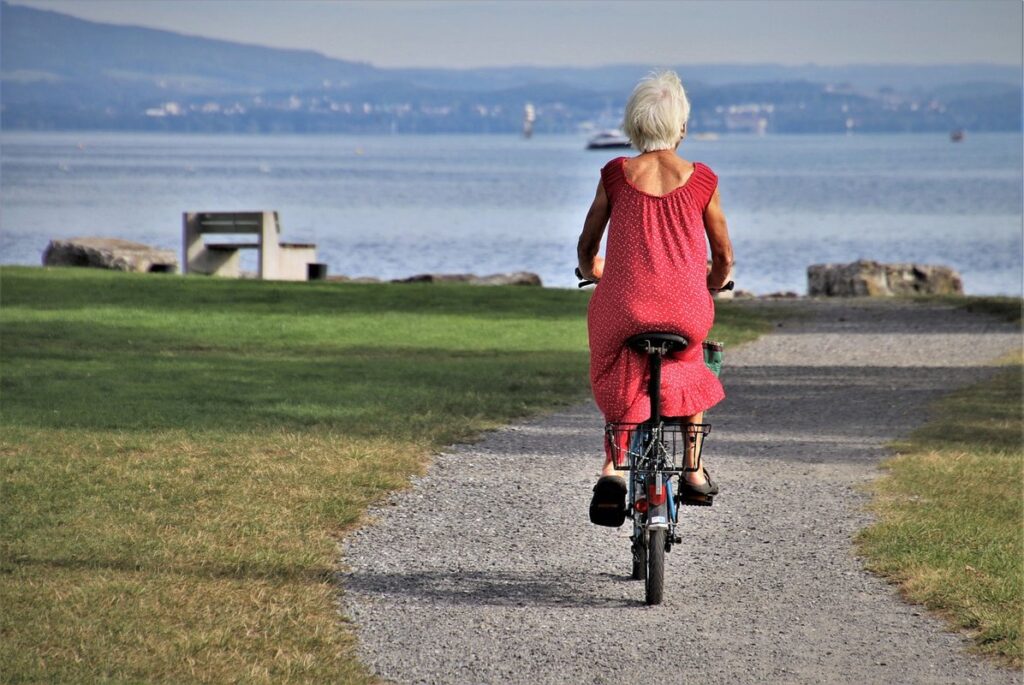
The Benefits of an Active Senior Lifestyle
Engaging in regular physical activity can have a profound impact on your overall well-being, reducing the risk of chronic disease and improving mental health. Let’s explore some of the key benefits of an active lifestyle as we age.
Importance of Physical Activity for Seniors
Regular exercise is not just beneficial for physical health; it also has a profound impact on mental and emotional well-being. As we age, our bodies undergo natural changes that can lead to chronic diseases such as heart disease, diabetes, and osteoporosis. However, research has consistently shown that regular physical activity can significantly reduce the risk of these conditions.
One of the most notable benefits of exercise for seniors is improved mobility. Regular physical activity helps maintain flexibility, balance, and strength, reducing the likelihood of falls and injuries. For example, a study published in the Journal of Aging Research found that older adults who engaged in regular exercise had a 30% lower risk of hip fractures compared to those who were sedentary.
Exercise also has a profound impact on cognitive function. Studies have shown that physical activity can improve memory, concentration, and problem-solving skills in seniors. Moreover, exercise has been linked to a reduced risk of dementia and Alzheimer’s disease. For instance, the National Institute on Aging recommends at least 150 minutes of moderate-intensity aerobic exercise per week for older adults to promote cognitive health. By incorporating regular physical activity into their daily routine, seniors can reap numerous benefits that extend far beyond physical health.
Mental Health and Wellbeing for Older Adults
As we age, maintaining good mental health and wellbeing becomes increasingly important. However, many older adults face significant challenges that can impact their mental wellbeing, particularly social isolation. Living alone, losing a spouse, or experiencing mobility issues can lead to feelings of loneliness and disconnection from others.
This sense of isolation can have severe consequences for our mental health, including increased risk of depression, anxiety, and even dementia. To combat this, it’s essential to prioritize social connections and engage in activities that promote stress management and resilience.
One way to do this is by joining a senior center or club that aligns with your interests. For example, many communities offer book clubs, exercise classes, or volunteering opportunities specifically designed for seniors. Not only will you meet new people and make friends, but these activities can also provide a sense of purpose and fulfillment.
In addition to socializing, practicing stress-reducing techniques like meditation, yoga, or deep breathing exercises can help manage anxiety and promote relaxation. By incorporating these habits into your daily routine, you’ll be better equipped to handle life’s challenges and maintain a healthy mental wellbeing.
Building a Healthy Senior Routine
Establishing a daily routine is essential for seniors, helping you stay organized and maintain healthy habits to enjoy life fully. Let’s explore how to create a tailored schedule that suits your needs.
Creating a Balanced Exercise Plan
Creating an exercise plan that suits your lifestyle is crucial to maintaining physical and mental health as you age. It’s essential to design a routine that balances intensity with frequency and duration to prevent overexertion and injury.
Start by consulting with a healthcare professional or fitness expert who can assess your current level of fitness, any existing medical conditions, and your personal goals. They will help you determine the best types of exercises for you, whether it’s walking, swimming, cycling, or weight training.
A well-rounded routine should include aerobic exercises to improve cardiovascular health, strength training to build muscle mass and bone density, and flexibility exercises to enhance mobility. Aim to exercise at least three times a week, with at least one day of rest in between.
Begin with shorter sessions (20-30 minutes) and gradually increase duration as you become more comfortable. For example, if you’re new to walking, start with short 10-minute walks and gradually work your way up to 30 minutes over several weeks. Listen to your body and adjust the plan as needed to avoid burnout or injury.
Nutrition and Meal Planning for Seniors
As we age, our nutritional needs change, and it’s essential to ensure that we’re fueling our bodies with the right foods to maintain overall health. Proper nutrition is vital for seniors, as it can help prevent chronic diseases, such as diabetes, heart disease, and certain types of cancer. A well-planned diet also supports healthy aging by maintaining muscle mass, bone density, and cognitive function.
When planning meals, consider a balanced diet that includes plenty of fruits, vegetables, whole grains, lean proteins, and healthy fats. Aim to include a variety of colors on your plate to ensure you’re getting a range of essential vitamins and minerals. For seniors with specific dietary needs or restrictions, meal planning can be more challenging.
To simplify grocery shopping, make a list of staples that fit within your nutritional plan and stick to it. Some popular options for seniors include canned goods, frozen fruits and vegetables, and pre-cooked meats. Consider meal delivery services or online recipe platforms that cater specifically to older adults’ needs. By prioritizing proper nutrition and meal planning, you can take control of your health and well-being in later life.
Staying Engaged and Active Outside the Home
When you’re not at home, where do you like to go? We’ll explore ways to stay engaged and active in your community, from local parks to volunteer opportunities.
Social Opportunities and Community Involvement
Staying socially connected is crucial for seniors as it fosters a sense of belonging and purpose. Many communities offer programs that encourage intergenerational connections, such as senior-adult pen pal initiatives or mentorship programs.
Volunteering is another excellent way to meet like-minded people while giving back to the community. Consider organizations focused on causes you’re passionate about, like animal shelters, museums, or food banks. Even small commitments of time can make a significant impact and provide opportunities for new friendships.
Community centers often host events that promote socialization among seniors, such as exercise classes, card games, or art workshops. Take advantage of these activities to meet new people while staying active and engaged. Joining a local club or group aligned with your interests is another great way to expand your social circle and participate in meaningful activities.
By incorporating these social opportunities into your routine, you can build strong connections, combat loneliness, and continue growing as an individual.
Travel and Leisure Activities for Seniors
Traveling and enjoying leisure activities are essential for seniors to stay engaged and active outside of their homes. Not only do these experiences provide a change of scenery, but they also offer opportunities for socialization, exploration, and personal fulfillment.
When it comes to traveling, consider safe options such as escorted tours or cruises specifically designed for older adults. These trips often cater to seniors’ needs, providing accessible transportation, accommodations, and activities that are gentle on joints. For example, some cruise lines offer wheelchair-accessible staterooms, ramps, and elevators, making it easier for seniors to navigate the ship.
Accessible tourist destinations include cities with pedestrian-friendly streets, such as San Francisco or Vancouver, and national parks like Yellowstone or Yosemite, which offer scenic drives and accessible trails. For leisure activities, consider engaging in hobbies like painting, gardening, or cooking classes, which can be found at local community centers or senior living facilities. These activities not only provide mental stimulation but also opportunities to meet new people and form connections.
When planning a trip, research destinations that cater to seniors’ needs, such as resorts with accessible amenities or tour operators that specialize in senior travel. By prioritizing exploration and personal fulfillment, seniors can maintain their physical and mental health while enjoying new experiences and making lasting memories.
Overcoming Barriers to Active Aging
As you navigate the challenges of aging, it’s essential to address the common obstacles that can hinder your active lifestyle. Let’s tackle the barriers to healthy aging head-on and find solutions.
Managing Chronic Health Conditions
Managing chronic health conditions can be a significant challenge for active seniors. Living with diabetes, arthritis, or heart disease requires a thoughtful approach to self-care, medication management, and symptom control.
Developing a personalized care plan is essential. Work closely with your healthcare provider to create a plan that incorporates lifestyle modifications, such as regular exercise, healthy eating, and stress management. For instance, if you have diabetes, aim for 150 minutes of moderate-intensity aerobic activity or 75 minutes of vigorous-intensity aerobic activity per week.
Effective medication management is also crucial. Keep track of your medications, including dosages, schedules, and potential side effects. Consider using a pill box or mobile app to stay organized. Be sure to discuss any concerns with your healthcare provider before making any changes.
In addition to these strategies, focus on symptom control through relaxation techniques, such as deep breathing exercises, yoga, or meditation. For example, regular yoga practice can help manage arthritis symptoms by improving flexibility and reducing inflammation. By taking a proactive approach to managing chronic health conditions, active seniors can maintain their independence and quality of life.
Financial Planning for Seniors
As we navigate the transition into our golden years, financial planning often becomes a significant concern for many seniors. Ensuring a stable financial future can feel overwhelming, especially when considering retirement goals, budgeting, and healthcare expenses.
Let’s break down some key areas to focus on:
• Retirement planning: Start by reviewing your pension or retirement savings, such as 401(k) or IRA accounts. Consider consulting with a financial advisor to optimize your strategy and ensure you’re meeting your desired income needs in retirement.
Consider automating your savings by setting up automatic transfers from your paycheck or bank account into your retirement fund. This way, you can make saving for retirement easier and less prone to being neglected.
Budgeting: In this stage of life, prioritize essential expenses such as housing, food, and healthcare over discretionary spending like travel or hobbies. Create a realistic budget that accounts for any potential long-term care costs or unexpected medical expenses.
Healthcare expenses: When preparing for healthcare costs in retirement, factor in insurance premiums, out-of-pocket expenses, and potential long-term care needs. Utilize tools such as the Medicare.gov website to better understand your options and estimate costs.
By addressing these concerns early on, you can create a financial safety net that will allow you to enjoy an active and engaged life well into your senior years.
Technology and Active Aging
Now that we’ve explored physical activity, let’s dive into how technology can support active seniors, from smart home devices to virtual communities.
The Role of Assistive Technologies in Senior Care
Assistive technologies have revolutionized the way seniors live independently and comfortably. Wearable devices, such as smartwatches and fitness trackers, can monitor vital signs, track physical activity, and detect falls. These devices often come equipped with emergency alert systems that allow seniors to quickly call for help in case of an accident.
Smart home systems are another game-changer for seniors. With the ability to control lighting, temperature, and security remotely, these systems promote safety and independence. They can also be integrated with health tracking apps, enabling caregivers and healthcare providers to monitor a senior’s progress from afar.
Health tracking apps are another essential tool in assistive technology. These apps allow seniors to log their medication, track appointments, and receive reminders for upcoming medical procedures. Many apps also offer social features that enable users to connect with friends and family, reducing feelings of loneliness and isolation. By leveraging these technologies, seniors can maintain their independence, stay engaged, and live healthier, more fulfilling lives.
Online Resources and Communities for Seniors
As you navigate the challenges of aging, it’s essential to know that you’re not alone. There are numerous online resources and communities dedicated to supporting older adults like you. These platforms offer a wealth of information, connection opportunities, and a sense of community that can be incredibly empowering.
Some notable online forums include AARP’s Online Community, where members share their experiences and advice on various topics, from healthcare and finance to travel and hobbies. You’ll also find dedicated groups on Facebook for seniors with specific interests or health conditions, such as Alzheimer’s support groups or clubs for retired professionals. Websites like Senior Planet provide tutorials, guides, and online courses on technology, social media, and other tools to enhance your digital literacy.
These online communities not only offer emotional support but also practical advice and resources. For instance, you can find webinars on managing chronic conditions, tips on maintaining a healthy diet, or even virtual exercise classes designed for seniors. By connecting with others who face similar challenges, you’ll gain valuable insights, build meaningful relationships, and stay engaged in later life.
Planning for the Future: Elder Care Options
As we explore ways to maintain our physical and mental well-being as seniors, it’s essential to consider the care options that will be available to us in the future. We’ll examine various elder care alternatives that can ensure a smooth transition into later life.
Residential Care Facilities and Assisted Living
As you consider your future care options, residential care facilities and assisted living communities can provide a vital support system for active seniors. These types of communities offer various levels of care, from basic assistance with daily tasks to full-service nursing homes.
One key benefit of residential care facilities is the ability to maintain independence while still receiving help when needed. For example, you might choose to live in an apartment-style unit within a community that offers meals, transportation, and housekeeping services. This way, you can continue to engage in hobbies and socialize with others, all while having support available for tasks like bathing or managing medications.
It’s essential to weigh the pros and cons of each facility when making your decision. Some facilities may offer a more homelike atmosphere, while others might have more amenities, such as exercise classes or on-site healthcare services. Research local options thoroughly, and consider factors like location, cost, and availability of activities that align with your interests.
When visiting potential communities, pay attention to the staff-to-resident ratio, cleanliness, and overall sense of community. Ask about their approach to care and how they support residents’ physical and mental well-being. By doing your homework, you can find a residential care facility or assisted living community that meets your unique needs and allows you to continue thriving in later life.
Home Care and Aging-in-Place Solutions
As an active senior, maintaining independence is crucial to living life on your own terms. Home care options can provide the necessary support to help you stay healthy and engaged in later life. One option is home health care, where a healthcare professional visits your home to administer medical treatment or provide therapy services. This way, you can receive the care you need while still enjoying your daily routine.
Another option is adult day programs, which offer socialization and activities tailored to seniors’ interests. These programs are designed for seniors who require some level of care but prefer not to live in a facility. You can spend your days participating in arts and crafts, exercise classes, or educational workshops, while also receiving medical attention as needed.
Aging-in-place solutions are also an excellent option for maintaining independence. This includes home modifications such as installing grab bars, non-slip flooring, or widening doorways to improve mobility. You can also invest in smart home technology that enables voice-controlled lighting and temperature adjustments, making it easier to manage your living space.
By exploring these home care options, you can maintain your independence while receiving the support you need to stay healthy and engaged in later life.
Frequently Asked Questions
What if I have a chronic health condition, can I still start an active senior lifestyle?
Yes, it’s essential to consult with your healthcare provider before starting any new exercise or nutrition plan, especially if you have a pre-existing condition. They will help you create a safe and effective routine tailored to your needs.
How often should I schedule social activities as part of my active senior lifestyle?
Scheduling regular social activities is crucial for mental wellbeing. Aim to participate in group classes, clubs, or volunteer work at least 2-3 times a week. This can also help you meet new people and build meaningful relationships.
What if I’m struggling to stay motivated with my exercise routine?
Yes! It’s normal to experience fluctuations in motivation. Try mixing up your routine by incorporating new activities, such as swimming, yoga, or dancing. Also, consider exercising with a friend or family member for accountability and support.
How can I balance staying active with managing chronic health conditions?
Balance is key. Prioritize exercises that are low-impact and manageable, such as walking, stretching, or light weightlifting. Consult with your healthcare provider to create a routine that takes into account your specific needs and limitations.
What if I’m worried about falling or injuring myself while exercising? Are there any safety precautions I should take?
Absolutely! Take necessary safety precautions by exercising in well-lit areas, using handrails when walking, and choosing low-impact exercises. You can also consider working with a personal trainer or fitness coach who can help you modify exercises to suit your abilities.