
As we age, our physical needs change, but our desire for connection, creativity, and purpose remains. Unfortunately, many elderly care home residents can feel isolated and unengaged, leading to a decline in mental and physical health. Engaging activities are crucial in combating this trend, promoting social interaction, and enhancing overall quality of life. In this article, we’ll explore practical strategies and ideas to create a culture of engagement within care homes. We’ll discuss how simple activities like arts, crafts, exercise classes, and group outings can have a profound impact on residents’ mental and physical well-being. By learning how to prioritize engagement, caregivers can make a meaningful difference in the lives of those in their care.
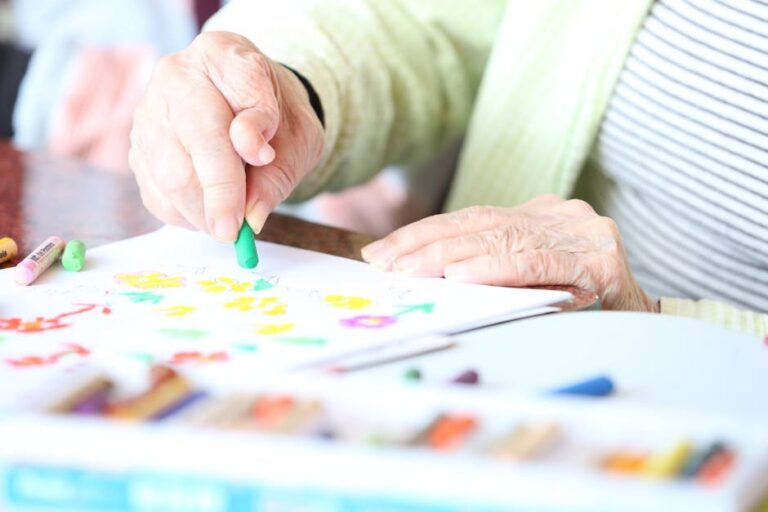
The Importance of Engaging Activities in Care Homes
Engaging activities are vital for elderly care home residents, not just to alleviate boredom but also to stimulate their minds and promote a sense of purpose. In this section, we’ll explore why they’re essential for quality of life.
Rationale Behind Activity-Based Care
Activity-based care has become an increasingly popular approach in elderly care homes due to its numerous benefits. By incorporating various activities into residents’ daily lives, caregivers can improve both their mental and physical health. For instance, engaging in activities like art therapy, music sessions, or outdoor exercises can help reduce symptoms of depression and anxiety while also enhancing cognitive function. Social interaction is another crucial aspect that activity-based care addresses. Group activities such as trivia nights, board game competitions, or potluck dinners foster camaraderie among residents, reducing feelings of loneliness and isolation.
Moreover, by promoting social interaction and physical engagement, caregivers can also help prevent falls, a common concern in elderly care homes. A study found that residents who participated in regular exercise programs had a significant reduction in fall incidents compared to those who did not participate. To implement activity-based care effectively, caregivers should encourage residents’ participation through various mediums such as posters, newsletters, or even digital displays showcasing upcoming activities. By doing so, they can enhance overall quality of life for their residents and make their living experience more enjoyable and fulfilling.
Current Challenges in Providing Meaningful Activities
Care homes often struggle to provide engaging activities for residents due to limited resources and staff shortages. With a finite budget, it can be challenging to allocate sufficient funds for activity programs, let alone equipment and materials needed to support them. Moreover, many care homes face difficulty in recruiting and retaining qualified staff who can plan and lead meaningful activities.
Furthermore, the preferences of residents themselves often pose a challenge. Some may have specific interests or hobbies that require specialized resources, while others might need tailored activities that cater to their physical or cognitive limitations. Care homes must balance these diverse needs with their limited capacity.
To overcome such challenges, care homes can start by prioritizing flexibility and adaptability in their activity programs. This might involve collaborating with local community groups, using digital tools for remote engagement, or leveraging volunteers who can assist with planning and delivery of activities.
Creating a Culture of Engagement: Strategies and Ideas
Creating a Culture of Engagement is all about fostering meaningful interactions and activities that bring joy to our elderly care home residents. Let’s explore strategies and ideas to achieve this goal together.
Staff-Led Activities: Developing Skills and Confidence
When it comes to creating an engaging culture within elderly care homes, staff-led activities play a crucial role. By empowering care home staff to lead activities, residents can develop new skills and build confidence, which is essential for their overall well-being.
To ensure the success of these staff-led activities, it’s essential that carers receive adequate training and support. This can include workshops on activity planning, creative arts, music, and other areas of interest to seniors. For example, a care home in the UK, Anchor Hanover, offers regular training sessions for their staff on topics such as “Creative Activities” and “Music for Wellbeing”. These sessions not only equip carers with new skills but also encourage them to share ideas with colleagues.
A well-trained and supported team of care home staff can plan and deliver a diverse range of activities that cater to different interests, ages, and abilities. By doing so, they can create a sense of community and belonging among residents, which is vital for their mental and emotional health.
Resident-Initiated Activities: Encouraging Participation and Autonomy
Empowering residents to take ownership of activity planning and organization is crucial for promoting a sense of control and autonomy. By encouraging participation and giving them the freedom to decide on activities, you can foster a more inclusive and engaging environment. One way to achieve this is by establishing resident-led committees or focus groups where they can share their interests and ideas.
This approach allows residents to take charge of planning events, outings, and other activities that cater to their diverse needs and preferences. For instance, a group might decide to organize a weekly book club, while another might plan a monthly gardening session. By giving them the autonomy to make decisions, you’re not only promoting engagement but also helping them develop a sense of purpose.
To encourage participation, consider providing opportunities for residents to contribute to activity planning through surveys, suggestion boxes, or informal meetings with staff members. This will help you understand their interests and preferences better, ensuring that activities are more relevant and enjoyable for everyone involved.
Outdoor Activities and Excursions: Exploring the Great Outdoors
Let’s take our seniors on a journey of discovery, exploring the great outdoors through activities like walking groups, gardening clubs, and nature-based excursions. These experiences can be incredibly enriching for elderly care home residents.
Planning and Safety Considerations for Outdoor Events
When planning outdoor activities for elderly care home residents, it’s essential to consider several factors to ensure their safety and enjoyment. First and foremost, you need to assess the weather conditions. This might seem obvious, but it’s crucial to avoid organizing activities during extreme heat or cold, heavy rain, or other adverse weather conditions that could pose a risk to your participants.
Another critical factor is accessibility. Make sure that the chosen location is easily accessible for residents with mobility issues or those who require assistance. Consider venues with flat walkways, ramps, and accessible restrooms. You can also consider having transportation services available to transport residents from the care home to the event location.
Safety should be your top priority when planning outdoor activities. Ensure that you have a first aid kit on hand and have designated staff or volunteers who are trained in basic first aid. It’s also a good idea to brief participants on any potential hazards, such as uneven terrain or wildlife, and provide clear instructions on how to stay safe during the activity.
Examples of Successful Outdoor Programs in Care Homes
Implementing outdoor activity programs can have a profound impact on elderly care home residents. Let’s take a look at some inspiring examples of care homes that have successfully done so.
For instance, the Green House Project in the US offers its residents regular outdoor excursions to nearby parks and gardens. This initiative not only provides opportunities for fresh air and exercise but also fosters social interaction among residents and staff. Research has shown that such activities can reduce stress levels and improve overall well-being in older adults.
Another example is the outdoor garden project at the care home, St Monica Trust in Bristol. This project involved creating a tranquil oasis within the care home’s grounds, complete with sensory gardens and walking paths. Residents are now able to enjoy the outdoors while remaining safely on-site, reducing the risk of falls or other safety concerns.
Care homes can learn from these examples by incorporating outdoor activities into their existing programs. Consider starting small by identifying areas in your garden that can be easily landscaped for resident use. This might include installing seating areas, sensory gardens, or even a simple walking path.
Arts and Crafts: Fostering Creativity and Self-Expression
Engage your loved ones in creative pursuits, such as painting, pottery, or woodworking, to unlock a world of self-expression and fulfillment. These activities are perfect for sparking imagination and joy.
The Therapeutic Benefits of Artistic Expression
Engaging in artistic expression through arts and crafts activities has been shown to have a profound impact on the well-being of elderly care home residents. One of the most significant benefits is the reduction of stress levels, which can be particularly challenging for older adults who may experience anxiety related to declining health or loss of independence.
Research has demonstrated that participating in creative activities such as painting, drawing, and pottery can lower cortisol levels and blood pressure, promoting relaxation and calmness. Furthermore, arts and crafts activities have been found to improve cognitive function by stimulating memory recall, problem-solving skills, and concentration. A study published in the Journal of Aging Research discovered that elderly individuals who engaged in regular art-making exhibited significant improvements in their cognitive abilities compared to those who did not participate.
To incorporate artistic expression into your care home’s activities program, consider offering a variety of arts and crafts sessions throughout the week. This might include painting classes with a local artist, knitting or sewing workshops, or even a gardening project where residents can create their own floral arrangements.
Examples of Creative Activities Suitable for Care Homes
Engaging care home residents in creative activities can be as simple as dusting off an old easel or setting up a pottery wheel. Painting classes are particularly well-suited to care homes, with many residents enjoying the therapeutic benefits of expressing themselves through art. Consider partnering with local art schools or colleges to provide trained instructors who can work one-on-one with residents.
Pottery and ceramics are also excellent choices for care home activities. Residents can get hands-on experience shaping clay into functional pieces like bowls or vases. Woodworking, while potentially more physically demanding, can be adapted for individuals with mobility issues by using pre-cut wood pieces or working on smaller projects like wooden coasters.
To make these activities even more enjoyable and accessible, consider providing adaptive tools such as larger brushes for painting or ergonomic pottery wheels. Additionally, encourage residents to work in pairs or small groups to foster social interaction and support. With a little creativity, the possibilities are endless – and can have a profound impact on the lives of care home residents.
Music and Movement: Promoting Physical Activity and Joy
Music plays a significant role in promoting physical activity and joy among elderly care home residents, and can be tailored to suit individual interests and abilities. Let’s explore some ways to get them moving!
The Benefits of Dance-Based Exercise Programs
Dance-based exercise programs are an excellent way to promote physical activity and joy among elderly care home residents. Not only do these programs provide a fun and engaging way to stay physically active, but they also offer numerous physical and emotional benefits.
For example, dance-based exercises have been shown to improve balance in older adults, reducing the risk of falls and related injuries. This is particularly important for elderly individuals living in care homes, as falls can be devastating and lead to a loss of independence. A study published in the Journal of Aging Research found that dance-based exercise programs reduced fall risk by 45% among participants aged 65-85.
Beyond physical benefits, dance-based exercise programs also have emotional and social advantages. They provide an opportunity for residents to connect with others, build relationships, and express themselves creatively. Many care homes now offer dance classes specifically designed for seniors, incorporating music from different eras to cater to their tastes. By incorporating dance-based exercises into their daily routine, care home residents can reap the rewards of improved physical and emotional well-being, enhanced social connections, and a renewed sense of joy and purpose.
Examples of Music Therapy Initiatives in Care Homes
Music therapy initiatives have been successfully implemented in various care homes to enhance the quality of life for elderly residents. For instance, the “Singing for the Brain” program, launched by Alzheimer’s Society in the UK, uses music as a tool for improving cognitive function and stimulating memory recall among individuals with dementia. Residents participate in singing sessions led by trained facilitators, fostering social interaction and emotional well-being.
Another notable example is the “Music and Memory” program, which provides personalized music playlists for residents with dementia or Alzheimer’s disease. By listening to familiar songs from their past, residents can evoke memories and emotions, leading to improved mood and reduced agitation. Care homes like the one in New York’s Riverdale neighborhood have seen significant reductions in behavioral issues and improvements in sleep quality among participants.
To replicate such initiatives in care homes, consider the following: first, identify residents’ musical preferences and create personalized playlists; second, train staff members to lead music sessions and engage with residents; third, involve family members or volunteers to facilitate participation. By incorporating music therapy into daily activities, care homes can create a more supportive environment that promotes physical activity, joy, and overall well-being among elderly residents.
Technology-Based Activities: Embracing the Digital Age
In today’s digital age, incorporating technology-based activities can bring new excitement and engagement to elderly care home residents. We’ll explore some innovative ideas that are perfect for seniors who love to learn and play in a tech-savvy way.
Using Assistive Technology to Enhance Engagement
When it comes to elderly care home residents with mobility or cognitive impairments, participating in activities can be challenging. However, technology has opened up new avenues for engagement and inclusivity. Assistive technologies can help bridge the gap, enabling these residents to participate fully and maintain their quality of life.
Some examples of assistive technologies include speech-generating devices (SGDs) that enable communication through text-to-speech functionality. For instance, a resident with difficulty speaking due to cognitive impairment can use an SGD to express themselves and engage in conversations with others. Another example is eye-tracking systems that allow residents to control electronic devices using only their gaze.
Virtual reality (VR) technology is also being explored as a means of enhancing engagement among elderly care home residents. By immersing them in virtual environments, VR can stimulate cognitive function, reduce stress and anxiety, and promote social interaction. Moreover, apps like “Elderly Connect” facilitate video calls between residents and their loved ones, helping to combat feelings of loneliness.
When considering assistive technologies for activity participation, it’s essential to assess the specific needs of each resident and tailor the solutions accordingly.
Examples of Online Communities and Resources for Care Homes
Care homes can greatly benefit from online platforms that provide access to activities, information, and support networks. For instance, websites like Silver Surfers and Age UK’s Digital Champions offer free digital skills training and online safety advice specifically designed for older adults.
Online forums and communities also play a crucial role in connecting care home residents with others who share similar experiences and interests. Platforms such as the Alzheimer’s Society Online Forum and Care Opinion provide safe spaces for discussion, support, and sharing of best practices among carers and residents alike.
Moreover, online resources like the OpenLearn website offer free courses on various subjects, including health, history, and culture, which can be tailored to meet the interests and abilities of care home residents. By leveraging these digital tools, care homes can expand their activity offerings, enhance resident engagement, and provide access to a wealth of information that promotes independence and mental stimulation.
Online communities also offer opportunities for intergenerational connections through virtual events and social activities, which can help combat loneliness and isolation among older adults.
Frequently Asked Questions
What are some practical tips for incorporating resident-initiated activities into the daily routine?
Resident-initiated activities can be as simple as asking residents what they’d like to do during a particular session or allowing them to choose between two or three options. This not only promotes autonomy but also encourages creativity and engagement. Be sure to listen attentively to their suggestions and provide support when needed.
How can I ensure the safety of elderly care home residents during outdoor activities?
Yes, ensuring safety is crucial when planning outdoor events. Consider factors like mobility limitations, medication requirements, and weather conditions. Develop a risk assessment plan and consult with healthcare professionals to identify potential risks and implement strategies to mitigate them.
What are some ways to incorporate technology into resident engagement without relying on digital literacy?
You don’t need residents to be tech-savvy to benefit from technology-based activities. Utilize simple interfaces, pre-programmed devices, or apps that cater to older adults’ needs. For example, consider using digital picture frames or tablets with easy-to-use interfaces for browsing photos or accessing familiar content.
Can I implement a mix of staff-led and resident-initiated activities without disrupting the daily routine?
Yes, blending different types of activities is not only possible but also beneficial. Staff-led sessions can provide structure and guidance, while resident-initiated activities foster autonomy and creativity. By striking a balance between these approaches, you can cater to diverse needs and preferences within your care home community.
How do I assess the effectiveness of engaging activities in an elderly care home setting?
While it’s essential to track participation numbers and feedback, also pay attention to more nuanced indicators like mood improvements, social interactions, or increased mobility. Consider using resident satisfaction surveys, observational notes, or health metrics to evaluate the impact of your engagement initiatives over time.