
As we age, staying engaged and active becomes increasingly important for our overall well-being. Whether you’re looking to improve your physical health through exercise classes or expand your mental horizons with technology-based learning platforms, there’s never been a better time to discover new activities tailored specifically for the elderly.
From gentle yoga sessions to stimulating cognitive games, we’ll explore a wide range of exciting options that cater to diverse interests and abilities. By incorporating these engaging activities into your daily routine, you can build stronger relationships with family and friends, stay connected with your community, and even improve your physical and mental health.
In this article, we’ll dive into the world of elderly activities, highlighting some of the most effective and enjoyable ways to stay active, engaged, and fulfilled.
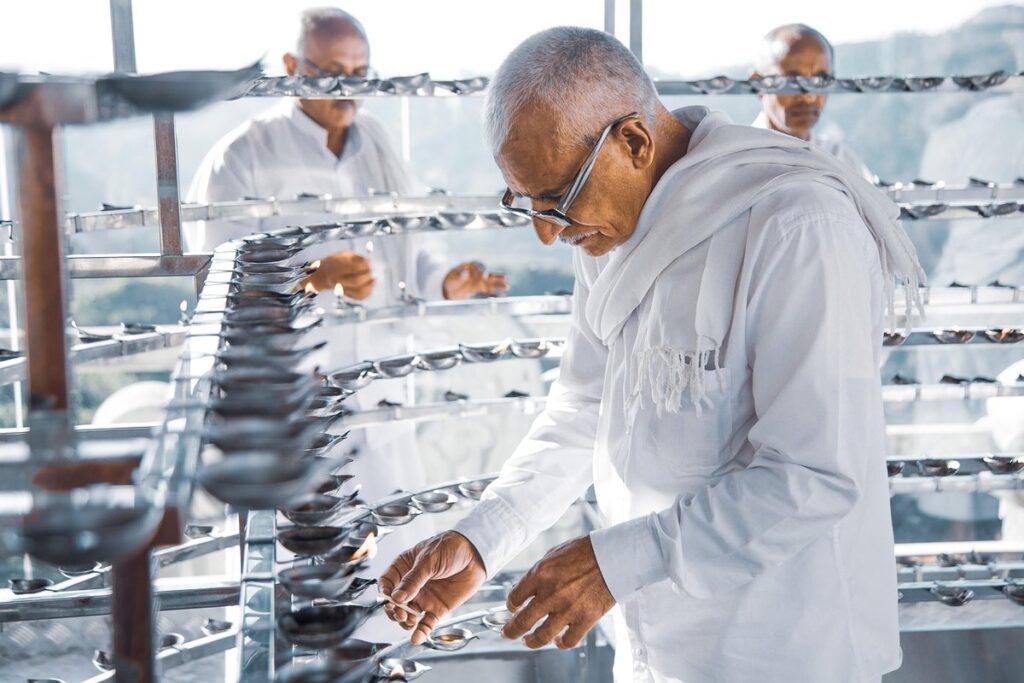
Importance of Engagement for Older Adults
Engaging activities are crucial for older adults, not just for their physical health but also to combat loneliness and mental decline. Let’s explore why engagement is vital in this stage of life.
Benefits of Regular Activity for Physical Health
Regular physical activity is one of the most effective ways to maintain overall health and well-being as we age. For older adults, engaging in regular activity can have a significant impact on cardiovascular health. Exercise helps to strengthen the heart and lungs, improving circulation and reducing blood pressure, which in turn lowers the risk of heart disease, strokes, and other cardiovascular conditions.
Regular activity also plays a crucial role in reducing the risk of chronic diseases such as type 2 diabetes, certain types of cancer, and osteoporosis. For example, research has shown that regular walking can reduce the risk of developing type 2 diabetes by up to 30%. Exercise also helps to manage weight, which is essential for overall health.
In addition to these benefits, regular physical activity promotes healthy bones and muscles in older adults. Resistance exercises, such as weightlifting or bodyweight exercises, help to build muscle mass, which can slow down the natural aging process of muscles. This, in turn, reduces the risk of falls and injuries, allowing older adults to maintain their independence for longer.
Exercise doesn’t have to be intense or time-consuming; even moderate levels of activity, such as brisk walking or gardening, can make a significant difference. Aim for at least 150 minutes of moderate-intensity exercise per week, and consider incorporating strength training exercises into your routine two to three times per week.
Role of Mental Stimulation in Preventing Cognitive Decline
Mental stimulation plays a vital role in preventing cognitive decline in older adults. Engaging the mind through various activities can help build cognitive reserve, making it more resilient to age-related changes. Studies have shown that individuals who participate in mentally stimulating activities tend to experience a slower rate of cognitive decline compared to those who do not.
Activities that challenge the mind include puzzles such as Sudoku, crosswords, and jigsaw puzzles. These exercises require critical thinking, problem-solving, and memory recall. Games like chess, bridge, and Scrabble also provide mental stimulation by promoting strategic thinking and decision-making. Learning new skills or hobbies is another effective way to stimulate the mind. This can be anything from painting, cooking, or playing a musical instrument.
Engage in activities that promote learning and exploration. For example, take an online course, attend a workshop, or join a book club. The key is to find activities that interest you and provide a sense of accomplishment. Aim for activities that are mentally challenging but not frustratingly difficult. Start with short sessions and gradually increase the duration as your cognitive abilities improve. By incorporating mental stimulation into your daily routine, you can help build cognitive reserve and reduce the risk of cognitive decline.
Social Activities for Elderly
When it comes to staying engaged and active, socializing is just as important as physical exercise. We’ll explore fun activities that can help you stay connected with others in this community.
These activities include senior center events, group outings, volunteer work, and more, all designed to foster friendships and a sense of belonging.
Building and Maintaining Relationships through Group Programs
Building friendships and connections with others can be especially challenging for older adults as they age. However, group programs offer a unique opportunity to combat loneliness and stay connected with their community.
Through these programs, seniors can meet new people who share similar interests or hobbies, providing a natural foundation for friendships. Many organizations now offer social activities specifically designed for elderly individuals, such as book clubs, art classes, and cooking groups.
Research has shown that participating in group activities can significantly reduce feelings of loneliness among older adults. A study found that seniors who participated in group-based programs experienced a 25% decrease in symptoms of depression, compared to those who did not participate. These types of social connections also support overall mental health by providing emotional support and reducing stress levels.
Practically speaking, how can you get started with building relationships through group programs? Look for organizations in your area that offer senior-focused activities or start a club centered around an interest you share. Invite friends and acquaintances to join in – the more diverse the group, the better. Most importantly, don’t be shy about taking the initiative; it’s the first step towards making meaningful connections with others.
Volunteering: Benefits and Opportunities for Older Adults
Volunteering is an excellent way for older adults to stay engaged and active while giving back to their communities. Research has shown that volunteering can have a positive impact on physical and mental health, reducing the risk of depression, anxiety, and even dementia. For instance, a study by the Corporation for National and Community Service found that volunteering can lower blood pressure, improve cognitive function, and increase feelings of purpose and fulfillment.
Older adults can find numerous opportunities to volunteer in their communities, from animal shelters to nursing homes, libraries to parks and recreation departments. Many organizations offer flexible scheduling and adaptive tasks to accommodate physical limitations or mobility issues. For example, the AARP Experience Corps program pairs older adults with at-risk youth, promoting literacy and academic success while fostering intergenerational relationships.
To get started, consider searching online for volunteer opportunities in your area, reaching out to local non-profits or community organizations, or speaking with friends and family members who may have similar interests. Even small commitments of time can make a significant difference, so don’t be afraid to try something new and explore the many benefits of volunteering for older adults!
Outdoor Activities for Elderly
When it comes to getting outdoors, there are plenty of activities that cater to different interests and abilities. Let’s explore some fantastic options for seniors who love nature and want to stay active.
Gardening and Horticulture: Therapeutic Benefits
Getting Your Hands Dirty: The Therapeutic Benefits of Gardening for Older Adults
Gardening is often considered a low-impact activity that can be tailored to individual needs and abilities. For older adults, it offers a unique combination of physical and mental health benefits. Research has shown that gardening can improve mood, reduce stress levels, and provide a sense of accomplishment – all essential components for maintaining overall well-being in later life.
One of the primary ways gardening supports mental health is through its ability to promote cognitive function and engagement. Tasks such as planting, weeding, and pruning require focus and concentration, which can help slow down cognitive decline associated with aging. Additionally, the sensory experiences of gardening – the smell of fresh soil, the feel of warm sunlight on skin, and the sound of birdsong – can be calming and uplifting.
To get started, consider beginning with small, manageable tasks such as tending to indoor plants or participating in a local community garden. As physical abilities allow, progress to more demanding activities like digging and planting. Don’t worry about perfection – gardening is just as much about the process as it is the end result.
Walking and Hiking Programs: Promoting Physical Activity and Socialization
Walking programs specifically designed for older adults can be an excellent way to promote physical activity and socialization. These programs often take place in a group setting, allowing participants to connect with peers while enjoying the outdoors. Many organizations, such as senior centers or community parks, offer guided walks tailored to different fitness levels.
To ensure safety, these programs usually include measures such as trained walk leaders, buddy systems, and emergency response plans. For instance, some programs provide walking sticks or canes for participants who need assistance with balance or mobility. Regular check-ins and monitoring of health conditions also help ensure a comfortable experience.
In addition to physical benefits, walking programs offer opportunities for socialization, which is crucial for older adults’ mental well-being. Participants can share experiences, build relationships, and even create new friendships while engaging in moderate exercise. By promoting physical activity and social support, these programs contribute to overall health and happiness in later life.
Indoor Activities for Elderly
When you’re unable to venture outdoors, there are still plenty of fun and engaging activities you can enjoy from the comfort of your own home. Let’s explore some ideas for indoor entertainment that suit seniors.
Exercise Classes and Fitness Programs
Exercise classes and fitness programs are an excellent way for older adults to stay physically active, socialize, and improve their overall health. Many community centers, senior facilities, and gyms offer specialized classes designed specifically for older adults’ needs.
Chair yoga, tai chi, and balance training are popular options that can be modified to accommodate various levels of mobility and flexibility. Chair yoga, for example, involves gentle stretches and movements while seated in a chair or using support as needed. Tai chi, an ancient Chinese practice, combines slow movements with deep breathing and meditation techniques to improve balance and coordination.
Balance training classes often include exercises that challenge the vestibular system, helping participants improve their ability to maintain equilibrium and prevent falls. These classes may also incorporate strength training, flexibility exercises, or cardiovascular activities tailored to older adults’ fitness levels.
When selecting an exercise class or program, consider factors such as mobility limitations, medical conditions (e.g., arthritis, osteoporosis), and personal preferences. Discuss any concerns with the instructor before starting a new class. With the right approach, regular participation in these classes can significantly enhance an elderly person’s physical health, mental well-being, and social engagement.
Arts and Crafts: Encouraging Creativity and Self-Expression
Engaging in arts and crafts is an excellent way for elderly individuals to express themselves creatively while reducing stress. Many older adults find solace in painting, drawing, knitting, and other forms of artistic expression. This not only provides a much-needed creative outlet but also fosters self-expression and confidence.
Research has shown that engaging in arts and crafts can have numerous cognitive benefits for seniors, including improved memory, concentration, and problem-solving skills. For instance, studies have found that older adults who participate in painting classes show significant improvements in cognitive function compared to those who do not.
To encourage creativity and self-expression among elderly individuals, consider the following tips:
• Provide a variety of materials and mediums to cater to different interests and skill levels.
• Encourage experimentation and exploration of new techniques and styles.
• Foster a sense of community by offering group classes or workshops where seniors can socialize and learn together.
By incorporating arts and crafts into their daily routine, elderly individuals can reap numerous physical, emotional, and cognitive benefits while cultivating a deeper sense of purpose and fulfillment.
Technology-Based Activities for Elderly
As we explore ways to keep you engaged and active, let’s take a closer look at how technology can be used to spark new hobbies and interests in your golden years. From online learning platforms to virtual games and social media connections.
Online Courses and Learning Platforms
Online courses and learning platforms offer an excellent way for older adults to access educational resources, skills training, and personal development opportunities from the comfort of their own homes. Many online courses cater specifically to seniors, covering topics such as technology literacy, art appreciation, cooking, and even basic computer programming.
Platforms like Coursera, Udemy, and edX provide a wide range of courses on various subjects, often with flexible scheduling options that accommodate older adults’ busy lives. These platforms also offer the opportunity to interact with instructors and peers through discussion forums or live sessions, which can help combat loneliness and social isolation.
Some popular online learning platforms for seniors include Senior Planet, AARP’s Learning Network, and Osher Lifelong Learning Institutes. These programs often focus on practical skills like managing finances, health and wellness, and navigating the digital world.
When selecting an online course, consider topics that interest you and align with your goals. Many courses are self-paced, allowing you to learn at your own speed. Take advantage of these opportunities to stay engaged, active, and mentally stimulated in later life.
Virtual Social Programs: Connecting Older Adults with Others
Virtual social programs have revolutionized the way older adults connect with others, reducing feelings of isolation and loneliness that often accompany aging. These programs leverage technology to facilitate virtual interactions, socialization, and community engagement.
For instance, online platforms like Zoom, Skype, or Facebook Groups can be used to organize virtual book clubs, game nights, or language exchange sessions. These activities allow older adults to engage with others who share similar interests, hobbies, or life experiences, fostering meaningful connections.
Moreover, video conferencing tools enable family members and friends to regularly visit their loved ones remotely, alleviating concerns about physical mobility or accessibility. Some virtual social programs even offer online volunteer opportunities, allowing seniors to give back to their communities while staying connected with others.
To participate in virtual social programs, older adults can start by searching for local senior centers, community organizations, or online platforms that offer such services. They can also explore online forums, discussion groups, or social media platforms dedicated to specific interests or age-related issues. By taking the first step and exploring these opportunities, seniors can stay connected with others, combat loneliness, and maintain a sense of purpose and belonging.
Safety Considerations and Accessibility for Elderly Activities
When planning activities, it’s essential to consider the safety needs of elderly participants and ensure that your events are accessible to seniors with varying abilities. This section will cover those vital considerations.
Ensuring Accessibility and Inclusivity in Activity Settings
Ensuring that activity settings are accessible and inclusive is crucial for older adults to participate fully. This includes wheelchair-accessible spaces, accommodations for visual or hearing impairments, and facilities that cater to their needs.
When planning activities, consider the physical accessibility of the venue. Ensure there are ramps or elevators with clear signage, wide doorways, and enough space for wheelchairs to maneuver. Additionally, provide accessible restrooms with grab bars and emergency alarm systems.
For individuals with visual impairments, provide large print materials, Braille labels, or audio descriptions. Offer communication support through sign language interpreters, note-takers, or mobile phones with hearing aid compatibility.
In terms of equipment, use simple, intuitive devices that are easy to use, such as big-button phones and lightweight canes. Make sure the environment is free from hazards like slippery floors, loose rugs, or objects obstructing pathways.
To ensure inclusivity, involve older adults in the planning process to gather their input on accessibility needs. This will help tailor activities to meet their specific requirements, fostering a sense of belonging and engagement among participants.
Safety Measures and Emergency Preparedness
When engaging elderly individuals in activities, it’s essential to prioritize their safety and well-being. This includes implementing various safety measures and emergency preparedness strategies to ensure a secure and enjoyable experience for all participants.
First aid training is a crucial aspect of activity planning, particularly if the sessions involve physical activities or sports. It’s recommended that staff members responsible for leading or assisting with activities undergo basic first aid certification, such as CPR and AED usage. This enables them to respond promptly and effectively in case of an emergency.
Emergency response plans should also be established and communicated to all participants and staff. This includes having a clear plan for evacuation procedures, fire safety protocols, and procedures for handling medical emergencies. Regular drills can help ensure that everyone knows what to do in case of an unexpected event.
It’s also essential to have a list of emergency contact numbers readily available, including local hospitals and ambulance services.
Frequently Asked Questions
How can I tailor activities to meet the diverse needs of older adults with varying abilities?
It’s essential to consider individual preferences, health conditions, and mobility when selecting activities for seniors. Consult with healthcare professionals or activity leaders to ensure that chosen exercises are safe and accessible for participants with physical limitations. Many programs offer adaptive options or modifications to accommodate different skill levels.
What types of technology-based learning platforms are suitable for older adults?
Consider online courses that cater specifically to the elderly, such as language learning, cooking classes, or art tutorials. Look for platforms with user-friendly interfaces, simple navigation, and clear instructions. Some popular options include senior-focused websites like AARP’s Online Learning platform.
How can I ensure social activities are enjoyable and engaging for older adults who may struggle with new situations?
To facilitate a comfortable environment, consider inviting friends or family members to participate in group activities together. This can help ease anxiety and make social interactions more enjoyable. Additionally, many organizations offer “buddy system” programs that pair seniors with a companion during events.
Are there any safety precautions I should take when organizing outdoor activities for older adults?
Yes. When planning outdoor activities, ensure that participants have access to necessary safety equipment, such as walking sticks or canes. Provide clear instructions and guidelines on how to navigate challenging terrain, and consider offering regular breaks in shaded areas. It’s also a good idea to have a first-aid kit on hand.
How can I encourage seniors to try new activities, especially those who may be hesitant due to past experiences?
Encourage older adults to start with low-key, introductory sessions or workshops that allow them to explore different interests at their own pace. Build relationships and trust by listening to their concerns and preferences, and offer support in finding activities that align with their passions.