
As we age, it’s not uncommon to experience feelings of loneliness and isolation. For older adults living in care homes, this can be particularly challenging. However, introducing engaging activities into the daily routine can have a profound impact on their well-being. Not only can activities combat loneliness, but they can also help slow cognitive decline and improve overall health.
In this article, we’ll explore the importance of activities for old people‘s homes and provide practical strategies for implementing successful activity programs. From creative pursuits to physical exercise, we’ll cover the best practices for keeping residents engaged and entertained. Whether you’re a care home manager, a caregiver, or simply someone looking for ways to support loved ones, this article will provide you with the insights and inspiration you need to create a more vibrant and active community.
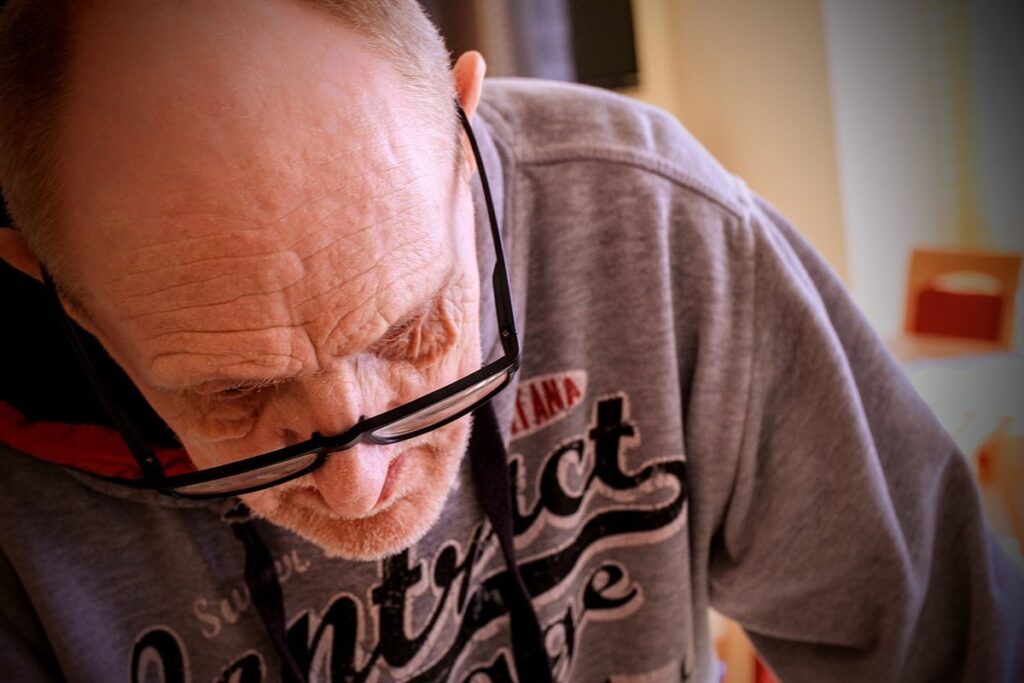
Importance of Activities for Seniors
Engaging activities are crucial for seniors to maintain physical and mental well-being, but it’s equally important to understand why they’re essential for a fulfilling life. Let’s explore this vital aspect further.
The Benefits of Engaging Activities for Seniors
Engaging activities are essential for seniors, not only to keep them physically active but also to nurture their emotional and cognitive well-being. When we think of activities for seniors, we often focus on physical exercises like walking, yoga, or dancing, which are indeed crucial for maintaining mobility and strength. However, a more comprehensive approach to engaging seniors involves a range of activities that cater to their emotional, social, and cognitive needs.
For instance, group discussions or puzzles can stimulate seniors’ cognitive abilities, while creative pursuits like painting or gardening can provide an outlet for self-expression. Music therapy, on the other hand, can evoke strong emotional responses and even help alleviate symptoms of dementia. Social activities like board game nights or outings to local events can foster a sense of connection and community among residents.
It’s not just about filling time; engaging activities have a profound impact on seniors’ quality of life. They can help manage stress, alleviate symptoms of depression, and even reduce the risk of falls and other age-related health issues. By incorporating a variety of activities into their daily routine, old people’s homes can create a more vibrant, inclusive, and supportive environment for their residents.
Addressing Loneliness and Social Isolation
Loneliness and social isolation can have a profound impact on seniors, affecting not only their mental health but also their physical well-being. Studies have shown that older adults who experience social isolation are more likely to develop depression, anxiety, and even dementia. Furthermore, social isolation can lead to a decline in cognitive function, making it more challenging for seniors to perform daily tasks and engage in activities they once enjoyed.
Activities designed specifically for seniors can help alleviate loneliness and social isolation. For instance, group exercises, such as yoga or tai chi, can encourage social interaction while promoting physical health. Arts and crafts sessions, like painting or pottery, can foster creativity and provide an opportunity for seniors to share their work with others. Even something as simple as a weekly coffee morning or a community garden can provide a sense of belonging and connection.
When planning activities for seniors, consider their interests and abilities. Encourage participation and make sure to involve seniors in the planning process. By doing so, you can create a sense of ownership and excitement around the activities, helping to combat loneliness and social isolation.
The Role of Activities in Reducing Cognitive Decline
Engaging in activities has been shown to have a significant impact on slowing down cognitive decline in seniors. Research has demonstrated that mentally stimulating activities can build cognitive reserve, which acts as a protective mechanism against age-related cognitive decline. A study published in the Journal of Alzheimer’s Disease found that individuals who participated in mentally stimulating activities had a slower rate of cognitive decline compared to those who did not.
In old people’s homes, activities such as puzzles, brain teasers, and learning a new skill can be incredibly beneficial. For instance, a resident who is struggling with memory loss can benefit from a cooking class, where they can follow a recipe and learn new skills. Not only do these activities challenge the brain, but they also provide a sense of accomplishment and purpose. Additionally, social activities such as group games, outings, and discussions can help to build cognitive reserve and promote cognitive function. Encourage residents to participate in activities that they enjoy, and tailor activities to their interests and abilities.
Types of Activities Suitable for Old People’s Homes
When planning activities for old people’s homes, it’s essential to consider the diverse interests and abilities of residents, ensuring everyone can participate and have fun. This section highlights various engaging activities suitable for older adults.
Physical Activities for Seniors
Engaging in physical activities is essential for seniors to maintain their physical health, mobility, and overall well-being. In old people’s homes, incorporating physical activities can help combat age-related health issues, such as osteoporosis, diabetes, and cardiovascular diseases. A variety of physical activities can be suitable for seniors, including exercise classes, walking groups, and sports teams.
Exercise classes, such as yoga, Pilates, and tai chi, are excellent for seniors as they improve balance, flexibility, and strength. Many old people’s homes offer specialized exercise classes designed specifically for seniors, which cater to their needs and abilities. For instance, chair yoga and chair Pilates are modified versions of traditional yoga and Pilates that can be done while seated, making it more accessible for seniors with mobility issues.
Walking groups are another great option, allowing seniors to socialize while engaging in physical activity. Old people’s homes can organize regular walking groups, either within the facility or in nearby parks and trails, promoting social interaction and physical activity. Some homes may also consider sports teams, such as bowling, golf, or table tennis, which can be modified to accommodate seniors with varying levels of ability.
Creative Pursuits for Seniors
Engaging in creative pursuits is an excellent way to stimulate the minds and souls of seniors living in old people’s homes. Not only do these activities provide a much-needed respite from daily routines, but they also foster a sense of connection, self-expression, and community. Art classes, music sessions, and writing workshops are just a few examples of creative activities that can be enjoyed by seniors.
Research has shown that engaging in creative activities can have a positive impact on the mental and physical health of seniors. For instance, a study found that seniors who participated in art classes experienced a significant reduction in stress levels and anxiety. Moreover, creative activities can also help to improve cognitive function, memory, and concentration.
To incorporate creative pursuits into your old people’s home, consider the following ideas: Set up a dedicated art studio or craft room, where seniors can express themselves through painting, drawing, or pottery. Organize music sessions, where seniors can sing, play instruments, or dance together. Establish a writing workshop, where seniors can share their life stories, poetry, or short stories. By providing a platform for seniors to explore their creativity, you can enhance their quality of life and provide a sense of purpose and fulfillment.
Mental Stimulation Activities for Seniors
Mental stimulation is essential for seniors to maintain cognitive function and prevent age-related decline. Engaging activities that challenge the mind can help keep the brain active, improve concentration, and boost self-esteem. Old people’s homes can incorporate a variety of mental stimulation activities to cater to different interests and skill levels.
Puzzles, brain teasers, and strategy games are excellent options to challenge the mind. Crosswords, Sudoku, and word searches can be adapted to suit different abilities, while more complex puzzles like jigsaw puzzles or brain teasers can be introduced gradually. Strategy games like chess, checkers, or card games like bridge or poker can also be played, either individually or in teams.
Encourage seniors to engage in mental stimulation activities at least 2-3 times a week, with sessions lasting around 30-60 minutes. It’s also essential to provide opportunities for social interaction, such as group discussions or debates, to foster a sense of community. Consider incorporating technology, such as apps or online platforms, to offer a wider range of activities and make them more accessible.
Implementation and Logistics of Activities in Old People’s Homes
Now that we’ve explored the importance of activities in old people’s homes, let’s dive into the practicalities of making them happen – planning, scheduling, and managing the logistics of a successful program.
Involving Residents in Activity Planning
Involving residents in activity planning is a crucial aspect of creating engaging and meaningful experiences for seniors in old people’s homes. By empowering residents to take an active role in decision-making, we not only enhance their sense of autonomy but also increase the likelihood of participation and enjoyment.
Residents bring a wealth of knowledge and experience to the table, and their input can help tailor activities to meet their unique interests and needs. This approach can also help reduce feelings of isolation and loneliness, common among seniors in care facilities. For instance, a resident who is passionate about gardening may suggest a gardening club, where others can share tips and enjoy the therapeutic benefits of nurturing plants.
To involve residents in activity planning, start by conducting regular feedback sessions, either one-on-one or in group settings. Encourage residents to share their ideas, suggestions, and preferences for activities. Be sure to document and review feedback to ensure that new activities are developed based on resident input. By doing so, you’ll not only create a more inclusive environment but also increase the chances of successful activity implementation.
Staff Training and Support
When it comes to implementing engaging activities in old people’s homes, staff training and support are crucial components to consider. Without the right training and support, staff may struggle to lead activities effectively, leading to a negative impact on residents’ quality of life.
To address this, staff should receive comprehensive training on activity planning, leading, and evaluation. This training should cover topics such as understanding residents’ needs and preferences, creating inclusive and engaging activities, and adapting activities to suit different abilities and cognitive levels. By providing staff with the knowledge and skills they need, old people’s homes can ensure that activities are enjoyable, stimulating, and meet residents’ needs.
In addition to training, staff should also receive ongoing support and guidance. This can include regular team meetings, coaching, and mentoring. Staff should also be encouraged to share their ideas and feedback on activity planning, to ensure that activities remain fresh and engaging. By investing in staff training and support, old people’s homes can create a positive and supportive environment that enhances residents’ quality of life.
Budgeting and Resource Allocation
When it comes to implementing engaging activities in old people’s homes, it’s essential to have a solid budgeting and resource allocation strategy in place. This involves allocating funds and resources effectively to support activity programs, ensuring they are accessible and enjoyable for residents.
To start, assess the existing budget and identify areas where funds can be redirected to support activities. This might involve prioritizing spending on activities that promote physical and mental well-being, such as exercise classes, arts and crafts, or music therapy. Consider partnering with local organizations or community groups to access funding opportunities or expertise.
Key considerations include:
* Allocating a minimum of 10% of the total budget for activity programs
* Ensuring adequate staffing and volunteer support for activity implementation
* Investing in equipment and supplies necessary for activities, such as exercise equipment, art materials, or musical instruments
* Developing a plan for evaluating the effectiveness of activity programs and making adjustments as needed
By prioritizing budgeting and resource allocation, old people’s homes can create a robust framework for delivering engaging activities that enhance the quality of life for residents.
Best Practices for Activity Programming
To get the most out of your activity programming, it’s essential to follow some tried-and-true best practices that cater to the unique needs and abilities of seniors in care. We’ll explore these essential tips next.
Creating a Diverse Range of Activities
Offering a diverse range of activities is crucial in catering to the diverse interests and abilities of residents in old people’s homes. A one-size-fits-all approach can lead to boredom, disengagement, and even social isolation. To combat this, it’s essential to provide a variety of activities that cater to different skill levels, interests, and cultural backgrounds.
For instance, a fitness class might be engaging for some, but others might find it too physically demanding. In contrast, a gentle stretching session or a leisurely walk might be more suitable. Similarly, a resident who enjoys creative pursuits might find joy in a painting class, while another might prefer a book club or a language exchange.
To create a diverse range of activities, consider the following:
• Involve residents in the planning process to understand their interests and preferences.
• Collaborate with external partners, such as local arts organizations or community centers, to bring in new ideas and expertise.
• Rotate activities regularly to keep things fresh and exciting.
• Ensure that activities are accessible and inclusive for residents with varying abilities.
By providing a diverse range of activities, you can help ensure that each resident finds something that brings them joy, fulfillment, and a sense of belonging.
Encouraging Resident Feedback and Participation
Regularly seeking feedback from residents and incorporating their suggestions into activity programming is crucial for enhancing their overall experience and sense of engagement in activities. It’s essential to remember that activities should be a reflection of the residents’ interests and preferences, rather than a one-size-fits-all approach.
Start by creating an open-door policy where residents feel comfortable sharing their ideas and concerns. This can be done through regular meetings, focus groups, or even one-on-one conversations with staff members. You can also use surveys, questionnaires, or comment boxes to collect feedback in a more structured way.
For instance, a nursing home might organize a “Residents’ Day” where they can plan and lead their own activities. This can include games, arts and crafts, or even a potluck dinner. By involving residents in the planning process, you can ensure that activities are relevant and enjoyable for them.
By actively soliciting feedback and incorporating resident suggestions, you can create a sense of ownership and investment in activities, leading to increased participation and overall satisfaction.
Monitoring and Evaluating Activity Programs
Monitoring and evaluating activity programs in old people’s homes is crucial to ensure they’re meeting the needs and enhancing the quality of life for residents. It’s not just about providing activities, but also about understanding their impact and making adjustments accordingly. To do this effectively, you should set clear objectives and outcomes for your activity programs. This might include reducing agitation, improving social interaction, or promoting physical activity.
Regular monitoring involves tracking attendance, participation levels, and resident feedback. For instance, you could conduct surveys or one-on-one interviews with residents to gauge their satisfaction with the activities. You can also use observation tools to note changes in behavior or mood before and after participating in activities.
Evaluation should be an ongoing process, and you should be prepared to make adjustments based on what you learn. This might involve changing activity formats, introducing new activities, or providing more tailored support for specific residents. Remember, the goal is to create a holistic and engaging experience that addresses the diverse needs of your residents.
Case Studies and Examples of Successful Activity Programs
Let’s take a look at real-life examples of activity programs that have made a tangible difference in the lives of residents in old people’s homes, boosting their happiness and well-being.
Real-Life Examples of Engaging Activity Programs
Let’s take a look at some real-life examples of engaging activity programs that have made a significant impact in old people’s homes. At Oakwood Care Home in the UK, the staff implemented a program called “Senses,” which focused on stimulating the residents’ senses through various activities such as scent work, music therapy, and art classes. The results were remarkable, with residents showing improved mood and cognitive function.
Another example is the “Life Story” program at a care home in the US, where residents were encouraged to share their life stories and experiences through a series of workshops and group discussions. This not only provided entertainment for the residents but also helped to build stronger relationships between them. By sharing their life stories, residents were able to reminisce and connect with one another, reducing feelings of loneliness and isolation.
These programs demonstrate the importance of tailoring activities to meet the unique needs and interests of each resident, and the benefits of engaging them in activities that stimulate their senses and promote social interaction.
Lessons Learned from Case Studies
From our research, several case studies have emerged as exemplary models for enhancing quality of life in old people’s homes. One such study involved a UK-based care facility that implemented a regular gardening program for residents. Initially, challenges arose due to limited mobility and cognitive impairments among participants. However, the staff adapted the program to incorporate seated gardening, where residents could tend to plants while seated. This not only boosted morale but also facilitated social interactions.
Another case study demonstrated the effectiveness of arts-based programs in engaging older adults. A care facility in the US launched a painting class, which not only brought residents together but also provided an outlet for self-expression. The success of these programs highlights the importance of adapting activities to meet the diverse needs and abilities of older adults. By doing so, staff can promote social interaction, cognitive stimulation, and a sense of purpose among residents.
Conclusion
As we wrap up our exploration of engaging activities for old people’s homes, let’s summarize the key takeaways that will help you create a more fulfilling environment for your residents.
Recap of Key Takeaways
In conclusion, it’s clear that engaging activities are a crucial component of enhancing quality of life for seniors in old people’s homes. As we’ve explored throughout this article, incorporating a variety of activities that cater to different interests and abilities can have a profound impact on both physical and mental well-being.
Some of the key takeaways from this discussion include the importance of promoting social interaction through activities such as group outings, board games, and cooking classes. These types of activities not only provide opportunities for socialization but also help to combat feelings of loneliness and isolation.
Additionally, incorporating physical activities like yoga, tai chi, or walking groups can help to improve mobility, balance, and overall physical health. Meanwhile, creative pursuits like art classes, writing workshops, or music therapy can provide a sense of purpose and fulfillment.
Remember, the goal is to create a diverse and inclusive environment that caters to the unique needs and interests of each individual resident. By doing so, you can help to enhance their quality of life and create a more vibrant and engaging community.
Final Thoughts and Recommendations
As we conclude our exploration of engaging activities for old people’s homes, it’s clear that these initiatives hold the key to enhancing the quality of life for our elderly residents. By incorporating a mix of physical, mental, and social activities, we can help combat loneliness, cognitive decline, and physical deterioration, ultimately leading to happier, healthier, and more fulfilled lives.
In the coming months, we encourage caregivers and administrators to prioritize activity planning and implementation. Start by conducting surveys and gathering feedback from residents to understand their interests and preferences. This will help you tailor activities to meet their unique needs and encourage participation. Additionally, consider collaborating with external organizations, such as community centers, libraries, or arts groups, to bring in fresh ideas and resources.
Ultimately, the key to success lies in creativity, flexibility, and a willingness to adapt to changing needs and preferences. By embracing this approach, we can create vibrant, inclusive environments that promote engagement, social interaction, and a sense of purpose among our elderly population.
Frequently Asked Questions
How do I involve residents in the activity planning process to ensure their needs and interests are met?
Involving residents in activity planning is crucial to create a sense of ownership and engagement. Consider setting up a resident committee or holding regular meetings to gather feedback and suggestions. This will help you tailor activities to their interests and abilities, ensuring a more inclusive and enjoyable experience for all.
What are some common challenges I might face when implementing an activity program, and how can I overcome them?
Common challenges include lack of resources, resistance from staff or residents, and difficulty in finding suitable activities. To overcome these, start by conducting a needs assessment and gathering feedback from residents and staff. Then, prioritize activities that are low-cost or free, and consider partnering with local organizations or volunteers to supplement resources.
How can I ensure that our activity program is accessible and inclusive for residents with varying physical and cognitive abilities?
To create an inclusive environment, consider offering a range of activities that cater to different abilities, such as seated exercises, art classes, or gentle games. Also, ensure that facilities are accessible and that staff are trained to accommodate residents with special needs. Regularly review and adapt your activity program to ensure it remains inclusive and engaging for all.
What are some ways to measure the success of our activity program and make data-driven decisions to improve it?
To measure success, track metrics such as participation rates, resident feedback, and any observed improvements in physical or cognitive health. Use this data to identify areas for improvement and adjust your activity program accordingly. Consider consulting with healthcare professionals or activity specialists to gain insights and best practices.
Can I use technology, such as virtual reality or online platforms, to supplement our activity program and reach more residents?
Yes, technology can be a valuable addition to your activity program, especially for those who may have mobility issues or limited social interaction. Consider using virtual reality for immersive experiences or online platforms for virtual classes or social events. However, ensure that technology is accessible and user-friendly for all residents, and that it complements, rather than replaces, traditional activities.