
Spending quality time with your grandkids is one of life’s greatest joys, but as we age, our energy levels and mobility may decline. This doesn’t mean you have to miss out on creating lasting memories with your loved ones. In fact, intergenerational activities are an excellent way for seniors like you to nurture relationships and build strong bonds with the next generation. Not only do these activities bring joy and excitement to both parties, but they also offer a chance to pass down values, traditions, and life experiences that will be cherished forever. This article explores the benefits of intergenerational activities tailored specifically to seniors’ needs and abilities, providing practical tips on how to ensure a fun and safe experience for all involved, so you can continue to create joyful memories with your grandkids without worrying about your limitations.
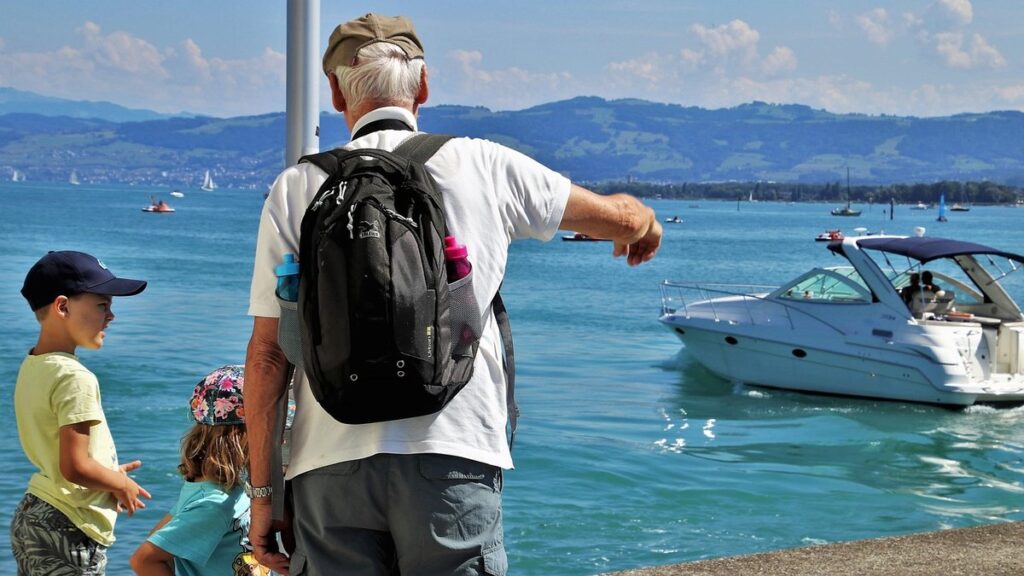
Building Connections and Trust
Building strong relationships with grandchildren is crucial for seniors, and one of the most effective ways to do this is by spending quality time together. In this section, we’ll explore fun activities that help foster a deeper connection.
Understanding Grandparent-Grandchild Relationships
Grandparent-grandchild relationships are uniquely positioned to foster deep connections and trust. When grandparents take an active role in their grandchild’s life, it can significantly impact the child’s sense of security and belonging. Trust is built when grandparents demonstrate a genuine interest in their grandchild’s thoughts, feelings, and experiences.
Effective communication is also crucial in these relationships. Grandparents should strive to listen attentively to their grandchild, encouraging open dialogue about everything from daily events to deeper emotions. By doing so, they create a safe space for their grandchild to express themselves freely.
Mutual respect is another essential component of strong grandparent-grandchild bonds. Grandparents can model respectful behavior by valuing their grandchild’s opinions and perspectives, even when they differ from their own. This helps foster a sense of equality and cooperation in the relationship.
In practical terms, grandparents can cultivate trust, communication, and mutual respect by engaging in regular activities with their grandchild that promote shared experiences and conversation. For example, baking together or working on a joint project can provide opportunities for bonding and open discussion.
Creating a Supportive Environment
When creating a supportive environment for intergenerational activities with your grandchild, consider making some simple home modifications to ensure comfort and accessibility. This can include installing handrails on stairs, widening doorways or hallways, and using non-slip mats in the bathroom. Additionally, think about how you can make your living space more inviting by adding comfortable seating areas, soft lighting, and calming colors.
To create an engaging atmosphere, consider setting up a dedicated activity area for intergenerational activities. This could be as simple as clearing a corner of the living room or dedicating a small table in the kitchen. You can also display family photos, artwork created by your grandchild, or other mementos to add visual interest and create a sense of warmth.
Some other key considerations include maintaining a comfortable temperature, reducing noise levels, and providing regular breaks for rest and relaxation. By paying attention to these details, you can help create an environment that is conducive to building strong relationships with your grandchild and fostering joy through shared activities.
Setting Boundaries and Expectations
Setting clear boundaries and expectations is essential when spending time with grandchildren. This helps prevent misunderstandings and ensures a harmonious experience for everyone involved. When planning activities, it’s crucial to consider both your energy levels and your grandchild’s attention span. For instance, if you’re visiting a museum or an amusement park, plan regular breaks to rest and recharge.
Establishing clear expectations also helps manage behavior and promotes respect. Make sure to discuss and agree on basic rules, such as staying together in public places or taking turns when playing games. Be specific about what behaviors are acceptable or not, and be consistent in enforcing these rules. For example, if your grandchild tends to get overexcited during outdoor games, you might establish a “no pushing” rule.
In addition to setting boundaries, communicating openly is also vital. Encourage your grandchild to express their needs, feelings, and concerns. Listen attentively to their responses and validate their emotions. By doing so, you foster a sense of trust and understanding that strengthens your bond with your grandchild.
Outdoor Activities for Seniors and Grandchildren to Enjoy Together
Many seniors find joy in spending time outdoors, and now you can share these experiences with your grandchildren through fun activities. Consider planning a family picnic or nature walk together next weekend.
Nature Walks and Scenic Hikes
Nature walks and scenic hikes offer a unique opportunity for seniors to spend quality time with their grandchildren while enjoying the great outdoors. These activities promote physical activity, which is essential for seniors’ health and well-being. A gentle stroll through nature can help improve balance, reduce muscle stiffness, and increase flexibility.
To make the most of these outings, consider choosing trails with minimal obstacles and suitable terrain for your mobility level. Many parks and nature reserves offer accessible paths and scenic viewpoints that cater to seniors. Bring along a walking aid if needed, such as a cane or walker, and wear comfortable shoes with good traction.
In addition to physical benefits, nature walks and hikes provide an excellent setting for bonding and conversation. Leave distractions like phones behind and focus on the surroundings, sharing observations and insights with your grandchild. This shared experience can foster a deeper connection and create lasting memories. For example, take note of birdsong or the changing colors of leaves together, sparking interesting discussions and laughter.
When planning these outings, consider the time of day and season to ensure optimal comfort and enjoyment for both seniors and grandchildren.
Gardening and Greenhouse Projects
Gardening and greenhouse projects offer a wonderful opportunity for seniors and grandchildren to work together, enjoying the therapeutic benefits of nature while fostering a sense of accomplishment. To get started, choose a location with good sunlight and accessibility, considering factors such as mobility aids and wheelchair paths.
Inclusive garden designs can accommodate varying abilities by incorporating raised beds, adaptive tools, or even hydroponic systems. Consider installing a trellis for support, allowing seniors to easily reach high-growing plants like tomatoes and beans.
Some popular gardening activities include seed starting, transplanting, and harvesting. To make these tasks more manageable, divide responsibilities among participants, assigning specific tasks based on ability and interest. For example, younger grandchildren can help with watering and weeding, while seniors focus on planting and pruning.
For a greenhouse project, consider building or repurposing a small structure to provide a protected environment for seedlings and young plants. This setup allows seniors and children to work together in a climate-controlled space, enjoying the satisfaction of nurturing their garden’s growth.
Outdoor Games and Sports
Playing lawn games like croquet or bocce ball is a great way to get seniors and grandchildren moving and laughing together. These classic outdoor activities are easy to learn and can be played at a leisurely pace, making them perfect for intergenerational play. For example, you can set up a simple course in your backyard with obstacles and challenges that require strategy and teamwork.
If you’re looking for something more energetic, consider playing badminton or volleyball together. These games provide a fun way to get some exercise while enjoying quality time with your grandchild. Start with short matches and gradually increase the duration as everyone becomes more comfortable.
Other outdoor games like horseshoes, cornhole, or giant Jenga can also be adapted for seniors and grandchildren to play together. The key is to choose activities that are enjoyable for both generations and can be played at a level that’s accessible to everyone involved. By doing so, you’ll not only create lasting memories but also foster a sense of connection and camaraderie between seniors and their grandkids.
Indoor Activities for Seniors and Grandchildren to Enjoy Together
Spending quality time indoors with your grandkids can be just as special as outdoor adventures, and we’ve got some fun ideas to get you started. From arts and crafts to cooking classes, there’s something for every interest.
Cooking and Baking Classes
Cooking and baking classes offer a unique opportunity for seniors and grandchildren to bond over shared meals. These activities foster a sense of accomplishment as they work together to prepare a meal from scratch, allowing them to appreciate the process of planning, shopping, and cooking. The creative aspect of cooking and baking also encourages experimentation with new recipes and flavors, promoting learning and exploration.
One of the most rewarding aspects of cooking classes is the opportunity for seniors to pass down family traditions and recipes to their grandchildren. This intergenerational transfer of knowledge helps preserve cultural heritage and creates a sense of continuity between generations. To make the most of these classes, consider enrolling in a beginner’s course or focusing on simple recipes that can be adapted for dietary restrictions.
Some practical tips for cooking classes with seniors include:
- Choosing recipes with clear instructions to avoid confusion
- Selecting ingredients that are accessible and affordable
- Allowing ample time for preparation and cooking
By engaging in cooking and baking activities together, seniors and grandchildren can create lasting memories while nurturing their bond. As they work side by side in the kitchen, they’ll develop a deeper understanding of each other’s strengths, preferences, and traditions.
Arts and Crafts Projects
Consider a joint pottery project where seniors and grandchildren can create functional items like mugs, bowls, or small vases. This activity allows for hands-on learning and experimentation with different materials and techniques. Start by demonstrating basic hand-building skills or using pre-made pottery wheels to simplify the process.
Painting and drawing classes are another excellent option for arts and crafts projects. You could set up an easel or canvas in a comfortable workspace, providing a variety of brushes and paints suitable for seniors’ needs. To make it more engaging, try following along with simple tutorials or creating art inspired by nature.
For woodworking projects, consider making small wooden picture frames, birdhouses, or decorative boxes. Use pre-cut wood pieces to simplify the process, focusing on assembly and decoration. This activity allows seniors to learn basic measuring skills while grandchildren develop their fine motor control.
Indoor Games and Challenges
Engage seniors and grandchildren in indoor games and challenges that promote cognitive function, social interaction, and friendly competition. Board games like Scrabble, Chess, and Dominos are excellent choices, as they require strategy and problem-solving skills.
For a more interactive experience, consider playing indoor versions of outdoor games, such as Balloon Tennis or Indoor Bowling. These activities encourage physical movement while being gentle on joints. You can also set up an obstacle course using household items, like couch cushions and chairs, to create a fun and challenging route for both seniors and children to navigate.
To incorporate cognitive stimulation, try puzzles like jigsaw puzzles, crosswords, or word searches. Many of these activities come in adaptive versions designed specifically for seniors with varying levels of mobility and dexterity. Alternatively, host a trivia night focused on history, music, or literature – this can be a great way to foster social bonding while challenging both generations.
When choosing indoor games and challenges, consider the interests and abilities of all participants. Be sure to adapt rules and materials as needed to ensure everyone has an enjoyable experience.
Tips for Planning Successful Activities with Grandchildren
To plan activities that bring joy and create lasting memories, it’s essential to consider your grandchild’s interests and energy levels. Tailoring activities to their needs will ensure a fun and engaging experience for both of you.
Understanding Energy Levels and Abilities
When planning activities with grandchildren, it’s essential to consider the energy levels and abilities of both seniors and young family members. This ensures a enjoyable experience for everyone involved. Start by assessing each individual’s physical and mental stamina. Ask yourself: What are their hobbies or interests? Can they engage in physical activities or do they prefer more low-key pursuits? Be mindful of health conditions, disabilities, or chronic pain that may impact mobility or energy levels.
Consider the time of day and schedule accordingly. For seniors, morning is often a better time for activities as energy levels tend to peak in the mornings. For children, afternoons can be more suitable. Plan shorter sessions with regular breaks to avoid fatigue. Be flexible and willing to adjust plans if needed.
A good rule of thumb is to choose activities that cater to both physical and mental abilities. For example, a gentle walk around the neighborhood or a simple arts project can be just as enjoyable for seniors as playing a board game or cooking together. Encourage participation by involving everyone in planning and decision-making processes. This will not only foster teamwork but also ensure that all parties are comfortable with the chosen activities.
Managing Schedules and Commitments
When planning activities with grandchildren, it’s essential to manage schedules and commitments to ensure a enjoyable experience for everyone involved. Start by being flexible with your schedule, allowing for last-minute changes or cancellations if needed. Consider having multiple dates and times available for each activity, so you can choose the one that works best for both you and your grandchild.
Create backup plans in case of unexpected events, such as inclement weather or sudden illness. Identify alternative activities that can be done indoors or outdoors, depending on the situation. For example, if a planned outdoor picnic is cancelled due to rain, consider moving it to an indoor location or switching to a different activity altogether.
It’s also crucial to communicate with your grandchild and their parents about scheduling conflicts or changes. Be open and honest about any challenges you may be facing, and work together to find solutions that suit everyone’s needs. By being flexible, having backup plans in place, and maintaining good communication, you can minimize stress and ensure a fun and memorable experience for both you and your grandchild. Make sure to prioritize their input and preferences when planning activities, so they feel included and valued.
Encouraging Independence and Participation
Encouraging independence and participation among seniors and grandchildren during activities is essential for promoting a sense of autonomy and shared responsibility. One way to do this is by providing clear instructions and expectations, allowing each participant to contribute at their own level. For example, if you’re cooking together, assign tasks such as measuring ingredients or setting the table, giving everyone a role to play.
It’s also crucial to respect individual differences in energy levels and abilities. If a grandchild has more energy than their senior companion, suggest activities that cater to both, like playing a board game while taking breaks for snacks or stretching exercises. Conversely, if a senior needs more rest time, plan shorter activity sessions with regular breaks.
Encourage participation by giving choices and involving seniors in the planning process. Ask them about their interests or preferences, and incorporate these into your activities. For instance, if they love gardening, plan a visit to a local botanical garden or start a small herb garden together. By doing so, you foster a sense of ownership and investment, making the experience more enjoyable for both generations.
Safety Considerations and Precautions for Seniors and Grandchildren to Follow
As you plan activities with your grandkids, it’s essential to consider some crucial safety measures to ensure a fun and worry-free experience for everyone involved. This includes being mindful of physical limitations and taking necessary precautions.
Preventing Injuries and Accidents
When engaging in physical activities with grandchildren, it’s essential to prioritize safety to prevent injuries and accidents. A key aspect of this is adequate supervision. Ensure you have a clear view of your surroundings and the activity area. If necessary, designate a secondary adult to assist with supervision, especially when participating in outdoor activities or those that involve equipment.
Before beginning an activity, assess the environment for potential hazards such as uneven terrain, obstacles, or slippery surfaces. Remove any unnecessary items from the activity area to minimize tripping risks. For example, clear away garden tools before engaging in a gardening project.
Develop an emergency plan with your grandchild, including knowing the location of first aid kits and having a phone nearby in case of emergencies. This can also include understanding basic first aid techniques, such as treating cuts or sprains.
In some cases, it may be helpful to consult with your healthcare provider before engaging in certain activities, especially if you have any underlying health conditions that could impact your ability to participate safely.
Managing Medication and Health Conditions
When spending time with grandchildren, it’s essential to consider any medication or health conditions that may impact activities. Open communication between seniors and their family members is crucial in ensuring a safe and enjoyable experience for everyone involved.
Before engaging in physical activities or those that require focused attention, discuss medications and health conditions with your grandchild’s parent or caregiver. This includes informing them about any allergies, chronic conditions, or recent injuries that may affect participation. For instance, if you have a grandchild who is prone to asthma attacks during exercise, plan accordingly by choosing activities that are lower-intensity or can be adapted to accommodate their needs.
Advance planning also involves considering the time of day and scheduling around medication routines. If your grandchild has a daily medication regimen, try to plan activities around these times to minimize disruptions. It’s also essential to have a first aid kit on hand and know basic emergency procedures in case of an accident or allergic reaction. By being proactive and open with communication, you can create a safe and enjoyable environment for intergenerational bonding.
Emergency Procedures and First Aid
In case of accidents or injuries during activities, it’s essential to have a plan for emergency procedures and first aid. Seniors and grandchildren should know basic first aid techniques, such as applying pressure to stop bleeding, splinting broken limbs, and providing CPR if necessary.
When an injury occurs, remain calm and assess the situation. If someone is seriously injured, call 911 or your local emergency number immediately. For less severe injuries, follow these steps: (1) Stop the bleeding by applying gentle but firm pressure with a clean cloth; (2) Immobilize the affected area using a splint or sling if necessary; and (3) Monitor the person’s condition until medical help arrives.
It’s also crucial to have a first aid kit on hand that includes essential supplies like bandages, antiseptic wipes, pain relievers, and any medications specific to allergies or health conditions. Make sure both seniors and grandchildren know where the kit is located and how to use its contents properly. Regularly check the expiration dates of medications and replace them as needed. By being prepared and knowing basic first aid techniques, you can respond effectively in an emergency situation and help prevent further harm.
Conclusion: Nurturing Lasting Relationships through Intergenerational Activities
As you’ve discovered the joy of intergenerational activities, let’s focus on how to maintain and deepen these connections long-term, ensuring lasting bonds between seniors and their grandchildren.
Reflecting on the Benefits of Grandparent-Grandchild Bonding
As we conclude our exploration of activities with grandchildren for seniors, it’s essential to reflect on the profound benefits these experiences can bring. Grandparent-grandchild bonding is a unique and special relationship that requires attention, effort, and commitment from both parties. By engaging in intergenerational activities, seniors and their grandchildren can form strong, lasting connections that transcend time and generations.
One of the most significant advantages of grandparent-grandchild bonding is the transfer of knowledge and experiences. Seniors have accumulated a wealth of wisdom and life lessons that they can share with their younger family members. By listening to their stories and anecdotes, children can gain valuable insights into history, culture, and personal values. For example, a senior might teach their grandchild how to cook traditional recipes passed down through generations or show them the art of woodworking.
Another benefit is the emotional support that comes from shared experiences. Intergenerational activities provide opportunities for both seniors and grandchildren to feel seen, heard, and appreciated. Children can help alleviate feelings of loneliness and isolation in seniors, while grandparents can offer guidance and reassurance during times of uncertainty. By spending quality time together, families can strengthen their bonds and create lasting memories.
In addition to these benefits, grandparent-grandchild bonding also fosters a sense of responsibility and empathy in children. As they learn from their grandparents’ experiences and values, they develop essential life skills such as respect, compassion, and self-discipline. By prioritizing intergenerational activities, families can create a ripple effect that resonates for generations to come.
In summary, the benefits of grandparent-grandchild bonding are numerous and multifaceted. As we encourage seniors and their grandchildren to engage in intergenerational activities, let’s remember the profound impact these experiences can have on their relationships and lives. By investing time and effort into nurturing these connections, families can create a legacy that will endure long after they’re gone.
Frequently Asked Questions
Can I adapt these intergenerational activities for seniors with mobility issues or chronic pain?
Yes, many activities can be adapted to accommodate seniors with mobility issues or chronic pain. Consider using assistive devices or modifying the activity to reduce physical exertion. For example, instead of going on a long hike, take a shorter walk around the block or engage in seated exercises like chair yoga.
How do I handle disagreements or conflicts that arise during activities with my grandchildren?
It’s not uncommon for disagreements to occur when spending time with family members. If conflicts arise, try to remain calm and empathetic. Encourage open communication and set clear boundaries while also being flexible and willing to compromise. If the issue persists, consider taking a break and revisiting the activity when emotions have cooled down.
What if my grandchild has a different learning style or energy level than me? How can I tailor activities to meet their needs?
It’s essential to understand that people learn and engage in activities differently. When planning intergenerational activities, try to be aware of your grandchild’s unique needs and preferences. You might need to adjust the pace, content, or format of the activity to suit their learning style or energy level.
Can I involve other family members or friends in our intergenerational activities?
Involving other family members or friends can enrich the experience and create new opportunities for bonding. Consider inviting aunts, uncles, cousins, or close family friends to join your activities with grandchildren. This can also provide additional support and help distribute responsibilities.
How do I know if an activity is “working” and having a positive impact on our relationships?
Pay attention to nonverbal cues like smiles, laughter, and engaged conversation. Notice if the activity seems to be fostering a sense of mutual respect, trust, and connection among family members. You might also ask your grandchild directly about their experience or feelings during the activity.