
As we age, our homes can become less accessible and more hazardous. But with some simple and creative modifications, you can create a senior-friendly home that allows you to live safely and independently for years to come. Aging in place is all about making your current home a comfortable and secure space for the long-term, rather than moving to a new or specialized facility.
In this comprehensive guide, we’ll walk you through the essential features of an aging-in-place home, including wheelchair-accessible pathways, adaptable bathrooms, and smart technology integration. We’ll also share DIY projects that can make a big impact on your home’s safety and functionality, without breaking the bank. And, we’ll explore funding options to help you get started on these important modifications. By the end of this article, you’ll have all the information you need to create a senior-friendly home that supports your health, happiness, and independence.
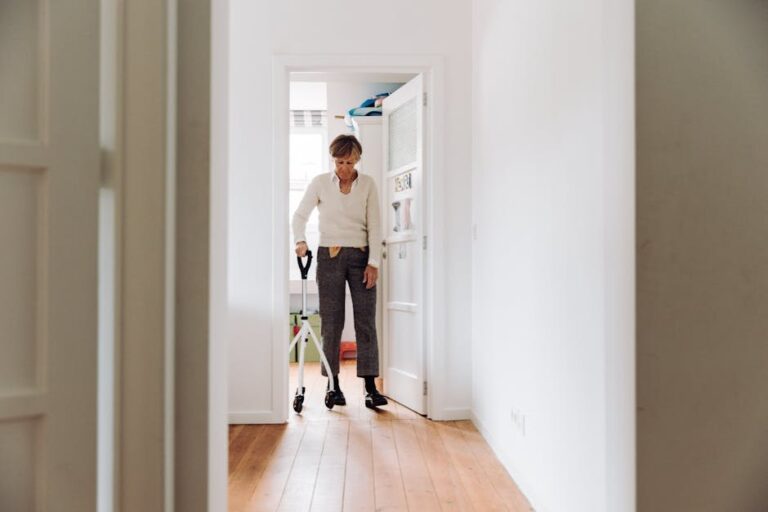
Understanding the Benefits of Aging in Place
As you consider making modifications to your home, it’s essential to understand the benefits of aging in place and how they can improve your quality of life. This section will explore those advantages in greater detail.
What is Aging in Place?
Aging in place refers to the ability of older adults to live safely and comfortably in their own homes as they age. This concept emphasizes the importance of staying in one’s own home environment, where familiar routines, memories, and support systems are already established. In contrast to institutional care, aging in place focuses on making modifications to a home to accommodate changing physical needs rather than relocating to a nursing facility or assisted living community.
The benefits of aging in place are numerous. For one, it allows individuals to maintain their independence and autonomy, which is closely linked to overall health and well-being. Staying in one’s own home also enables seniors to continue engaging in activities they enjoy, such as gardening or cooking, which can help combat loneliness and isolation. Moreover, aging in place modifications often involve making changes that improve safety and accessibility, reducing the risk of falls and other accidents.
Incorporating aging in place principles into a home involves careful consideration of various factors, including mobility, vision, and cognitive function. By understanding these aspects and identifying areas for improvement, seniors can create a safer, more comfortable living environment that meets their evolving needs.
Addressing Concerns About Safety and Independence
As seniors consider aging in place modifications, safety and independence are often top of mind. Falls are a leading cause of injury among older adults, with nearly 1 in 4 experiencing a fall each year. To mitigate this risk, consider installing grab bars in strategic locations, such as near the shower or bathtub, to provide support and stability. Additionally, ensure that flooring is slip-resistant and clear of clutter.
Medication management can also be a concern for seniors at home. Consider investing in a medication dispenser or alarm clock to help keep track of dosages and reminders. Many pharmacies now offer online services that allow seniors to refill prescriptions and receive notifications when it’s time to take their medications.
By implementing these modifications, seniors can maintain their independence while prioritizing their safety. Simple changes like installing brighter lighting or using nightlights can also make a significant difference in preventing falls. Ultimately, the goal is to create an environment that promotes ease of movement and supports overall well-being.
Assessing Home Needs: Identifying Essential Modifications
When assessing your home for aging-in-place modifications, it’s essential to identify the essential changes that will improve safety and accessibility. This involves evaluating specific areas of concern.
Conducting a Home Assessment
Conducting a thorough home assessment is a crucial step in determining which modifications will enhance your senior loved one’s quality of life. This process involves carefully evaluating the existing structure and systems within their home to identify areas that may need adjustments or upgrades for accessibility and safety.
Start by walking through each room, taking note of any obstacles or challenges your family member encounters. For example, narrow doorways, steep stairs, or slippery bathroom floors can be significant hurdles for seniors with mobility issues. Make a list of these problem areas, along with potential solutions such as widening doorways, installing handrails on stairs, and applying non-slip coatings to floor surfaces.
Next, consider the lighting in each room. Ensure that there is adequate natural light and sufficient artificial lighting to illuminate dark areas. Install motion-sensitive lights or smart lighting systems to simplify control and reduce the risk of accidents. Also, examine the storage spaces within the home, particularly in kitchens and bathrooms, where clutter can exacerbate mobility issues.
When conducting your assessment, don’t forget about your loved one’s personal needs and preferences. For instance, if they have difficulty with certain tasks or activities, think about how modifications could make their life easier, such as installing a grab bar near the shower or creating a designated seating area for resting.
Prioritizing Modification Needs Based on Lifestyle and Ability
When it comes to aging in place modifications, one of the most crucial steps is prioritizing the needs based on individual lifestyle and abilities. This requires a thoughtful evaluation of each person’s unique circumstances, taking into account their mobility, vision, and cognitive impairments.
To begin, consider the individual’s daily routine and habits. For example, if someone struggles with mobility due to arthritis or hip replacement surgery, priority should be given to modifications that enhance accessibility and safety in high-traffic areas, such as bathroom renovations with walk-in showers and grab bars. In contrast, individuals with visual impairments may require modifications like larger font displays on appliances, improved lighting, and contrasting color schemes.
It’s also essential to consider cognitive impairments when prioritizing modifications. For instance, those with dementia or Alzheimer’s disease may benefit from memory aids like medication reminders, calendars, and labeling systems for household items. By tailoring modifications to each person’s specific needs and abilities, you can create a safe and supportive living environment that allows them to age in place comfortably and confidently.
Designing Age-Friendly Spaces: Essential Features and Tips
When designing age-friendly spaces, it’s essential to incorporate features that promote comfort, safety, and accessibility. Consider implementing features like wide doorways, non-slip flooring, and grab bars for added peace of mind.
Creating Accessible Bathrooms
When it comes to creating accessible bathrooms, there are several essential features that can make a significant difference for seniors. One of the most important is the installation of grab bars. These should be placed near the toilet and shower or bathtub to provide support and balance. Walk-in showers with a non-slip floor and a seat are also highly recommended.
In addition to these, consider installing a handheld showerhead that can be easily maneuvered by someone with limited mobility. A raised toilet seat and a bidet attachment can also be helpful. When designing the bathroom space, it’s essential to consider clear paths of travel between fixtures and adequate lighting.
A safe and functional bathroom is crucial for independence. To ensure this, think about installing an emergency alert system or a pull cord that can be used in case of a fall. By incorporating these features, you can create a bathroom space that promotes safety, accessibility, and dignity for seniors.
Adapting Kitchens for Senior-Friendly Use
When it comes to aging in place modifications, kitchens are often one of the most critical spaces to adapt for senior-friendly use. As we age, our dexterity and mobility can decline, making everyday tasks like cooking and food preparation more challenging.
To make your kitchen safer and easier to navigate, consider implementing ergonomic appliance placement. This involves positioning frequently used appliances, such as the microwave or coffee maker, at waist level or slightly below to reduce straining and bending. For example, you could install a wall-mounted oven or a countertop with built-in appliances like a toaster or blender.
In addition to ergonomic appliance placement, incorporate safety features throughout your kitchen design. Some ideas include:
* Installing lever handles on cabinets and drawers for easier access
* Using non-slip flooring materials, such as textured tile or rubber-backed mats
* Positioning the sink near an accessible water source, like a filtered water tap or a pitcher with a built-in filter
* Incorporating ample lighting, including under-cabinet lighting to reduce shadows and improve visibility
Technology Integration: Smart Home Devices and Monitoring Systems
As we explore ways to make your home more age-friendly, let’s take a closer look at incorporating smart technology to simplify daily life with devices and monitoring systems that can help.
Introduction to Smart Home Technology
Smart home technology has revolutionized the way we live and age in place. By integrating various devices and systems, seniors can enjoy greater comfort, safety, and independence in their homes. One of the primary benefits of smart home technology is energy management. With features like automatic lighting control and temperature regulation, seniors can conserve energy, reduce utility bills, and stay cool during hot summer months.
Another significant advantage is enhanced security. Smart door locks, surveillance cameras, and motion detectors provide peace of mind for seniors and their families. These systems allow remote monitoring and alerts, enabling timely interventions in case of emergencies. Emergency response systems, such as medical alert pendants or wearable devices, ensure help is just a button press away.
For example, the CarePredict system uses AI to track daily routines and detect potential health issues. This can lead to early interventions, reducing hospital readmissions and improving overall quality of life. By incorporating smart home technology, seniors can enjoy increased safety, independence, and comfort in their homes, making aging in place a more viable and desirable option.
Monitoring Systems for Safety and Support
When it comes to aging in place modifications, incorporating monitoring systems into your home can provide an added layer of safety and support. Wearable devices such as smartwatches or fitness trackers can alert caregivers or emergency services in case of a fall or other medical issue. For example, some popular wearable devices like Apple Watch or Fitbit allow users to send SOS messages or make emergency calls.
Home sensors are another crucial aspect of monitoring systems. They can detect falls, motion, and activity levels, sending notifications to designated contacts if something seems amiss. These sensors can be placed in strategic locations throughout the home, such as bathroom doorways or entryways. For instance, devices like August Smart Locks can notify caregivers when a senior leaves the house without them.
When selecting monitoring systems for your aging-in-place home, consider the following factors: ease of use, battery life, and integration with existing medical equipment. You may also want to explore devices that offer two-way communication or video conferencing capabilities, allowing seniors to stay connected with loved ones remotely.
Funding Options: Grants, Loans, and Tax Incentives
When it comes to making aging in place modifications a reality, you’ll want to explore various funding options to help make your dream project affordable. This section will walk you through popular grants, loans, and tax incentives available for seniors.
Exploring Government Programs and Grants
If you’re considering aging-in-place modifications and need financial assistance to support these changes, there are government programs and grants that may be able to help. One of the most well-known is the Americans with Disabilities Act (ADA), which requires public buildings and spaces to be accessible for people with disabilities.
While ADA is often associated with physical accessibility in public spaces, it also provides some benefits for aging-in-place modifications through its Architectural Barriers Compliance Board. This board offers resources on how to design and retrofit homes with accessibility features such as ramps, wide doorways, and grab bars in the bathroom.
Another program worth exploring is the Section 8 Homeownership Program. While this program primarily assists low-income families with obtaining affordable housing, it may also be used by seniors or individuals with disabilities to modify their existing home for aging-in-place needs. This can include installing a wheelchair ramp, widening doorways, and improving lighting and bathroom accessibility.
When exploring government programs and grants, it’s essential to note that eligibility and availability vary depending on your location and individual circumstances. Research the resources available in your area and discuss your options with a healthcare professional or financial advisor to determine which programs may be a good fit for you.
Understanding Private Financing Options and Tax Incentives
When it comes to financing aging-in-place modifications, many seniors and their families explore private financing options. One popular choice is a home equity loan, which allows homeowners to borrow against the value of their property. This can be an attractive option as it doesn’t require a new mortgage or added monthly payments. However, be aware that taking on additional debt may impact your credit score.
Another consideration is tax incentives, such as the Home and Community Based Services (HCBS) program. This federal program provides funding for home modifications to help seniors remain safely in their homes. To qualify, seniors must meet specific income and disability requirements. Consult with a social worker or benefits counselor to determine if you’re eligible.
To maximize your private financing options and tax incentives, it’s essential to research and explore available programs. You can also consult with financial advisors who specialize in aging-in-place modifications.
Implementing Aging in Place Modifications: Hiring Professionals and DIY Tips
Now that you have a plan for aging in place modifications, it’s time to put it into action. This section will walk you through the process of hiring professionals and completing DIY tasks.
Working with Contractors and Designers
Working with contractors and designers is a crucial part of implementing aging-in-place modifications. To ensure you get the best results, it’s essential to find professionals experienced in senior-focused design and construction. Start by asking for referrals from friends, family members, or healthcare providers who have experience with similar projects.
When searching online, look for certifications like CAPS (Certified Aging in Place Specialist) or NAHB (National Association of Home Builders) Certified Aging-in-Place Specialist. These certifications indicate that the contractor has received specialized training in senior-focused design and construction.
During your initial consultation, ask potential contractors about their experience working with seniors and their families. Ask to see portfolios of previous projects that demonstrate their ability to create safe and accessible living spaces. Once you’ve narrowed down your options, be sure to discuss your project’s specific needs and budget constraints to ensure everyone is on the same page.
It’s also a good idea to involve a designer or architect in the early stages of planning to help visualize the modifications and ensure they meet accessibility standards. By working with experienced professionals who understand senior-focused design and construction, you can create a safe and functional living space that meets your needs now and in the future.
DIY Projects for Senior-Friendly Home Improvements
As you begin implementing aging in place modifications, there are many DIY projects that can significantly improve the safety and accessibility of your home. One of the simplest and most effective changes is installing grab bars. These sturdy handholds can be attached to walls throughout the house, providing a secure grip for individuals with mobility issues. When selecting grab bars, choose those with rubber or non-slip ends to prevent them from slipping out of place.
Another essential DIY project is incorporating non-slip flooring. This can be achieved by installing area rugs, non-slip mats, or even painting a textured finish on existing floors. By doing so, you’ll reduce the risk of slips and falls, especially in areas prone to moisture such as bathrooms and kitchens. Consider using adhesive-backed strips along baseboards for added traction.
In addition to grab bars and non-slip flooring, consider installing door handles with levers instead of traditional doorknobs, which can be easier to grasp for those with arthritis or limited hand mobility.
Frequently Asked Questions
What if I’m not sure where to start with my aging-in-place modifications?
Start by conducting a thorough home assessment, identifying essential features like wheelchair-accessible pathways and adaptable bathrooms. Prioritize modification needs based on your lifestyle and ability. Consider working with contractors or designers to ensure that your project is well-planned and executed.
Can I implement aging-in-place modifications myself, or do I need professional help?
While DIY projects can be a cost-effective option, some modifications may require professional expertise, especially when it comes to complex tasks like installing smart home devices or modifying electrical systems. Consider hiring professionals for critical tasks while taking on smaller projects yourself.
How will I know which aging-in-place features are most important for my specific needs?
Assess your current situation and identify areas where safety and independence are compromised. Prioritize modifications that address these concerns, such as installing handrails in strategic locations or adapting your bathroom for easier use.
What if I have limited mobility – can I still implement aging-in-place modifications safely?
Yes, it’s essential to prioritize your safety when implementing modifications, especially if you have limited mobility. Consider enlisting the help of friends or family members for DIY projects, and don’t hesitate to seek professional assistance when necessary.
Are there any tax incentives available for seniors making aging-in-place modifications?
Yes, some government programs offer tax incentives and grants specifically designed to support senior-friendly home modifications. Explore these options and discuss them with a tax professional to determine the best course of action for your situation.