
Are you or a loved one struggling with mobility issues? Perhaps you’ve noticed that daily tasks are becoming increasingly difficult due to decreased balance, strength, or endurance. A mobility walker can be a game-changer in these situations. These versatile devices provide essential support and stability, allowing users to move around safely and confidently. But not all walkers are created equal – it’s crucial to choose the right one for your specific needs.
In this article, we’ll explore the benefits of mobility walkers, covering their advantages over other assistive devices. We’ll also delve into the process of selecting a suitable model, taking into account factors like weight capacity, foldability, and maneuverability. Additionally, we’ll offer expert tips on using your mobility walker effectively and safely in daily life, ensuring you get the most out of this valuable investment. Whether you’re looking for independence or just need some extra support, keep reading to discover how a mobility walker can improve your quality of life.
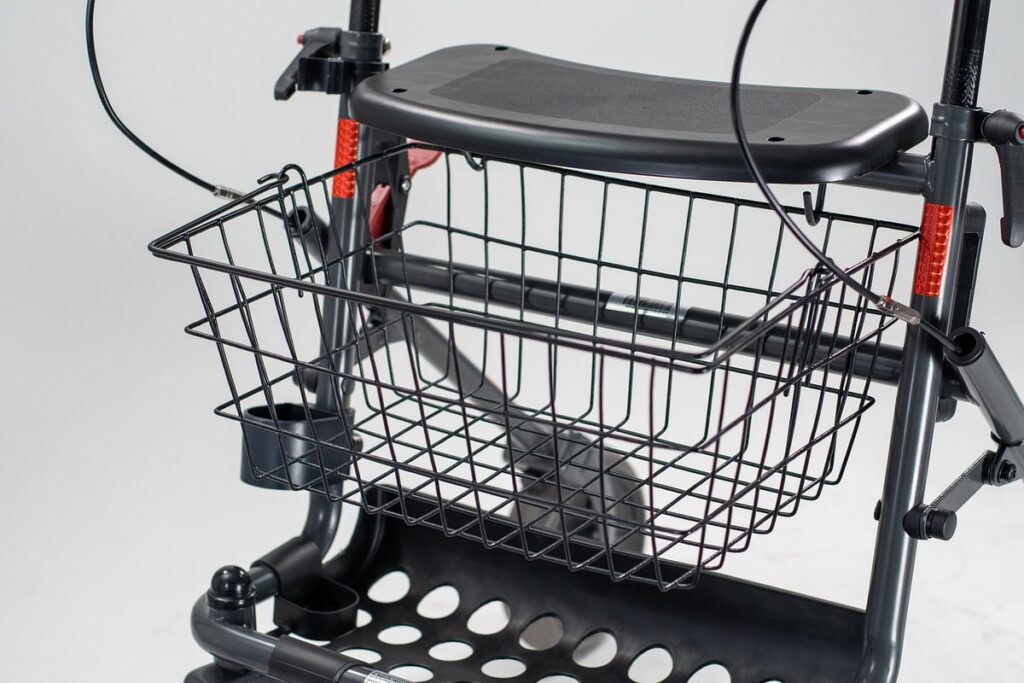
Understanding Mobility Walkers: What They Are and Why You Need One
If you’re considering investing in a mobility walker, it’s essential to understand what they are and why you need one. Let’s take a closer look at these versatile assistive devices.
Types of Mobility Walkers: Choosing the Right One for Your Needs
When it comes to choosing a mobility walker, understanding the different types available is crucial. There are three primary categories: basic walkers, folding walkers, and rollators.
Basic walkers provide excellent stability and support for individuals who require assistance walking. They typically have four legs and a wide base for added balance. However, they can be cumbersome to maneuver in tight spaces.
Folding walkers, on the other hand, offer greater portability due to their compact design. They often feature adjustable handles and can be easily folded up when not in use. This makes them ideal for travel or indoor use where space is limited.
Rollators are a hybrid of a walker and a wheelchair, providing excellent support and mobility for individuals who need assistance walking but also want to maintain some independence. They usually come equipped with wheels, seats, and storage compartments, making them perfect for longer trips or outings.
When choosing a mobility walker, consider your lifestyle, needs, and preferences. Think about the space you’ll be using it in, how often you plan to travel with it, and what features are essential to you. By selecting the right type of mobility walker, you can enjoy greater independence and confidence while staying mobile.
Key Features to Look for in a Mobility Walker
When shopping for a mobility walker, it’s essential to consider several key features to ensure you find one that meets your needs. First and foremost, look for an adjustable height feature. This will allow you to customize the walker to fit your height, whether you’re short or tall. An adjustable height also makes it easier to switch between using the walker in different rooms or situations.
Another crucial factor is weight capacity. Make sure to choose a mobility walker that can support your weight comfortably. A good rule of thumb is to select a walker with a weight capacity at least 20% higher than your actual weight. This will provide a safety buffer and ensure you can use the walker without worrying about its stability.
Stability is also a top priority when selecting a mobility walker. Look for one with wide, stable bases and a low center of gravity to prevent tipping over. Some walkers may also feature non-slip feet or rubber tips to further enhance stability on various surfaces. By considering these features, you can find a mobility walker that provides reliable support and confidence while using it.
Improving Balance and Reducing Fall Risks with Mobility Walkers
Using a mobility walker can significantly improve balance and reduce fall risks, especially for seniors or individuals with mobility issues who struggle to walk confidently on their own. We’ll explore how these devices can provide essential support and stability.
Benefits of Using a Mobility Walker for Seniors and Individuals with Limited Mobility
Using a mobility walker can be a game-changer for seniors and individuals with limited mobility. By providing additional support and stability, these devices can significantly improve balance and reduce fall risks. This is especially important as we age, as falls can lead to serious injuries, hospitalization, and even long-term disability.
For seniors living at home or in assisted living facilities, a mobility walker can be a vital tool for maintaining independence. With four sturdy legs and a wide base, these walkers offer unparalleled stability, allowing users to confidently navigate their surroundings without fear of falling. Additionally, many mobility walkers come equipped with comfortable seats and storage compartments, making them an ideal choice for individuals who need assistance with daily tasks.
In fact, studies have shown that using a mobility walker can reduce the risk of falls by up to 30%. This is because these devices enable users to maintain better posture, take more deliberate steps, and recover from slips or trips more easily. By incorporating a mobility walker into their daily routine, seniors and individuals with limited mobility can enjoy greater peace of mind and freedom to live life on their own terms.
When selecting a mobility walker, consider the following factors: weight capacity, foldability, and adjustable height settings. These features will ensure that your device is both safe and practical for use in various environments.
How to Choose the Right Size and Style of Mobility Walker for Better Support and Balance
Choosing the right size and style of mobility walker is crucial to ensure optimal support and balance. When selecting a mobility walker, consider your height and the distance between your hips and floor. This will help you determine the correct frame height for the walker.
Measure from the top of your foot to the top of your hip to get an accurate measurement. Compare this to the manufacturer’s size chart to find the best match. Some walkers also come with adjustable frames, which can be a convenient option if you’re unsure about the right fit.
In addition to frame height, think about the type of mobility walker that suits your needs. Folding walkers are great for travel and compact storage, while fixed walkers offer more stability and support. Some walkers also feature extra-wide bases or ergonomic handles for improved balance and comfort.
When trying out a mobility walker, walk around the house with it to get a feel for its stability and maneuverability. This will give you an idea of whether the walker is comfortable to use and if it meets your needs.
Using a Mobility Walker in Daily Life: Tips and Tricks
Now that you’ve chosen a mobility walker, let’s dive into how to make it an essential part of your daily routine. We’ll share some valuable tips for using one effectively in your daily life.
Incorporating a Mobility Walker into Your Daily Routine
Incorporating a mobility walker into your daily routine can be a game-changer for individuals who need assistance with mobility. One of the most significant concerns is navigating stairs and uneven terrain, but don’t worry, there are ways to adapt.
When using a mobility walker on stairs, consider placing it at an angle to provide additional support while ascending or descending. You can also use handrails as needed, especially if you’re feeling unsteady. For more complex staircases or multiple flights of stairs, you may want to explore the option of installing a stairlift or seeking assistance from a caregiver.
When tackling uneven terrain, such as outdoor paths or ramps, be sure to position your mobility walker at an angle that allows you to distribute weight evenly. This might involve adjusting the handles or legs of the walker to compensate for any inclines or declines. If possible, practice navigating these areas when you’re feeling most stable and confident with your mobility walker.
Remember, with a little practice and patience, incorporating a mobility walker into your daily routine can become second nature. By adapting to its use in different environments, you’ll find yourself relying on it less and less – but still benefiting from the added stability and support it provides.
Storing and Transporting a Mobility Walker with Ease
When using a mobility walker in daily life, it’s not just about navigating through spaces comfortably; it’s also essential to consider storing and transporting the device safely and efficiently. To begin with, you should look for a storage space that is dry, well-ventilated, and out of reach of children and pets.
Before storing your mobility walker, make sure it’s clean and dry. Regular cleaning will prevent dust buildup, which can cause damage to the metal frame or electrical components. If your mobility walker has removable parts, consider disassembling them for easier storage.
When transporting a mobility walker, look for sturdy bags or cases that can protect it from scratches and dents during transit. You can also consider investing in a mobility walker with a folding mechanism to make storing and carrying it more convenient. Remember to always follow the manufacturer’s instructions when assembling or disassembling your mobility walker.
It’s also crucial to transport your mobility walker carefully, especially if you’re using public transportation. Consider asking for assistance from someone who can help you carry the device. If you have a car, consider investing in a car mount or storage compartment specifically designed for mobility walkers.
Safety Considerations When Using a Mobility Walker
When using a mobility walker, it’s essential to be aware of some key safety considerations that can help prevent accidents and ensure your comfort. Let’s discuss these important precautions together.
Preventing Collisions and Accidents with Your Mobility Walker
When using a mobility walker, it’s crucial to be aware of potential hazards and take steps to prevent collisions and accidents. One of the most significant risks is being hit by a vehicle while walking on public roads. To minimize this risk, consider adding reflective tape or lights to your mobility walker.
Reflective tape can be applied to the walker’s frame, wheels, or other visible areas. This will make it more noticeable in low-light conditions, reducing the likelihood of being struck. You can also attach LED lights to your walker for increased visibility. Some walkers even come with built-in lights that are easy to install and use.
In addition to enhancing visibility, follow basic safety guidelines when using a mobility walker. Always wear bright clothing or carry a flashlight to increase your visibility to others. Be mindful of your surroundings, including uneven terrain, slippery surfaces, and potential obstacles like cords or debris.
When crossing roads, hold the handrail of your walker firmly and make eye contact with drivers if possible. If you’re walking in heavy traffic, consider having someone accompany you for added safety. By taking these precautions, you can enjoy the benefits of a mobility walker while minimizing the risks associated with its use.
Maintenance Tips to Keep Your Mobility Walker in Good Working Condition
To keep your mobility walker in good working condition, regular maintenance is essential. Cleaning and storing your walker properly can help prevent damage, extend its lifespan, and ensure it continues to provide the support you need.
Start by regularly wiping down the frame and wheels with a damp cloth to remove dirt and dust. This will not only make cleaning easier but also prevent rust from forming on metal parts. Use a mild soap solution for tougher stains or areas with heavy buildup. For more thorough cleaning, mix baking soda and water to create a paste that can help lift stubborn dirt.
Proper storage is also crucial. Avoid storing your walker in humid areas or where it may be exposed to direct sunlight, which can cause damage to the materials. Store it in a dry place, such as a closet or under-bed storage container, and consider covering it with a breathable cloth or plastic bag when not in use. This will protect it from dust and debris while keeping it easily accessible.
Check your walker’s brakes regularly by applying gentle pressure and ensuring they engage smoothly. Also, inspect the wheels for wear and tear, replacing them as needed to maintain stability and prevent accidents.
The Future of Mobility Walkers: Advances in Technology and Design
As we explore the future of mobility walkers, exciting advancements in technology and design are emerging to revolutionize your walking experience. From sleeker frames to intelligent sensors, innovation is changing the game!
New Developments in Mobility Walker Technology
In recent years, mobility walker technology has undergone significant advancements, making it easier for individuals to navigate their surroundings with greater independence. One notable development is the integration of GPS tracking systems into certain models. This feature allows caregivers and loved ones to monitor the user’s location in real-time, providing peace of mind and ensuring timely assistance if needed.
Another innovative feature gaining popularity is automatic folding mechanisms. These mechanisms simplify the process of storing mobility walkers when not in use, making it easier for users to transport them or store them in compact spaces. For instance, some models come equipped with a simple touch-button that allows the walker to fold up with ease.
Manufacturers are also exploring new materials and designs to make mobility walkers more durable and comfortable to use. Some examples include lightweight aluminum frames, ergonomic handles, and adjustable height settings. These developments not only enhance user experience but also contribute to the overall safety and stability of mobility walkers. By staying informed about these advancements, users can choose the right mobility walker that meets their specific needs and lifestyle.
How Emerging Trends in Design Will Impact the Future of Mobility Walkers
As we continue to see advancements in mobility walkers, emerging trends in design are poised to have a significant impact on the future of these essential assistive devices. One notable shift is the increased focus on aesthetics and user experience. Designers are no longer just concerned with functionality; they’re now considering how to make mobility walkers visually appealing and intuitive to use.
For instance, many modern mobility walkers feature sleek and ergonomic designs that not only provide stability but also promote a sense of confidence in users. Some models even come equipped with vibrant colors and stylish accents, making them a fashion statement rather than an eyesore. This emphasis on aesthetics is particularly important for older adults who want to maintain their independence while still looking great.
As mobility walkers become more design-focused, manufacturers are also incorporating user-centric features such as adjustable handles, foldable frames, and lightweight materials. These innovations not only make it easier for users to navigate through tight spaces but also reduce fatigue and strain on joints. With the future of mobility walkers poised to be shaped by design trends, one thing is clear: users can expect a more enjoyable and convenient experience with each new model that hits the market.
Conclusion: Unlocking the Full Potential of Your Mobility Walker
Now that you’ve learned the benefits and advantages of mobility walkers, it’s time to unlock their full potential for your daily needs. Let’s explore how to get the most out of this valuable tool.
Recap of Key Takeaways from This Article
When using a mobility walker as part of your daily routine, it’s essential to remember the key benefits and advantages you’ve learned throughout this article. First and foremost, mobility walkers provide increased stability and balance, reducing the risk of falls and injuries. This is especially crucial for older adults or individuals with mobility issues.
Moreover, mobility walkers have been shown to improve overall mobility and flexibility, allowing users to move around more easily and confidently. As mentioned earlier, they can also be a great asset in managing chronic pain by distributing weight evenly across the frame.
Another significant advantage of using a mobility walker is its versatility – it’s not just limited to indoor use! Many models come with wheels that make them suitable for outdoor excursions as well. Whether you’re navigating uneven terrain or simply walking around the block, your mobility walker will be there to support and assist you every step of the way.
To maximize the benefits of your mobility walker, remember to adjust it regularly to ensure a proper fit. This may involve fine-tuning the height settings or adjusting the armrests for optimal comfort. By doing so, you’ll be able to enjoy the full range of advantages that your mobility walker has to offer.
Final Thoughts: Embracing Independence with the Right Mobility Walker
As you’ve learned about the numerous benefits and advantages of mobility walkers, it’s essential to remember that the true value lies not just in the device itself but also in how you choose to use it. To maintain independence as you age, consider embracing the freedom that a mobility walker provides by taking an active role in your daily life.
This means using your mobility walker to participate in activities that bring you joy and fulfillment, whether it’s walking around the block with family or pursuing hobbies like gardening or painting. By staying engaged and mobile, you’ll not only maintain your physical health but also keep your mind sharp and your spirit lifted.
To ensure a seamless transition into using a mobility walker, take some time to explore your surroundings and identify areas where a little extra support would be beneficial. Practice navigating stairs, narrow hallways, or uneven terrain to build confidence and become more comfortable with your device. By doing so, you’ll unlock the full potential of your mobility walker and maintain independence for years to come.
Frequently Asked Questions
What should I consider when traveling with my mobility walker?
When traveling, make sure to check the airline’s policy on mobility walkers and weigh your options carefully. Some airlines allow mobility walkers as carry-on luggage, while others may require it to be checked. Consider the foldability of your mobility walker and whether it fits in the overhead compartment or under the seat.
Can I use a mobility walker on uneven terrain?
Mobility walkers can be used on various surfaces, but they’re best suited for flat or slightly inclined areas. If you plan to use your mobility walker on uneven terrain, such as grass or stairs, consider investing in a model with adjustable height settings and sturdy wheels. However, it’s essential to exercise caution and assess the terrain carefully before using your mobility walker.
How do I properly store my mobility walker when not in use?
Proper storage of your mobility walker is crucial to maintain its longevity. Consider storing it in a dry, well-ventilated area away from direct sunlight. If you have limited space, look for compact models or consider folding the walker when not in use.
Can I customize my mobility walker with accessories or modifications?
While some mobility walkers come with interchangeable components, others may require professional modifications. Research your options and consult with a healthcare professional or manufacturer’s representative to determine the best course of action for your specific needs.
What are some common maintenance tasks I should perform on my mobility walker?
Regular maintenance is essential to ensure your mobility walker continues to provide support and stability. Check the manufacturer’s guidelines, but typical maintenance tasks include cleaning the wheels and frame, tightening loose screws, and inspecting for any damage or wear. Regular maintenance will help extend the lifespan of your mobility walker.