
Are you tired of feeling left out or struggling to communicate with loved ones due to your hearing loss? You’re not alone. Millions of people worldwide suffer from some degree of hearing impairment, and it’s essential to find a solution that works best for their unique needs. With the numerous types and brands of hearing aids available on the market, making an informed decision can be overwhelming. In this article, we’ll take the guesswork out of choosing the top-rated hearing aids for you. We’ll explore different types, including behind-the-ear, in-the-ear, and completely-in-canal models, as well as various features such as wireless connectivity and rechargeable batteries. Our goal is to help you navigate the market and find the best hearing aid that suits your specific requirements, ensuring you can connect with the world around you again.
Understanding Hearing Loss and the Need for Hearing Aids
Hearing loss can affect anyone, regardless of age, lifestyle, or background, and understanding its causes is crucial to making informed decisions about hearing aids. In this section, we’ll explore the ins and outs of hearing loss.
Types of Hearing Loss: Conductive, Sensorineural, and Mixed
When it comes to hearing loss, there are three primary types: conductive, sensorineural, and mixed. Understanding these differences is crucial when choosing the right hearing aid for your specific needs.
Conductive hearing loss occurs when sound cannot be conducted through the middle ear to the inner ear. This can be caused by a variety of factors, such as a perforated eardrum, excessive earwax buildup, or a middle ear infection. Symptoms may include muffled speech and sounds, difficulty understanding conversations in noisy environments, and feeling like you need to turn up the TV volume.
Sensorineural hearing loss, on the other hand, is related to damage to the inner ear or the auditory nerve. It can be caused by exposure to loud noises, certain medications, or age-related wear and tear. Symptoms may include difficulty understanding high-pitched sounds, trouble hearing in noisy environments, and feeling like you’re constantly straining to hear.
Mixed hearing loss combines elements of both conductive and sensorineural hearing loss. This type of hearing loss is often more challenging to diagnose and treat, as it requires addressing the underlying cause of both types of hearing loss.
If you’re struggling with hearing loss, it’s essential to consult a healthcare professional for an accurate diagnosis and personalized treatment plan. By understanding your specific type of hearing loss, you’ll be better equipped to choose the right hearing aid that meets your unique needs.
Causes and Risk Factors of Hearing Loss
Hearing loss is a common issue that affects millions of people worldwide. Understanding its causes and risk factors can help you identify potential problems early on and take preventive measures to protect your hearing. Let’s start with the basics: age is one of the most significant contributors to hearing loss. As we age, our ears undergo natural changes that can affect their ability to process sound. By the time we reach 65, nearly half of us will experience some degree of hearing loss.
Genetics also play a role in hearing loss. If your family members have experienced it, you may be more likely to develop it as well. Noise exposure is another major risk factor. Prolonged or repeated exposure to loud sounds, such as music or machinery, can cause permanent damage to the hair cells in our ears. Certain medications like antibiotics and aspirin can also harm our hearing if used excessively.
Preventing hearing loss requires a multi-faceted approach. This includes protecting your ears from loud noises by wearing earplugs or earmuffs, getting regular check-ups with an audiologist, and being mindful of the medications you take.
The Importance of Seeking Professional Help for Hearing Loss
Hearing loss can be a daunting experience, affecting not only our ability to communicate but also our emotional well-being. Recognizing the importance of seeking professional help is crucial in addressing hearing issues effectively. A healthcare provider specializing in audiology or otology can conduct thorough examinations and recommend personalized solutions.
When it comes to managing hearing loss, there’s no one-size-fits-all approach. Consulting a specialist ensures that you receive tailored advice on the most suitable treatment options for your specific condition. They’ll assess your ear anatomy, discuss any underlying medical conditions contributing to hearing issues, and explain the potential benefits of hearing aids or other interventions.
Don’t underestimate the value of expert guidance – it can be the difference between choosing a hearing aid that meets your needs versus one that falls short. By investing in professional advice, you’ll not only improve your hearing but also enhance your overall quality of life.
Choosing the Right Type of Hearing Aid
When it comes to selecting the perfect hearing aid, understanding your options is crucial. This section will walk you through the different types of hearing aids available on the market today.
Behind-the-Ear (BTE) Hearing Aids: Pros and Cons
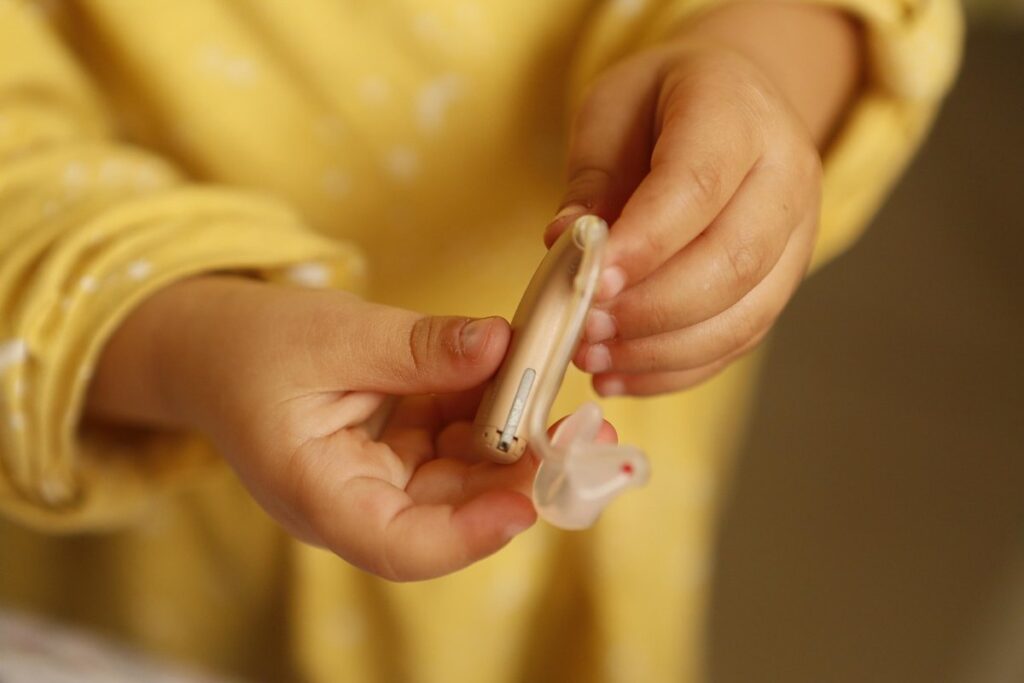
Behind-the-Ear (BTE) hearing aids are a popular choice among individuals with moderate to severe hearing loss. These devices consist of a small amplifier and receiver that sit behind the ear, connected by a tube to an earmold that fits into the ear canal. The benefits of BTE hearing aids include improved sound quality, greater power and battery life, and ease of use. They are also often more discreet than other types of hearing aids, as the amplifier is hidden from view.
One of the major advantages of BTE hearing aids is their ability to amplify a wide range of frequencies, making it easier for users to understand speech in noisy environments. Additionally, they can be custom-programmed to fit individual hearing needs and preferences. However, there are some potential drawbacks to consider: BTE devices can be bulkier than other types, and the earmold may require regular cleaning and maintenance to ensure proper function. Overall, BTE hearing aids offer a reliable and effective solution for individuals with significant hearing loss, but it’s essential to weigh their pros and cons carefully before making a decision.
Receiver-in-Canal (RIC) Hearing Aids: Features and Advantages
Receiver-in-Canal (RIC) hearing aids are a popular choice among individuals with moderate to severe hearing loss. These devices consist of two main parts: the receiver (also known as the speaker) and the microphone, which is housed in the ear canal. The receiver sits directly behind the eardrum, while the microphone picks up sound from the environment.
The RIC design offers several advantages over other types of hearing aids. One key benefit is its ability to amplify sound more efficiently, allowing individuals to better distinguish between different frequencies and speech sounds. Additionally, RIC hearing aids are generally more discreet than other styles, making them an attractive option for those who value aesthetics. Some users also report improved feedback resistance with RIC devices.
A notable feature of RIC hearing aids is their high-powered output, which can reach levels as high as 90 decibels. This makes them suitable for individuals with significant hearing loss or those requiring a higher power-to-comfort ratio. Overall, the combination of advanced technology and user-friendly design has made RIC hearing aids a favorite among audiologists and patients alike.
Completely-in-Canal (CIC) Hearing Aids: Discreet and Customizable Options
Completely-in-Canal (CIC) hearing aids are an attractive option for those seeking a discreet and customizable solution to their hearing loss. These devices fit entirely within the ear canal, making them nearly invisible to others. This design provides several benefits, including improved sound quality, reduced wind noise, and enhanced comfort. The custom-fit nature of CIC hearing aids allows for precise sound amplification tailored to an individual’s specific needs.
One potential limitation of CIC hearing aids is their potential impact on the ear canal’s natural ability to clean itself. Since these devices are inserted deep within the ear, there is a risk of wax buildup and blockages if not properly cleaned and maintained. To mitigate this issue, it’s essential for users to establish a regular cleaning routine.
Despite this consideration, CIC hearing aids offer an appealing combination of discretion and performance, making them suitable for individuals seeking a more subtle hearing solution. Those interested in trying these devices should consult with an audiologist or hearing specialist to determine their candidacy and find the best fit.
Key Features to Consider When Selecting a Hearing Aid
When selecting a hearing aid, there are several key features to consider that will greatly impact your overall satisfaction and effectiveness. Let’s break down these essential factors one by one.
Sound Quality and Clarity
When it comes to selecting a hearing aid, sound quality and clarity are essential factors to consider. The way we perceive and interpret sounds is complex, but fortunately, there are standardized measures to evaluate a hearing aid’s performance. One such measure is the Speech-to-Noise Ratio (SNR), which assesses a device’s ability to prioritize speech over background noise.
To put this into perspective, research has shown that individuals with mild to severe hearing loss can experience difficulties understanding speech in noisy environments up to 50% of the time. When choosing a hearing aid, look for devices that have high SNR ratings, typically above 5 dB. Additionally, consider hearing aids equipped with noise reduction and sound localization features. These features help to identify and suppress background noise, allowing you to focus on the sounds that matter most.
When evaluating a hearing aid’s sound quality, also pay attention to its frequency response. A flat frequency response means the device can accurately reproduce sound across all frequencies, from low rumbles to high-pitched tones. This ensures a more natural listening experience and reduces distortion. When comparing different models, don’t be afraid to ask about their sound quality features or consult reviews from other users to get an idea of what to expect.
Noise Reduction and Feedback Suppression
When it comes to selecting the best hearing aid for your needs, noise reduction and feedback suppression technologies are two crucial features to consider. These innovative technologies work together to provide a more natural listening experience, even in noisy environments.
Noise reduction technology, also known as noise management or noise cancellation, helps to minimize background distractions, allowing you to focus on the sounds that matter most. This is achieved through advanced algorithms that analyze and adjust sound levels in real-time. For instance, if you’re trying to have a conversation with someone at a restaurant, the hearing aid can reduce the loud music in the background, making it easier to communicate.
Feedback suppression technology, on the other hand, works to eliminate unpleasant high-pitched squeals or whistles that can occur when sound is processed through the ear. This can be particularly distressing for some users and may even lead them to avoid wearing their hearing aid altogether. By suppressing feedback, you can enjoy a more comfortable listening experience without unwanted sounds interrupting your conversations.
When shopping for a hearing aid, look for devices with advanced noise reduction and feedback suppression capabilities. Some models may also offer customizable settings to suit your specific needs and preferences. For example, you might be able to adjust the level of noise reduction or choose from different feedback suppression modes. By exploring these features and options, you can find the perfect hearing aid that meets your unique requirements and enhances your overall listening experience.
Battery Life and Charging Options
When selecting a hearing aid, it’s essential to consider battery life and charging options to ensure they meet your needs. Traditional hearing aids rely on disposable zinc-air batteries, which can last anywhere from 4 to 14 days depending on the type and usage. However, this can be inconvenient for users who need to constantly replace or recharge their batteries.
Rechargeable hearing aids have become increasingly popular in recent years, offering greater convenience and cost savings. They typically use lithium-ion batteries that can be charged daily through a USB port or docking station. Some high-end models even offer wireless charging capabilities, making it easy to keep your device powered up without the hassle of cords or chargers.
When choosing a hearing aid, consider how you plan to use it and what type of battery life will best suit your needs. If you’re always on-the-go, rechargeable batteries might be the better option. However, if you prefer simplicity and don’t mind replacing batteries regularly, traditional zinc-air batteries may still be suitable.
Brands and Models: A Review of Top-Rated Hearing Aids
Let’s take a closer look at some of the top-rated hearing aid brands and models, each carefully selected for their exceptional sound quality and user experience. From Oticon to Phonak, we’ll review the best options available.
Phonak and Oticon: Industry Leaders in Hearing Aid Technology
When it comes to top-rated hearing aids, two industry leaders stand out: Phonak and Oticon. Both brands have been at the forefront of innovative technology, delivering exceptional sound quality and customer satisfaction.
Phonak’s latest models, such as the Audéo Marvel and Sky, boast impressive features like speech-enhancing algorithms and rechargeable batteries. Users praise their clear and natural sound, with one reviewer commenting on how they can easily follow conversations in noisy environments. Phonak’s smart app integration allows for easy adjustments and connectivity to compatible devices.
Oticon’s Opn range also makes a strong impression, offering cutting-edge features like BrainHearing technology and customizable settings through the Oticon ON App. Customers rave about the improved sound quality and ease of use, citing reduced listening effort in challenging situations. With their focus on customer-centric design, both Phonak and Oticon have earned a reputation for delivering hearing aids that truly make a difference.
As you consider your options, it’s essential to weigh the features and benefits of each brand. Consider factors like battery life, connectivity options, and the level of customization available.
Signia and Rexton: Innovative Solutions for Complex Hearing Loss
Signia and Rexton hearing aids have revolutionized the way people with complex hearing loss experience sound. These innovative solutions offer a range of features that cater to different types of hearing impairments. Signia’s cutting-edge technology, such as its proprietary Silk and Primax sound processing systems, provides exceptional sound quality and clarity.
One of the key benefits of Signia and Rexton hearing aids is their ability to adapt to various environments and situations. For instance, their advanced noise reduction algorithms can help filter out background noise, making it easier for users to focus on conversations. Additionally, some models come equipped with features like automatic music mode, which optimizes sound levels for enhanced music listening.
Rexton’s hearing aids also stand out for their sleek design and discreet styling options, allowing users to choose a device that fits their personal preferences. Signia and Rexton’s commitment to innovation and user-centric design has earned them a loyal following among audiologists and patients alike.
ReSound and Unitron: Budget-Friendly Options with Advanced Features
If you’re looking for budget-friendly hearing aid options that pack a punch when it comes to advanced features, ReSound and Unitron are two excellent choices. Both brands offer a range of devices with cutting-edge technology at price points that won’t break the bank.
ReSound’s latest models, such as the Enya 3D and LiNX Quattro, start around $1,000-$1,200 per earpiece and come packed with features like wireless connectivity, customizable sound programs, and a rechargeable battery. Their LiNX Quattro model even boasts a rechargeable battery that lasts up to six hours on a single charge.
Unitron’s Stride and Moxi models are another great option in the budget-friendly range, priced around $800-$1,200 per earpiece. These devices offer features like wireless connectivity, automatic soundscaping, and customizable sound programs, all while being designed with comfort and wearability in mind.
When considering ReSound or Unitron hearing aids, it’s essential to schedule a consultation with an audiologist to determine which model best suits your specific needs. They can help you explore the various features and benefits of each device, ensuring that you find the perfect fit for your lifestyle and budget.
Tips for Getting the Most Out of Your Hearing Aid
Now that you’ve selected your perfect hearing aid, let’s dive into some valuable tips to get the most out of it and make the most of its benefits. We’ll share expert advice to help you customize and maintain your device.
Adapting to Your New Device: Tips for a Smooth Transition
Adjusting to a new hearing aid can take some time, but with patience and practice, you’ll be able to enjoy clear and crisp sound. Initially, it’s common for the device to feel overwhelming, especially if you’re accustomed to wearing glasses or other types of assistive technology.
To get used to your new device, start by gradually increasing the volume over a few days. You may need to adjust the settings multiple times before finding a comfortable level. Be aware that loud sounds can be startling at first, but they will become less jarring as you acclimate. Try to focus on different frequencies and sound levels to get accustomed to your hearing aid’s capabilities.
It’s also essential to understand that some background noises might seem amplified initially. However, this is normal, and the device will help your brain learn to filter them out over time. Experiment with various sounds, such as rustling leaves or gentle conversations, to become more comfortable with the new range of frequencies you can perceive.
Maintenance and Cleaning: Keeping Your Hearing Aids in Top Condition
To get the most out of your hearing aid, regular maintenance and cleaning are crucial. This not only ensures optimal performance but also prolongs the device’s lifespan.
Daily use can lead to earwax buildup, which may damage your hearing aid or cause discomfort. To prevent this, gently clean the exterior with a soft cloth after each use. Use a dry brush or a small, dry cloth to wipe down the microphone and other external components. For more thorough cleaning, mix equal parts water and white vinegar in a bowl. Dip the tip of the brush into the solution and gently sweep it over the surfaces.
It’s essential to clean your hearing aid at least once a week, but ideally after each use. Use a dehumidifier or silica gel packets near your device to keep moisture at bay. Regular cleaning also helps prevent bacterial growth. When washing your hands before handling your hearing aids, make sure to dry them completely before touching the devices.
Remember, excessive moisture can lead to damage and corrosion. Avoid wearing your hearing aid while showering, bathing, or engaging in activities that cause heavy sweating.
Staying Up-to-Date with the Latest Technology: Tips for Future-Proofing Your Hearing Aid
As you continue to rely on your hearing aid for effective communication and overall quality of life, it’s essential to stay current with the latest advancements in technology. The world of hearing aids is constantly evolving, with new features and innovations emerging regularly.
To future-proof your device, consider the following tips: invest in a hearing aid that uses advanced sound processing algorithms, such as Sound ID or Clear Voice Input (CVI). These technologies help improve speech recognition and reduce background noise. Another key consideration is wireless connectivity – look for devices that seamlessly integrate with smartphones, TVs, and other smart home devices using Bluetooth or Wi-Fi.
Additionally, stay informed about the latest hearing aid models by attending seminars or workshops hosted by audiologists and industry experts. Online forums and social media groups can also be valuable resources for staying up-to-date on new technologies and receiving advice from fellow users.
Regular software updates are crucial to ensuring your device remains optimized for performance. Consult with your audiologist to understand the update process and schedule regular check-ins to maintain your hearing aid’s peak functionality. By following these steps, you’ll be well-equipped to navigate the rapidly changing landscape of hearing aid technology.
Conclusion: Finding the Best Hearing Aid for Your Needs
Now that you’ve explored your options, it’s time to narrow down your choices and find the perfect hearing aid that suits your specific needs. Let’s review what we’ve covered so far.
Recap of Key Considerations and Takeaways
When choosing the right hearing aid for your needs, it’s essential to consider several key factors. Type of hearing loss is a crucial aspect to keep in mind – whether you’re dealing with conductive, sensorineural, or mixed hearing loss will determine the type of technology and features required.
Sound quality was another critical consideration discussed throughout this guide, from directional microphones to feedback cancellation and noise reduction technologies. To achieve optimal sound quality, look for devices that offer customizable sound profiles and a high level of frequency response.
Noise reduction capabilities are also vital in today’s noisy world – whether you’re in a busy street or a quiet library, the right hearing aid can help mitigate unwanted background sounds. Be sure to check the device’s noise reduction rating (NRR) and consider features like adaptive noise cancellation.
Incorporating these key considerations will significantly enhance your ability to find a hearing aid that meets your unique needs and improves your listening experience.
Final Thoughts: Embracing a Full Life with the Right Hearing Aid
As you conclude your journey to finding the best hearing aid for your needs, it’s essential to remember that this device is just a tool to enhance your life. Embracing a full life with the right hearing aid means more than just correcting your hearing loss – it’s about living confidently and connecting with loved ones.
You’ve spent time researching, comparing features, and considering your lifestyle. Now, take the next step: integrate your new hearing aid seamlessly into your daily routine. Don’t be afraid to experiment with different settings and programs until you find what works best for you. For instance, if you’re a music lover, try adjusting the sound profile to bring out more clarity in melodies.
As you settle into your new device, prioritize regular check-ups with your audiologist to ensure it continues to meet your needs. This is an ongoing process, and adjustments may be necessary over time. By embracing this commitment to self-care and seeking professional guidance when needed, you’ll unlock the full potential of your hearing aid and live a more enriched life.
Frequently Asked Questions
Can I try out different types of hearing aids before purchasing one?
Yes, many audiologists offer demo sessions or trials for various hearing aid models. This is a great opportunity to experience the sound quality and comfort of different devices before making a decision.
How do I know if my hearing loss is conductive, sensorineural, or mixed?
Consulting an audiologist will help determine the type of hearing loss you have. They will perform a comprehensive evaluation, including a medical history, physical examination, and auditory tests to diagnose the specific nature of your hearing impairment.
Are rechargeable batteries more expensive in the long run?
Generally, rechargeable batteries are cost-effective in the long run as they eliminate the need for frequent battery replacements. However, some users may experience increased costs due to potential damage from improper charging or wear on the device itself.
Can I use my new hearing aid if I have a pacemaker or other implantable medical device?
It’s essential to consult with your audiologist and healthcare provider before using a hearing aid if you have an implantable medical device. Many modern hearing aids are designed with safety features, such as electromagnetic shielding, but it’s crucial to ensure compatibility.
How often should I schedule follow-up appointments with my audiologist after getting new hearing aids?
Regular follow-up appointments (typically every 6-12 months) will help you fine-tune your hearing aid settings, address any concerns or issues that may arise, and ensure optimal performance. This also provides an opportunity for further adjustments as your hearing changes over time.