
High blood pressure is often viewed as a harmless condition, but new research suggests that even mildly elevated readings can significantly increase your risk of developing dementia. Studies have consistently shown a link between hypertension and cognitive decline, with some studies indicating that individuals with high blood pressure are up to three times more likely to develop dementia than those with normal blood pressure levels. This association is thought to be due in part to the damage that high blood pressure can cause to small blood vessels in the brain, leading to impaired blood flow and reduced oxygen delivery to brain cells. In this article, we’ll explore the mechanisms underlying the relationship between blood pressure and dementia risk, as well as evidence-based strategies for managing hypertension and reducing your likelihood of cognitive decline.
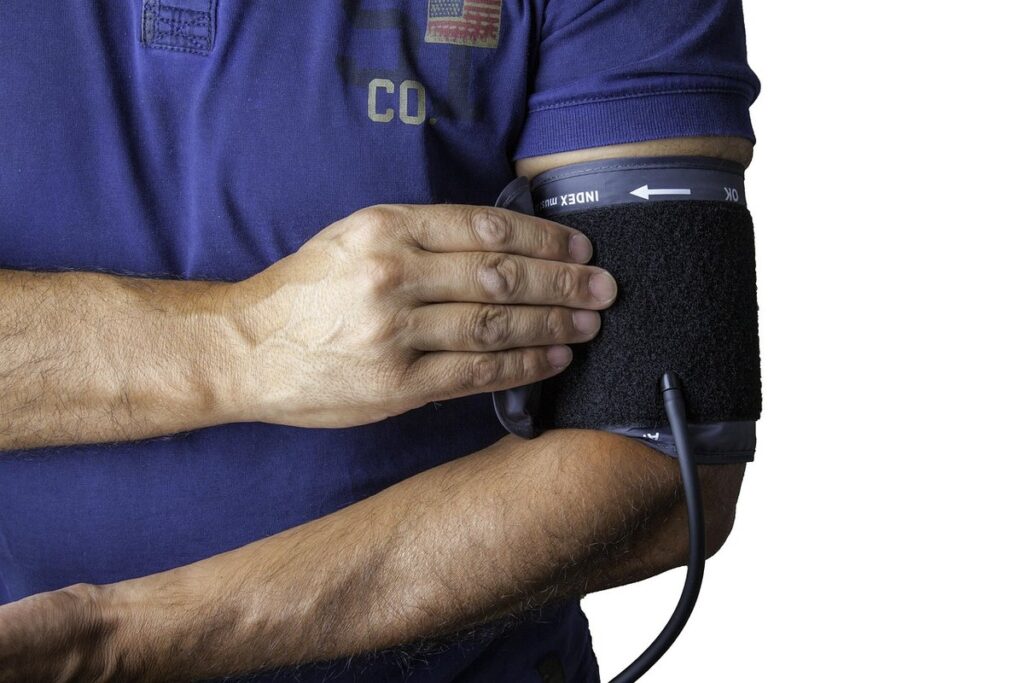
Understanding the Connection Between Blood Pressure and Dementia
High blood pressure has been linked to a higher risk of developing dementia, but what exactly is behind this connection? Let’s take a closer look at the research that explains how hypertension impacts brain health.
The Role of Hypertension in Cognitive Decline
High blood pressure accelerates cognitive decline by damaging small blood vessels in the brain. This process is known as vascular dementia. When these tiny vessels become compromised, they can’t supply enough oxygen and nutrients to brain tissue. As a result, neurons begin to die off, leading to memory loss and other symptoms of cognitive decline.
The relationship between hypertension and cognitive decline is closely tied to inflammation. High blood pressure causes the inner lining of blood vessels to become damaged, allowing lipids and inflammatory cells to seep into the vessel walls. This leads to chronic inflammation in the brain, which can further damage brain tissue.
Research suggests that even mild, uncontrolled hypertension can increase dementia risk by up to 30%. By maintaining healthy blood pressure levels through lifestyle changes or medication, individuals may be able to reduce their risk of cognitive decline and dementia.
Factors That Increase the Risk of Dementia Due to High Blood Pressure
High blood pressure can increase dementia risk significantly, but certain lifestyle factors, medical conditions, and other variables can exacerbate this relationship. One key factor is smoking: nicotine constricts blood vessels, which can worsen the damage high blood pressure causes to brain blood vessels. A diet heavy in processed meat, sugar, and saturated fats also raises blood pressure and contributes to dementia risk.
Other medical conditions that interact with hypertension to increase dementia risk include diabetes, kidney disease, and sleep apnea. These conditions often share common underlying causes, such as obesity and physical inactivity, which can further elevate blood pressure and dementia risk. Additionally, a family history of dementia or other cognitive disorders can also play a role.
Some medications, including certain antidepressants and antihistamines, can raise blood pressure or exacerbate its effects on the brain. It’s essential to discuss your medication regimen with your healthcare provider to understand potential risks. Finally, social isolation, lack of mental stimulation, and inadequate physical activity have all been linked to increased dementia risk, particularly in individuals with hypertension.
The Impact of Uncontrolled Hypertension on Brain Health
High blood pressure can cause serious damage to brain health, leading to an increased risk of dementia and other cognitive impairments if left unmanaged. Understanding this link is crucial for anyone concerned about their risk.
How High Blood Pressure Damages Blood Vessels in the Brain
When blood pressure remains uncontrolled, it puts excessive strain on the delicate blood vessels in the brain. This leads to damage and inflammation, causing the vessels to become narrowed and less efficient. As a result, blood flow to the brain is impaired, depriving brain tissue of essential oxygen and nutrients.
Vascular damage also triggers oxidative stress, a condition where free radicals accumulate and cause cell damage. In the brain, this can lead to the formation of plaques and tangles that are characteristic of dementia. The inflammation caused by high blood pressure can also stimulate the release of pro-inflammatory chemicals, further exacerbating the damage.
Research has shown that uncontrolled hypertension can lead to changes in the structure and function of blood vessels in the brain, including reduced vessel density and impaired vascular reactivity. These changes can have a profound impact on cognitive function, contributing to memory loss, confusion, and other symptoms associated with dementia.
Cognitive Decline and Dementia: A Cascade of Effects
High blood pressure can lead to a cascade of effects on cognitive function, ultimately increasing the risk of dementia. Memory loss is one of the earliest and most noticeable symptoms, as damaged blood vessels in the brain struggle to deliver oxygen and nutrients to neurons. This can impair short-term memory, making it difficult for individuals to recall recent events or learn new information.
Decreased processing speed is another common effect of hypertension on cognitive function. As blood vessels narrow and harden, communication between different areas of the brain becomes slower and less efficient. This can lead to difficulties with concentration, attention, and decision-making.
If left unmanaged, these effects can progress to dementia. Dementia is a broad term that encompasses various symptoms, including difficulty with speech, language, and motor function. High blood pressure is one of several risk factors for dementia, and controlling it through lifestyle changes or medication can help mitigate this risk. Regular exercise, a balanced diet, and stress management techniques can all contribute to maintaining healthy blood vessels and reducing the likelihood of cognitive decline.
Managing Blood Pressure to Reduce Dementia Risk
Managing blood pressure is a crucial step towards reducing your risk of dementia, and it starts with making informed lifestyle choices.
By learning how to manage blood pressure through diet, exercise, and stress management, you can significantly lower your risk of developing dementia.
Lifestyle Changes That Can Help Lower Blood Pressure
Making significant lifestyle changes can have a substantial impact on lowering blood pressure. Aiming for a diet rich in fruits, vegetables, and whole grains is essential. The DASH (Dietary Approaches to Stop Hypertension) eating plan, which emphasizes consuming potassium-rich foods like leafy greens and sweet potatoes, has been shown to be effective in reducing blood pressure.
Regular physical activity also plays a crucial role in maintaining healthy blood pressure levels. Aim for at least 150 minutes of moderate-intensity aerobic exercise or 75 minutes of vigorous-intensity aerobic exercise per week. Incorporating strength training exercises into your routine can also help lower blood pressure by improving insulin sensitivity and cardiovascular health.
Stress management techniques are another vital component of lifestyle changes that can help regulate blood pressure. Engaging in activities like meditation, yoga, or deep breathing exercises for 20-30 minutes a day can help mitigate the negative effects of stress on blood pressure. Limiting screen time before bed and establishing a consistent sleep schedule can also contribute to better blood pressure management.
Aiming to reduce sodium intake to less than 2,300 milligrams per day is also essential in maintaining healthy blood pressure levels.
Medications and Supplements: What You Need to Know
When it comes to managing high blood pressure and reducing dementia risk, medications and supplements play a crucial role. Antihypertensive medications, such as diuretics, beta blockers, and ACE inhibitors, can effectively lower blood pressure and reduce the risk of cognitive decline. However, not all medications are created equal, and some may have more benefits than others.
For example, research suggests that certain classes of antihypertensive medications, like calcium channel blockers and renin-angiotensin system inhibitors, may be particularly effective in reducing dementia risk. On the other hand, some studies have raised concerns about the potential cognitive effects of certain diuretics and beta blockers.
In addition to prescription medications, supplements and natural remedies are also being explored for their potential benefits in lowering blood pressure and reducing dementia risk. Omega-3 fatty acids, vitamin D, and CoQ10 are examples of nutrients that may help mitigate the negative effects of high blood pressure on the brain. However, it’s essential to consult with a healthcare professional before adding any supplements to your regimen, as they can interact with medications or have adverse effects in certain individuals.
Blood Pressure Monitoring and Early Detection
To effectively manage dementia risk, understanding how blood pressure monitoring can play a crucial role in early detection is essential for individuals and their loved ones. Regular monitoring helps identify potential issues early on.
The Importance of Regular Blood Pressure Checks
Regular blood pressure checks are crucial for early detection and intervention in individuals at risk of dementia due to hypertension. When blood pressure is consistently high, it can cause damage to small blood vessels in the brain, leading to cognitive decline and increased dementia risk.
A study found that people with uncontrolled hypertension were more likely to experience cognitive impairment, including memory loss and difficulty concentrating. Furthermore, research suggests that even mild elevations in blood pressure can have a significant impact on brain health.
To put this into perspective, consider the following: if your blood pressure is consistently above 130/80 mmHg, you may be at increased risk of dementia. In fact, some studies suggest that every 10mmHg increase in systolic blood pressure above 115mmHg can raise dementia risk by up to 30%. Regular monitoring and control of blood pressure can help mitigate this risk.
To make regular checks a habit, consider the following: schedule annual check-ups with your healthcare provider, use a home blood pressure monitor, or download a mobile app that tracks your readings. By prioritizing blood pressure management, you can take proactive steps towards reducing your dementia risk.
Identifying Red Flags: When to Seek Medical Attention
If you experience a sudden stroke-like episode, characterized by weakness, numbness, or paralysis on one side of the body, seek medical attention immediately. This can be a sign of severe hypertension causing blood vessel damage in the brain.
Other warning signs that require prompt evaluation include severe and persistent headaches, often accompanied by visual disturbances or confusion. A severe headache can be a symptom of a hemorrhagic stroke, which is more common in people with high blood pressure. If you have frequent or recurring severe headaches, consult your doctor to rule out underlying conditions that may be contributing to the symptoms.
Additionally, if you notice any significant cognitive decline, such as difficulty concentrating, memory loss, or confusion, seek medical attention. This can be an indication of uncontrolled hypertension affecting brain function and increasing dementia risk. Keep in mind that some people with high blood pressure may not experience noticeable symptoms, making regular check-ups crucial for detecting potential issues early on.
Consider keeping a symptom journal to track any changes in your health, including headaches or cognitive decline. Discussing these concerns with your healthcare provider can help identify potential risks and develop an effective plan to manage them.
The Intersection of Blood Pressure and Other Dementia Risk Factors
When considering dementia risk, it’s essential to examine how blood pressure interacts with other factors that contribute to cognitive decline. Let’s take a closer look at these intersecting influences.
Interplay Between Hypertension and Age-Related Cognitive Decline
When hypertension is present alongside age-related cognitive decline, the risk of dementia increases exponentially. This interplay is particularly concerning because it can lead to a vicious cycle: high blood pressure accelerates cognitive decline, which in turn exacerbates hypertension. Research has shown that individuals with uncontrolled hypertension are more likely to develop dementia than those with well-managed blood pressure.
Diabetes and obesity are also significant contributors to this interconnection. Studies have found that people with diabetes are at a higher risk of developing dementia due to the vascular damage caused by high blood sugar levels. Similarly, obese individuals often experience increased blood pressure, further compounding their risk. Family history is another critical factor; if one or both parents had dementia, an individual’s risk increases by 10-15%. To mitigate these risks, it’s essential to address comorbid conditions like diabetes and obesity through lifestyle changes, such as a balanced diet and regular exercise.
A crucial first step is to work closely with healthcare providers to manage hypertension and other related health issues. By doing so, individuals can reduce their risk of dementia and improve overall brain health.
Managing Comorbid Conditions to Reduce Dementia Risk
When managing comorbid conditions alongside hypertension, a comprehensive care plan is essential to reduce dementia risk. This involves identifying and addressing all contributing factors, rather than treating individual symptoms. For instance, if you have diabetes and hypertension, controlling blood sugar levels can also help lower blood pressure.
A multidisciplinary team of healthcare professionals, including primary care physicians, specialists, and caregivers, should work together to develop a personalized plan. This ensures that medication regimens are optimized, lifestyle changes are tailored to individual needs, and mental health is prioritized through stress management techniques and social support networks.
Key components of a comprehensive care plan include:
- Regular monitoring of blood pressure, diabetes, and other comorbid conditions
- Coordination of medication schedules to minimize side effects and maximize efficacy
- Education on healthy lifestyle choices, such as regular exercise, balanced diet, and adequate sleep
- Support for mental health through counseling or therapy sessions
By tackling comorbid conditions head-on, individuals with hypertension can reduce their dementia risk and improve overall brain health.
Emerging Research and Future Directions in Blood Pressure Management
New research is shedding light on the potential relationship between blood pressure management and dementia risk, offering fresh insights for patients and healthcare providers alike.
This section explores emerging studies that may have a significant impact on our understanding of this complex link.
Advances in Hypertension Treatment and Prevention
Recent studies have shed light on innovative treatments for hypertension, which may also contribute to reducing dementia risk. Researchers are exploring the potential of sodium-glucose cotransporter 2 (SGLT2) inhibitors, commonly used to treat type 2 diabetes, as a novel approach to lower blood pressure. These medications work by increasing urine production and reducing sodium reabsorption in the kidneys, which can help alleviate hypertension.
Another area of focus is the use of potassium-rich diets and supplements to prevent or manage high blood pressure. Some studies suggest that higher potassium intake may be associated with reduced blood pressure levels and improved cardiovascular health. For instance, a diet rich in fruits, vegetables, and whole grains can provide sufficient potassium to support overall well-being.
Additionally, emerging trends in hypertension prevention highlight the importance of early intervention and lifestyle modifications. Regular physical activity, stress management, and smoking cessation have been consistently linked to better blood pressure control. Furthermore, some studies suggest that mindfulness-based interventions may help reduce stress-related blood pressure increases. By incorporating these strategies into daily life, individuals can potentially mitigate their risk of dementia associated with uncontrolled hypertension.
Implications for Policy and Public Health Initiatives
Public health policies must adapt to address the growing body of evidence linking hypertension to dementia risk. One crucial step is implementing regular blood pressure checks for individuals aged 40 and above, regardless of their current health status. This would enable early detection and treatment, potentially preventing cognitive decline.
Healthcare delivery systems should prioritize hypertension management as a key component of overall care plans. Healthcare providers can integrate blood pressure monitoring into routine check-ups, making it easier to track patients’ progress and make informed decisions about medication or lifestyle adjustments.
Individuals also play a crucial role in managing their own blood pressure. By incorporating healthy habits like regular exercise, a balanced diet, and stress reduction techniques, individuals can mitigate their risk of developing hypertension-related dementia.
To facilitate behavior change, public health campaigns should focus on promoting awareness about the link between hypertension and dementia risk. Educational materials and workshops could provide actionable tips for maintaining healthy blood pressure levels, emphasizing the importance of prevention over treatment.
Frequently Asked Questions
What if I’m already taking medication for high blood pressure? Should I still make lifestyle changes to reduce dementia risk?
Yes, making lifestyle changes in addition to your existing medication can be beneficial. These changes can help optimize the effectiveness of your treatment and may even allow you to lower your medication dosage over time. Focus on incorporating healthy habits such as a balanced diet, regular exercise, and stress management techniques.
Can I use supplements or natural remedies instead of prescription medications to manage high blood pressure and reduce dementia risk?
While some supplements like omega-3 fatty acids and coenzyme Q10 may have benefits for heart health, there is limited evidence supporting their effectiveness in reducing dementia risk. Consult with your healthcare provider before adding any supplements to your regimen, as they can interact with medications or worsen underlying conditions.
How often should I get my blood pressure checked, especially if I’m at high risk of developing dementia due to hypertension?
Regular blood pressure monitoring is crucial for early detection and intervention. Aim to have your blood pressure checked at least once a year, but more frequently if you’re taking medication or have other health concerns. Your healthcare provider may recommend more frequent checks based on your individual needs.
What if I experience cognitive decline despite making healthy lifestyle choices and managing my high blood pressure? Should I still pursue prevention strategies?
Yes, even with optimal management of hypertension and healthy lifestyle habits, some individuals may still be at risk for dementia due to other factors such as family history or age-related cognitive decline. Continue to prioritize prevention strategies like regular exercise, social engagement, and mentally stimulating activities, which can help mitigate cognitive decline and promote overall brain health.
Can I use my blood pressure monitor to track my progress and make adjustments to my treatment plan?
Yes, using a blood pressure monitor at home can be an effective way to track your progress and make informed decisions about your treatment plan. However, ensure that you’re using a validated device and consulting with your healthcare provider regularly to discuss your results and any necessary adjustments to your medication or lifestyle habits.