
High blood pressure is a common concern for seniors, affecting nearly half of adults aged 60 and above. Managing hypertension naturally is crucial to prevent complications like heart disease, stroke, and kidney damage. As we age, our lifestyle habits can significantly impact our blood pressure levels. A combination of regular physical activity, healthy eating, and stress management techniques can make a significant difference in maintaining optimal blood pressure levels.
You’re likely aware that diet plays a critical role in managing hypertension, but did you know that some foods, such as those high in sodium and sugar, can exacerbate the condition? Similarly, chronic stress can increase blood pressure, making relaxation techniques essential for seniors. This article will provide practical tips on how to manage hypertension naturally through lifestyle changes, dietary modifications, and stress management techniques tailored specifically for seniors. By the end of this article, you’ll be equipped with the knowledge to make informed decisions about your diet and lifestyle habits to improve overall health and well-being, reducing your risk of developing complications associated with high blood pressure.
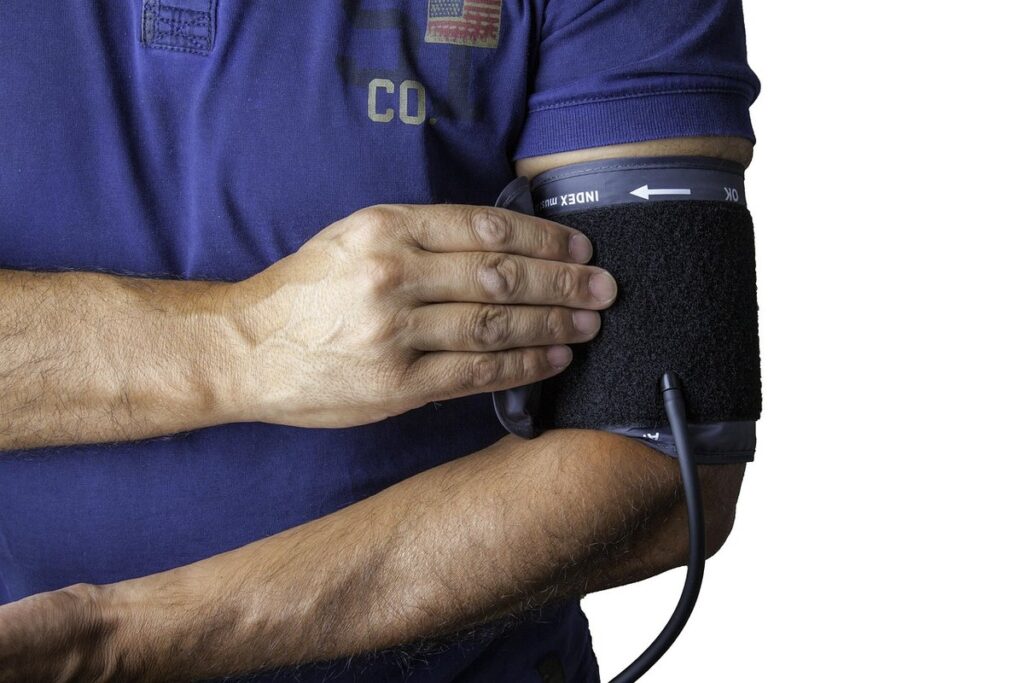
Understanding Blood Pressure and Aging
As we age, our blood pressure naturally tends to rise due to changes in vascular health and body composition. Let’s take a closer look at how these factors impact hypertension management for older adults.
The Impact of Age on Blood Pressure
As people age, their blood pressure typically increases due to a combination of factors. One reason is the loss of muscle mass and flexibility, which can lead to stiffer arteries that constrict blood flow. This increase in resistance causes blood pressure to rise. Additionally, many older adults experience an expansion of their vascular system, allowing more space for blood to flow through but also reducing the efficiency of this process.
Another contributing factor is the natural decrease in physical activity that often accompanies aging. Regular exercise helps keep blood vessels flexible and improves circulation, both of which are essential for maintaining healthy blood pressure levels. Without sufficient physical activity, these benefits are lost, allowing blood pressure to increase over time.
Complications can arise from chronically elevated blood pressure, including heart disease, stroke, and kidney damage. It’s essential for seniors to be aware of the risks associated with high blood pressure and take steps to manage it through lifestyle changes and adherence to medication regimens. By understanding how age affects their blood pressure, older adults can better navigate treatment options and make informed decisions about their health.
Normal vs. High Blood Pressure in Seniors
Normal blood pressure for seniors is typically defined as a systolic pressure below 130 mmHg and a diastolic pressure below 80 mmHg. However, the American Heart Association recommends a more specific goal for older adults: a systolic pressure of less than 120 mmHg and a diastolic pressure of less than 75 mmHg.
High blood pressure in seniors is often asymptomatic, but can cause subtle symptoms such as dizziness, lightheadedness, or shortness of breath. Some people may experience headaches or nosebleeds due to the strain on blood vessels. If you’re experiencing any of these symptoms or have concerns about your blood pressure, it’s essential to consult with a doctor.
To determine if you have high blood pressure, your healthcare provider will take multiple readings at different times and under various conditions. They may also check for other risk factors such as kidney disease, sleep apnea, or thyroid issues that can impact blood pressure. By monitoring your blood pressure regularly and working closely with your healthcare team, you can better manage hypertension and reduce the risk of related complications like heart disease, stroke, or kidney damage.
Lifestyle Changes to Lower Blood Pressure
To start making a positive impact on your blood pressure, focus on incorporating simple yet effective lifestyle changes that can help lower it naturally. This includes adopting healthier eating habits and increasing physical activity levels.
Dietary Modifications for Hypertension Management
Foods rich in potassium can help lower blood pressure by counteracting the effects of sodium and promoting healthy heart function. Include potassium-rich foods like leafy greens (spinach, kale), sweet potatoes, and bananas in your diet. Omega-3 fatty acids found in fatty fish (salmon, sardines) have also been shown to reduce blood pressure and inflammation.
A high-fiber diet is essential for maintaining healthy blood vessels and promoting regular bowel movements. Aim for 25 grams of fiber per day from sources like whole grains (brown rice, quinoa), legumes (lentils, chickpeas), and cruciferous vegetables (broccoli, cauliflower).
Hydration also plays a crucial role in blood pressure management. Encourage seniors to drink at least eight glasses of water per day, and avoid sugary or caffeinated beverages that can exacerbate dehydration.
Limiting sodium intake is critical for managing hypertension. The American Heart Association recommends consuming no more than 2,300 milligrams of sodium per day. To put this in perspective, a single serving of soy sauce contains over 250 milligrams of sodium.
Regular Exercise: The Key to Better Blood Flow
Regular exercise is essential for seniors to maintain good blood flow and lower their blood pressure. Aerobic exercises like brisk walking, swimming, and cycling are excellent options, as they promote cardiovascular health and burn calories without putting excessive strain on joints. Strength training, such as weightlifting or bodyweight exercises, helps build muscle mass, which in turn improves insulin sensitivity and reduces blood pressure.
Flexibility exercises like yoga or Pilates not only enhance flexibility but also improve balance and reduce the risk of falls. When choosing an exercise routine, consider activities that bring you joy and can be done regularly. For instance, walking your dog or joining a local dance class can make exercise feel more enjoyable and increase motivation to stick with it.
To maintain consistent progress, aim for at least 150 minutes of moderate-intensity aerobic exercise per week. Break this down into shorter sessions, such as 30 minutes per day, five days a week. Consider consulting with a healthcare professional or fitness expert to create a personalized exercise plan that suits your needs and abilities. By incorporating regular physical activity into your daily routine, you can improve blood flow, reduce blood pressure, and enjoy overall better health.
Monitoring and Managing Medications
As you work to manage your hypertension, it’s essential to understand how to properly monitor and adjust your medication regimen to achieve optimal blood pressure control. We’ll walk you through this crucial process in more detail next.
Adherence to Antihypertensive Medication Regimens
When it comes to managing hypertension through medication, sticking to a prescribed regimen is crucial. However, many seniors struggle with remembering when and how much medication to take. To address this issue, consider using reminders such as alarm clocks or mobile phone apps that send notifications.
Another effective tool for adherence is the pill box. These containers often have separate compartments for each day of the week, making it easy to see what needs to be taken and when. Some pill boxes also have features like lockable lids or timers to help ensure medication isn’t forgotten.
For a more high-tech approach, consider using medication tracking apps that allow you to input your schedule and receive reminders. These apps can also provide additional benefits such as dosage tracking and refill notifications. Examples of popular medication management apps include Medisafe and MyMedSchedule.
In addition to these tools, it’s essential to communicate openly with your healthcare provider about any challenges you’re facing with adherence. They may be able to offer alternative dosing schedules or suggestions for simplifying your regimen. By taking a proactive approach to managing your hypertension through medication, you can better control your blood pressure and reduce the risk of complications.
Potential Interactions with Other Prescriptions or Supplements
When taking blood pressure medications, it’s essential to be aware of potential interactions with other commonly used prescription drugs or supplements. Nonsteroidal anti-inflammatory drugs (NSAIDs), such as ibuprofen and naproxen, can increase blood pressure levels when taken with certain antihypertensive medications.
Additionally, many over-the-counter decongestants like pseudoephedrine can also raise blood pressure. This is especially concerning for seniors who may be taking multiple medications or supplements without realizing the potential risks. For example, combining pseudoephedrine with beta blockers or calcium channel blockers can lead to increased heart rate and blood pressure.
Some herbal supplements, such as ginseng and garlic, have also been shown to interact with antihypertensive medications. While these supplements may be perceived as natural and harmless, they can still cause significant changes in blood pressure when taken alongside prescription medications. To minimize risks, it’s crucial for seniors to discuss all their medications and supplements with their healthcare provider, including any over-the-counter or herbal products. This will help identify potential interactions and allow for safe management of hypertension.
Staying Mentally Active and Managing Stress
Regular mental exercise is just as crucial for heart health as physical activity, helping to reduce stress and lower blood pressure naturally. Engage in mentally stimulating activities daily to reap the benefits.
The Connection Between Mental Health and Blood Pressure
When you experience stress, anxiety, or depression, it can have a profound impact on your blood pressure. Studies show that people with mental health conditions are more likely to develop high blood pressure and have difficulty managing their hypertension. One reason is that chronic stress triggers the release of hormones like adrenaline, which increases heart rate and blood pressure.
To make matters worse, many seniors with mental health issues may not be receiving proper treatment or support. This can exacerbate the condition, leading to more frequent and severe blood pressure spikes. So, what can you do? First, talk to your healthcare provider about any anxiety or depression symptoms. They can help you develop a plan to manage these conditions through therapy, medication, or lifestyle changes.
In addition to seeking professional help, there are some simple steps you can take to reduce stress and lower blood pressure. Practice relaxation techniques like deep breathing, meditation, or yoga. Engage in activities that bring you joy, such as reading, painting, or spending time with loved ones. By addressing mental health issues and reducing stress levels, you can better manage your blood pressure and improve overall well-being.
Engaging in Hobbies and Social Activities
Engaging in hobbies and social activities is crucial for seniors to manage stress and maintain overall well-being. Research shows that mentally active individuals tend to have lower blood pressure levels compared to those who lead sedentary lives. This is because engaging in stimulating activities helps reduce cortisol levels, a hormone associated with stress, which can further elevate blood pressure.
Consider joining a senior group or club that aligns with your interests, such as a book club, gardening group, or sports team. These social connections can provide a sense of belonging and purpose, which are essential for mental health. You can also volunteer in your community, take art classes, or learn a new language to keep your mind engaged.
Incorporating physical activity into your hobbies is even more beneficial for blood pressure management. For example, join a dance class, swim with friends, or play tennis with fellow seniors. These activities not only help you stay physically active but also provide opportunities for socialization and mental stimulation. Aim to engage in at least one mentally stimulating activity per week, such as reading, puzzles, or learning a new skill, to maintain a healthy balance between physical and mental well-being.
Home Safety Modifications
Creating a safe and accessible home environment is crucial for seniors managing hypertension, so let’s discuss some essential modifications to make your space more comfortable and secure.
Removing Fall Hazards at Home
Removing fall hazards at home is crucial for seniors with hypertension. One-third of adults aged 65 and older experience a fall each year, and these incidents can be particularly concerning for individuals managing blood pressure. To create a safer living environment, start by clearing clutter from walkways and hallways. Ensure that cords, wires, and rugs are securely fastened to the floor or removed altogether.
Improve lighting in areas prone to tripping, such as stairways, bathrooms, and kitchens. Install nightlights or brighter overhead lights to illuminate dark spaces. Consider using LED bulbs, which produce less heat and provide excellent visibility. In bathrooms, apply non-slip mats or stickers to the bottom of shower or tub steps.
Assess your home’s entryways and ensure that they are free from tripping hazards. Remove any obstacles, such as shoes, bags, or newspapers, from hallways and living areas. Keep frequently used items in easy-to-reach locations to avoid overreaching for them while standing on a chair or ladder. Regularly inspect your home for potential fall hazards and make adjustments as needed.
Installing Assistive Devices for Daily Activities
Installing assistive devices can greatly improve daily functioning and reduce blood pressure by alleviating physical strain. For seniors with hypertension, everyday tasks like reaching high shelves or opening jars may become increasingly challenging due to limited mobility or hand strength.
Consider using grab bars near the sink or toilet for added support when standing up or sitting down. These sturdy bars provide a secure grip, reducing the risk of falls and helping you maintain balance. Place them at an angle to make it easier to pivot while washing dishes or getting out of bed.
Other devices that can be helpful include jar openers, which attach to the lid and allow for easy turning, and reach extenders with magnetic ends that can pick up items from high shelves without straining your back. Adjustable height tables or carts can also help carry groceries or other items, freeing up hands for more essential tasks.
When shopping for assistive devices, look for durable materials and adjustable features to accommodate changing needs. Some devices may require assembly or installation; if you’re unsure about this process, consider consulting a professional or enlisting the help of a family member.
Frequently Asked Questions
Can I Still Lower My Blood Pressure If I’ve Already Developed Complications Like Kidney Disease?
Yes, it’s still possible to lower your blood pressure even with complications like kidney disease. While the process may be more complex and require closer monitoring by your doctor, making lifestyle changes such as following a healthy diet, exercising regularly, and managing stress can help improve overall health and slow disease progression.
What if I Have a Family History of High Blood Pressure but Don’t Show Any Symptoms Myself? Should I Still Be Worried?
Yes. Even without symptoms, having a family history of high blood pressure increases your risk. Regular check-ups with your doctor to monitor your blood pressure are crucial in identifying potential issues early on and making lifestyle adjustments accordingly.
How Do I Know If I’m Taking the Right Amount of Medication for My Blood Pressure? Should I Consult a Doctor or Pharmacist?
It’s always best to consult both your doctor and pharmacist when adjusting medication dosages. They can review your current regimen, medical history, and other medications you’re taking to ensure the right balance.
Can I Use Home Monitoring Devices to Track My Blood Pressure Instead of Regular Doctor Visits?
Yes, home monitoring devices can be a useful tool for tracking blood pressure levels between doctor visits. However, it’s essential to regularly compare your readings with those taken at the doctor’s office and discuss any discrepancies or concerns with your healthcare provider.
What if I’ve Been Adhering to My Medication Regimen but Still Notice No Improvement in Blood Pressure Levels? Should I Consider Lifestyle Changes Alone?
Yes, consider consulting your doctor about alternative treatments or adjustments to your current regimen. If you’re looking to make lifestyle changes alone, continue making these modifications while working closely with your healthcare provider to monitor progress and make informed decisions about medication adjustments.