
For many people, the diagnosis of Alzheimer’s disease is met with anxiety and uncertainty. The traditional methods of diagnosis can be invasive and costly, leading to delayed treatment and a poorer prognosis. However, researchers have made significant breakthroughs in recent years, developing blood tests that offer a non-invasive alternative for early detection. These blood tests can identify biomarkers associated with Alzheimer’s disease, providing an accurate diagnosis without the need for expensive imaging scans or tissue samples. By using these blood tests, healthcare professionals can detect Alzheimer’s at its earliest stages, allowing for timely intervention and improved patient outcomes. In this article, you’ll learn about the latest advancements in blood test Alzheimers technology and how it’s revolutionizing the way we diagnose and treat this complex disease.
What is a Blood Test for Alzheimer’s?
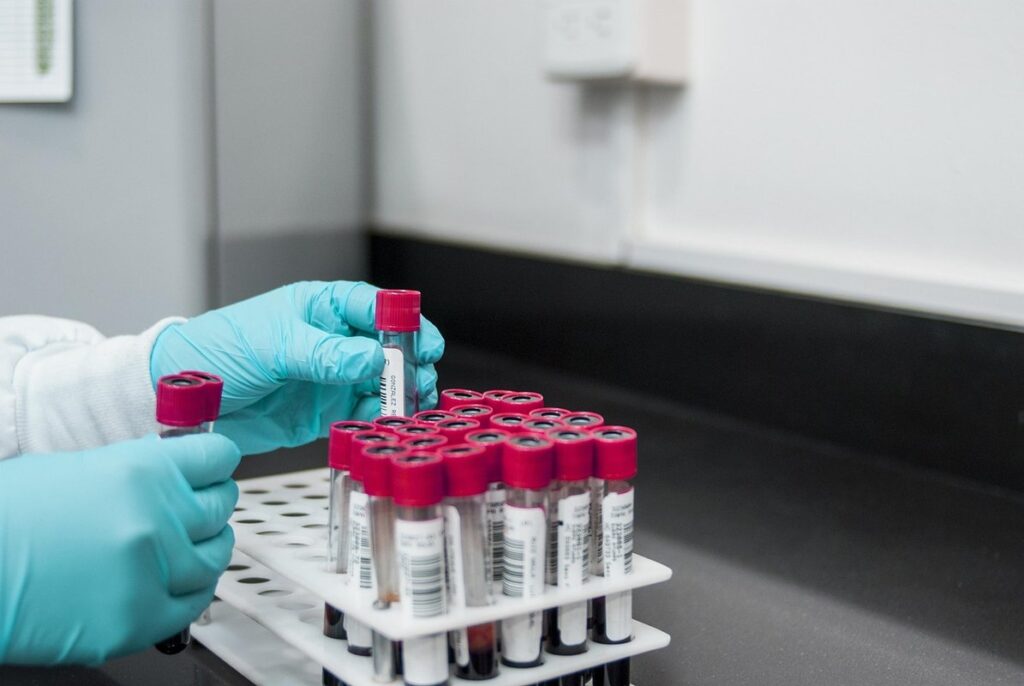
Understanding what a blood test for Alzheimer’s entails is crucial before diving into its latest developments and advances. A blood test is often viewed as a non-invasive method to detect biomarkers associated with the disease.
The Concept of Biomarkers in Alzheimer’s Diagnosis
Biomarkers play a crucial role in diagnosing Alzheimer’s disease by providing a measurable indicator of the underlying biological processes. These markers can be used to identify individuals at risk of developing the condition, track disease progression, and monitor the effectiveness of treatments. In current diagnostic methods, biomarkers such as amyloid beta and tau proteins are commonly measured using various techniques like positron emission tomography (PET) scans and cerebrospinal fluid analysis.
The importance of biomarkers in Alzheimer’s diagnosis lies in their ability to detect changes in the brain before symptoms appear. For instance, elevated levels of amyloid beta have been linked to an increased risk of developing Alzheimer’s. By identifying these biomarkers, healthcare professionals can make more accurate diagnoses and develop personalized treatment plans.
Researchers are now exploring the use of blood tests to measure biomarkers, which could potentially simplify the diagnostic process and reduce costs. A key challenge is standardizing the measurement of biomarkers across different laboratories and studies, ensuring that results are reliable and comparable.
Current Challenges with Traditional Diagnostic Methods
Traditional diagnostic methods for Alzheimer’s disease often rely on invasive procedures like lumbar punctures to collect cerebrospinal fluid, which can be painful and carry risks. These tests also typically require long waiting times, sometimes taking weeks or even months to receive results. Moreover, they may not accurately distinguish between Alzheimer’s and other dementia types. The current reliance on imaging techniques such as MRI and CT scans, which detect brain atrophy and amyloid plaques, has its own limitations. These methods can be expensive and may not be readily available in all regions.
In addition to these challenges, traditional diagnostic methods often involve a series of steps that can make the process confusing for patients. A patient might need to visit multiple specialists before receiving a diagnosis, which can lead to frustration and anxiety. Furthermore, these methods typically rely on symptoms-based diagnoses, which may not accurately reflect the underlying biological changes occurring in the brain. As a result, many cases go undiagnosed or misdiagnosed until it’s too late for effective treatment.
How Blood Tests Work to Detect Alzheimer’s Biomarkers
Blood tests are becoming a promising tool for detecting Alzheimer’s biomarkers, and understanding how they work can help you grasp their significance in early diagnosis. Let’s take a closer look at what’s involved in these blood-based assessments.
Measuring Amyloid Beta and Tau Proteins
Measuring amyloid beta and tau proteins in blood tests is crucial for detecting Alzheimer’s disease biomarkers. These proteins are key players in the progression of the disease. Amyloid beta, a type of protein fragment, accumulates in the brain as plaques, while tau, another protein, forms tangles that damage brain cells.
To measure these proteins, researchers use various techniques. One method involves enzyme-linked immunosorbent assay (ELISA), which detects and quantifies amyloid beta peptides in blood samples. This technique relies on antibodies that bind specifically to the peptides, making it possible to detect even small amounts of amyloid beta. Another approach is mass spectrometry, a highly sensitive method that can identify and quantify both amyloid beta and tau proteins.
The accuracy of these measurements depends on several factors, including sample preparation, instrument calibration, and data analysis. Standardization protocols are being developed to ensure consistency across different laboratories and countries. While challenges remain in accurately measuring amyloid beta and tau proteins, researchers continue to refine their methods and improve the reliability of blood tests for detecting Alzheimer’s disease biomarkers.
Other Biomarkers and Their Significance
Researchers are actively exploring other potential biomarkers beyond amyloid beta and tau proteins to detect Alzheimer’s disease. One such marker is neurofilament light chain (NfL), a protein fragment that can be released into the bloodstream when brain cells are damaged. Elevated levels of NfL have been linked to various neurological conditions, including Alzheimer’s, making it a promising candidate for early detection.
Another marker gaining attention is phosphorylated tau (p-tau), which has been shown to accumulate in the brains of individuals with Alzheimer’s disease. Studies have found that p-tau levels can distinguish between healthy controls and patients with Alzheimer’s, offering potential as a diagnostic tool.
The significance of these biomarkers lies in their ability to provide additional insights into the underlying mechanisms of Alzheimer’s disease. By combining NfL and p-tau measurements with amyloid beta and tau protein assessments, researchers may gain a more comprehensive understanding of the disease’s progression. This knowledge can inform the development of targeted therapies and improve diagnostic accuracy.
It is essential for researchers to standardize measurement protocols and validate these new biomarkers in larger cohorts to establish their reliability as diagnostic tools.
The Benefits of Blood Tests for Alzheimer’s Diagnosis
Blood tests are revolutionizing the way doctors diagnose Alzheimer’s, offering a non-invasive and potentially more accurate alternative to traditional methods. Let’s explore how these benefits can improve patient care and treatment outcomes.
Non-Invasive and Cost-Effective
Unlike traditional methods of diagnosing Alzheimer’s, which often involve invasive procedures like lumbar punctures or expensive imaging tests, blood tests offer a non-invasive and cost-effective alternative. This is particularly significant for patients who may be anxious about undergoing medical procedures or have limited financial resources.
A blood test can collect a comprehensive picture of an individual’s biomarkers in just a few minutes, without the need for lengthy hospital stays or radiation exposure. In contrast, traditional imaging tests like MRI and CT scans can cost upwards of $1,000 to $2,000 per procedure, making them inaccessible to many patients.
Furthermore, blood tests are typically less expensive than other diagnostic methods, with costs ranging from $500 to $1,000 for a comprehensive panel of biomarkers. This lower cost not only makes diagnosis more accessible but also enables healthcare professionals to focus on early intervention and treatment planning, rather than incurring unnecessary expenses. By providing an affordable and non-invasive means of detecting Alzheimer’s biomarkers, blood tests offer a significant advancement in diagnostic technology.
Early Detection and Intervention
Early detection of Alzheimer’s through blood tests enables healthcare professionals to intervene earlier, potentially altering the course of the disease. When biomarkers indicative of Alzheimer’s are identified in a blood sample, doctors can initiate targeted treatments and lifestyle modifications to slow down cognitive decline.
Studies have shown that early intervention can lead to improved patient outcomes, with some patients experiencing stabilization or even reversal of symptoms. For instance, research has demonstrated that anti-amyloid therapies, when administered promptly after diagnosis, can reduce the rate of cognitive deterioration.
The earlier Alzheimer’s is detected and treated, the more effective these interventions tend to be. As blood tests become a viable diagnostic tool, healthcare providers will have the opportunity to identify patients at risk and provide them with personalized care plans. This proactive approach not only improves patient outcomes but also reduces the economic burden associated with late-stage dementia.
A key aspect of early detection through blood tests is the ability to monitor patients over time. By tracking biomarker levels and adjusting treatment protocols accordingly, doctors can optimize patient care and potentially delay disease progression.
Recent Studies and Advances in Blood Test Development
Researchers have made significant breakthroughs in developing blood tests for Alzheimer’s, and recent studies are shedding light on their accuracy and potential impact. We’ll take a closer look at what these findings mean for patients and families affected by the disease.
Ongoing Research and Clinical Trials
Researchers continue to investigate the potential of blood tests as a diagnostic tool for Alzheimer’s disease through ongoing studies and clinical trials. One notable trial is the “Blood Test for Alzheimer’s” study, led by scientists at the University of California, Los Angeles (UCLA). This three-year study aims to validate a blood-based biomarker panel for detecting early-stage Alzheimer’s in cognitively normal individuals.
In parallel, researchers at the Mayo Clinic are conducting a clinical trial to assess the performance of a novel blood test for diagnosing Alzheimer’s. This trial involves collecting and analyzing blood samples from over 1,000 participants with varying levels of cognitive impairment. Preliminary results suggest that the test can accurately identify patients in the early stages of the disease.
Another study published in the Journal of Alzheimer’s Disease explored the use of machine learning algorithms to improve the accuracy of blood-based biomarkers for Alzheimer’s diagnosis. The authors found that combining multiple biomarkers and using machine learning techniques significantly enhanced diagnostic performance, highlighting the potential of these approaches for future clinical applications.
Potential Future Directions and Applications
Point-of-care testing, where blood tests can be performed outside of a laboratory setting, is a promising direction for Alzheimer’s diagnosis. This approach would enable healthcare professionals to quickly and easily screen patients for biomarkers associated with the disease. For instance, portable devices could be used in doctor’s offices or even community clinics to obtain immediate results.
Another potential application is integrating blood tests with other diagnostic tools. By combining data from various sources, including medical history, cognitive assessments, and imaging studies, healthcare professionals can develop a more comprehensive understanding of a patient’s risk for Alzheimer’s. This multi-faceted approach could help identify individuals who may benefit from targeted interventions or preventive measures.
To achieve these goals, researchers will need to continue improving the accuracy, reliability, and accessibility of blood tests. Standardizing testing protocols and validating results across different laboratories will be crucial. Additionally, working with regulatory agencies to ensure that point-of-care devices meet necessary safety and efficacy standards will be essential for widespread adoption.
Challenges and Limitations in Blood Test Development
While advancements in blood tests for Alzheimer’s are promising, there are still significant challenges to overcome before they become a reliable diagnostic tool. These obstacles include difficulties in accurately identifying biomarkers and interpreting test results.
Standardization and Validation Issues
Standardization of laboratory protocols is a pressing concern when it comes to blood tests for Alzheimer’s. Different laboratories may use varying methods for measuring amyloid beta and tau proteins, leading to discrepancies in results interpretation. For instance, some labs might employ enzyme-linked immunosorbent assay (ELISA) while others use mass spectrometry. These differences can result in inconsistent readings, making it difficult to establish a clear diagnostic threshold.
Furthermore, the lack of standardization in blood test protocols hinders the validation process. Validation involves verifying that a particular test performs as expected across various populations and conditions. Without standardized protocols, researchers struggle to compare results from different studies, hindering progress in developing an effective blood test for Alzheimer’s. To address this issue, regulatory bodies like the FDA must establish guidelines for laboratory testing and result interpretation. This will enable more accurate diagnosis and treatment decisions for patients with Alzheimer’s disease.
Regulatory and Accessibility Concerns
Regulatory agencies such as the US FDA have established guidelines for validating blood tests as diagnostic tools. Developers must demonstrate that their tests accurately detect Alzheimer’s biomarkers and distinguish them from other conditions. One concern is standardization: different labs may use varying protocols to measure amyloid beta and tau proteins, leading to inconsistent results.
Regulatory bodies also require evidence of safety and efficacy before approving a new blood test. This includes data on the accuracy of the test in detecting Alzheimer’s, as well as its performance in diverse patient populations. For instance, studies have shown that some blood tests may not perform well in people with certain comorbidities or ethnic backgrounds.
In addition to regulatory hurdles, accessibility concerns are also a challenge. Many patients living with Alzheimer’s lack access to healthcare services, which can limit their ability to receive a blood test diagnosis. Furthermore, the cost of developing and implementing blood tests may be prohibitively expensive for some healthcare systems. As a result, developers must consider not only the technical aspects of their tests but also the social and economic context in which they will be used.
Implications for Healthcare Professionals and Patients
As we’ve explored the potential of blood tests for Alzheimer’s diagnosis, it’s essential to consider what this means for those on the frontlines of care: healthcare professionals and patients alike. What changes can be expected in their lives?
Practical Applications and Considerations
To integrate blood tests into clinical practice, healthcare professionals should consider the results within the context of a patient’s overall health profile. A positive test result does not necessarily confirm a diagnosis of Alzheimer’s disease, but rather indicates an elevated level of biomarkers associated with the condition.
When interpreting blood test results, it’s essential to take into account other diagnostic methods and medical history. For example, a patient with a family history of Alzheimer’s and cognitive decline may require additional evaluation beyond a single biomarker reading.
In clinical practice, healthcare professionals should also be aware of the limitations and potential false positives or negatives associated with blood tests. A thorough review of each patient’s case is necessary to determine the most appropriate course of action.
Healthcare providers can also benefit from consulting guidelines for Alzheimer’s diagnosis, such as those provided by the National Institute on Aging (NIA) or the Alzheimer’s Association. These resources offer evidence-based recommendations for integrating biomarkers into clinical practice and improving patient outcomes.
Patient Education and Support
Patient education and support are crucial components of effectively utilizing blood tests for Alzheimer’s diagnosis. As these tests become more prevalent, patients must understand what they entail and how to interpret their results. Healthcare professionals should provide clear explanations of the benefits and limitations of blood tests, including the potential false positives or negatives that can occur.
This requires a collaborative approach between healthcare providers, patients, and caregivers. Patients need to be aware of their individual risk factors and the implications of testing positive for Alzheimer’s biomarkers. They also require guidance on navigating the next steps in diagnosis and treatment, which may involve further testing, cognitive assessments, or referrals to specialists.
To ensure effective communication, healthcare professionals can use visual aids, such as diagrams or infographics, to help patients understand complex concepts. They should also establish open channels for discussing concerns, questions, and fears related to blood test results. By fostering a supportive environment, patients will be better equipped to cope with the emotional and practical challenges associated with receiving an Alzheimer’s diagnosis. This approach can lead to more informed decision-making and improved outcomes.
Frequently Asked Questions
Can I use blood tests for Alzheimer’s diagnosis in my general practice?
Yes, as long as you follow standard protocols and consult with specialists when necessary. Blood test results should be interpreted in conjunction with clinical evaluation and other diagnostic tools to ensure accurate diagnosis.
How do I explain the concept of biomarkers to a patient who is concerned about Alzheimer’s?
Explain that biomarkers are like fingerprints for diseases, allowing doctors to identify specific changes in the body associated with Alzheimer’s. You can compare it to a medical “risk score” that helps guide further testing and treatment decisions.
What if my lab results show abnormal levels of amyloid beta or tau proteins, but I’m not sure what to do next?
Consult with a specialist or neurologist who has experience interpreting biomarker results for Alzheimer’s diagnosis. They can help you determine the best course of action based on your patient’s specific situation and medical history.
Will blood tests replace traditional diagnostic methods like MRIs and cognitive assessments completely?
No, blood tests will likely complement existing diagnostic tools rather than replacing them entirely. Biomarkers can provide valuable information about disease progression and response to treatment, but they should be used in conjunction with other diagnostic methods for a comprehensive evaluation.
Can I use blood test results from one lab to compare with future tests from another lab?
Yes, as long as the labs follow standard protocols and use consistent testing procedures. However, it’s essential to note that slight variations in laboratory protocols may affect results, so ongoing monitoring and consultation with specialists are recommended to ensure accurate interpretation of biomarker levels.