
As we age, our bodies undergo natural changes that can affect our mobility and overall health. Regular physical activity is essential to maintaining cardiovascular health, reducing chronic disease risk, and improving quality of life in older age. But many seniors struggle to stay active due to health concerns or lack of knowledge about safe exercise practices tailored to their needs.
In this article, we’ll explore the benefits of senior fitness and provide guidance on how to get started with a safe and effective exercise routine. We’ll also discuss the latest technology resources available to support seniors in staying physically active, from wearable fitness trackers to online workout platforms designed specifically for older adults. Whether you’re looking to improve your cardiovascular health or simply maintain your independence as you age, this article will provide you with the knowledge and motivation you need to get moving and stay healthy.
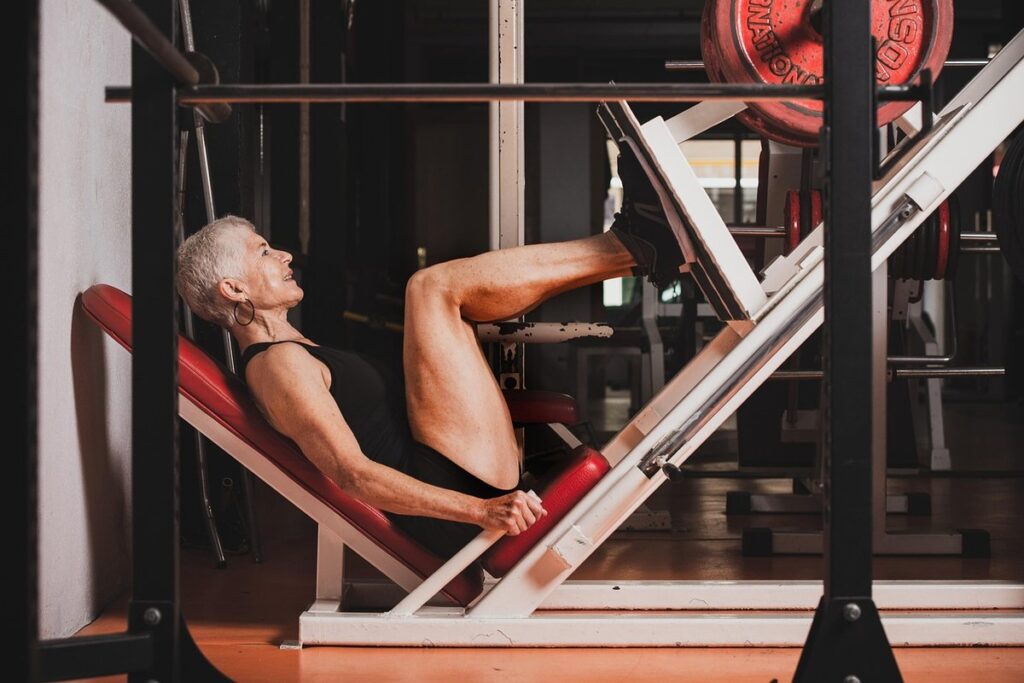
The Importance of Exercise for Seniors
Regular exercise is a crucial aspect of maintaining physical and mental health as we age, and can significantly improve overall well-being. This section will explore its numerous benefits in detail.
Benefits of Regular Physical Activity
Engaging in regular physical activity is one of the most effective ways seniors can maintain their overall health and well-being. As we age, our risk for chronic diseases such as heart disease, diabetes, and osteoporosis increases. However, research has consistently shown that exercise can significantly reduce this risk.
Regular physical activity improves cardiovascular health by strengthening the heart and increasing blood flow throughout the body. This reduces the risk of heart attacks, strokes, and high blood pressure. Exercise also helps to maintain flexibility and mobility, allowing seniors to perform daily activities with greater ease. For example, a study found that older adults who engaged in regular exercise were able to walk faster and farther than those who did not.
In addition to these benefits, exercise has been shown to reduce the risk of chronic diseases by up to 30%. This is because physical activity helps to regulate blood sugar levels, improve insulin sensitivity, and maintain strong bones. As a result, seniors can enjoy increased independence, mobility, and quality of life as they age.
Addressing Common Concerns about Aging and Exercise
Many seniors hesitate to start exercising due to concerns about injury or feeling too old to begin a new routine. However, research has shown that regular physical activity can actually help prevent injuries and improve overall health as we age.
One common myth is that exercise will put excessive strain on joints, particularly those affected by arthritis. While it’s true that high-impact activities may not be suitable for everyone, there are many low-impact options available, such as swimming, cycling, or yoga. These exercises can help improve flexibility and balance without putting unnecessary stress on joints.
Another concern is that seniors will feel self-conscious or out of place in a gym environment. But gyms often offer classes specifically designed for older adults, which can be a great way to meet new people and stay motivated. Additionally, many community centers and retirement communities now offer fitness programs tailored to senior needs.
Setting Realistic Fitness Goals
When setting fitness goals as a senior, it’s essential to be realistic and kind to yourself. This may mean taking things one step at a time and starting small. For instance, if you’re new to regular exercise, aim to begin with just 10-15 minutes of moderate physical activity per day, three times a week. As your body adapts, you can gradually increase the duration and frequency of your workouts.
To make fitness more enjoyable, try incorporating activities that bring you joy into your routine. This might be taking a walk in nature, practicing yoga, or dancing to your favorite music. Experiment with different types of exercise until you find something that feels like a treat rather than a chore. Consider enlisting the help of a friend or family member to join you in physical activity, as this can provide accountability and make the experience more enjoyable.
The key is to focus on progress, not perfection. Celebrate small victories along the way, such as being able to walk further without getting tired or enjoying a new hobby. By setting achievable goals and finding activities that bring joy, you’ll be more likely to stick with your fitness routine and see lasting results.
Types of Exercises Suitable for Seniors
As we age, it’s essential to choose exercises that are gentle on our joints and cater to any physical limitations. Let’s explore the best types of exercises suitable for seniors.
Low-Impact Aerobics and Cardiovascular Exercise
As we age, our bodies undergo natural changes that can make high-impact activities more challenging. That’s why it’s essential to incorporate low-impact aerobics and cardiovascular exercises into your senior fitness routine. These types of exercises are perfect for seniors because they’re gentle on the joints while still providing an excellent cardiovascular workout.
Low-impact aerobics, such as walking, swimming, or cycling, can be done at a leisurely pace or even with a chair support to minimize strain. For example, walking is an excellent way to improve cardiovascular health and boost mood without putting excessive pressure on the joints. Swimming, in particular, is a low-impact exercise that’s easy on the muscles while providing an excellent workout for the heart.
When starting a new low-impact aerobics routine, consider beginning with short sessions (20-30 minutes) and gradually increasing duration as your body adapts. Additionally, choose exercises you enjoy to make it more engaging and prevent boredom. For instance, if you love walking, try incorporating different routes or trails to mix up the scenery.
When cycling or using a stationary bike, be sure to start with shorter intervals (2-3 minutes) of moderate intensity followed by short breaks to avoid fatigue. It’s also crucial to listen to your body and rest when needed – don’t push yourself beyond what feels comfortable.
Strength Training and Resistance Band Exercises
Strength training is an essential component of senior fitness, helping to build muscle mass and maintain bone density. However, many seniors may be intimidated by weightlifting or gym equipment. Fortunately, resistance bands offer a convenient and effective alternative.
Resistance bands are lightweight, portable, and inexpensive, making them perfect for home use. They come in various levels of resistance, allowing you to adjust the difficulty level as needed. To get started with resistance band exercises, stand on the middle of the band with your feet shoulder-width apart. Hold the ends of the band in each hand at shoulder height.
Key exercises include banded squats, lunges, and chest presses. For a safe and effective workout, start with 2-3 sets of 10-15 repetitions and progress gradually. When performing banded leg press, for example, stand on the band and press your legs apart, keeping your back straight and core engaged.
Some popular resistance band exercises include:
* Banded shoulder rotations: Hold the ends of the band at shoulder height and rotate your shoulders in a circular motion.
* Banded leg curls: Stand on the middle of the band with one foot behind the other and lift the rear leg, keeping your knee bent.
* Banded chest presses: Stand on the middle of the band and press the bands apart with both hands.
Remember to consult with a healthcare professional or fitness expert before starting any new exercise program.
Balance and Flexibility Exercises
As we age, our balance and flexibility tend to decline, increasing the risk of falls and mobility issues. However, incorporating balance and flexibility exercises into your daily routine can significantly improve your overall health and well-being.
To maintain balance, try standing on one foot with your eyes closed for 10-15 seconds. You can also practice heel-to-toe walking or single-leg squats to challenge your balance further. Tai chi is another excellent option, as it combines slow movements with deep breathing techniques to improve balance and reduce fall risk.
For flexibility exercises, focus on gentle stretching movements that don’t cause discomfort or pain. Try touching your toes, bending forward to touch your knees, or seated leg stretches. Hold each stretch for 20-30 seconds and breathe deeply, feeling the tension release from your muscles.
Remember to practice these exercises regularly, ideally 2-3 times a week, to see noticeable improvements in balance and flexibility. It’s also essential to consult with a healthcare professional before starting any new exercise routine, especially if you have pre-existing health conditions or concerns.
Safe Exercise Practices for Seniors
As you begin or continue exercising as a senior, it’s essential to prioritize your safety and well-being by following certain guidelines. Let’s explore some safe exercise practices to get you started.
Pre-Exercise Medical Check-Ups
Before starting any new exercise routine, it’s essential to prioritize your health and safety. As we age, our bodies undergo natural changes that can increase the risk of injury or exacerbate pre-existing conditions. This is why consulting a doctor before beginning any physical activity is crucial, especially if you have underlying health issues.
If you’re planning to start a new exercise routine, schedule a medical check-up with your primary care physician or a geriatric specialist at least 2-3 weeks prior to commencing your workout program. During this appointment, discuss your fitness goals and any health concerns you may have. Your doctor can help determine the best course of action and provide guidance on safe exercises tailored to your abilities.
Some conditions that require special consideration include high blood pressure, heart disease, diabetes, osteoporosis, or previous injuries. Be honest about your medical history, as your doctor will use this information to recommend suitable exercises and intensity levels for you. This preventive measure can help prevent unnecessary risks and ensure a safe, enjoyable exercise experience.
Avoiding Injury through Proper Warm-Up and Cool-Down
As we age, our bodies undergo natural changes that can affect our flexibility, balance, and overall physical function. Engaging in regular exercise is essential for seniors to maintain mobility, strength, and independence. However, it’s equally important to avoid injuries that can set us back significantly.
Proper warm-up and cool-down routines play a crucial role in preventing injuries and promoting recovery during exercise. A warm-up prepares your muscles for physical activity by increasing blood flow, temperature, and flexibility. This can be as simple as 5-10 minutes of light cardio, such as walking or marching in place, followed by dynamic stretching like arm circles and leg swings.
On the other hand, a cool-down helps gradually bring your heart rate and breathing back to normal, reducing muscle soreness and promoting relaxation. After exercise, take 5-10 minutes to stretch major muscle groups, focusing on static stretches that hold the muscle length for 15-30 seconds. Remember to breathe deeply and slowly while stretching to enhance flexibility and reduce muscle tension. By incorporating these simple routines into your exercise routine, you can enjoy a safe and effective workout experience.
Choosing Safe Exercise Environments
When it comes to exercising as a senior, choosing a safe environment is crucial. You want to minimize the risk of falls or accidents while still getting the physical activity you need. Gyms can be a great option, but not all gyms are created equal when it comes to accessibility and safety for seniors.
Consider looking for gyms that offer specialized equipment and services catering specifically to older adults. Many gyms now have age-friendly features such as handrails on machines, non-slip flooring, and even group classes designed for seniors. You can also ask about availability of personal trainers who are experienced in working with older adults.
Alternatively, local parks or walking trails can be wonderful alternatives to gyms. Not only do they offer a change of scenery, but they’re also often free and open to the public. Just make sure to take necessary precautions such as wearing comfortable shoes, bringing water, and letting someone know your route and estimated return time.
Ultimately, the key is to find an environment where you feel supported and safe while still pushing yourself physically.
Technology and Fitness Resources for Seniors
Whether you’re a seasoned athlete or just starting out, there are many technology tools and resources that can help make staying active and healthy easier as we age. We’ve rounded up some of our favorites below.
Virtual Fitness Classes and Online Communities
As we’ve discussed the benefits of technology in senior fitness, let’s dive into a more specific and exciting area: virtual fitness classes and online communities. These innovative tools can revolutionize the way seniors stay active and engaged in exercise routines.
Imagine being able to participate in yoga or Pilates classes from the comfort of your own home, without having to leave your chair. Or, picture yourself joining an online community where you can connect with fellow seniors who share similar fitness goals and interests. This is exactly what virtual fitness classes and online communities offer – a unique blend of social interaction and structured exercise.
Many platforms cater specifically to seniors, providing modified routines that accommodate physical limitations or health conditions. For instance, SilverSneakers offers virtual fitness classes designed for older adults with chronic diseases like diabetes or heart disease. By leveraging these resources, you can stay motivated, connected, and physically active from the comfort of your own space. Plus, many platforms offer mobile apps, making it easy to access workouts on-the-go. With virtual fitness classes and online communities, the possibilities are endless – and so is your potential for staying healthy and engaged in older age.
Mobile Apps for Tracking Progress and Staying Motivated
As we age, staying motivated to exercise can become increasingly challenging. Mobile apps have revolutionized senior fitness by providing a convenient and accessible way to track progress and stay on top of workouts. Apps like JEFIT and Senior Fitness offer personalized workout plans tailored specifically for seniors, taking into account physical limitations and health concerns.
Progress tracking is another key feature that keeps seniors engaged and motivated. Many mobile apps allow users to log their exercises, weight lifted, and set reminders for upcoming workouts. This accountability aspect helps build a sense of responsibility and encourages consistent effort. For instance, the Fitbit Coach app provides personalized video workouts with gentle modifications for seniors, making exercise feel less daunting.
Some popular mobile apps also offer rewards systems, such as badges or leaderboards, to foster friendly competition among users. This social element can be particularly motivating for seniors who prefer exercising in a group setting but may not have access to one locally. By leveraging the benefits of mobile technology, seniors can now enjoy the convenience and camaraderie that exercise classes often provide from the comfort of their own homes.
Resources for Accessible Fitness Equipment and Programs
As seniors age, it’s essential to have access to fitness equipment and programs that cater to their unique needs. Fortunately, there are numerous resources available that can help make staying active and healthy more manageable. The National Institute on Aging (NIA) recommends using resistance bands and light weights as a great starting point for seniors who struggle with heavy equipment.
For those with mobility issues, adaptive fitness equipment such as recumbent bikes and seated elliptical machines can be an excellent option. Many gyms and community centers now offer specialized programs designed specifically for seniors, including chair yoga and water-based exercises. Online platforms like AARP’s Fitness Program also provide a range of accessible workouts that can be completed from home.
When searching for resources, consider factors such as equipment size, weight capacity, and ease of use. It’s also essential to consult with healthcare professionals before starting any new exercise program. By taking advantage of these resources, seniors can maintain their independence, improve their overall health, and stay active well into older age.
Frequently Asked Questions
What if I have a medical condition or injury that prevents me from exercising? Can I still participate in senior fitness programs?
If you have a pre-existing medical condition or injury, it’s essential to consult with your doctor before starting any exercise program. Many senior fitness programs offer modifications and alternatives for individuals with mobility issues or chronic health conditions. Look for programs that cater specifically to seniors with similar concerns, and consider working with a personal trainer who can create a customized workout plan.
How often should I aim to exercise as a senior, and what’s the ideal balance between aerobic and strength training?
Aim to exercise at least 3-4 times per week, with at least one day of rest in between. As for balance, prioritize exercises that improve flexibility and mobility (such as yoga or tai chi) 1-2 times per week, and incorporate strength training (using free weights or resistance bands) 1-2 times per week to maintain muscle mass and bone density.
Are wearable fitness trackers suitable for seniors with limited dexterity or vision impairments?
Yes. Many modern wearable fitness trackers offer features such as voice commands, text-to-speech functionality, and large display screens that cater to individuals with sensory impairments. Additionally, some devices come with specialized straps or attachments designed specifically for seniors with limited dexterity.
What if I don’t have access to a gym or fitness studio? Can I still follow a senior fitness routine at home?
Absolutely! You can create a safe and effective workout space in the comfort of your own home using resistance bands, free weights, or bodyweight exercises. Online resources, such as YouTube videos and mobile apps, also offer a wealth of senior-friendly exercise routines you can follow along with at home.
How do I measure my progress and stay motivated on my senior fitness journey?
Use wearable fitness trackers or mobile apps to track your progress, set achievable goals, and monitor your improvements over time. Celebrate small victories, such as increased energy levels or improved balance, to maintain motivation and make exercise a sustainable part of your lifestyle.