
As we age, staying physically active becomes more crucial than ever. Not only does regular exercise help maintain mobility and independence, but it also plays a significant role in reducing the risk of chronic diseases such as heart disease, diabetes, and osteoporosis. Unfortunately, many seniors struggle to find suitable workout routines that cater to their unique needs and limitations. That’s why we’ve put together this comprehensive guide on senior workouts, covering essential exercises for cardiovascular health, strength training, and vital safety precautions to ensure a safe and enjoyable experience.
This article is designed to empower you with the knowledge and confidence to create your own effective senior workout plan, tailored to your fitness level and goals. Whether you’re looking to regain energy, build strength, or improve flexibility, we’ll walk you through practical tips and expert advice on how to make exercise a sustainable part of your daily routine.
Benefits of Exercise for Seniors
Regular exercise can have a profoundly positive impact on your overall health and wellbeing, improving both physical and mental abilities as you age.
From increased energy to enhanced cognitive function, the benefits are numerous and exciting.
Reducing the Risk of Chronic Diseases
Regular exercise is one of the most effective ways to lower the risk of chronic diseases that affect seniors. Heart disease, diabetes, and certain types of cancer are just a few conditions that can be prevented or managed through physical activity.
When you exercise regularly, it improves cardiovascular health by strengthening your heart and lungs. This increases blood flow and oxygen delivery to the body’s tissues, reducing the strain on your heart. As a result, your risk of developing heart disease decreases significantly. For instance, a study published in the Journal of the American Heart Association found that walking at least 1 hour per day can lower the risk of heart attack by up to 32%.
Exercise also plays a critical role in preventing diabetes. Regular physical activity helps maintain healthy blood sugar levels and increases insulin sensitivity, reducing your risk of developing type 2 diabetes by as much as 50%.
Improving Mental Health and Cognitive Function
Regular exercise is not just beneficial for physical health, but also has a profound impact on mental well-being and cognitive function. As we age, it’s common to experience increased stress, anxiety, and depression due to various life changes, loss of loved ones, or chronic health conditions. However, research shows that regular physical activity can significantly reduce symptoms of these mental health issues.
Exercise boosts the production of neurotransmitters like serotonin, dopamine, and endorphins, which help regulate mood, appetite, and sleep patterns. Engaging in activities like yoga, walking, or swimming can calm the mind, reducing feelings of anxiety and stress. Moreover, exercise has been shown to improve cognitive function by increasing blood flow to the brain, promoting the growth of new neurons, and enhancing memory and concentration.
To reap these benefits, seniors should aim for at least 30 minutes of moderate-intensity physical activity per day. This can be achieved through brisk walking, cycling, or dancing. Additionally, incorporating mindfulness practices like meditation or deep breathing exercises into daily routines can further support mental well-being. By prioritizing exercise and self-care, seniors can maintain a healthy mind-body balance and enjoy a more fulfilling life in their golden years.
Types of Exercise Suitable for Seniors
As you look to incorporate exercise into your daily routine, it’s essential to consider the types that suit your age and fitness level. We’ll explore low-impact exercises ideal for seniors.
Aerobic Exercises for Cardiovascular Health
When it comes to improving cardiovascular health as we age, aerobic exercises are an excellent place to start. These types of exercises not only get our hearts pumping but also strengthen our lungs and improve circulation. The good news is that many aerobic activities can be modified to accommodate seniors with mobility issues.
Walking, for example, is a low-impact exercise that’s easy on the joints. You can walk around your neighborhood or local park at your own pace. Swimming is another excellent option, as it provides resistance without putting excessive strain on joints. Cycling, either on a stationary bike or outdoors, is also effective for cardiovascular health.
To modify these activities for seniors with mobility issues, consider the following tips: start slow and gradually increase your duration and intensity; use assistive devices such as walkers or canes to support yourself while walking; choose a swimming pool with a gentle current or a stationary bike with adjustable resistance. By incorporating aerobic exercises into your senior workout routine, you’ll be taking a significant step towards maintaining cardiovascular health in your golden years.
Strength Training for Muscle Preservation
As we age, our muscles naturally lose mass and density, making us more susceptible to falls and fractures. This is where strength training comes into play – it’s essential for maintaining muscle mass and bone density. By incorporating resistance exercises into your routine, you can slow down this process and stay active well into your golden years.
Resistance band exercises are an excellent option for seniors, as they’re lightweight, portable, and easy to use. For example, you can do leg curls and leg extensions using a resistance band anchored to a stable object. Bodyweight exercises like squats, lunges, and push-ups are also great for building strength without relying on equipment.
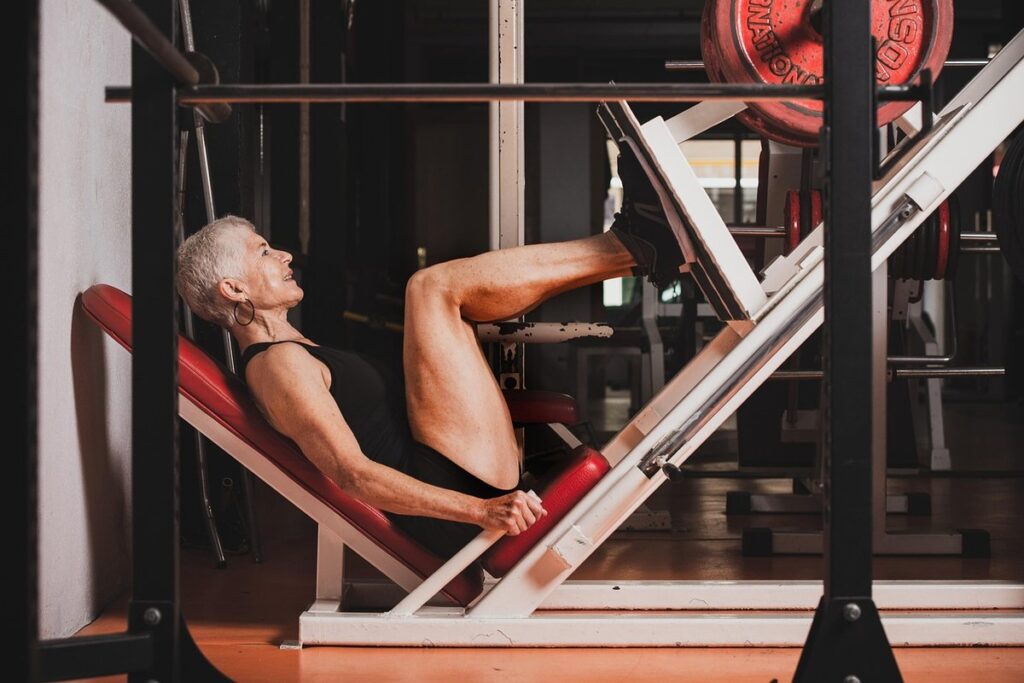
Weight machines at the gym can be intimidating, but many gyms now offer senior-friendly options with adjustable weights and supportive machines. If you’re new to weight training, consider starting with lighter weights and progressing gradually. Remember, consistency is key – aim to incorporate strength training exercises into your routine at least two times a week.
Creating a Workout Routine for Seniors
When it comes to creating a workout routine as a senior, you’ll want to focus on low-impact exercises that are easy on your joints and promote flexibility. Here’s how to get started safely.
Understanding Individual Needs and Limitations
When designing a workout routine for seniors, it’s essential to consider each individual’s unique physical capabilities and limitations. This means taking into account their mobility, balance, and any health conditions they may have.
Start by assessing the senior’s mobility level, which can range from fully independent to needing assistance with daily activities. For example, if they’re struggling with walking or transferring between chairs, it’s crucial to incorporate exercises that improve mobility and strength. On the other hand, if they’re highly mobile, you can focus on more advanced exercises that challenge their balance and cardiovascular endurance.
Balance is another critical factor to consider, particularly for seniors who have a history of falls or are prone to dizziness. In this case, it’s vital to incorporate exercises that improve balance, such as tai chi or yoga. Additionally, consult with the senior’s healthcare provider about any underlying health conditions that may impact their ability to exercise safely.
To get started, conduct an initial assessment of the senior’s physical capabilities and limitations. This can be done through a simple conversation or using a standardized evaluation tool. From there, tailor the workout routine to address specific areas for improvement while avoiding exacerbating any existing health issues.
Sample Workout Routines and Schedules
When it comes to creating an effective workout routine for seniors, having a clear understanding of what to expect and how to incorporate different exercises into daily life is essential. Consider the following sample workout routines tailored to various fitness levels and goals:
For beginners, start with short sessions (20-30 minutes) that focus on gentle movements like walking, stretching, or chair yoga. Gradually increase duration and intensity as comfort level improves. For example, try incorporating a 10-minute morning walk into your daily routine, followed by some light stretching exercises.
Moderate-intensity workouts can include swimming, cycling, or low-impact aerobics. Aim for at least 30 minutes per session, 3-4 times a week. Consider investing in a recumbent bike or using hand weights to add variety and challenge your muscles.
For more advanced seniors with mobility issues, consider incorporating balance exercises like tai chi or Pilates. These low-impact activities can improve flexibility and strength while minimizing joint stress. Be sure to warm up before each session and cool down afterwards with gentle stretching exercises.
Safety Precautions and Considerations
As you start a senior workout routine, it’s essential to consider potential risks and take necessary precautions to avoid injury. Let’s cover some vital safety guidelines to keep in mind.
Managing Health Conditions and Medication
When managing chronic health conditions or taking medication, it’s essential to consult with healthcare professionals before starting any new exercise program. This may seem obvious, but it’s crucial for several reasons. For one, some exercises can exacerbate certain conditions, such as high blood pressure or heart disease. Moreover, medications can interact with physical activity in unpredictable ways.
If you’re taking medication, inform your doctor about the type and dosage. They’ll help determine which exercises are safe and beneficial. Some medications may require adjustments to your workout routine or intensity level. For instance, if you take beta blockers for high blood pressure, you may need to avoid high-intensity activities like running or weightlifting.
Consulting with healthcare professionals also helps prevent overexertion, which can lead to injuries or complications. They’ll create a personalized exercise plan that suits your health needs and abilities. Be open about any chronic conditions or concerns you have, such as arthritis, diabetes, or joint replacements. This collaborative approach ensures a safe and effective workout routine tailored just for you.
Preventing Injuries and Falls
As you continue to stay active and engaged through senior workouts, it’s essential to prioritize safety and take preventive measures against injuries and falls. Unfortunately, seniors are more prone to falls due to age-related factors such as decreased muscle mass, balance issues, and medications that can cause dizziness.
According to the Centers for Disease Control and Prevention (CDC), one in four seniors experiences a fall each year, resulting in millions of emergency room visits annually. To mitigate this risk, consider using assistive devices such as walkers or canes when engaging in high-impact exercises like jumping jacks or dance-based workouts. Proper footwear is also crucial; wear shoes with good traction and avoid slippery socks.
In the comfort of your own home environment, ensure clear pathways to exercise areas, remove any tripping hazards, and keep floors well-lit. Install handrails in strategic locations around the house, particularly near stairs or bathrooms. By incorporating these simple yet effective safety measures into your senior workout routine, you can maintain an active lifestyle while minimizing the risk of injuries and falls. Regular exercise classes for seniors that incorporate balance training and strength exercises can also help improve overall stability and reduce fall risk.
Motivation and Accountability for Seniors
To stay motivated and engaged in your senior workout routine, it’s essential to establish a sense of accountability and find ways to track progress. This is where having a workout buddy or personal trainer can make all the difference.
Building a Support Network
Having a support network is crucial for staying motivated and accountable with exercise routines as we age. It’s essential to surround yourself with people who encourage and support your fitness goals, rather than trying to tackle them alone.
Consider enlisting the help of family members or friends to join you in your workouts. Not only will this provide moral support, but it can also make exercising more enjoyable. You can choose activities that you all enjoy together, such as walking, swimming, or group fitness classes.
Fitness classes specifically designed for seniors are another excellent option. These classes often cater to the unique needs and limitations of older adults, providing a safe and supportive environment to stay active. Many community centers, YMCAs, and senior living facilities offer these types of programs.
To find the right support network for you, start by asking friends or family members to join you in your workouts. You can also look into local fitness classes or community programs designed specifically for seniors. By having a supportive team behind you, you’ll be more likely to stick with your exercise routine and maintain a healthy lifestyle as you age.
Tracking Progress and Celebrating Successes
Tracking progress is essential to stay motivated during senior workouts. By monitoring metrics such as weight, measurements, or overall health markers, you can see the tangible results of your efforts. This can be achieved through regular weigh-ins, taking body fat percentage readings, or monitoring blood pressure and cholesterol levels.
Celebrate small victories along the way by acknowledging improvements in overall health, energy levels, or mobility. For instance, if you’ve increased your daily step count, treat yourself to a new pair of walking shoes or take a scenic walk around your neighborhood. You can also reward yourself with non-food items like a relaxing bath bomb or a good book.
It’s essential to set realistic goals and celebrate incremental progress. This could be as simple as increasing the number of exercises you do each day, mastering a new move, or reducing medication dosage due to improved health. By acknowledging and celebrating these small wins, you’ll stay motivated and encouraged to continue your senior workout journey.
Conclusion: Making Exercise a Lifelong Habit
In conclusion, incorporating senior workouts into your daily routine can have a profound impact on your overall health and well-being. By making exercise a lifelong habit, you’ll be better equipped to handle life’s challenges and maintain your independence as you age. It’s never too late to start, whether it’s walking around the block or trying a new class at the gym. Begin with small, achievable goals, such as committing to 10-15 minute workouts three times a week.
As you progress, gradually increase the duration and intensity of your workouts. Don’t be afraid to try new activities or join a fitness group – it can be a great way to meet like-minded individuals and stay motivated. Remember that consistency is key, so aim to make exercise a regular part of your daily routine. With time and patience, you’ll find that staying active becomes second nature, and you’ll reap the rewards of improved physical and mental health for years to come.
Frequently Asked Questions
What if I have a pre-existing medical condition? Can I still start exercising?
If you have a pre-existing medical condition, consult with your doctor before starting any new exercise routine. They can help you determine the best exercises for your specific needs and limitations. Many seniors successfully incorporate physical activity into their daily lives while managing chronic conditions like diabetes or heart disease.
How often should I work out to see significant improvements in my health?
Aim to exercise at least 3-4 times per week, with a minimum of 30 minutes per session. However, the frequency and duration may vary depending on your fitness level, goals, and individual needs. Listen to your body and gradually increase the intensity and duration as you become more comfortable.
What if I’m new to exercise or haven’t been active in years? Where do I start?
Begin with short, manageable sessions (20-30 minutes) and focus on low-impact activities like walking, swimming, or cycling. As you progress, incorporate strength training exercises and gradually increase the duration and intensity of your workouts.
How can I prevent injuries while exercising as a senior?
Warm up before each workout with light cardio and stretching exercises, and cool down afterwards to prevent muscle strain. Wear comfortable, supportive shoes and consider working out on soft surfaces like grass or mats. Listen to your body and take regular breaks to avoid fatigue and overexertion.
What if I prefer exercising at home? Are there still benefits?
Yes! Exercise can be adapted to any setting, including home workouts. Consider investing in a few simple equipment pieces, such as dumbbells or resistance bands, and following along with online videos or guided workout programs. Home workouts offer convenience, flexibility, and reduced costs compared to gym memberships.