
Have you ever stopped to think about how we portray elderly women in art? The subject of an elderly woman sitting is often overlooked, yet it holds a wealth of creative possibilities. By exploring composition, lighting, and expression, artists can convey authentic emotion and challenge age-related stereotypes that dominate our culture.
In this article, we’ll delve into the world of painting a poignant portrait of an elderly woman sitting. We’ll examine historical context to better understand how artists have approached this subject in the past, from classical realism to contemporary styles. Through a combination of technical guidance and artistic insights, we’ll help you craft a compelling and thought-provoking piece that does justice to the beauty and depth of this often-underrepresented figure.
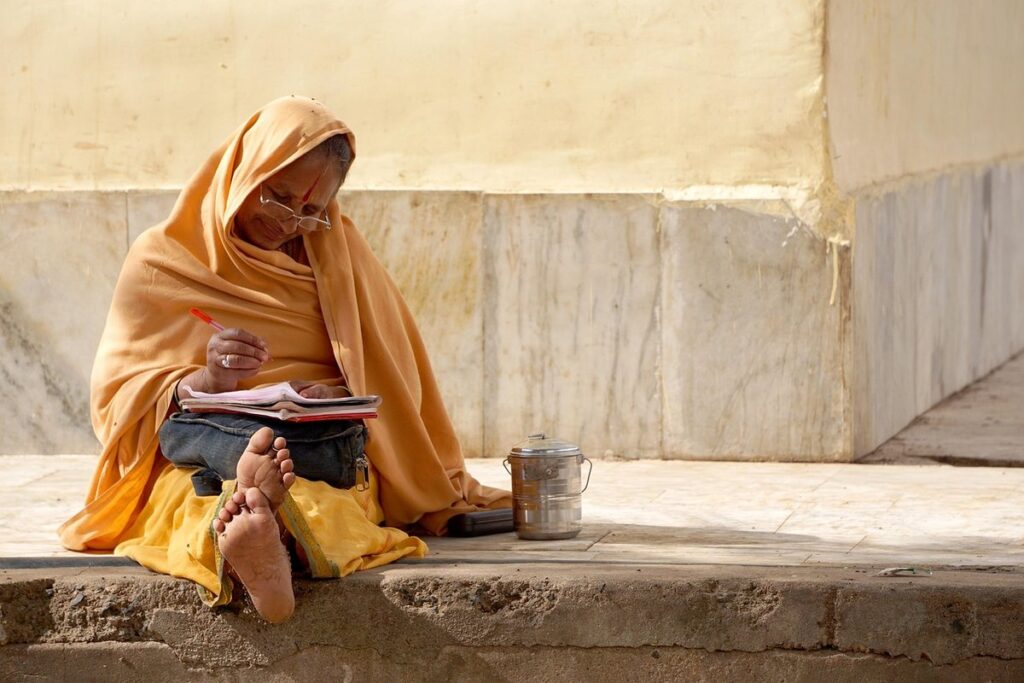
Understanding the Subject
To truly capture the essence of our subject, we need to delve into what makes her sitting so poignant and relatable to us all. Let’s explore the emotional context behind this quiet moment in time.
Importance of Portraying Older Adults
As we delve into capturing the essence of an elderly woman sitting, it’s essential to acknowledge the significance of accurately portraying this age group. The world is witnessing a rapid growth in its elderly population, with projections indicating that by 2050, one-fifth of the global inhabitants will be aged 60 or above.
This demographic shift has profound implications for society. One critical aspect is the need to combat ageism – a pervasive issue that often manifests as stereotyping, discrimination, and neglect. By featuring older adults in art, we can work towards breaking down these misconceptions and foster empathy. Artists have the power to humanize this segment of society, showcasing their wisdom, experiences, and contributions.
By incorporating realistic portrayals of elderly individuals into our artwork, we can encourage a more nuanced understanding of aging. This not only benefits the subjects but also society as a whole, promoting cross-generational dialogue and understanding. When creating your piece, consider exploring the complexities and richness that an older adult brings to your composition – their life experiences, wisdom, and unique perspectives will add depth and authenticity to your art.
Research on Age-Related Stereotypes in Portraiture
Throughout history, artists have had varying approaches to depicting older adults in their work. Some have focused on conveying wisdom and experience, while others have perpetuated negative stereotypes such as infirmity or senility. A prime example of this dichotomy is seen in the contrast between Johannes Vermeer’s “Woman with a Pearl Necklace” (1664) and Francisco de Goya’s “The Drought” (1787-1792). The former presents an older woman as serene and elegant, while the latter depicts a decrepit figure.
Research has shown that these stereotypes are not only ingrained in art but also reflective of societal attitudes towards aging. A study by the American Association of Retired Persons found that 60% of adults believe ageism is prevalent in society. By acknowledging and challenging these biases, artists can create more nuanced portrayals of older adults.
To capture a more realistic representation of an elderly woman sitting, consider exploring her experiences and emotions beyond physical appearance. Ask yourself: What stories does she hold within? How has life shaped her perspective?
Composition and Lighting
When it comes to capturing the essence of our elderly subject, composition and lighting play a crucial role in conveying her story and emotions. Let’s explore some essential tips for mastering these two critical elements.
The Role of Lighting in Creating a Warm Atmosphere
When it comes to capturing the essence of an elderly woman sitting for a portrait, lighting plays a crucial role in conveying her mood and emotion. Warm and soft light can instantly transform the atmosphere, making the subject feel more relaxed and approachable.
Consider using softbox lights or diffused natural light to create a warm glow on the subject’s face. This will help to soften any wrinkles or fine lines, giving the impression of a gentle, ageless quality. Avoid harsh shadows or direct sunlight, which can accentuate any imperfections and make the subject appear older than they are.
To achieve this warm atmosphere, experiment with different lighting setups. For example, you could place a softbox light directly in front of the subject to create a gentle, wraparound effect. Alternatively, use a large diffuser or reflector to bounce light onto the subject’s face and shoulders. The key is to find a balance between sufficient illumination and a warm, inviting ambiance that draws the viewer in. By mastering this aspect of lighting, you’ll be able to capture the elderly woman’s gentle spirit and convey it to your audience with poignancy and sensitivity.
Positioning the Subject: Considering the Use of Space
When positioning the elderly woman sitting, consider how this will affect the composition and narrative of the piece. Placing her at a slight angle to the camera can create a sense of depth and visual interest. This also allows for a more dynamic interaction between the subject and the background.
The height at which she is positioned is also crucial. Sitting her up straight with good posture conveys dignity, while leaning forward may suggest introspection or contemplation. Experimenting with these different positions will help you capture the desired mood and atmosphere.
Additionally, consider the space around her. A cluttered environment can distract from the subject, while a sparse setting can make her feel isolated. Balance is key – ensure there’s enough visual weight to create tension without overwhelming the viewer.
Remember that the positioning of your subject is a deliberate creative choice that contributes significantly to the overall narrative of the piece. By thoughtfully considering these factors, you’ll be able to craft a compelling portrait that resonates with your audience.
Expression and Emotion
When capturing a portrait of an elderly woman sitting, it’s not just her physical presence that matters, but also the emotions and expressions that reveal her character. Let’s explore how to convey those subtle nuances through art.
Capturing the Subtleties of Human Emotion
Captivating the intricate nuances of human emotion is at the heart of portraiture. When capturing an elderly woman sitting, artists must delve beyond a straightforward representation to convey the depths of her inner world. The subtle play of facial expressions, body language, and pose all contribute to this emotional landscape.
Notice how a faint hint of sadness in the eyes can be countered by a gentle curve of the lips, suggesting a complex mix of emotions. Similarly, the angle of the head, the tilt of the shoulders, or the subtle weight transfer from one leg to another can imbue the sitter with a sense of introspection or contemplation.
To effectively convey these subtleties, artists should observe their subject’s behavior and respond intuitively. Encourage your elderly woman sitter to relax into her pose, allowing her natural demeanor to shine through. Experiment with varied angles and lighting setups to tease out the nuances in her expression and body language, ultimately capturing a more authentic representation of her emotional essence.
The Power of Silence: Leaving Space for Interpretation
When capturing the essence of an elderly woman sitting, it’s essential to remember that silence can be just as powerful as a loud declaration. By allowing her expression to speak for itself, you’re giving the viewer the space to interpret and connect with her on a deeper level.
This approach is often referred to as “negative space,” where the absence of distraction allows the subject’s emotions to take center stage. It’s not about filling every inch of the frame with details; instead, it’s about creating a sense of intimacy and vulnerability that invites the viewer in.
Notice how a subtle furrow on her brow or a gentle curve of her lips can evoke a world of emotions. By leaving these details unadorned, you’re allowing the viewer to fill in the gaps and create their own narrative around this woman’s story. This, in turn, makes the image more relatable, more personal, and ultimately, more impactful.
In practice, try removing any distracting elements from the frame and focusing on capturing a range of emotions through subtle expressions. Remember, the key is to balance subtlety with intentionality, creating an atmosphere that encourages the viewer to reflect on their own experiences and connections with the subject.
Historical Context and Influences
The art of portraiture has been shaped by centuries of artists striving to capture the essence of their subjects, from ancient Greek busts to modern-day photographic portraits. This section explores some of the key historical influences that inform our understanding of this elderly woman’s portrait.
Tradition and Innovation in Portraiture
Throughout history, portraiture has evolved significantly, reflecting the artistic and cultural values of its time. When it comes to capturing older adults, tradition and innovation have merged in fascinating ways. During the Renaissance, artists like Leonardo da Vinci and Rembrandt van Rijn perfected the art of conveying depth and emotion through their subjects’ eyes, often depicting elderly individuals with a sense of wisdom and experience.
In contrast, the Impressionist movement brought a more nuanced approach to portraiture, focusing on capturing fleeting moments and emotions. Artists like Pierre-Auguste Renoir and Berthe Morisot created soft, gentle portraits that humanized older adults. The Modern era saw photographers like Ansel Adams and Dorothea Lange pushing the boundaries of portraiture, experimenting with unconventional angles and lighting to convey the complexities of aging.
When capturing an elderly woman sitting, consider incorporating these historical influences. Experiment with natural light, soft focus, or abstract composition to create a nuanced, emotionally resonant portrait that conveys her inner world.
Contemporary Artistic Trends and their Implications
In contemporary art, portraiture has evolved to encompass diverse styles and mediums. The rise of photorealism, for instance, has led artists like Chuck Close to explore the intricacies of aging on the human face. Similarly, digital art has enabled artists to experiment with non-traditional techniques, blurring the lines between reality and abstraction. When capturing an elderly woman sitting, contemporary artistic trends suggest embracing nuance and subtlety.
Consider the works of artists like Lisa Yuskavage or Cecily Brown, who infuse their portraits with a sense of intimacy and psychological depth. Their use of vivid colors and expressive brushstrokes can be particularly effective in conveying the complexities of aging. Alternatively, artists like Gerhard Richter or Catherine Opie have pushed the boundaries of portraiture through innovative uses of photography and collage.
To incorporate these trends into your own work, try experimenting with mixed media techniques or non-traditional materials to add texture and visual interest to your portrait.
Technical Considerations
When photographing a delicate subject like an elderly woman, technical considerations such as lighting and composition can greatly impact the final result, so let’s take a closer look.
We’ll cover specific techniques for ensuring your shots are both flattering and respectful of the sitter.
Choosing the Right Medium: Paint, Print, or Digital
When it comes to capturing the essence of an elderly woman sitting, the choice of medium is crucial. You’ll want to select a medium that not only allows for precision and control but also conveys the subtleties of her expression.
Painting offers a level of expressiveness and nuance that can be difficult to achieve with other mediums. With paint, you can blend colors seamlessly, creating soft transitions between shadows and highlights that capture the gentle curves of her face. However, painting requires patience and practice, and it may not be suitable for capturing fleeting moments.
Print media, such as photography or printmaking, provides a more direct approach to documenting the sitter’s likeness. These mediums are ideal for capturing detailed textures and intricate features, but they can sometimes lack the emotional depth achieved through other mediums.
Digital art is another option that offers a high degree of precision and control. With digital tools, you can manipulate colors and shapes with ease, creating realistic or stylized representations of your subject. However, over-reliance on digital tools can result in an overly polished image that lacks authenticity.
Consider the mood and atmosphere you want to convey: is it contemplative, joyful, or melancholic? Different mediums evoke different emotions, so choose one that resonates with your vision.
Tips for Achieving Realism and Depth in Portraiture
When capturing the essence of an elderly woman sitting, achieving realism and depth in portraiture is crucial. To achieve this, consider the following tips:
To create a sense of realism, focus on capturing the subtleties of her facial expressions. Pay attention to the gentle wrinkles around her eyes, nose, and mouth. These telltale signs of age can add character and depth to your portrait. For example, notice how the creases around her eyes convey a life well-lived and stories yet untold.
To create depth in your portraiture, experiment with lighting techniques. Soft, natural light can help reduce harsh shadows and emphasize the subject’s features. You can also use artificial light sources to add contrast and interest to the scene. Consider using a reflector or diffuser to soften the light and create a sense of warmth.
Another key aspect of achieving realism is capturing the subject’s posture and movement. Observe how she sits, with her weight evenly distributed on both legs. Notice the gentle curves of her back and the relaxed way she holds her hands. This attention to detail will help convey a sense of comfort and tranquility in your portrait.
Conclusion and Final Thoughts
As we come to the end of our exploration into capturing the essence of an elderly woman sitting, let’s reflect on what we’ve learned. Now, it’s time to distill these lessons into a concise summary.
Reflections on the Importance of Accurate Representation
As we come to the conclusion of our exploration into the art of portraiture, it’s essential to reflect on the significance of accurate representation, particularly when depicting older adults. The elderly woman sitting for us in this painting is more than just a subject – she embodies a life story, experiences, and emotions that deserve to be captured with authenticity.
Inaccurate representation can perpetuate ageist stereotypes and reinforce societal biases against older adults. By accurately capturing the subtleties of age, we not only honor our subjects but also contribute to a more nuanced understanding of aging. This is particularly crucial in an era where demographically-driven trends are shifting the way we perceive and interact with older individuals.
So, how can we ensure accurate representation? Firstly, it’s vital to approach each sitting with empathy and respect. Listen attentively to your subject’s stories, experiences, and concerns. Encourage them to share their perspectives on aging, and actively seek to understand their unique voice. Be mindful of the language you use and avoid making assumptions about age-related changes.
Through our portrait, we can challenge ageist stereotypes by showcasing the beauty, resilience, and wisdom that comes with age. By doing so, we not only create a timeless work of art but also contribute to a more inclusive and empathetic society. As artists, it’s our responsibility to represent the elderly with dignity and authenticity – not just as a subject, but as a living, breathing individual with stories waiting to be told.
Frequently Asked Questions
How do I choose the right medium for painting an elderly woman sitting?
Choose a medium that resonates with your style and vision, considering factors like realism, expressiveness, and ease of use. For example, oil paints might be ideal for capturing nuanced textures and colors, while digital art could offer greater precision and flexibility.
What are some common challenges in portraying the subtleties of human emotion, especially when depicting an elderly woman?
Be mindful of avoiding age-related stereotypes by focusing on universal emotions that transcend age. Study the work of artists who have successfully captured the emotional depth of their subjects, and practice observing people from different walks of life to develop your understanding.
Can I use artificial lighting in my artwork to create a warm atmosphere?
Yes, artificial lighting can be used to achieve a desired ambiance. However, consider how it might affect the overall mood and authenticity of the piece. Natural light is often preferred for its unique ability to capture subtleties, but don’t be afraid to experiment with different light sources.
How do I balance the importance of accurately portraying age-related challenges with the need to avoid stereotypes?
Strive for a nuanced representation that acknowledges both the challenges and the dignity of your subject. Study the work of artists who have successfully navigated this balance and engage with people from diverse backgrounds to deepen your understanding.
What role can I play in promoting more accurate and respectful portrayals of older adults in art?
By creating and sharing artwork that challenges age-related stereotypes, you can contribute to a growing movement towards greater inclusivity and respect. Engage with others through exhibitions, workshops, or online forums to exchange ideas and experiences, furthering the impact of your work.