
Caring for a senior loved one can be an overwhelming responsibility, especially when it comes to finding reliable and trustworthy caregivers. You’ve likely searched far and wide for options that fit your family’s unique needs, but navigating the complex landscape of senior care can be daunting. With so many caregivers for seniors available, making the right choice is crucial to ensure your loved one receives the best possible care. But what sets a truly exceptional caregiver apart from the rest? In this comprehensive guide, we’ll explore the various senior care options, provide expert advice on finding the perfect caregiver, and share valuable tips on managing stress while caregiving. By the end of this article, you’ll be empowered to make informed decisions about your loved one’s care and find peace of mind knowing they’re receiving top-notch support from a trusted caregiver.
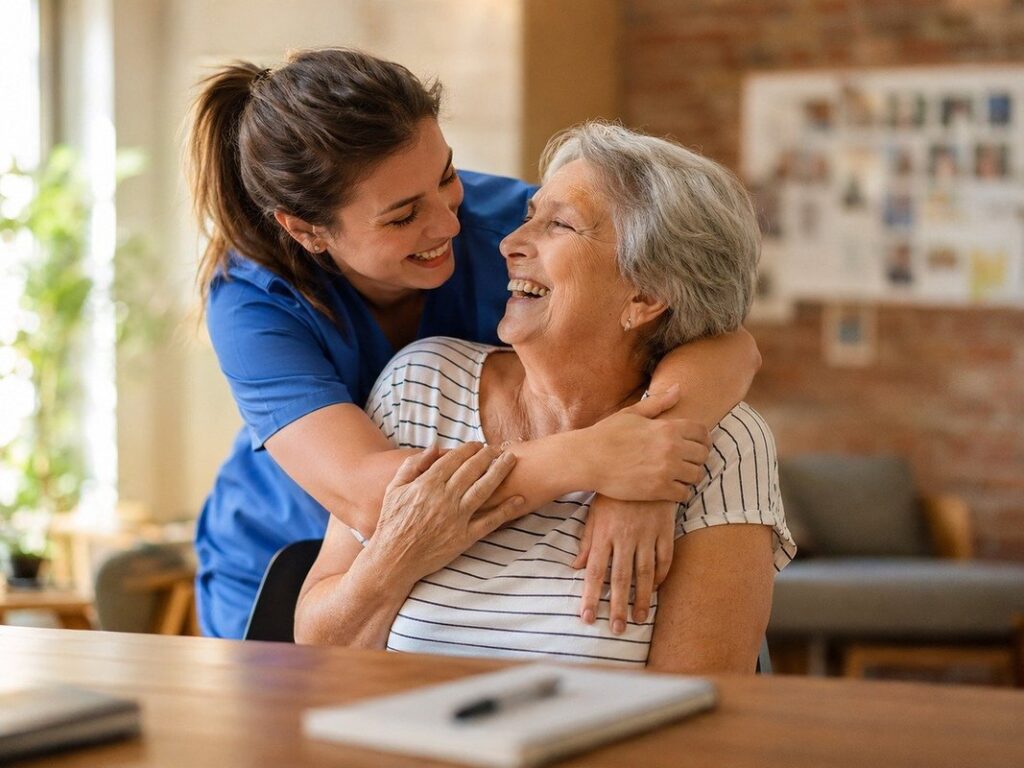
Understanding the Need for Senior Care
Many of us will face a time when we need support and care as we age, making it essential to understand the importance of senior care services. This is especially true for those who want to ensure their loved ones receive the best possible care.
Demographic Shift and Aging Population
The world is experiencing a significant demographic shift, with the population aging rapidly. According to the United States Census Bureau, by 2030, it’s estimated that one in five Americans will be aged 65 or older. This growth in the elderly population has led to an increased need for senior care services.
As people live longer, they often require more assistance with daily activities, such as bathing, dressing, and managing medications. Additionally, age-related health conditions like Alzheimer’s disease, diabetes, and heart disease are becoming more prevalent. The strain on family caregivers is substantial, with many taking on significant responsibilities, including financial management, medical care, and emotional support.
Aging in place, where seniors remain in their own homes, is a popular choice for many families. However, it can be challenging to provide the necessary support without professional assistance. This demographic shift highlights the importance of accessible senior care services, including home health care, adult day care centers, and respite care programs. By understanding the needs of an aging population, we can better prepare ourselves and our loved ones for the challenges that come with growing older.
The Challenges of Caring for Loved Ones
Caring for seniors can be a challenging and emotionally demanding task. The physical demands of caregiving can lead to fatigue, while the emotional toll can result in feelings of isolation and burnout. Caregivers often experience stress due to managing their loved one’s medications, coordinating medical appointments, and assisting with daily activities like bathing and dressing.
The patient’s overall well-being is also affected by the caregiving dynamic. For example, seniors who rely on caregivers for everything may become increasingly dependent, leading to a loss of independence and confidence. Conversely, if caregivers are overwhelmed or stressed, they may unintentionally neglect their loved one’s needs, exacerbating any existing health issues.
To mitigate these challenges, it’s essential for caregivers to prioritize self-care and seek support when needed. This can include delegating tasks to other family members or hiring professional help. Caregivers should also focus on preserving their loved one’s autonomy by encouraging independence in daily activities and promoting social engagement. By acknowledging the emotional and physical demands of caregiving, caregivers can better navigate these challenges and provide high-quality care for their seniors.
Types of Caregivers for Seniors
Whether you’re seeking a live-in caregiver, hourly companion, or specialized care professional, it’s essential to understand the various types of caregivers available for seniors. This section will explore each option in more detail.
Family Caregivers: The Primary Option
Family members often take on caregiving responsibilities due to their close relationship with the senior. This section will explore the benefits and challenges of family caregiving.
Family caregivers are the primary option for many seniors, providing hands-on care and support in a familiar setting. One of the most significant advantages of family caregiving is the emotional bond between caregiver and senior. Family members can offer comfort, companionship, and reassurance, which can be especially important during times of illness or crisis.
However, family caregiving also presents several challenges. For example, family caregivers often have to balance their caregiving responsibilities with work, social, and personal obligations. This can lead to stress, burnout, and feelings of guilt or resentment. Additionally, family caregivers may need to manage complex medical care, medication schedules, and household tasks, which can be overwhelming.
To succeed as a family caregiver, it’s essential to establish clear boundaries, prioritize self-care, and seek support from other family members, friends, or professional organizations when needed. By doing so, family caregivers can provide high-quality care while maintaining their own physical and emotional well-being.
Professional Caregivers: Benefits and Drawbacks
Professional caregivers can be a godsend for family members who are struggling to care for their loved ones. On one hand, they provide much-needed respite from the physical and emotional demands of caregiving. This can allow family members to take breaks, run errands, or attend to other responsibilities without worrying about their senior’s well-being.
However, hiring professional caregivers can also be expensive. According to the National Association for Home Care & Hospice, the average cost of in-home care is around $25 per hour. While this may seem steep, it’s essential to consider the value that these caregivers bring. They can help with a range of tasks, from bathing and dressing to managing medications and providing companionship.
Some benefits of hiring professional caregivers include:
- Personalized care tailored to the senior’s specific needs
- Flexibility in scheduling to accommodate changing circumstances
- Ongoing support for family members who may be struggling to cope
- The opportunity to maintain independence and stay in their own home
Ultimately, whether or not to hire a professional caregiver depends on your individual circumstances and financial situation. It’s essential to weigh the benefits against the costs and consider other options, such as adult day care centers or home health care services.
Senior Care Options
When considering care for a senior, it’s essential to weigh the pros and cons of different options, including home-based care, assisted living facilities, and nursing homes. Each has its unique benefits and drawbacks that require careful evaluation.
Home Health Care Services
Home health care services provide a vital lifeline for seniors who require medical attention but prefer to stay at home. These services allow skilled healthcare professionals to visit patients in their own homes, delivering much-needed care and support. One of the primary benefits of home health care is its flexibility – patients can receive treatment on an as-needed basis, rather than adhering to a rigid schedule.
Home health care services often involve physical therapy, wound care, medication management, and other specialized treatments. Skilled nurses, therapists, and aides work closely with patients and their families to develop personalized care plans that address specific needs and goals. For example, a patient who has recently undergone surgery might receive regular visits from a physical therapist to aid in recovery.
While home health care services offer many advantages, there are also limitations to consider. Patients may require significant medical equipment or supplies, which can be costly and logistically challenging to manage. Additionally, some conditions – such as dementia or advanced mobility issues – may necessitate more intensive care that cannot be provided at home. Caregivers should carefully weigh the benefits and drawbacks of home health care services before making a decision for their loved one.
Adult Day Care Centers
Adult day care centers provide a vital support system for family caregivers by offering socialization, meals, and activities to seniors during the day. This respite allows caregivers to attend to personal matters, work, or simply recharge. One of the primary advantages of adult day care centers is their ability to promote social interaction among seniors. Studies have shown that social isolation can lead to depression, anxiety, and a decline in overall well-being.
In addition to providing socialization, adult day care centers often offer meals, transportation, and medical services. This holistic approach can be particularly beneficial for seniors with chronic conditions or those who require regular medication management. However, there are also some drawbacks to consider. For instance, adult day care centers may not provide the same level of personalized attention that a family caregiver can offer.
Before enrolling your senior loved one in an adult day care center, it’s essential to research and evaluate the program’s quality and reputation. Look for centers with experienced staff, a safe environment, and engaging activities tailored to seniors’ interests. By doing so, you can ensure that your senior receives the care and support they need while also providing yourself with a much-needed break.
Finding the Right Caregiver for Your Senior Loved One
Choosing the right caregiver can be overwhelming, but it’s essential to consider their qualifications, experience, and compatibility with your senior loved one’s needs. You want someone who truly understands their care requirements.
Evaluating Caregivers: What to Look For
When searching for a caregiver, it’s essential to evaluate their qualifications, experience, and compatibility with your senior loved one. To start, look for caregivers who have experience working with seniors and possess relevant certifications, such as Certified Nursing Assistant (CNA) or Certified Home Health Aide (CHHA). You can also check online directories like the National Association of Professional Geriatric Care Managers (NAPGCM) to find certified care managers.
Assess the caregiver’s communication style by observing how they interact with your senior loved one during an in-person meeting. Do they listen attentively and respond thoughtfully? Can they articulate their approach to caregiving and answer questions about their experience? Evaluate their ability to provide medication management, mobility assistance, and personal care, such as bathing and dressing.
Additionally, consider the caregiver’s availability, scheduling flexibility, and willingness to work with other healthcare professionals. A good caregiver should be able to collaborate with your senior loved one’s medical team and adapt to changing needs. Ask for references or ask the caregiver to provide contact information for previous clients. This can give you valuable insight into their professionalism and reliability.
Creating a Care Plan: A Collaborative Approach
Creating a care plan involves working closely with healthcare professionals, caregivers, and family members to ensure the senior receives the best possible care. This collaborative approach is essential for several reasons. Firstly, it allows for a comprehensive understanding of the senior’s needs, taking into account their medical history, physical limitations, and personal preferences.
When creating a care plan, start by identifying all parties involved, including healthcare providers, caregivers, and family members. Hold regular meetings to discuss the senior’s progress, address concerns, and make adjustments as needed. This open communication helps prevent misunderstandings and ensures everyone is working towards the same goals.
A collaborative care plan also fosters accountability among caregivers. When multiple individuals are responsible for the senior’s care, each person knows their role and responsibilities. This shared understanding promotes a sense of teamwork, reducing the likelihood of mistakes or omissions. Additionally, regular meetings provide an opportunity to share best practices and learn from one another’s experiences.
By working together, caregivers can tailor the care plan to meet the unique needs of the senior, leading to more effective and compassionate care.
Managing Caregiver Stress and Burnout
Caregiving for seniors can be emotionally draining, so it’s essential to address the stress and burnout that often comes with it. We’ll explore practical strategies to help you recharge and maintain your well-being.
Recognizing Signs of Burnout
Burnout can creep up on caregivers without warning, making it essential to recognize the signs early. Some common indicators of burnout include feelings of emotional exhaustion, detachment from the caregiving role, and reduced performance in daily tasks. Caregivers may experience changes in their appetite or sleep patterns, leading to physical health issues.
They might also become more irritable, withdrawn, or isolated, which can further exacerbate stress levels. In severe cases, burnout can lead to compassion fatigue, where caregivers feel a complete emotional drain and struggle to empathize with the senior’s needs. To identify burnout in yourself or others, consider how you respond to stressful situations. Do you feel overwhelmed, anxious, or hopeless?
Pay attention to physical symptoms like headaches, muscle tension, or stomach problems. These can be signs that your body is struggling to cope with the emotional demands of caregiving. If you’re experiencing several of these symptoms regularly, it may be time to reassess your caregiving approach and prioritize self-care. By acknowledging burnout and seeking help when needed, caregivers can maintain their well-being and continue providing quality care for their loved ones.
Self-Care for Caregivers: Essential Tips
Self-care is often the first thing to fall by the wayside when caring for a loved one, but it’s essential for maintaining physical and emotional well-being. Regular exercise can help reduce stress and anxiety. Aim for at least 30 minutes of moderate-intensity activity per day, such as brisk walking or light swimming. Consider enlisting a friend or family member to join you in regular walks or other low-impact activities.
Mindfulness practices like meditation and deep breathing can also be incredibly beneficial for caregivers. Start with short sessions (5-10 minutes) and gradually increase time as you become more comfortable with the practice. There are many free resources available online, including guided meditations and apps that track your progress.
Socialization is another crucial aspect of self-care for caregivers. Schedule regular breaks to connect with friends or join a support group specifically designed for caregivers. Even small moments of social interaction can help alleviate feelings of isolation and burnout. Consider setting up video calls with loved ones who live far away, or visiting a local senior center to meet new people.
Make time for activities that bring you joy, whether it’s reading, painting, or playing music.
Technology and Senior Care: The Future of Caregiving
The integration of technology is transforming senior care, offering innovative solutions to improve caregiving services. From AI-powered health monitoring to telemedicine platforms, these advancements are changing the face of elderly care.
Wearable Devices and Monitoring Systems
Wearable devices and monitoring systems can be a game-changer for seniors who want to maintain their independence while receiving necessary medical attention. These devices can track vital signs such as heart rate, blood pressure, and oxygen levels, providing valuable insights into a senior’s health.
One of the primary benefits of wearable technology is its ability to detect medical emergencies. Many devices come equipped with fall detection sensors that alert caregivers or emergency services in case of a fall. Some popular options include the Medical Guardian, which offers GPS tracking and two-way voice communication, and the Philips Lifeline, which provides automatic fall detection.
However, it’s essential to consider the limitations of wearable technology. For instance, some devices may require frequent recharging, and their accuracy can be affected by factors like skin conditions or certain medical conditions. When selecting a wearable device for a senior, caregivers should assess their individual needs and choose a device that offers features tailored to those requirements.
Caregivers should also familiarize themselves with the user interface and ensure the senior is comfortable wearing the device. This may involve setting up reminders for medication adherence or adjusting settings for optimal comfort. By understanding both the benefits and limitations of wearable technology, caregivers can make informed decisions about incorporating these devices into their loved one’s care plan.
Telehealth Services: Convenient Access to Healthcare
Telehealth services provide a convenient and accessible way for seniors to receive medical attention remotely. This can be especially beneficial for those with chronic conditions or mobility issues who may struggle with in-person doctor’s visits. With telehealth, seniors can consult with healthcare professionals from the comfort of their own homes, reducing the need for hospitalizations and long car rides.
While telehealth services have many advantages, there are also some challenges to consider. For instance, not all medical conditions can be effectively treated remotely, such as those requiring physical exams or surgeries. Additionally, some seniors may struggle with using technology, which can hinder their ability to access telehealth services.
To make the most of telehealth services, it’s essential for caregivers and seniors to understand what types of conditions are suitable for remote treatment. Some common examples include follow-up appointments, medication management, and health monitoring. Caregivers should also help their loved ones get familiar with the technology used in telehealth services, such as video conferencing platforms or mobile apps.
A simple way to start is by exploring the options offered by your senior’s healthcare provider or insurance plan. Many providers offer telehealth services, so it’s worth checking if they are available for your loved one’s specific needs.
Conclusion
The journey of finding the right caregiver for your senior loved one can be overwhelming and emotionally draining. As you’ve navigated through the complexities of caregiving, it’s essential to take a step back and reflect on what you’ve learned. By now, you should have a clear understanding of the different types of caregivers available, including home health aides, certified nursing assistants, and companions. You also know how to assess your senior’s needs and create a care plan that suits their unique requirements.
In this guide, we’ve covered essential topics such as hiring a caregiver, managing medications, and promoting emotional well-being. By applying these insights, you’ll be better equipped to support your senior’s independence and quality of life. Remember, caregiving is not just about providing physical care; it’s also about offering love, compassion, and understanding. With the right approach and support system in place, you can create a more fulfilling experience for both yourself and your senior.
Frequently Asked Questions
What if I have multiple senior loved ones to care for? How can I balance their needs?
When caring for multiple seniors, prioritize their individual needs and create separate care plans. Consider enlisting the help of professional caregivers or family members to provide respite care. This allows you to manage each person’s unique requirements while maintaining a sense of control.
Can wearable devices really replace in-person caregiving? What are the limitations?
Wearable devices can supplement caregiving, but they shouldn’t be relied upon as a sole solution. Limitations include technical issues, battery life concerns, and the need for ongoing maintenance. In-person caregivers provide essential human interaction, emotional support, and hands-on care that wearable technology cannot replicate.
How do I know when my senior loved one is ready to transition from in-home care to an adult day care center?
Monitor your senior’s engagement level, mobility, and socialization needs. If they’re showing signs of isolation or declining physical health, it may be time to explore adult day care options. Consult with healthcare professionals and caregivers to determine the best course of action for your loved one.
What are some common mistakes families make when creating a care plan? How can I avoid them?
Families often overlook the importance of ongoing communication among caregivers, seniors, and healthcare providers. Regularly scheduled meetings and clear documentation help prevent misunderstandings and ensure everyone is on the same page. Establishing a care plan also helps identify potential issues before they become major concerns.
Can telehealth services be used for non-medical needs, such as counseling or therapy? Are there any specific platforms or services that cater to seniors?
While telehealth primarily focuses on medical consultations, some platforms offer non-medical support services like counseling and therapy specifically designed for seniors. These services can be an excellent resource for addressing emotional and social challenges associated with aging. Look for services that offer senior-focused programs and trained professionals experienced in working with older adults.