
Cataracts are a common age-related eye condition that can significantly impact quality of life for seniors. As people age, the lens in their eye can become cloudy, leading to vision problems and difficulties performing everyday activities. This clouding is caused by changes in the lens itself, often due to years of exposure to sunlight, other environmental factors, or as a result of underlying health conditions such as diabetes. You may notice symptoms like double vision, fading colors, or sensitivity to light. While surgery is a common treatment option for cataracts, there are also lifestyle changes that can help slow progression and prevent the condition from worsening. In this article, you’ll learn about the causes and symptoms of cataracts in seniors, as well as effective treatment options and strategies for managing vision loss.
Understanding Cataracts in Seniors
Cataracts can be a significant concern for seniors, and understanding their causes and symptoms is crucial for proper diagnosis and treatment. We’ll break down what you need to know about cataracts in older adults.
What are Cataracts?
A cataract is a clouding of the natural lens in the eye that affects vision. This condition occurs when the clear lens becomes cloudy and obstructs light from entering the retina, causing blurred or distorted vision. The most common cause of cataracts is aging, as the proteins in the lens can break down over time and accumulate, leading to a clouding effect.
There are three main types of cataracts: nuclear, cortical, and posterior subcapsular. Nuclear cataracts affect the central part of the lens, causing nearsightedness and difficulty seeing at night. Cortical cataracts form in the cortex, or outer layer of the lens, creating spoke-like patterns and affecting both distance and close-up vision. Posterior subcapsular cataracts develop on the back surface of the lens, impairing reading vision.
Cataracts can also be caused by other factors such as diabetes, trauma to the eye, prolonged exposure to sunlight, or certain medications like steroids. However, these cases are relatively rare compared to age-related cataracts. As the clouding progresses, it can lead to blindness if left untreated.
Risk Factors for Developing Cataracts
As we age, our risk of developing cataracts increases due to a combination of age-related changes in the lens and surrounding tissues. After age 60, the prevalence of cataracts is estimated to be around 70%. Lifestyle choices also play a significant role in increasing the risk of cataract development.
Smoking is a major risk factor for cataract formation. Studies have shown that smokers are 1.5 to 3 times more likely to develop cataracts compared to non-smokers. Exposure to UV radiation from the sun or tanning beds also increases the risk, particularly in people who spend extended periods outdoors.
Medical conditions such as diabetes and hypertension can increase the risk of cataract development due to associated inflammation and vascular changes in the eye. Furthermore, taking certain medications, like steroids and some antidepressants, has been linked to an increased risk of cataracts.
Maintaining a healthy diet rich in fruits, vegetables, and omega-3 fatty acids may help reduce the risk of cataract formation. Additionally, wearing sunglasses with UV protection when outdoors can also mitigate this risk factor.
Symptoms and Diagnosis of Cataracts
Cataract symptoms can be subtle at first, but if left untreated, they can significantly impact your daily life and vision. Let’s explore the common signs and how doctors diagnose this condition.
Common Signs and Symptoms
Seniors with cataracts often experience a range of symptoms that can significantly impact their daily lives. One common sign is blurred vision, which can be gradual and may worsen over time. This can make everyday activities like reading, driving, or even recognizing faces more challenging.
Double vision is another symptom, where the affected eye sees two images instead of one. This can cause headaches, eye strain, and discomfort. In some cases, double vision may be temporary, but in others, it can persist and affect daily functioning.
Increased sensitivity to light is also common, often described as halos or glare around lights at night. This can disrupt sleep patterns and make nighttime activities like watching TV or cooking more difficult.
It’s essential for seniors with cataracts to seek medical attention if they experience any of these symptoms. Early detection and treatment can significantly improve quality of life and reduce the risk of complications. If you’re experiencing vision problems, consult your doctor about scheduling a comprehensive eye exam to assess whether cataracts may be a contributing factor.
Diagnostic Tests for Cataracts
A comprehensive eye exam is typically the first step in diagnosing a cataract. During this exam, an ophthalmologist will use specialized equipment to examine the lens and other structures of the eye. A visual acuity test may also be performed to assess the clarity of vision. This involves reading letters on a chart from a distance to measure the sharpness of vision.
In addition to these tests, your doctor may conduct other diagnostic procedures such as tonometry to measure pressure within the eye or slit-lamp examination to closely examine the lens and retina. Ultrasound testing may also be used to create detailed images of the eye’s interior structures. The goal of these tests is to confirm a cataract diagnosis and determine its severity.
It’s essential to note that some patients with cataracts may not exhibit noticeable symptoms initially, but as the condition progresses, vision problems will become more apparent. A thorough medical history and physical examination are also crucial in diagnosing cataracts, especially when combined with laboratory tests such as blood work to rule out other potential causes of vision impairment.
Causes and Risk Factors of Age-Related Cataracts
There are several underlying causes that contribute to the development of age-related cataracts, including genetics and environmental factors. Understanding these causes can help you better navigate your diagnosis and treatment options.
UV Radiation and Oxidative Stress
Prolonged exposure to ultraviolet (UV) radiation from the sun or tanning beds is a significant contributor to oxidative stress, which can damage the lens proteins and lead to age-related cataracts. When UV radiation enters the eye, it triggers a series of chemical reactions that produce free radicals. These highly reactive molecules then bind to nearby tissues, causing inflammation and DNA damage.
Oxidative stress from UV exposure is especially concerning for older adults because their lenses are more prone to absorbing UV radiation due to age-related changes in lens transparency. This increased absorption can lead to a buildup of toxic substances, further exacerbating oxidative stress.
To minimize the risk of UV-related cataract development, it’s essential to take protective measures when spending time outdoors. Wear sunglasses that block 99-100% of UVA and UVB rays, and use a hat with a brim to shield your eyes from direct sunlight. Additionally, avoid prolonged exposure to tanning beds and follow the manufacturer’s guidelines for using sunlamps or other indoor lighting sources that emit UV radiation.
Inflammation and Other Medical Conditions
Chronic inflammation and underlying medical conditions can significantly increase the risk of developing age-related cataracts. For instance, diabetes has been shown to affect the lens’s transparency by causing microvascular damage, leading to clouding and vision loss. Similarly, hypertension can cause damage to the blood vessels in the eye, increasing the pressure within them and potentially harming the lens.
Diabetes is also associated with an increased risk of developing cataracts due to its effects on glucose levels in the body. High blood sugar can bind to albumin, a protein in the aqueous humor, forming advanced glycosylation end-products (AGEs). AGEs accumulate over time, promoting oxidative stress and inflammation that contribute to cataract formation.
Other medical conditions, such as kidney disease, rheumatoid arthritis, and certain autoimmune disorders, also increase the risk of developing age-related cataracts. This is often due to chronic inflammation caused by these conditions, which can lead to cellular damage and tissue degradation in the eye.
Treatment Options for Cataracts in Seniors
For seniors living with cataracts, there are several effective treatment options available to restore clear vision and improve quality of life. We’ll examine these alternatives in more detail below.
Surgical Removal of the Cataract
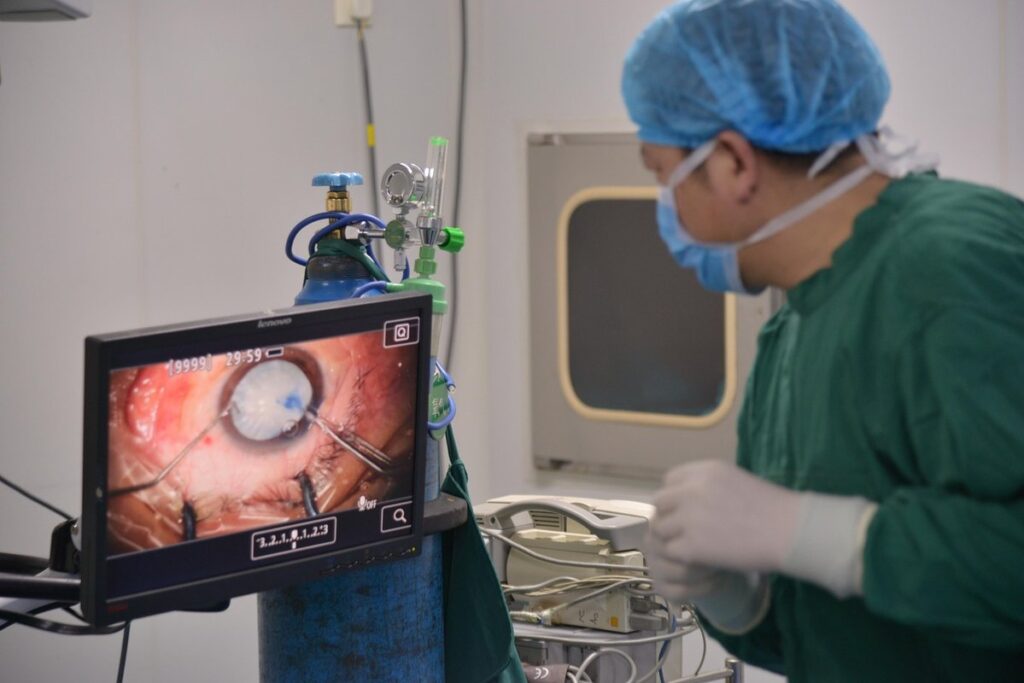
Surgical removal of the cataract is a common and effective treatment for seniors with cataracts. The procedure involves removing the cloudy lens and replacing it with an artificial intraocular lens (IOL). This is typically done on an outpatient basis under local anesthesia, which numbs the eye but leaves the patient awake and able to communicate with the surgical team.
During surgery, a small incision is made in the cornea, allowing for the removal of the cloudy lens. The IOL is then inserted through the same incision, and the surgeon carefully positions it inside the eye to focus light correctly on the retina. In most cases, this incision heals quickly without stitches, reducing recovery time.
Refractive errors caused by cataracts are usually corrected immediately with an IOL implantation, eliminating the need for glasses or contacts post-surgery. However, some patients may still require reading glasses due to presbyopia, a natural age-related decline in near vision. The surgical team will discuss these options and answer any questions about IOLs during pre-operative consultations.
Non-Surgical Treatments for Cataracts
In addition to surgery, there are other non-surgical treatment options for cataracts in seniors. While these methods won’t cure the condition, they can help manage symptoms and improve quality of life. For instance, medications such as steroids or NSAIDs can reduce inflammation and alleviate pain associated with cataract development.
Lifestyle changes also play a crucial role in managing cataract symptoms. Maintaining good eye hygiene, for example, involves cleaning contact lenses regularly to prevent bacterial buildup. Wearing sunglasses that block UV rays can protect the eyes from further damage. Regular exercise, especially those that promote circulation such as walking or swimming, may also help mitigate the effects of cataracts.
Some studies suggest that omega-3 fatty acid supplements may slow down age-related macular degeneration and potentially reduce cataract risk. However, more research is needed to confirm this correlation. It’s essential for seniors to discuss these non-surgical options with their healthcare provider before trying any new treatments or supplements, as they can interact with existing medications or have unintended side effects.
Lifestyle Changes to Prevent or Slow Cataract Progression
While medical treatment can help, making a few simple lifestyle changes can also play a significant role in slowing down cataract progression. Let’s look at some of these important habits you can adopt to support your eye health.
Nutrition and Diet
A diet rich in antioxidants and omega-3 fatty acids can play a crucial role in preventing or slowing cataract progression. Antioxidants such as lutein and zeaxanthin are particularly beneficial, as they act as natural filters for blue light that enters the eye. This helps reduce oxidative stress and inflammation within the lens of the eye, which can contribute to cataract development.
Examples of foods high in antioxidants include leafy greens like spinach and kale, as well as colorful fruits such as bell peppers and berries. Fatty fish like salmon and sardines are rich in omega-3 fatty acids, while walnuts and flaxseeds also provide a good source.
In addition to incorporating these foods into your diet, it’s essential to limit intake of processed foods and added sugars, which can lead to inflammation and oxidative stress. Aiming for five servings of fruits and vegetables daily can help support eye health. You may also consider consulting with a registered dietitian or healthcare professional to develop a personalized meal plan that meets your specific nutritional needs.
Exercise and Physical Activity
Regular exercise and physical activity are essential for overall eye health, including reducing the risk of cataracts. Research has shown that individuals who engage in regular physical activity have a lower risk of developing cataracts compared to those who lead sedentary lifestyles.
Physical activity can help reduce inflammation, which is a known contributor to cataract development. Exercise also improves circulation, allowing for better delivery of oxygen and nutrients to the eyes. Furthermore, regular physical activity has been linked to healthier weight management, reduced blood pressure, and improved glucose control – all factors that contribute to a lower risk of cataracts.
Aim for at least 150 minutes of moderate-intensity exercise or 75 minutes of vigorous-intensity exercise per week. Activities like brisk walking, cycling, and swimming are great options for seniors who may have mobility issues. Even short periods of physical activity throughout the day can be beneficial, such as taking a daily walk after meals.
In addition to exercise, incorporating eye-friendly activities into your daily routine can also promote overall eye health. Try reading books or magazines with varying font sizes and lighting conditions, and take regular breaks from screens to reduce digital eye strain. By prioritizing physical activity and making simple lifestyle adjustments, seniors can significantly reduce their risk of developing cataracts and maintain healthy vision well into old age.
Managing Cataracts in Seniors: A Guide for Caregivers
As a caregiver for a senior loved one, understanding how to manage cataracts can be crucial in maintaining their quality of life and independence. This guide will walk you through the key considerations for caregivers.
Creating a Supportive Environment
When it comes to managing cataracts in seniors, creating a supportive environment is crucial for their daily functioning. Start by adjusting the lighting in their living space. For most people with cataracts, bright lights can exacerbate glare and discomfort, making everyday activities more challenging. Consider using table lamps or floor lamps instead of overhead lighting to reduce reflections on surfaces.
Additionally, use visual aids such as magnifying glasses or hand-held magnifiers to help them see small objects and text more clearly. These tools can be particularly helpful during tasks like cooking, reading, or managing medications. Some seniors may also benefit from using a magnifying mirror in the bathroom for personal grooming.
Consider placing frequently used items at eye level or slightly below to reduce strain on their neck and shoulders while performing daily activities. For example, keep essential household items within easy reach of their chair or bed. This simple adjustment can make a significant difference in their comfort and independence.
Coping with Vision Loss
Living with vision loss due to cataracts can be challenging for seniors. Assistive technology and adaptive equipment can greatly improve their quality of life. One such example is magnifying glasses, which can make everyday tasks like reading and cooking easier.
Some seniors may also benefit from using screen readers on their phones or computers, allowing them to stay connected with loved ones through video calls and messaging apps. Adaptive kitchen gadgets, such as large-button appliances and tactile markers, can also help reduce frustration when preparing meals.
In addition to these tools, caregivers can make their home environment more accessible by installing nightlights and improving lighting in areas where seniors spend most of their time. For example, placing a lamp near the phone or favorite chair can help them navigate their surroundings with greater ease. Caregivers should also consider investing in a closed-circuit TV (CCTV) system to enhance visual awareness in the home.
Caregivers play a vital role in introducing and setting up these assistive devices for seniors, ensuring they are comfortable using them and receiving maximum benefit from the technology.
Frequently Asked Questions
Can I still drive with cataracts?
Yes, but it depends on the severity of your vision loss. If you’re experiencing blurred vision or sensitivity to light, you may need to adjust your driving habits or consider alternative transportation options.
How long does it take for lifestyle changes to slow cataract progression?
It can vary from person to person, but studies suggest that adopting a balanced diet rich in antioxidants and omega-3 fatty acids can help reduce the risk of cataracts by 20-30% over a period of several months to a few years.
What if my senior has advanced cataracts and cannot afford surgery?
Many organizations offer financial assistance programs for seniors who are eligible. Additionally, some eye care providers may offer sliding scale fees or package deals that can help make surgery more affordable.
How can I know when it’s time to consider cataract surgery versus lifestyle changes?
Consult with an eye doctor to assess the severity of your cataracts and discuss treatment options. In general, if you’re experiencing significant vision loss or difficulty performing daily tasks, surgical removal may be the best course of action.
Can my senior continue taking certain medications while undergoing cataract treatment?
Some medications can interact with anesthesia or affect healing after surgery. Consult with an eye doctor and pharmacist to review your senior’s medication list and determine which ones may need adjustment or temporary discontinuation during treatment.