
Managing chronic diseases can be a significant challenge for older adults, impacting not only their health but also their quality of life. Many seniors live with multiple conditions, such as diabetes, hypertension, or arthritis, which require ongoing care and attention. Effective management of these conditions is crucial to maintaining independence and overall well-being. However, navigating the complexities of chronic disease can be overwhelming for both patients and caregivers.
As a caregiver or loved one, you likely want to support your senior’s health and happiness while also ensuring their safety and comfort at home. In this article, we’ll explore practical tips and strategies for managing chronic diseases in seniors, including lifestyle changes, medication adherence, and home safety modifications. By implementing these evidence-based approaches, you can help improve your loved one’s health outcomes and enhance their overall quality of life.
Understanding Chronic Diseases in Seniors
Understanding chronic diseases is crucial for seniors, as they can significantly impact quality of life and require tailored management strategies. This section will explore common age-related conditions that affect seniors.
Common Types of Chronic Diseases Affecting Seniors
Chronic diseases affect seniors at an alarming rate. Among the most common types are diabetes, heart disease, arthritis, and Alzheimer’s. These conditions often develop gradually over time, making them difficult to diagnose and manage.
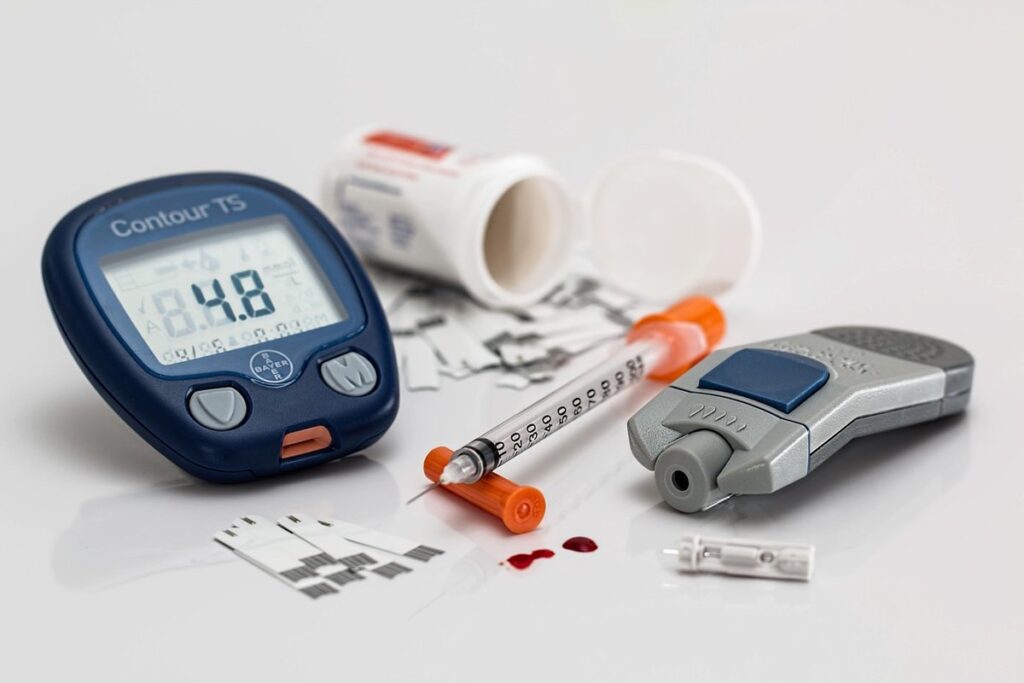
Diabetes, for instance, affects nearly 25% of adults aged 65 and older, causing insulin resistance and blood sugar imbalances that can lead to complications like kidney damage and vision loss. Seniors with diabetes must adhere to strict dietary habits and regular exercise routines to maintain stable blood glucose levels.
Heart disease is another prevalent condition among seniors, characterized by narrowed or blocked arteries that increase the risk of heart attacks and strokes. Factors contributing to its development include high blood pressure, high cholesterol, and family history. Regular check-ups with a healthcare provider can help identify potential risks and prevent cardiovascular events.
Arthritis affects over 50% of seniors, causing joint pain and stiffness that can significantly impair mobility and daily functioning. While there is no cure for arthritis, medications like NSAIDs and corticosteroids can alleviate symptoms, as well as physical therapy to maintain range of motion.
Alzheimer’s disease is the most common form of dementia, affecting over 5 million seniors worldwide. Cognitive decline can be slowed with early detection and intervention through lifestyle modifications such as regular exercise, social engagement, and cognitive stimulation.
Factors Contributing to Chronic Disease Development
Genetics play a significant role in chronic disease development, with certain conditions having a strong familial link. For instance, individuals with a family history of diabetes are more likely to develop the condition themselves. However, genetics is not the sole contributing factor – lifestyle choices and environmental influences also come into play.
Poor diet and lack of physical activity can significantly increase the risk of chronic diseases such as heart disease, stroke, and certain cancers. Consuming high amounts of processed meat, sugar, and saturated fats can lead to inflammation and oxidative stress, which can damage cells and contribute to disease development. Additionally, a sedentary lifestyle can impair insulin sensitivity and glucose metabolism.
Environmental factors like exposure to pollution, smoking, and secondhand smoke also pose significant risks. For example, air pollution has been linked to an increased risk of cardiovascular disease and respiratory conditions like chronic obstructive pulmonary disease (COPD). Furthermore, social determinants such as socioeconomic status, education level, and access to healthcare can also impact disease development and management.
Assessing Health Needs and Goals
To effectively manage chronic diseases, it’s essential to understand your health needs and goals, taking into account any existing conditions and medical history. This involves a thorough self-assessment of current physical abilities.
Identifying Senior Care Priorities
Identifying senior care priorities is a crucial step in creating an effective plan for managing chronic disease. Start by considering the individual’s specific needs and goals. What are their primary concerns? Are they struggling with mobility, memory loss, or managing multiple medications? Make a list of these concerns to help clarify priorities.
Next, evaluate the impact of each concern on daily life. For example, if difficulty walking is a major issue, consider how it affects independence, social interactions, and overall well-being. This will help prioritize tasks and allocate resources accordingly.
It’s essential to involve family members or caregivers in this process, as they often have valuable insights into the individual’s needs and preferences. Encourage open communication about what matters most – managing symptoms, maintaining independence, or improving quality of life.
Consider creating a “priority matrix” with two axes: importance and urgency. Plot each concern on the matrix to visualize priorities and make informed decisions about where to focus efforts. By doing so, you’ll create a clear plan for addressing chronic disease management needs and goals.
Setting Realistic Health Expectations
When setting health expectations for seniors with chronic diseases, it’s essential to consider their individual needs and goals. A realistic approach acknowledges that progress may be gradual and requires patience and flexibility. For instance, a senior with diabetes may aim to reduce their HbA1c levels by 2% within the next six months, rather than striving for an unrealistic target. This approach also takes into account potential setbacks, such as hospitalizations or medication changes.
To develop a tailored treatment plan, consider the following steps:
- Assess current health status, including any comorbidities and medications.
- Identify specific goals, such as managing symptoms or improving functional ability.
- Prioritize objectives based on importance and feasibility.
- Regularly review progress with healthcare providers to adjust strategies as needed.
By setting realistic expectations and working collaboratively with healthcare teams, seniors can develop effective management plans that prioritize their unique needs and promote better overall health outcomes. This approach also encourages open communication between caregivers and loved ones, ensuring everyone is aligned with the senior’s treatment goals.
Lifestyle Changes for Better Management
Making healthy lifestyle changes can have a significant impact on managing chronic conditions, and we’ll explore some practical tips to get you started. From diet to exercise, these small adjustments can add up to make a big difference in your overall well-being.
Dietary Adjustments for Chronic Disease Management
When managing chronic diseases, dietary adjustments can significantly impact symptoms and overall health. A well-planned diet helps regulate blood sugar levels, manage cholesterol, and support healthy weight. For seniors with diabetes, for example, a balanced meal plan that emphasizes complex carbohydrates, fiber-rich fruits, and lean protein sources is crucial.
Incorporating omega-3 fatty acids from fish like salmon or sardines can help reduce inflammation associated with conditions like arthritis. Antioxidant-rich foods such as berries, leafy greens, and other vegetables also play a vital role in reducing oxidative stress and promoting overall health.
Meal planning for seniors can be simplified by focusing on the Mediterranean diet, which emphasizes whole grains, legumes, and healthy fats. This dietary approach has been shown to lower the risk of chronic diseases, including heart disease and certain cancers.
When selecting supplements, it’s essential to consult with a healthcare provider or registered dietitian to ensure they won’t interact with prescription medications or exacerbate existing conditions. Common supplements for seniors include vitamin D for bone health and omega-3 fatty acids for inflammation management.
Exercise Strategies for Seniors with Chronic Conditions
For seniors with chronic conditions, low-impact exercises are often a good starting point. These types of exercises put less stress on joints and muscles, making them more manageable for individuals with mobility or pain issues. Activities like swimming, cycling, or using an elliptical machine are effective low-impact options.
Physical therapy can also play a crucial role in exercise strategies for seniors with chronic conditions. A physical therapist can help develop a personalized exercise plan that addresses specific needs and limitations. They may use techniques such as stretching, strengthening, or balance training to improve overall mobility and reduce fall risk.
When selecting exercises, consider the senior’s medical history and any relevant health concerns. For example, someone with heart disease may benefit from aerobic exercises like walking or cycling, while a senior with osteoporosis might focus on strengthening core muscles through activities like yoga or Pilates.
In addition to low-impact exercises and physical therapy, other options include chair yoga, tai chi, or balance training classes. These types of programs can be modified to accommodate individual needs and are often designed specifically for seniors with chronic conditions. It’s essential to consult a healthcare professional before starting any new exercise program. They can help determine the best approach based on the senior’s unique health status and goals.
Medication Management and Adherence
Taking multiple medications can be overwhelming, so it’s essential to understand how to manage your prescription medications effectively. This means getting into a routine that works for you.
Understanding Prescription Medications and Their Side Effects
When taking prescription medications to manage chronic diseases, it’s essential to understand how they work and their potential side effects. This knowledge can help you identify potential issues before they become severe and prevent interactions with other medications or health conditions.
Prescription medications are carefully crafted to target specific symptoms or disease processes. However, each medication has its unique set of side effects, which can vary from person to person. For instance, statins used to lower cholesterol levels may cause muscle pain in some individuals but not others.
To better understand your prescription medications, keep a list of the names and dosages of all medications you’re taking, including over-the-counter drugs and supplements. Share this information with your healthcare provider at each appointment so they can monitor potential interactions or side effects.
Some common side effects to be aware of include dizziness, fatigue, nausea, or changes in blood pressure. If you experience any concerning symptoms, inform your healthcare provider promptly. They may need to adjust your medication regimen or recommend alternative treatments.
Common side effects should not be confused with allergic reactions or other serious issues that require immediate medical attention.
Strategies for Improving Medication Adherence in Seniors
Implementing a reminder system can be an effective way to improve medication adherence. This can take many forms, including setting alarms on a phone or watch, placing sticky notes in strategic locations, or even enlisting the help of a caregiver to remind seniors when it’s time to take their medications. Another useful tool is a pill box, which allows seniors to organize and track their medications for the week ahead. These boxes often come with compartments labeled by day of the week, helping to ensure that each medication is taken at the correct time.
For those who prefer digital solutions, medication management apps can provide a convenient and customizable way to keep track of prescriptions. Many popular apps also offer features such as reminders, medication tracking, and refill notifications sent directly to healthcare providers or pharmacies. Some examples include Medisafe, MyMedSchedule, and Pillboxie, each with its own set of unique features and user-friendly interfaces. By implementing one or more of these strategies, seniors can take a proactive approach to managing their medications and improving adherence rates.
Home Safety and Environmental Modifications
Making your home a safe and supportive environment is crucial for managing chronic diseases as a senior, so let’s start by addressing potential hazards at home. Simple modifications can make a big difference in daily life.
Creating a Safe Home Environment for Senior Caregivers
A cluttered living space can increase the risk of falls and injuries, particularly among senior caregivers who may have mobility limitations or chronic conditions. Clear out tripping hazards such as throw rugs, electrical cords, and scatter mats. Consider installing grab bars in strategic locations like near toilets, showers, and stairs.
Rearrange furniture to create a clear path through each room, allowing for easy navigation with a walker or cane. Lowering the height of countertops, sinks, and stoves can also reduce strain on caregivers who may have limited mobility. In the bathroom, install lever handles instead of traditional door knobs and consider a walk-in shower or bathtub.
Remove any heavy objects from high shelves or storage units to prevent accidental falls while reaching for items. Secure any loose rugs with double-sided tape to prevent slipping and tripping. Consider installing non-slip mats in entryways, bathtubs, and showers to provide extra traction. By making these simple modifications, senior caregivers can create a safer living environment that reduces the risk of accidents and promotes overall well-being.
Environmental Adaptations for Better Health Outcomes
Proper lighting is essential for seniors with chronic conditions. Brighter environments can reduce eye strain, improve visibility, and enhance overall mood. Consider replacing traditional light bulbs with energy-efficient LED options or installing brighter ceiling fixtures. In addition to increased light output, the color temperature of light sources also matters. Warm white light (2700K-3000K) promotes relaxation, while cool white light (3500K-5000K) boosts alertness and focus.
Maintaining a comfortable temperature range is another critical environmental adaptation for seniors with chronic diseases. Most adults between 65 and 74 years old prefer temperatures between 68°F and 72°F. Aim to keep indoor spaces within this range, especially during the winter months when cold stress can exacerbate conditions like heart disease and asthma.
Finally, air quality plays a crucial role in supporting overall health. Indoor pollutants such as particulate matter, nitrogen dioxide, and volatile organic compounds (VOCs) can trigger respiratory issues, cardiovascular problems, and other complications. Ensure adequate ventilation by opening windows, using exhaust fans, or installing HEPA air purifiers to minimize exposure to these pollutants.
Community Resources and Support
For many seniors living with chronic diseases, access to community resources can make all the difference in managing their health. We’ll explore some valuable options here.
Accessing Local Senior Services and Support Groups
Accessing local senior services and support groups is a crucial step in managing chronic diseases effectively. These resources provide guidance, emotional support, and practical assistance to both seniors and their caregivers. Many communities have organizations that cater specifically to seniors with chronic conditions, offering programs such as nutrition counseling, exercise classes, and stress management workshops.
To find these services, start by contacting your local Area Agency on Aging (AAA) or senior center. They can provide information on available programs, resources, and support groups in your area. You can also search online for organizations that specialize in serving seniors with chronic diseases, such as the American Heart Association’s “Life’s Simple 7” program.
When reaching out to these services, be sure to ask about their eligibility criteria, cost, and availability of transportation or other accommodations you may need. Some services may also offer home-based programs, allowing seniors to receive support in the comfort of their own homes.
In addition to formal organizations, don’t underestimate the power of informal support groups. Reach out to family members, friends, or neighbors who may be experiencing similar challenges with chronic disease management. Sharing experiences and advice can be a great way to build connections and find new coping strategies.
Building a Caregiving Network for Seniors with Chronic Diseases
Building a caregiving network is essential to ensure comprehensive care for seniors with chronic diseases. This network can consist of friends, family members, healthcare professionals, and other support groups. When building this network, start by identifying the senior’s healthcare needs and goals. Consider their specific chronic disease and any related complications.
Involve the senior in the process as much as possible to ensure they feel comfortable and in control. Ask them about their preferences for communication, decision-making, and care delivery. Create a list of trusted individuals who can provide emotional support, practical help, and advocacy services.
A caregiving network may also include professionals such as geriatric care managers, home health aides, or social workers. These individuals can provide expert guidance on navigating the healthcare system, accessing community resources, and finding respite care when needed. To maintain effective communication within the network, establish a clear plan for sharing information about the senior’s condition, treatment plans, and any changes in their status.
For example, consider implementing a shared online calendar or using a caregiving app to keep everyone informed. By building a comprehensive caregiving network, seniors with chronic diseases can receive the support they need to manage their health and maintain independence.
Frequently Asked Questions
What if my senior loved one has multiple chronic conditions – how can I prioritize their care?
When managing multiple chronic conditions, it’s essential to prioritize your loved one’s care based on the severity of each condition and its impact on daily life. Consider using a “traffic light” system to categorize conditions as red (urgent), yellow (priority), or green (manageable). Focus on addressing the most critical needs first.
How can I ensure my senior is taking their medications correctly – especially if they have trouble remembering?
Yes, medication adherence is crucial in chronic disease management. To promote correct medication use, consider implementing a pill box system, setting reminders, and using a medication management app that sends alerts and tracks progress.
What are some low-cost modifications we can make to our home to prevent falls and injuries?
Low-cost home safety modifications include installing handrails, securing rugs with double-sided tape, improving lighting, and removing tripping hazards. These simple changes can significantly reduce the risk of falls and injuries in seniors with chronic conditions.
Can I still exercise if my senior has mobility issues – what are some gentle exercises we can do together?
Yes, many exercise strategies are adaptable for seniors with mobility issues. Consider low-impact activities like chair yoga, tai chi, or short walks (with assistance). These gentle exercises can improve flexibility and strength without exacerbating existing conditions.
What if my senior’s healthcare provider recommends a medication that has potential side effects – how do I advocate for their needs?
When faced with concerns about medication side effects, communicate openly with your loved one’s healthcare provider. Ask questions like “What are the potential risks associated with this medication?” and “Are there alternative options available?” Advocate for your senior’s needs by expressing concerns and seeking second opinions if necessary.