
Living with Chronic Obstructive Pulmonary Disease (COPD) can be challenging, especially as we age. As people get older, their lungs naturally lose some elasticity and capacity, making breathing exercises even more crucial for maintaining lung function. You may have noticed that simple tasks like walking or even speaking start to feel exhausting due to COPD symptoms such as shortness of breath. Fortunately, there are effective breathing exercises and lifestyle changes that can help improve your overall well-being and manage these symptoms.
These exercises can be tailored to suit seniors’ specific needs, taking into account any physical limitations or health concerns. In this article, you’ll learn about simple yet powerful techniques to enhance lung function, reduce fatigue, and boost quality of life. By the end of it, you’ll have a better understanding of how breathing exercises and lifestyle adjustments can help manage COPD symptoms, allowing you to maintain your independence and enjoy daily activities with more ease.
Understanding COPD and Its Impact on Breathing
COPD affects millions of seniors worldwide, causing shortness of breath that can significantly impact daily life. Let’s take a closer look at how this condition impacts breathing.
What is COPD?
COPD is a progressive lung disease characterized by chronic inflammation and damage to the airways. This inflammation causes the airways to narrow and thicken, making it difficult for air to flow in and out of the lungs. As a result, people with COPD often experience shortness of breath, wheezing, and coughing.
The symptoms of COPD can vary from person to person, but common signs include difficulty breathing during physical activity, needing to take more breaks than usual, and feeling winded even after light activities like walking or bathing. Some individuals may also experience mucus production, chest tightness, or a persistent cough that produces yellow or green mucus.
COPD affects breathing in several ways. It reduces the lungs’ ability to expand and contract properly, making it harder to take deep breaths. The damaged airways also cause air to become trapped in the lungs, leading to feelings of congestion and shortness of breath. As COPD progresses, these symptoms can worsen, limiting daily activities and impacting overall quality of life. Understanding the basics of COPD is essential for developing effective breathing exercises and making lifestyle changes that promote better lung health.
Prevalence and Risk Factors in Seniors
COPD is a significant concern among seniors, with a substantial portion of the population affected by the condition. According to statistics, over 50% of adults aged 65 and older have some degree of airflow limitation, which can be attributed to various risk factors.
Smoking is one of the most critical risk factors for developing COPD in seniors. Chronic exposure to cigarette smoke damages lung tissue, making it difficult to breathe even with minimal physical exertion. Even those who smoked decades ago are still at risk of experiencing respiratory problems later in life.
Air pollution is another significant risk factor that affects seniors living in urban areas or regions with poor air quality. Exposure to pollutants such as particulate matter, nitrogen dioxide, and ozone can irritate the lungs and exacerbate existing COPD symptoms.
Genetic predisposition also plays a role in the development of COPD among seniors. Individuals with a family history of lung disease are more likely to experience respiratory problems later in life.
Breathing Exercises for COPD Management
COPD management requires a combination of breathing techniques and exercises that help slow down breathing rates. We’ll walk you through some simple yet effective methods to manage your symptoms effectively.
Diaphragmatic Breathing Techniques
To perform diaphragmatic breathing exercises effectively, it’s essential to engage your diaphragm, which separates your chest and abdominal cavities. When you inhale, your diaphragm should drop, allowing your lungs to fill with air. To practice this technique, sit or stand comfortably with your back straight. Place one hand on your belly and the other on your chest.
As you inhale through your nose, allow your belly to rise as your diaphragm descends. Your chest should not move; if it does, it may indicate shallow breathing. Exhale slowly through your mouth, allowing your diaphragm to return to its original position. Repeat this process several times, focusing on the sensation of your belly expanding with each inhale.
Tips for practice: start with short sessions (5-10 minutes) and gradually increase as you become more comfortable with the technique. Practice regularly to improve lung capacity and reduce shortness of breath. Avoid rushing through exercises; instead, focus on slow, deliberate movements.
Pursed Lip Breathing
Pursed lip breathing is a simple yet effective technique for managing COPD symptoms. It involves exhaling slowly through pursed lips, as if blowing out candles on a birthday cake. To do it correctly, you should breathe in normally through your nose and then exhale slowly through pursed lips, taking about twice as long to exhale as you inhale. This technique helps slow down the exhalation rate, which is often rapid in people with COPD.
The benefits of pursed lip breathing are numerous. It can help reduce shortness of breath, improve lung function, and decrease the work of breathing. By slowing down the exhalation rate, you’re able to take more time to exhale air from your lungs, making it easier to breathe. Additionally, pursed lip breathing helps increase oxygen levels in the blood and reduces carbon dioxide levels.
To incorporate pursed lip breathing into your daily routine, start by practicing it during activities that make you short of breath, such as walking or climbing stairs. As you become more comfortable with the technique, try doing it while sitting or lying down. Aim to practice pursed lip breathing for 10-15 minutes at a time, ideally several times a day.
Additional Exercises for Seniors with COPD
If you’re a senior living with COPD, it’s essential to incorporate additional exercises into your daily routine to improve lung function and overall well-being naturally. These exercises will focus on strengthening specific muscle groups in the chest and back.
Yoga and Tai Chi for Breath Control
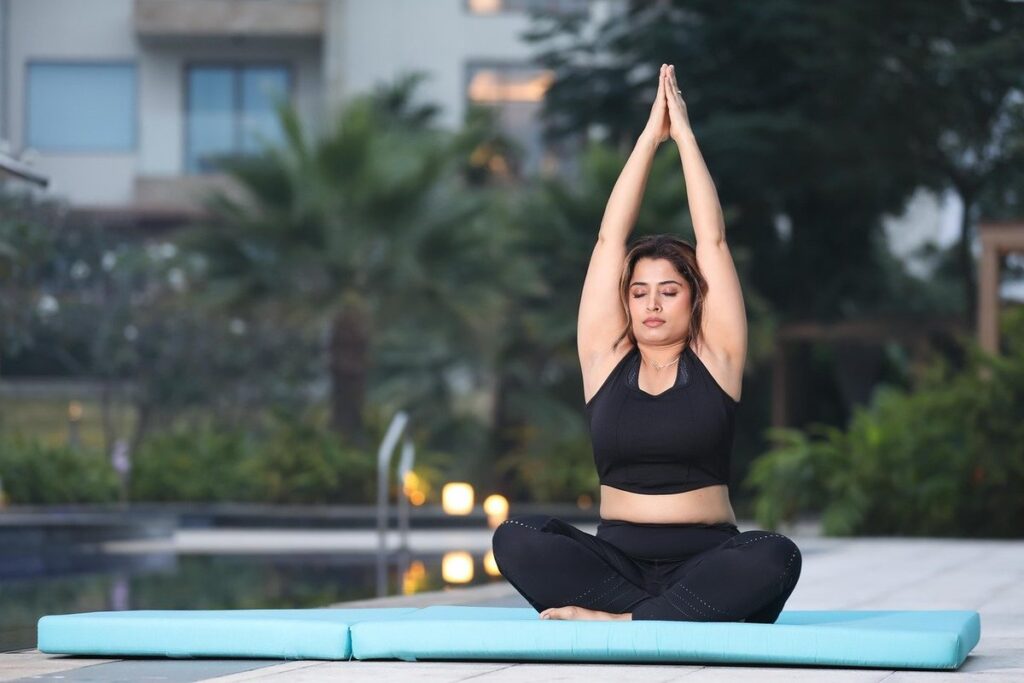
Yoga and tai chi exercises can be tailored to improve breath control in seniors with COPD. These practices combine gentle movements with deep breathing techniques, which can help slow down breathing rates and increase oxygen intake. In yoga, specific poses like “Bhastrika” or “Bellows Breath” are designed to engage the diaphragm and promote efficient breathing. For example, practicing Bhastrika involves rapid and shallow inhalations through the nose followed by brief pauses, then exhalations through pursed lips.
Tai chi, a slow and meditative exercise, also focuses on controlled breathing patterns. Its “Grasping the Sparrow’s Tail” movement encourages deep inhales and exhales while maintaining good posture. This can help strengthen respiratory muscles and improve lung function over time. Regular practice of these exercises may lead to improved breath control, reduced shortness of breath, and enhanced overall well-being for seniors with COPD.
To incorporate yoga or tai chi into your daily routine, consider finding a class specifically designed for seniors with COPD. Many community centers or hospitals offer such classes, which can provide a supportive environment to learn and practice these exercises safely under the guidance of an experienced instructor.
Chest Expansion and Shoulder Rolls
Performing chest expansion and shoulder rolls can be an effective way to loosen tight muscles and improve breathing. To begin, stand or sit with your back straight, then place your hands behind you on a chair or wall for support if needed.
Slowly lift your arms out to the sides until they are at a 45-degree angle from your body. Hold for a few seconds, feeling the stretch in your chest and shoulders. Release slowly, repeating the motion several times.
Next, roll your shoulders forward and backward in a circular motion. Repeat this motion several times, focusing on releasing tension in your upper back and shoulders. You can also try rolling your shoulders while seated or lying down to make it more comfortable.
It’s essential to focus on controlled, smooth movements when performing chest expansion and shoulder rolls. Avoid jerky or bouncy motions, as these can cause discomfort or even exacerbate breathing difficulties. Practice regularly to help loosen tight muscles and improve lung capacity over time.
Home-Based Exercises for Improved Breathing
As a senior living with COPD, you’re likely looking for exercises that can be done from the comfort of your own home to help improve your breathing. This section focuses on simple yet effective home-based routines.
Rhythmic Breathing Techniques
Rhythmic breathing techniques involve synchronizing your breath with a rhythmic stimulus, such as music or a metronome. This can help slow down your breathing and promote relaxation. You can find various music pieces specifically designed for deep breathing exercises online or through apps like Calm or Insight Timer.
One popular example is “Rainy Mood,” an app that offers calming rain sounds to match your breath. Simply inhale on the beat and exhale between beats. Another option is to use a metronome app, setting it to a slow tempo (around 4-6 beats per minute). This will help you establish a consistent breathing rhythm.
To incorporate rhythmic breathing into your daily routine, try practicing for 5-10 minutes at a time. You can also experiment with different music genres or sounds to find what works best for you. Some people prefer classical music, while others enjoy nature sounds like ocean waves or thunderstorms.
Box Breathing Exercise
To perform the box breathing exercise, start by finding a comfortable seated position with your back straight. Place one hand on your belly and the other on your chest to ensure you’re breathing deeply into your diaphragm. Inhale for a count of four, filling your lungs completely through your nose. Your hand on your belly should rise as your diaphragm descends.
Next, hold your breath for a count of four. Then, exhale slowly through pursed lips for another count of four. As you exhale, allow your diaphragm to rise and your belly hand to fall. Finally, hold your breath again for a count of four before inhaling once more.
This pattern creates a “box” shape with your breath: inhalation (up), holding (level), exhalation (down), and holding (level) again. Repeat this cycle several times until you feel your breathing slow down and become more controlled. To make the exercise more engaging, try visualizing each side of the box as you breathe in and out. For example, imagine a wall rising as you inhale, staying level during the hold, descending as you exhale, and remaining steady again before inhaling once more.
Lifestyle Changes for COPD Management
To effectively manage COPD, making healthy lifestyle changes is crucial, and these adjustments can greatly impact your daily life and overall well-being. Let’s look at some practical tips to get you started.
Quitting Smoking and Avoiding Triggers
Quitting smoking and avoiding other triggers is essential to managing COPD symptoms. Smoking is a major contributor to COPD development and exacerbation, causing inflammation and damage to lung tissue. The good news is that quitting smoking can significantly improve lung function and overall health.
Many resources are available to support smokers in their quit journey. Nicotine replacement therapy (NRT) and prescription medications like bupropion or varenicline can help manage withdrawal symptoms and cravings. Counseling, either one-on-one or group sessions, can also provide valuable guidance and encouragement. For example, the National Quitline provides free resources and support to smokers trying to quit.
In addition to quitting smoking, it’s crucial to identify and avoid other triggers that exacerbate COPD symptoms. Common triggers include exposure to pollutants like dust, smoke, and chemicals, as well as strong emotions like stress or anxiety. Keeping a trigger journal can help you track your symptoms and identify patterns. By avoiding these triggers and staying committed to quitting smoking, individuals with COPD can take significant steps towards better managing their condition.
For those who struggle to quit on their own, support groups like the American Lung Association’s Freedom From Smoking program offer a structured approach to quitting smoking. This comprehensive program includes group sessions, counseling, and education on nicotine addiction and relapse prevention.
Nutrition and Hydration for Better Breathing
Eating a balanced diet rich in fruits, vegetables, whole grains, and lean proteins is essential for maintaining good lung function. A healthy diet can also reduce inflammation and improve overall cardiovascular health. For seniors with COPD, it’s particularly important to focus on foods high in antioxidants, such as berries, leafy greens, and other plant-based foods.
Staying hydrated is equally crucial. Aim to drink at least eight glasses of water per day, and avoid sugary drinks that can dehydrate the body. Encourage seniors to limit their sodium intake, as excessive salt can exacerbate COPD symptoms. Additionally, recommend they cook meals using herbs and spices for flavor instead of relying on salt.
Incorporating healthy fats like omega-3 fatty acids found in salmon or walnuts into their diet may also provide benefits. These anti-inflammatory properties can help reduce swelling in the airways, making breathing easier. Encourage seniors to eat smaller, more frequent meals throughout the day rather than three large meals to reduce strain on the lungs.
Aim for at least 5 servings of fruits and vegetables daily and consult with a healthcare professional or registered dietitian for personalized nutrition advice.
Conclusion: Taking Control of COPD with Breathing Exercises
Now that you’ve learned various breathing exercises for managing COPD, it’s time to put them into practice and see lasting results. This section will help you integrate these techniques into your daily routine.
Recap of Key Takeaways
To effectively manage COPD with breathing exercises, it’s essential to remember the key takeaways from this comprehensive guide. First and foremost, diaphragmatic breathing techniques can significantly improve lung function by engaging the diaphragm and increasing oxygen intake. Pursed lip breathing is another crucial technique that slows down exhalation and prevents airway collapse.
In addition to these exercises, incorporating yoga and tai chi practices into your routine can help control breathing patterns. Chest expansion and shoulder rolls are also beneficial in loosening tight muscles and improving lung capacity. For home-based exercises, try rhythmic breathing techniques or the box breathing exercise to develop a consistent breathing rhythm.
Lifestyle changes play a vital role in COPD management. Quitting smoking is a critical step in reducing symptoms and slowing disease progression. Avoiding environmental triggers such as pollution, dust, and strong odors can also help alleviate respiratory issues. Proper nutrition and hydration are equally important, with a balanced diet rich in fruits, vegetables, and whole grains supporting overall health.
By implementing these exercises and lifestyle changes, seniors with COPD can take control of their condition and improve their quality of life.
Encouragement for Seniors to Try New Techniques
As you’ve learned about various breathing exercises and techniques to manage COPD symptoms, it’s essential to remember that trying new approaches can be a crucial step towards taking control of your condition. It may seem daunting at first, but being proactive about managing your symptoms is key to maintaining your quality of life.
Some seniors might worry that they’re too old or too frail to try new techniques, but the truth is that it’s never too late to start making positive changes. In fact, many people with COPD have found significant improvements in their breathing and overall health after incorporating breathing exercises into their daily routine.
To get started, begin by trying one new technique each week. For example, you might start with diaphragmatic breathing on Monday, then try pursed lip breathing on Wednesday. As you become more comfortable with these techniques, you can gradually incorporate more complex exercises or variations. Remember to be patient and kind to yourself as you explore what works best for your body.
By being open-minded and willing to adapt, you’ll not only improve your breathing but also gain a sense of confidence and control over your condition.
Frequently Asked Questions
How Often Should I Practice Breathing Exercises for Maximum Benefits?
You should practice breathing exercises regularly to see maximum benefits, ideally 2-3 times a day. Consistency is key in improving lung function and managing COPD symptoms.
Can I Use Breathing Exercises as a Replacement for Medical Treatment?
No, breathing exercises are not a replacement for medical treatment. They are meant to be used in conjunction with your existing treatment plan to manage symptoms and improve quality of life. Always consult with your healthcare provider before making any changes to your treatment plan.
How Do I Know Which Breathing Exercises Are Best for Me?
The best breathing exercises for you will depend on your individual needs and health status. It’s a good idea to work with a healthcare professional or respiratory therapist to determine which exercises are safe and effective for you. They can also help you modify exercises to accommodate any physical limitations.
What If I Experience Shortness of Breath During Exercise? Should I Stop?
Yes, if you experience shortness of breath during exercise, it’s essential to stop immediately and rest. This is a common symptom of COPD, and stopping the exercise will allow your body to recover. You can resume exercising once you feel comfortable breathing again.
Can Breathing Exercises Help Me Manage Flare-Ups?
Yes, breathing exercises can help manage flare-ups by reducing stress and improving lung function. During a flare-up, focus on using diaphragmatic breathing techniques and pursed lip breathing to help control your symptoms and recover more quickly.