
Many seniors face challenges as they age, but one way to stay engaged and healthy is through crafting and participating in various activities. Not only can these pursuits improve cognitive function by challenging the mind, but they also provide opportunities for social connections with others who share similar interests. Regular physical activity, often required when engaging in crafts or hobbies, can also have a positive impact on overall health. However, it’s not always easy to know where to start or how to incorporate these activities into daily life. That’s why we’ve put together this guide, which will explore local resources available for seniors and provide tips on adapting activities to meet individual needs. By the end of this article, you’ll have a better understanding of how crafting and participating in various activities can benefit your physical and mental well-being, and be ready to get started with confidence.
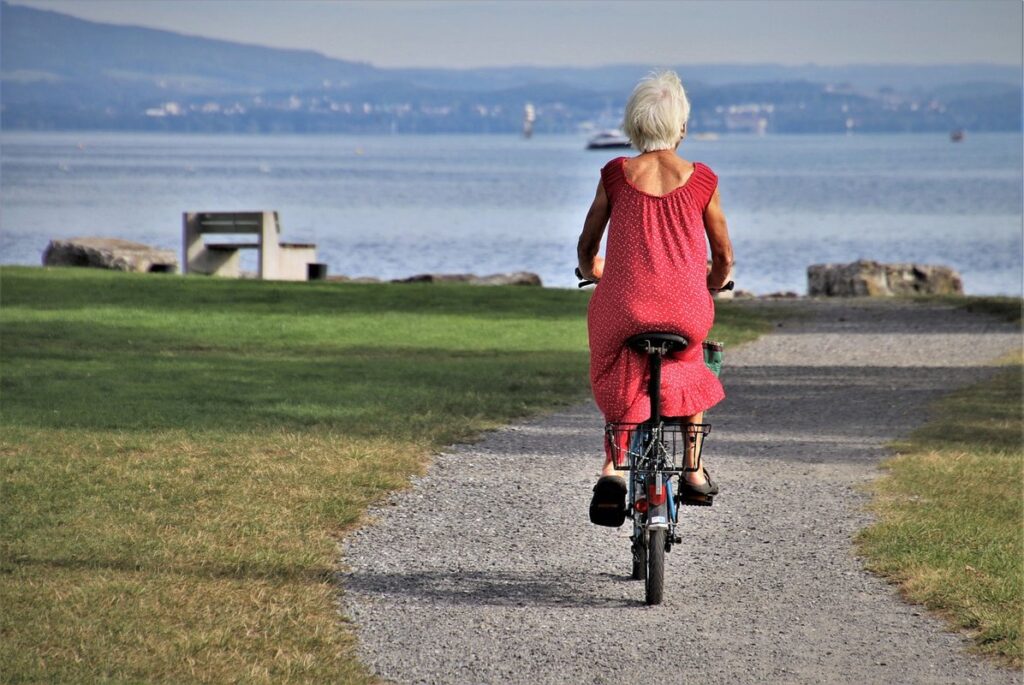
Benefits of Crafting and Activity Participation
Engaging in crafts and activities can bring numerous benefits to seniors, from improved mental health to enhanced social connections. We’ll explore these advantages in more detail below.
Improved Cognitive Function
Engaging in crafts and activities has been shown to have a profound impact on cognitive function in seniors. Research suggests that these activities can improve memory by strengthening neural connections and promoting neuroplasticity, allowing the brain to adapt and change throughout life. For example, studies have found that adults who participate in creative pursuits such as painting or drawing exhibit improved memory performance compared to those who do not engage in similar activities.
Similarly, problem-solving skills are enhanced through crafting and activity participation. Activities like puzzles, brain teasers, and strategy games challenge the mind and promote cognitive reserve, which can protect against age-related cognitive decline. Additionally, many crafts require planning, organization, and attention to detail, all of which help build concentration and mental stamina.
Incorporating a variety of activities into your daily routine is key to experiencing these benefits. For instance, consider combining physical exercise with mentally stimulating activities like dance classes or language lessons. By doing so, you can create a comprehensive program that addresses both physical and cognitive needs, promoting overall well-being in older adulthood.
Social Connection and Community Building
Participating in crafts and activities is a powerful way for seniors to connect with others and build a sense of community. When we engage in creative pursuits or physical activities with others, we break down social barriers and create opportunities for meaningful interactions. For example, joining a painting class or book club can provide a chance to meet new people who share similar interests.
As we age, it’s common to experience feelings of loneliness or isolation. However, research suggests that engaging in group activities can help alleviate these feelings by providing a sense of belonging and connection with others. This is especially important for seniors living alone or without family members nearby.
To reap the benefits of social connection through crafting and activities, consider joining a local senior center or community group. Many organizations offer classes, workshops, or clubs focused on various hobbies and interests. Additionally, look for programs that encourage intergenerational interaction, such as art classes with students from local schools or volunteer opportunities to mentor younger individuals. By investing in social connections through crafting and activities, seniors can build a stronger sense of community and well-being.
Types of Crafts Suitable for Seniors
Whether you’re a seasoned crafter or just looking for something new, there are many types of crafts that can be tailored to suit seniors’ interests and skill levels. From painting to knitting, we’ll explore some fantastic options next.
Artistic Pursuits (Painting, Drawing, Sculpture)
Painting, drawing, and sculpture are excellent artistic pursuits for seniors. These mediums allow for self-expression, creativity, and experimentation with different techniques and materials. Many communities offer classes specifically designed for older adults, covering a range of skill levels from beginner to advanced.
When starting out, it’s essential to choose the right supplies. For painting, consider using watercolors or acrylics, as they are often easier on joints than oil paints. Watercolor paper is also a good option, as it can handle multiple layers and washes without buckling. Drawing supplies include pencils, charcoal, and pastels, which come in a range of hardness levels and textures.
One benefit of artistic pursuits during senior years is the opportunity for creative expression. This can be particularly fulfilling for individuals who may have put their artistic interests on hold due to work or family obligations. Many seniors find that engaging in art-making activities helps reduce stress, improve mood, and foster a sense of purpose.
Some popular techniques for seniors include still-life drawing, landscape painting, and sculpting simple forms like fruits or vegetables. These projects are often more accessible than realistic representations of people or complex compositions.
Crafting with Textiles (Knitting, Sewing, Quilting)
Textile crafts like knitting, sewing, and quilting offer a wonderful outlet for seniors to express their creativity. These activities require minimal equipment and can be adapted to accommodate physical limitations. For instance, larger needles or thicker yarns make knitting easier on the hands, while pre-cut fabric pieces simplify sewing projects.
When exploring textile crafts, consider the type of project that suits your skill level and interests. Knitting is great for creating warm clothing items like hats and scarves, while sewing allows for more complex garments like dresses and pants. Quilting is an excellent way to create home decor items like blankets and wall hangings.
To adapt these activities to physical limitations, start by simplifying the project scope or using assistive devices. For example, use a lap tray or magnifying glass to make pattern reading easier, or employ tools that minimize hand movement, such as a sewing machine with automatic threading. Many communities offer classes specifically designed for seniors, which can provide valuable guidance and support.
Some key considerations when choosing textile crafts include the type of fabric used, the size and complexity of the project, and any necessary specialized equipment or tools.
Activities That Promote Physical Health
Regular physical activity is essential for seniors, and engaging activities can help improve flexibility, balance, and overall health. We’ll explore fun ways to get moving and stay active through various exercises and routines.
Exercise and Movement Classes
Many seniors find exercise classes tailored to their needs and abilities an excellent way to stay physically active. These sessions typically take place in a group setting, allowing participants to socialize while improving their mobility. For instance, yoga can help maintain flexibility and balance, reducing the risk of falls. Tai chi, often taught as a low-impact martial art, emphasizes slow movements that promote balance and coordination.
Dance-based programs, such as line dancing or ballroom dance classes, offer an engaging way to stay active while having fun. These sessions also provide opportunities for socialization with peers who share similar interests. When selecting exercise classes, consider factors like pace, intensity, and available support. Many organizations that offer these classes cater specifically to seniors, taking into account common health concerns such as joint mobility and balance.
Some popular options include chair yoga, where participants use a chair for support during exercises, and aquatic-based programs that take advantage of the buoyancy water provides. It’s essential to consult with a healthcare professional before starting any new exercise regimen to ensure it aligns with individual physical limitations. By incorporating exercise classes into their routine, seniors can improve their overall health while enjoying social interactions in a supportive environment.
Outdoor Activities (Gardening, Walking Clubs)
Getting seniors outdoors can be a challenge, but it’s essential for maintaining physical health. Gardening is an excellent way to stay active while enjoying nature. Start by choosing low-maintenance plants like succulents or herbs that don’t require extensive tending. Consider using raised beds or containers to reduce strain on joints.
For those who prefer group activities, walking clubs are a great option. Many communities have existing walking groups, but you can also start your own with friends or neighbors. Schedule regular walks (typically 30-60 minutes) at a local park or trail, and consider inviting a physical therapist or health coach to provide guidance on proper form.
Outdoor sports like bocce ball, golf, and table tennis are also suitable for seniors. These activities promote social interaction while providing light exercise. Join a local recreational league or club to meet new people and stay engaged. If you’re concerned about accessibility, look for facilities with adaptive equipment or consider visiting parks with paved paths. Most importantly, find an activity that brings joy and encourages regular participation.
How to Get Started with Crafting and Activities
If you’re new to crafting, starting small is key – let’s begin with simple activities that can be adapted to your interests and abilities. This will help build confidence and make it easier to progress to more complex projects.
Finding Local Resources (Senior Centers, Community Groups)
When it comes to finding local resources for crafting and activities, senior centers, community groups, and retirement communities are often excellent starting points. These organizations typically offer a range of programs and classes designed specifically for seniors, including painting, drawing, knitting, and more.
To find these resources in your area, start by searching online for senior centers or community groups near you. Many cities also have dedicated websites or directories that list local organizations offering activities for seniors. Another option is to ask friends, family members, or neighbors who are already involved in similar activities for recommendations.
Some important things to consider when exploring these options include the types of classes and programs offered, as well as any transportation or accessibility accommodations provided. You may also want to check if the organization has experience working with seniors with specific needs or abilities.
When visiting a potential resource, observe what’s happening during classes or activities, talk to staff or instructors about their approach and philosophy, and ask questions about how they adapt their programs for participants with varying levels of ability or experience.
Tips for Adapting Activities to Physical Limitations
When adapting crafts and activities to physical limitations, consider wheelchair-accessible crafting spaces as a top priority. This may involve selecting venues with ramps or elevators, or using portable tables and chairs to create flexible workspaces. For mobility-impaired participants, modifications can be made to craft stations, such as installing raised platforms for standing crafts like painting or incorporating adaptive tools for tasks that require fine motor control.
Some examples of wheelchair-accessible crafting spaces include art studios with movable easels and adjustable seating, or community centers with folding tables and chairs that can be rearranged to accommodate different needs. When planning activities, consider the physical demands involved in each craft or project, and look for alternatives that are more low-impact or seated-friendly.
For instance, instead of requiring participants to kneel or stand for extended periods, a seated sewing class could use specialized machines with ergonomic design and easy-to-reach controls. Similarly, painting classes can be adapted by providing easels at comfortable standing heights or using large canvases mounted on walls to minimize stretching or straining. By prioritizing accessibility and flexibility in crafting spaces and activities, seniors with physical limitations can fully participate and enjoy the benefits of creative engagement.
Safety Considerations and Best Practices
When engaging seniors in crafts and activities, it’s essential to consider their physical limitations and safety needs, as well as establish guidelines for a enjoyable experience. This ensures everyone stays safe and has fun.
Preventing Injuries and Falls
When participating in crafts and activities, seniors are at risk of injury from falls, strains, and overexertion. To prevent these injuries, it’s essential to prioritize ergonomics and proper equipment use. For example, make sure workstations are at a comfortable height for standing or sitting, with tools and materials within easy reach. Avoid bending or stretching, which can lead to strains on the back and neck.
When handling materials like scissors, knives, or hot glue guns, always wear protective gear such as gloves and safety glasses. Regularly inspect equipment for damage or wear, and report any issues to instructors or facility staff.
A simple yet effective strategy is to “work in zones,” focusing on one area at a time rather than trying to juggle multiple tasks simultaneously. This reduces the risk of overexertion and minimizes the likelihood of accidents caused by fatigue.
Some crafts may require specialized equipment, such as kilns for ceramics or sewing machines for textiles. Ensure you’re familiar with the operation and safety features of these tools before using them.
Ensuring Accessibility and Inclusivity
Ensuring that crafting and activity spaces are accessible to all participants is crucial for promoting inclusivity and equity. This involves considering the needs of seniors with disabilities, such as mobility impairments, visual or hearing impairments, or cognitive conditions.
Best practices for creating accessible spaces include providing wheelchair ramps, wide doorways, and grab bars in key areas. Additionally, making digital materials and online resources available in alternative formats can help bridge the gap for seniors who may struggle with print-based instructions or lack access to physical facilities.
When adapting activities to accommodate participants with disabilities, consider one-on-one instruction, adaptive tools, and flexible participation options. For example, a painting class might offer assistive devices such as ergonomic handles or specialized brushes to facilitate engagement from seniors with limited dexterity.
It’s also essential to provide communication support for non-English speakers or those who require assistance with understanding instructions. This can be achieved by offering translated materials or providing real-time interpretation services during activities. By prioritizing accessibility and inclusivity, crafting and activity spaces can become truly welcoming environments for all participants.
Conclusion
As we come to the end of our guide on crafts and activities for seniors, it’s essential to remember that staying engaged and active is a vital part of maintaining overall health and well-being. Engaging in creative pursuits and social interactions can help combat loneliness, improve cognitive function, and boost mood. To incorporate more activity into daily life, consider setting aside a specific time each day or week for crafting or participating in a hobby. This could be as simple as dedicating 30 minutes to drawing or painting, or scheduling regular visits with friends and family.
When selecting activities, prioritize those that bring joy and fulfillment. For example, if you’re an avid reader, consider joining a book club or volunteering at a local library. Alternatively, if you have a green thumb, explore gardening opportunities in your community. The key is to find activities that spark enthusiasm and keep the mind engaged.
By embracing creativity and social interaction, seniors can continue to live vibrant and fulfilling lives. Regular participation in crafts and activities can also provide an added sense of purpose and accomplishment, which is essential for maintaining mental health.
Frequently Asked Questions
What if I have a caregiver or family member who wants to participate in activities with me?
Yes, many programs and resources cater specifically to caregivers and family members. They may offer joint activities, support groups for caregivers, or even respite care services. Don’t hesitate to explore these options when searching for local resources.
How do I know which activity is best suited for my physical limitations?
Start by considering the types of crafts and activities that you enjoyed in the past or have always wanted to try. Then, consult with a healthcare professional or an activity leader to discuss any necessary modifications or accommodations. Many programs also offer assessments to determine the best fit for your abilities.
Can I adapt existing hobbies into crafting and activities suitable for seniors?
Absolutely! If you already enjoy painting, drawing, or playing music, consider exploring these activities in a senior-friendly setting. You can also try adapting your favorite pastimes to accommodate physical limitations, such as using assistive devices or modifying techniques.
What if the activity I want to participate in has a large age range? Will I feel out of place?
No, many programs actively encourage intergenerational participation and provide opportunities for connection across different age groups. In fact, this can be a great way to build social connections and learn from others. Don’t be afraid to ask about the demographics of a particular program or activity.
How do I ensure that the crafting and activities space is wheelchair accessible?
When researching local resources, look for organizations that explicitly state their commitment to accessibility. You can also contact them directly to inquire about wheelchair-accessible facilities, equipment, or accommodations. Some programs may even offer transportation services or assistive technology to support participation.