
When undergoing anesthesia for surgery, patients with dementia are at an increased risk of complications. These individuals often have difficulty communicating their concerns or needs to medical staff, which can lead to misunderstandings and poor outcomes. As our population ages and the prevalence of dementia rises, it’s essential to understand how this condition affects surgical outcomes. Anesthesia risks are just one aspect of the complex interplay between dementia and surgery. Patients with dementia may also face increased postoperative complications, such as delirium or falls, which can have lasting consequences for their health and well-being. By exploring these challenges and strategies for better care, you’ll gain a deeper understanding of how to support patients with dementia through the surgical experience, ultimately improving their safety and quality of life during recovery.
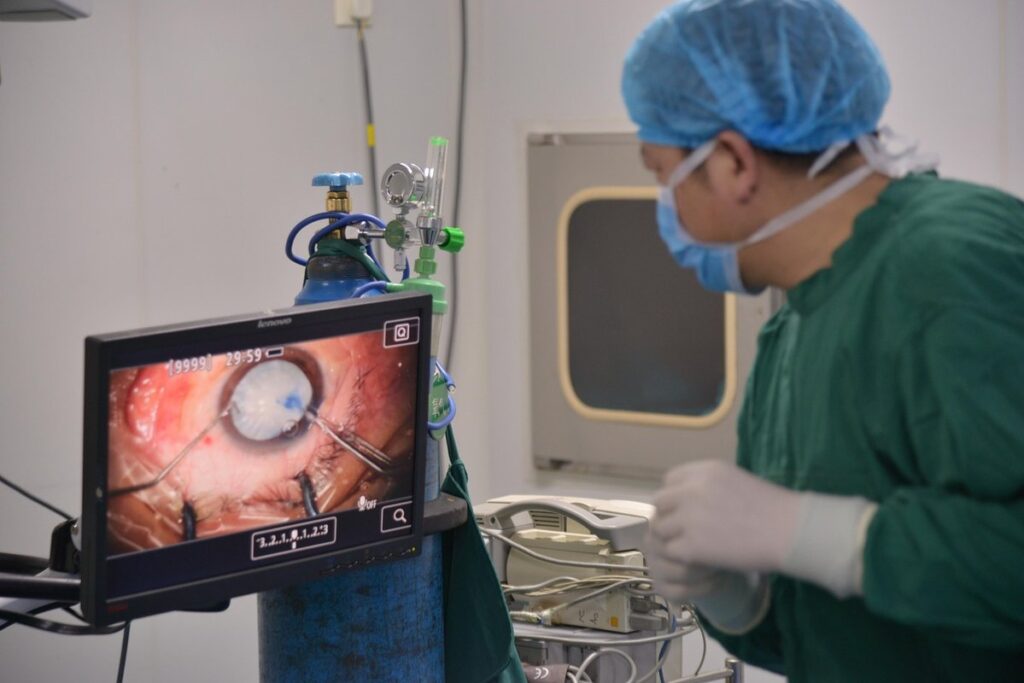
The Prevalence of Dementia and Surgical Procedures
Dementia is a growing concern among older adults, who are increasingly undergoing surgical procedures that require anesthesia. We’ll examine the prevalence of dementia in this population and its implications for surgery.
Demographics and Comorbidities in Patients with Dementia
Patients with dementia who undergo surgery tend to be older adults. Research indicates that a significant proportion of patients with dementia are aged 75 and above, with some studies suggesting that up to 70% of surgical patients have cognitive impairment. This demographic characteristic is crucial when considering anesthesia risks and management strategies.
Comorbid conditions are also prevalent among patients with dementia who undergo surgery. Common comorbidities include hypertension, diabetes, cardiovascular disease, and chronic obstructive pulmonary disease (COPD). These pre-existing medical conditions can increase the complexity of surgical procedures and anesthesia management.
For instance, patients with dementia may have difficulty tolerating certain anesthetics or may experience increased sensitivity to pain. This highlights the need for tailored anesthesia care plans that take into account each patient’s unique profile. Healthcare providers should be aware of these demographic characteristics and comorbid conditions when developing treatment strategies.
A comprehensive medical history and thorough assessment are essential in identifying potential risks and developing effective management plans. By acknowledging the interplay between dementia, age, and comorbidities, healthcare teams can better navigate anesthesia-related challenges and provide optimal care for patients undergoing surgery.
Common Types of Surgery Performed on Patients with Dementia
Patients with dementia often undergo a range of surgical procedures to manage chronic conditions or alleviate symptoms. One common type of surgery is hip replacement, which can be particularly challenging for individuals with dementia due to their cognitive and physical limitations. Abdominal surgeries, such as bowel resections or gastric bypasses, also pose unique risks in this population.
Cancer treatments are another area where patients with dementia may undergo surgery. Procedures like mastectomies or prostatectomies require careful consideration of the patient’s overall health and ability to tolerate anesthesia. In some cases, palliative care may be a more suitable option for patients with advanced dementia who are nearing the end of life.
The type of surgery performed can also impact the risk of postoperative complications in patients with dementia. For example, procedures that involve significant blood loss or require lengthy hospital stays may increase the likelihood of delirium or other cognitive decline. In these cases, anesthesiologists and surgeons must carefully weigh the benefits and risks of each procedure to ensure the patient receives the best possible care.
In general, a multidisciplinary approach is essential for managing surgical patients with dementia. This involves close collaboration between healthcare professionals from various specialties to develop a personalized treatment plan that addresses the patient’s unique needs and circumstances.
Anesthesia Risks in Patients with Dementia
For individuals with dementia, anesthesia poses unique risks that require careful consideration before surgery. We’ll examine these critical concerns and their implications for patient care in this section.
Cognitive Decline and Delirium
Cognitive decline and delirium are significant concerns when it comes to anesthesia risks in patients with dementia. Delirium is characterized by sudden changes in mental state, including confusion, disorientation, and fluctuations in level of consciousness. This condition can arise during or after surgery due to various factors such as medication, underlying medical conditions, or surgical complications.
Risk factors for delirium in this population include age, severity of dementia, and pre-existing cognitive impairment. For instance, patients with Alzheimer’s disease are more susceptible to anesthesia-related delirium compared to those with other types of dementia. Additionally, medications like benzodiazepines and opioids can exacerbate cognitive decline and increase the risk of delirium.
The potential consequences of anesthesia-induced delirium in patients with dementia can be severe. Delirium has been linked to increased mortality rates, prolonged hospital stays, and higher healthcare costs. Moreover, it may also lead to long-term cognitive decline and decreased quality of life for the patient. Therefore, healthcare providers must carefully weigh the risks and benefits of anesthesia in patients with dementia, considering their individual needs and medical history.
Postoperative Complications and Mortality Rates
Patients with dementia are at an increased risk of postoperative complications and mortality rates compared to those without cognitive impairment. Studies have consistently shown that patients with dementia experience higher rates of respiratory failure, pneumonia, and cardiac events following surgery. These complications can be attributed to the underlying cognitive decline and associated comorbidities, such as cardiovascular disease and malnutrition.
For example, a study published in the Journal of the American Medical Association found that patients with dementia had a significantly higher risk of postoperative delirium (35% vs 14%) and pneumonia (20% vs 8%) compared to those without dementia. Similarly, another study reported a mortality rate of 15% among patients with dementia undergoing surgery, compared to 5% in the non-dementia group.
The increased risk of complications is thought to be due to several factors, including impaired cognitive reserve, decreased ability to communicate symptoms, and altered physiological responses to anesthesia and surgery. Clinicians should be aware of these risks and take steps to mitigate them through careful preoperative evaluation, optimization of medical conditions, and close monitoring postoperatively.
The Impact of Dementia on Anesthesia Management
Dementia can significantly affect anesthesia management, making it crucial for anesthesiologists to consider these patients’ unique needs and challenges during surgery. Understanding these complexities is essential for ensuring a safe and successful procedure.
Challenges in Managing Pain and Sedation
Managing pain and sedation in patients with dementia poses significant challenges for healthcare providers. One major concern is over-sedation, which can lead to prolonged delirium, increased risk of falls, and even respiratory complications. However, under-treating pain can also be detrimental, as it may exacerbate agitation and aggression.
In many cases, patients with dementia have difficulty communicating their level of discomfort or pain, making it crucial for healthcare providers to closely monitor vital signs and behavioral cues. A common approach is to use a combination of pharmacological and non-pharmacological interventions, such as acetaminophen or NSAIDs for pain management, alongside non-invasive techniques like music therapy or aromatherapy.
The key is striking a balance between adequate analgesia and minimizing the risk of adverse effects. This requires careful consideration of each patient’s unique needs and medical history. A small minority of patients may require individualized anesthesia plans that take into account their specific dementia subtype and co-existing medical conditions.
Alternative Anesthesia Techniques and Strategies
Regional anesthesia, such as epidural or spinal blocks, can be a suitable alternative for patients with dementia. These techniques involve administering anesthetics to specific areas of the body, rather than general anesthesia that affects the entire body. This approach can reduce the risk of delirium and cognitive decline associated with general anesthesia.
Minimally invasive procedures also offer benefits for patients with dementia. Techniques like arthroscopy or laparoscopy allow surgeons to perform operations through small incisions, minimizing tissue trauma and reducing the need for pain medication post-surgery. These approaches can be particularly useful for elderly patients who may have multiple comorbidities.
Another strategy is to use combined anesthesia techniques. For example, a patient with dementia undergoing orthopedic surgery might receive regional anesthesia in combination with light sedation. This approach allows for effective pain management while minimizing the risk of adverse reactions associated with more potent anesthetics.
Surgical Site Infections and Dementia
For individuals with dementia, surgical site infections can be a particularly concerning complication after anesthesia surgery. Understanding these risks is crucial for informed decision-making.
The Risk of SSIs in Patients with Dementia
Patients with dementia who undergo surgery under anesthesia are at an increased risk of developing surgical site infections (SSIs). Studies have consistently shown that individuals with dementia have a higher incidence of SSIs compared to those without dementia. For example, one study found that patients with dementia had a 2-fold increase in SSI rates following orthopedic surgery.
Several factors contribute to the elevated risk of SSIs in patients with dementia. One key factor is the difficulty in managing pain and sedation in this population. Patients with dementia often have impaired cognitive function, making it challenging for healthcare providers to accurately assess their level of consciousness and adjust anesthesia accordingly. This can lead to inadequate pain management, increasing the risk of SSI.
In addition, patients with dementia may also experience increased immobility and prolonged recovery times following surgery, further elevating the risk of SSIs. To mitigate this risk, healthcare providers must employ targeted strategies for preventing SSIs in patients with dementia, such as implementing enhanced infection control protocols and providing close monitoring of wound healing.
Prevention and Management Strategies for SSIs
Antibiotic prophylaxis is a critical component of SSI prevention for patients with dementia. The Centers for Disease Control and Prevention (CDC) recommend administering an appropriate antibiotic within 60 minutes before surgical incision, ensuring the medication reaches effective tissue concentrations by the time surgery begins. This strategy has been shown to reduce SSIs in various patient populations.
Enhanced recovery protocols also play a significant role in SSI management for patients with dementia. These multimodal approaches typically involve optimizing pain control, minimizing opioid use, and promoting early mobilization. By reducing the duration of hospital stays and preventing postoperative complications, enhanced recovery protocols can help mitigate the risk of SSIs in this vulnerable population.
A key consideration when implementing these strategies is tailoring them to individual patient needs. For example, some patients with dementia may have pre-existing sensitivities or allergies that must be taken into account when selecting antibiotics. Careful attention to detail and regular communication among healthcare providers are essential for ensuring effective SSI prevention and management in this complex population.
The Role of Family Members and Caregivers
Family members and caregivers often play a crucial role in supporting loved ones through anesthesia surgery, but they also face unique challenges. Understanding their responsibilities is essential for making informed decisions about dementia patients’ care.
Supporting Patients with Dementia through the Surgical Process
Involving family members and caregivers in the surgical process is crucial for supporting patients with dementia. This includes educating them about anesthesia risks and postoperative care to ensure a smooth recovery. You can start by attending pre-surgery consultations and meetings with healthcare providers, where you’ll have an opportunity to ask questions and address concerns.
During these discussions, it’s essential to focus on the patient’s specific needs and circumstances. Ask about potential anesthesia risks, such as cognitive decline or delirium, and how they will be managed postoperatively. You should also inquire about pain management strategies and the plan for sedation during recovery.
To better understand your role in supporting the patient, ask healthcare providers to explain their communication plans, including how they will convey information about the patient’s condition and any changes that may occur during or after surgery. This proactive approach can help alleviate anxiety and ensure you’re prepared to provide care when the patient returns home.
Addressing Psychosocial Needs during Recovery
Addressing the psychosocial needs of patients with dementia during recovery from surgery requires a comprehensive approach. Healthcare providers should acknowledge and validate their emotional experiences, such as anxiety, fear, and confusion, which can be exacerbated by the surgical procedure and anesthesia. This involves creating a supportive environment that promotes feelings of safety and security.
One strategy is to involve family members or caregivers in the patient’s care plan, ensuring they are aware of the patient’s needs and can provide emotional support during recovery. This can include education on how to manage behaviors associated with dementia, such as agitation or aggression, and strategies for promoting relaxation and reducing stress.
Healthcare providers should also consider the patient’s pre-existing social network and connections when developing their care plan. For example, if a patient has a strong relationship with a particular family member or friend, incorporating them into the recovery process can help mitigate feelings of isolation and disconnection. By addressing the psychosocial needs of patients with dementia during recovery, healthcare providers can improve their overall well-being and quality of life.
Future Directions for Research and Practice
As we continue to unravel the complexities surrounding dementia and anesthesia surgery risks, it’s crucial to consider the future implications of our findings on clinical practice. Emerging research will undoubtedly shed new light on prevention strategies.
Enhancing Anesthesia Care for Patients with Dementia
One area of focus for future research is developing more effective pain management strategies tailored to patients with dementia. Current methods often rely on sedation and opioids, which can exacerbate cognitive decline and increase the risk of delirium. Researchers are exploring alternative approaches, such as non-pharmacological interventions like music therapy or massage, that can help alleviate pain without compromising anesthesia safety.
Another potential area of investigation is the use of personalized medicine to improve anesthesia care for patients with dementia. This could involve genotyping patients to identify genetic variants associated with altered response to anesthetics or pain medications. By developing targeted treatment plans based on individual patient characteristics, clinicians may be able to optimize pain management and minimize risks.
To move forward in this area, clinicians should prioritize collaboration between geriatricians, anesthesiologists, and other specialists to develop evidence-based guidelines for anesthesia care in patients with dementia. This would involve pooling data from existing studies and conducting prospective trials to evaluate the efficacy of innovative pain management strategies.
Implementing Evidence-Based Guidelines in Clinical Practice
Healthcare providers can integrate evidence-based guidelines into their practice by conducting regular reviews of existing protocols and adapting them to address the unique needs of patients with dementia. This involves identifying and addressing knowledge gaps, particularly in anesthesia management, pain control, and postoperative care.
A key step is to develop standardized assessment tools for preoperative evaluation, allowing clinicians to systematically identify patients at high risk for complications. These tools should focus on cognitive and functional status, comorbidities, and previous experiences with surgery or anesthesia. Implementing these assessments can help healthcare teams anticipate potential issues and tailor their care accordingly.
Healthcare organizations can also benefit from adopting electronic health records (EHRs) that facilitate the documentation of dementia patients’ medical histories, including past anesthesia experiences and complications. This enables seamless access to relevant information across departments and stages of care. Furthermore, regular multidisciplinary team meetings can help ensure a cohesive approach to patient care by promoting communication among surgeons, anesthesiologists, nurses, and other specialists involved in the patient’s care.
Frequently Asked Questions
Can patients with advanced dementia still undergo elective surgery safely?
Yes, but it requires careful consideration of the patient’s specific condition and needs, as well as close collaboration between healthcare providers to minimize risks.
Involving family members and caregivers in the decision-making process can also help ensure that the patient receives the best possible care. Patients with advanced dementia may require additional support during recovery, such as cognitive stimulation or behavioral management strategies.
How do I know if my loved one is at high risk for postoperative complications due to dementia?
High-risk patients often have a history of comorbid conditions, such as hypertension, diabetes, or cardiovascular disease. They may also have difficulty with pain management, sedation, or following postoperative instructions.
Healthcare providers can assess these risks using standardized tools and guidelines, such as the American Society of Anesthesiologists’ (ASA) Physical Status Classification System. This information can help inform decisions about anesthesia care and postoperative management.
Can I request alternative anesthesia techniques for my loved one with dementia?
Yes, regional anesthesia or minimally invasive procedures may be more suitable for patients with dementia who are at high risk for cognitive decline or delirium.
However, these alternatives require careful evaluation by anesthesiologists to ensure they meet the patient’s specific needs. In some cases, a multidisciplinary team may need to weigh the benefits and risks of different anesthesia approaches to determine the best course of action.
How can healthcare providers better support patients with dementia during recovery from surgery?
Healthcare providers can improve care by involving family members and caregivers in the postoperative plan, educating them about anesthesia risks and complications, and providing clear instructions on managing pain and sedation.
They can also use evidence-based strategies to address the psychosocial needs of patients with dementia, such as cognitive stimulation or behavioral management interventions. By taking a patient-centered approach, healthcare providers can help ensure that patients receive comprehensive care throughout their recovery process.
What if my loved one develops a surgical site infection (SSI) after surgery?
Yes, it is possible for patients with dementia to develop SSIs after surgery. Healthcare providers should closely monitor patients for signs of infection and promptly initiate treatment when necessary.
To prevent SSIs, healthcare providers can implement strategies such as antibiotic prophylaxis, enhanced recovery protocols, and proper wound care. Early identification and management of SSI can help minimize complications and improve patient outcomes.