
Dementia affects not only an individual’s cognitive abilities but also their behavior and daily routines, which can inadvertently compromise fire safety. In care settings, such as nursing homes or assisted living facilities, the risk of fires is particularly high due to factors like faulty electrical equipment, unattended cooking, or open flames from candles or heaters. You may be aware that dementia often impairs an individual’s ability to recognize danger or respond to emergency situations, making it crucial for caregivers and family members to take extra precautions. This article will explore the impact of dementia on fire safety in care settings, highlighting common causes of fires, strategies to prevent them, and essential steps to protect vulnerable individuals. By the end of this article, you’ll be equipped with practical knowledge to create a safer environment for those living with dementia.
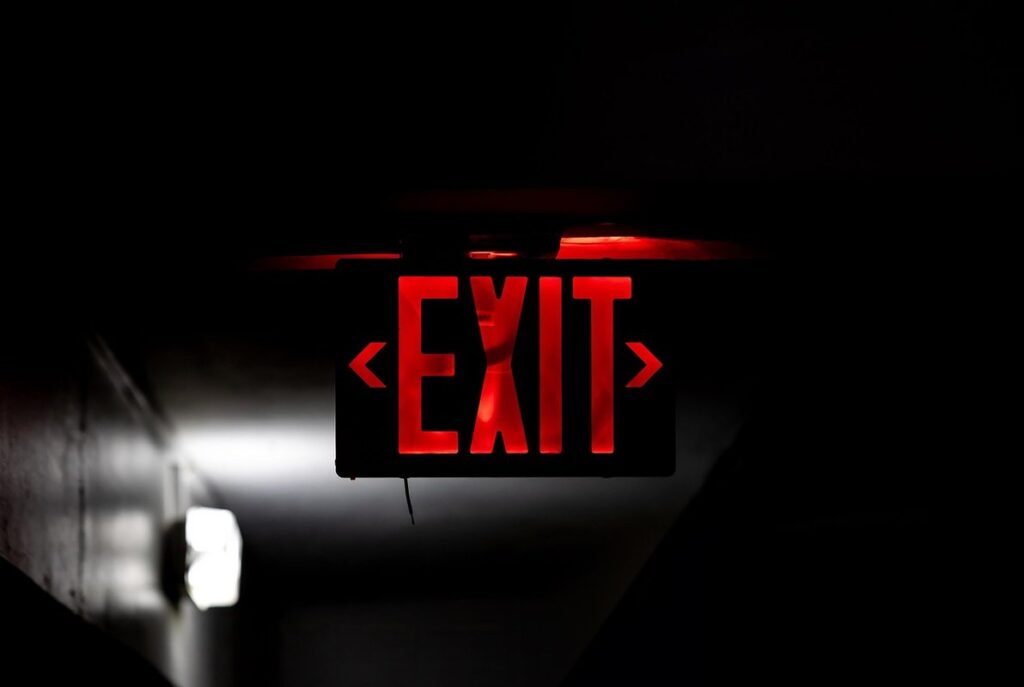
The Reality of Dementia and Fire Hazards
Dementia patients often exhibit behaviors that can unintentionally spark fires, making it crucial to understand these risks and take proactive measures in your home. Understanding these patterns is key to creating a safer environment for loved ones.
Common Causes of Fires in Dementia Care Settings
Cooking accidents are a common cause of fires in dementia care settings. Residents with dementia may forget to turn off stoves or ovens, leading to unattended cooking equipment and potential ignition sources. According to the National Fire Protection Association (NFPA), cooking equipment is the leading cause of residential fires.
Electrical issues can also contribute to fires in these environments. Faulty wiring, overloaded outlets, and malfunctioning appliances can all create fire hazards. In care settings, it’s essential to have regular electrical inspections and ensure that appliances are properly maintained and replaced when necessary.
Improper storage of flammable materials is another common cause of fires in dementia care settings. Residents may leave cigarette butts or matches unattended, while staff may store combustible materials such as cleaning supplies or linens near heat sources. To mitigate these risks, care facilities should establish clear policies for storing and disposing of hazardous materials, and ensure that residents have access to designated smoking areas with proper extinguishing equipment.
Ignoring the Risks: A Sobering Look at Statistics
According to a study published by the National Institute on Aging, residential care facilities for people with dementia experience an alarmingly high rate of fires. In fact, it’s estimated that these facilities see over 15 times more fire incidents than other types of senior living arrangements.
The consequences are devastating: between 2010 and 2016, there were at least 1,500 reported cases of fires in residential care facilities for people with dementia, resulting in over 200 injuries and 45 fatalities. The majority of these incidents occur when residents attempt to cook or use electrical appliances without proper supervision.
A small minority of facilities have implemented effective fire prevention measures, including installing advanced alarm systems and providing comprehensive training for staff on fire safety and evacuation procedures. However, many more need to take a proactive approach to mitigating this risk. This includes conducting regular inspections, ensuring that residents are aware of emergency protocols, and developing clear policies for staff response in the event of a fire. By taking these steps, facilities can significantly reduce the likelihood of a catastrophic incident occurring.
Understanding Dementia and Its Effects on Memory
Dementia can have a profound impact on memory, leading to confusion, disorientation, and potentially even accidental ignition of fires. Let’s explore how this affects their ability to respond to emergencies.
How Dementia Impacts Short-Term Memory
Dementia affects short-term memory by impairing the brain’s ability to store and recall new information. This can make it difficult for individuals with dementia to remember safety instructions or procedures, such as evacuation routes or emergency phone numbers.
As a result, they may struggle to follow simple commands or retain basic information about fire safety. For example, if you instruct someone with dementia on what to do in case of a fire, they might forget the key steps, such as turning off appliances and closing doors behind them.
The impact on short-term memory can be especially concerning during emergency situations like fires, where quick thinking is crucial. Individuals with dementia may require additional support or accommodations to ensure their safety, such as having a caregiver present during emergency drills or having a simple, visual reminder of fire safety procedures near the exit.
Cognitively Demanding Tasks: A Challenge for Individuals with Dementia
Following evacuation routes can be particularly challenging for individuals with dementia. This task requires a combination of spatial awareness, memory recall, and problem-solving skills – all areas where people with dementia often struggle. The complexity of evacuation plans, including multiple exits and escape routes, can lead to confusion and disorientation.
In the event of a fire, having to navigate through smoke-filled corridors or find an alternate exit can be overwhelming for someone with dementia. This cognitive burden can cause delays, increasing the risk of injury or even death. To mitigate this risk, it’s essential to design evacuation plans that cater to individuals with dementia.
For example, providing clear visual cues and simple instructions at key points in a building can help reduce confusion. Installing signs with large print and simple graphics can aid navigation during an emergency. Additionally, incorporating familiar landmarks or reference points into the evacuation plan can make it easier for individuals with dementia to follow the route.
Fire Safety and Prevention Strategies
When it comes to creating a safe living environment for individuals with dementia, understanding fire safety risks is crucial. This next part of our guide focuses on practical strategies for mitigating those dangers effectively.
Safe Cooking Practices in Care Settings
Care settings must implement stringent safe cooking practices to prevent fires. The risk is particularly high due to residents’ potential cognitive impairments and difficulty following instructions. Proper use of appliances is essential, including ensuring that ovens, stoves, and microwaves are installed with safety features like automatic shut-off in case of a malfunction.
Regular maintenance of cooking equipment is also crucial. This involves checking for wear and tear on cords, burners, and heating elements, as well as cleaning up spills promptly to avoid igniting them. It’s recommended that care staff inspect appliances every six months and replace worn-out parts immediately.
Supervision during meal preparation is critical, especially for residents with advanced dementia. Staff should monitor cooking tasks closely, intervening when necessary to prevent accidents. For example, they can assist with preheating ovens, stirring food, or handling hot pans. By following these safety protocols, care settings can minimize the risk of fires caused by cooking activities and create a safer environment for residents.
Avoiding Electrical Hazards
Electrical hazards can pose a significant risk to individuals with dementia, particularly if they are unable to recognize and respond to warning signs. To mitigate this risk, it is essential to take steps to protect against electrical fires.
Using protective devices such as tamper-resistant outlets or arc fault circuit interrupters (AFCIs) can help prevent electrical fires. These devices can detect irregularities in the electrical current and shut off power if necessary. Additionally, keeping cords organized and untangled can reduce the risk of overheating and electrical shock.
It is also crucial to report any issues with electrical equipment promptly. If a resident’s alarm system or other electronic device malfunctions, notify maintenance staff immediately to prevent potential fires. Regularly inspecting electrical appliances and replacing frayed cords or damaged plugs can also help minimize risks.
Furthermore, educating caregivers about common warning signs of electrical hazards, such as burning odors or sparks, is vital in preventing accidents. By taking these precautions, care settings can significantly reduce the risk of electrical fires and create a safer environment for residents with dementia.
Fire Safety Equipment and Technology
We’ll now explore the specialized fire safety equipment and technology designed to protect people living with dementia, highlighting their features and benefits. These innovative solutions can greatly reduce fire risks in homes and care settings.
Smoke Alarms: A Crucial Component of Dementia Care Facilities
In care settings for individuals with dementia, smoke alarms are a crucial component of fire safety protocols. These facilities often have a higher risk of fires due to cognitive impairments and confusion, making timely detection and alert systems essential.
There are two primary types of smoke alarms: hardwired and battery-powered. Hardwired alarms require professional installation but offer continuous power supply, while battery-powered alarms are easier to install but require regular battery replacement.
Smoke alarm placement is critical in dementia care facilities. Alarms should be strategically positioned near sleeping areas, kitchens, and common spaces to ensure early detection of potential fires. It’s also essential to place alarms at a height that’s easily accessible for residents who may need assistance with evacuation procedures.
Regular maintenance is vital to ensure smoke alarms function correctly. This includes monthly battery checks, quarterly testing, and annual professional inspections. Some facilities may also choose to install interconnect systems, which allow all alarms in the facility to sound simultaneously in case of a fire.
Automatic Fire Suppression Systems: An Additional Layer of Protection
Automatic fire suppression systems can be a crucial addition to homes where someone with dementia lives. These systems quickly detect and extinguish fires before they spread, reducing the risk of injury or death. They work by releasing a fire-suppressing agent, such as clean-agent gas or dry chemical powder, into the air when a sensor detects heat or smoke.
In a home with a person with dementia, automatic fire suppression systems can provide an additional layer of protection because they can respond more quickly than traditional fire alarms. Some systems even integrate with medical alert devices, ensuring that emergency responders are notified as soon as a potential fire hazard is detected. This integration can be especially beneficial for people with dementia who may not be able to evacuate their homes safely.
When selecting an automatic fire suppression system, consider factors like the size and layout of your home, as well as the type of hazards present (e.g., electrical appliances or cooking equipment). Regular maintenance is also essential to ensure the system functions correctly in the event of a fire.
Designing Dementia-Friendly Homes
When designing a dementia-friendly home, it’s crucial to consider safety features that cater to the unique needs of individuals with dementia, such as easy-to-use door handles and clear exit signs.
Creating Safe Environments in Residential Settings
When designing a dementia-friendly home, it’s essential to prioritize creating safe environments that minimize risks and support individuals with dementia. One key principle is to consider layout and accessibility features that promote independence while preventing wandering and getting lost. For example, simple color-coded signage can help guide residents through the home, reducing confusion.
Clear navigation paths are also crucial, as they enable individuals with dementia to move safely between rooms. Consider installing grab bars in strategic locations, such as near sinks or toilets, to provide support when needed. Additionally, ensure that door handles and locks are easy to operate, making it simpler for residents to enter and exit spaces without getting stuck.
Incorporating familiar elements, like family photos and personal items, can also help individuals with dementia feel more secure in their environment. This is especially important in areas prone to confusion or agitation, such as near exits or in communal living spaces. By thoughtfully designing these areas, caregivers can reduce the risk of accidents and promote a sense of calm and well-being among residents.
Adapting to Changing Needs: The Importance of Flexibility in Home Design
Home designs often prioritize functionality for people with dementia by incorporating features like large doors and easy-to-use appliances. However, these needs can shift over time as cognitive decline progresses. A home’s flexibility is crucial to accommodate changing abilities.
For instance, a person with early-stage dementia might use a walker, but later require wheelchair access due to mobility issues. Designing with this potential change in mind involves incorporating adaptable spaces and materials. For example, installing lever handles on doors rather than doorknobs can make it easier for individuals with arthritis or limited dexterity.
Incorporating adjustable shelving and furniture also allows caregivers to adapt the environment as needs evolve. This flexibility extends beyond physical accommodations – incorporating sensory-friendly elements like calming colors and reduced clutter can reduce agitation and stress in people with dementia. By considering these evolving needs, designers can create spaces that remain supportive throughout the progression of cognitive decline.
Frequently Asked Questions
What if someone with dementia is unable to communicate their needs in an emergency?
It’s essential to consider alternative methods of communication, such as visual reminders or alarm systems that can alert caregivers. These strategies should be tailored to the individual’s specific needs and abilities.
Can automatic fire suppression systems be installed in residential settings where space is limited?
Yes. Compact designs for automatic fire suppression systems are available and can be adapted for installation in smaller spaces. Consult with a professional to determine the feasibility of such installations.
What about people with dementia who wander off during fires – what strategies can prevent them from entering affected areas?
Create “safe zones” within the care setting or home by blocking access to hazardous areas using fire-resistant materials or doors. Implementing this strategy requires careful planning and consideration of the individual’s wandering patterns.
How do I balance fire safety measures with the risk of electrical shock from increased use of medical equipment in dementia care settings?
Use appliances with multiple outlets or invest in a power strip to reduce the number of cords, which can lower the risk of electrical hazards. Regularly inspect cords for damage and ensure caregivers are trained to handle equipment safely.
Can I use traditional smoke alarms for individuals who may not be able to hear them?
No. Traditional smoke alarms rely on auditory cues, which individuals with dementia might not respond to effectively. Consider using visual alarm systems that can alert them through flashing lights or vibrations instead.