
Caring for someone with dementia can be a challenging and emotional experience, but there are ways to promote their dignity and well-being. One crucial aspect often overlooked is personal hygiene, which plays a significant role in maintaining self-esteem and overall health. Dementia patients may struggle with daily routines due to cognitive decline, leading to neglect of personal care and increased risk of infections. By understanding the importance of personal hygiene for individuals with dementia, caregivers can adapt their approach to meet these unique needs. This article will explore how assistive technology and tools can help simplify daily routines, making it easier to maintain a patient’s dignity and well-being. By the end of this article, you’ll be equipped to create a supportive environment that prioritizes personal hygiene and promotes overall quality of life for those with dementia.
The Basics of Dementia and Its Impact on Daily Life
Dementia is a complex condition that affects not only individuals but also their loved ones, impacting daily routines and personal care habits in profound ways. Understanding these changes is essential for effective caregiving.
What is Dementia?
Dementia is a general term for cognitive decline, affecting memory, thinking, and behavior. It’s essential to understand that dementia is not a normal part of aging but rather a symptom of an underlying brain disease.
While it’s true that age can affect our cognitive abilities, dementia is a distinct condition characterized by a progressive loss of cognitive function. This includes difficulties with memory, communication, problem-solving, and judgment. In contrast, age-related cognitive decline typically occurs gradually and may not significantly impact daily life.
To illustrate the difference, consider this: as we age, it’s common to forget where we placed our keys or struggle to recall a word on the tip of our tongue. However, in dementia, these memory lapses are more pronounced and persistent, interfering with daily activities and relationships. By recognizing the distinction between normal aging and dementia, caregivers can better identify signs of cognitive decline and seek professional help.
A key aspect of dementia is its underlying cause – an actual brain disease, such as Alzheimer’s or vascular dementia. These conditions damage brain cells, leading to cognitive impairment. Understanding this fundamental concept helps demystify dementia and encourages a more informed approach to care and support.
Types of Dementia and Their Effects
Alzheimer’s disease is the most common form of dementia, accounting for 60-80% of cases. It’s characterized by a decline in cognitive function and memory loss, particularly in short-term memory. People with Alzheimer’s may struggle to remember recent events, learn new information, or recognize familiar faces.
Vascular dementia, on the other hand, is caused by reduced blood flow to the brain due to blockages or strokes. This type of dementia can be more unpredictable than Alzheimer’s and may cause sudden changes in behavior or cognitive function. Individuals with vascular dementia may exhibit difficulty with speech, vision, or movement.
Lewy body dementia (LBD) is a lesser-known but equally debilitating form of dementia. It’s marked by the presence of abnormal protein clumps called Lewy bodies in the brain. People with LBD may experience vivid hallucinations, fluctuating attention, and Parkinson-like motor symptoms. Recognizing these distinct types of dementia is crucial for developing effective care plans that address their unique needs. Understanding the specific characteristics of each type can help caregivers tailor their approach to improve daily life and maintain personal hygiene for individuals with dementia.
Importance of Personal Hygiene in Dementia Care
Maintaining personal hygiene is a crucial aspect of dementia care, as it can greatly impact not only the individual’s comfort but also their overall well-being. We’ll explore why this is especially important in caring for loved ones with dementia.
Why Personal Hygiene Matters
Maintaining personal hygiene is crucial for individuals living with dementia. It’s not just a matter of keeping them clean; it has a profound impact on their dignity and self-esteem. When people struggle to maintain their personal hygiene, they often feel ashamed, embarrassed, or even stigmatized. This can lead to decreased confidence and low self-worth, which in turn affects their overall well-being.
Good personal hygiene is closely tied to a person’s sense of identity and autonomy. For individuals with dementia, it may be one of the few areas where they still have control over their lives. When caregivers or family members take over these tasks, it can be perceived as a loss of independence. To address this, carers should involve the individual in the decision-making process whenever possible, allowing them to maintain some level of autonomy.
Research has shown that maintaining personal hygiene can also improve mental health outcomes for individuals with dementia. A clean and tidy environment can reduce agitation and aggression, while promoting feelings of calmness and relaxation. By prioritizing personal hygiene, caregivers can help their loved ones feel more confident, self-assured, and valued members of society.
The Role of Carers and Family Members
Carers and family members play a vital role in promoting and assisting with personal hygiene tasks for individuals with dementia. As the primary caregivers, they are often the first point of contact for managing daily routines, including bathing, dressing, and toileting.
Encouraging carers to take an active part in personal hygiene care is essential, as it not only helps maintain the individual’s dignity but also prevents infections and skin breakdowns. Carers can start by observing their loved one’s preferences and adapting their approach accordingly. For example, some individuals may prefer a gentle touch or soothing music during bath time.
A clear understanding of the individual’s needs and limitations is crucial in creating an effective care plan. This includes identifying any physical disabilities that may impact personal hygiene tasks, such as arthritis or mobility issues. Carers can also take advantage of assistive devices like bathing seats or grab bars to make daily routines safer and more manageable. By working together with healthcare professionals, carers can develop a tailored approach to supporting their loved one’s personal hygiene needs.
Challenges and Barriers to Good Personal Hygiene
People with dementia often face significant challenges when it comes to maintaining good personal hygiene, which can have serious consequences for their health and well-being. Many caregivers struggle to address these issues effectively.
Physical Limitations and Disability
Physical limitations and disabilities can significantly hinder personal hygiene efforts for individuals with dementia. For example, a person with Parkinson’s disease may experience tremors, rigidity, or bradykinesia, making it difficult to wash their hands or brush their teeth. Similarly, a person with a stroke or spinal cord injury may have limited mobility in their arms or legs, requiring assistance with everyday tasks like bathing.
In such cases, caregivers and family members must adapt personal hygiene routines to accommodate the individual’s physical limitations. This might involve using assistive devices like grab bars, non-slip mats, or raised toilet seats to make daily activities more accessible. Caregivers can also break down complex tasks into smaller, manageable steps, and provide support and encouragement throughout the process.
For instance, a caregiver could help a person with limited mobility wash their face by providing assistance with soap and water, while also promoting independence by allowing them to control the amount of water used. By acknowledging and addressing physical limitations, caregivers can create a more inclusive and supportive environment that fosters personal hygiene and overall well-being.
Emotional and Psychological Factors
Individuals living with dementia may struggle to maintain good personal hygiene due to emotional struggles such as anxiety, depression, or agitation. These feelings can be overwhelming and make everyday tasks seem insurmountable. For instance, a person with dementia might become anxious about bathing because they’re unsure of how to navigate the shower or fear falling.
In some cases, individuals may resist personal care due to feelings of loss of control or dignity. This resistance can manifest in aggression or agitation when carers try to assist them. Carers should approach these situations with empathy and patience, understanding that the person’s behavior is not a reflection of their ability to understand what needs doing.
To address emotional barriers, carers can try breaking down personal care tasks into smaller, more manageable steps. This may involve creating a calm environment, using soothing music or aromatherapy, or offering choices (e.g., “Do you want to wash your hair first or use the toilet?”). By giving the individual some control and agency over their own care, carers can help reduce anxiety and resistance.
Strategies for Maintaining Good Personal Hygiene
When caring for someone with dementia, maintaining good personal hygiene can be a significant challenge. We’ll explore practical strategies to help make daily routines more manageable and less stressful for both caregivers and individuals living with dementia.
Simple Routine Adjustments
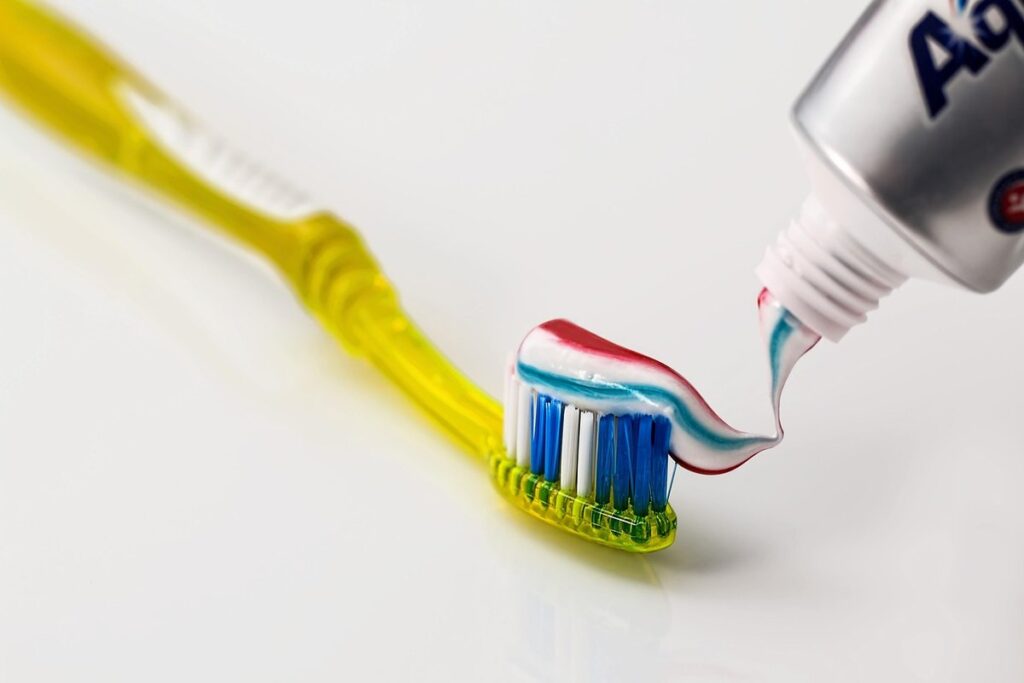
Establishing a consistent daily routine can help individuals with dementia maintain good personal hygiene. Break down personal care tasks into smaller, manageable steps and perform them at the same time each day. For example, brush teeth immediately after breakfast and before bed, or take a shower after waking up and before lunch.
Consider implementing a ‘hygiene station’ in the home where essential items like toothbrushes, toothpaste, soap, and towels are kept within easy reach. This can help reduce confusion and make personal care tasks more efficient.
To accommodate changing needs and abilities, be prepared to adjust routines regularly. For instance, if someone with dementia struggles to stand for long periods during showering, consider installing a walk-in shower or using a shower chair.
A key aspect of successful routine adjustments is flexibility. Be open to trying different approaches until you find what works best for the individual. Consider their likes and dislikes, as well as any sensory sensitivities they may have.
Assistive Technology and Tools
Assistive devices and tools can significantly ease the process of maintaining personal hygiene for individuals with dementia. One such tool is a shower chair with back support, which helps prevent falls and ensures proper posture during bathing. Adjustable shower handles or grab bars provide additional stability and assistance when entering or exiting the shower.
Toothbrushes with large, easy-to-grip handles are another helpful aid. Automatic toothbrushes that dispense toothpaste can simplify oral hygiene routines, reducing reliance on caregivers for assistance. Long-handled grooming tools, such as curved hair brushes or makeup applicators, allow individuals to maintain personal appearance without relying on others.
Other useful devices include raised toilet seats with attached grab bars, which facilitate safe and independent bathroom use. Automatic soap dispensers and hand dryers can also contribute to a more streamlined hygiene routine, reducing the need for caregivers to assist with these tasks.
Creating a Supportive Environment
Creating a supportive environment is crucial for individuals living with dementia, and that’s why we’ll explore practical tips on how to promote independence while maintaining dignity. We’ll cover strategies to foster a comfortable atmosphere in daily routines.
Home Modifications for Dementia Care
When creating a supportive environment for someone living with dementia, home modifications can play a crucial role in improving safety, accessibility, and ease of care. Installing handrails on stairs and walls can provide much-needed support and balance assistance, while making sure the bathroom is easily accessible can reduce the risk of falls.
Rearranging furniture to create clear pathways and reducing clutter can also help minimize frustration and anxiety caused by disorientation. Consider using non-slip mats in areas where water may be present, such as bathrooms and kitchens, to prevent slips and falls.
In addition to physical modifications, consider installing visual reminders, such as clocks or calendars, in high-visibility areas to help the individual stay oriented and on track with daily routines. This can be especially helpful when dealing with memory loss or confusion about time.
A few key items to include are:
• A first-floor bedroom or bathroom for easier access
• Lever handles instead of doorknobs for easier turning
• Bright lighting in areas where navigation is crucial
• Secure storage for personal belongings and important documents
Building a Support Network
Building relationships with healthcare professionals, support groups, and family members is crucial for dementia care. Regular interactions with these individuals can help alleviate feelings of isolation and anxiety that often accompany a dementia diagnosis.
When it comes to healthcare professionals, consider working closely with a primary care physician or geriatric specialist who has experience in dementia care. They can provide guidance on medication management, offer expert advice on managing challenging behaviors, and connect you with other specialists as needed.
Support groups are another valuable resource for caregivers. Joining a local support group or online community can help you connect with others who understand the unique challenges of caring for someone with dementia. Sharing experiences and tips with fellow caregivers can be incredibly empowering and help you feel less alone in your caregiving journey.
Involving family members in care is also essential, but this requires sensitivity and open communication. Encourage them to participate in regular family meetings where they can share their observations and concerns. By working together as a cohesive unit, family members can provide emotional support, share responsibilities, and help create a more supportive environment for the person with dementia.
Overcoming Common Issues and Maintaining Hope
Caring for a loved one with dementia can be especially challenging when it comes to maintaining personal hygiene, but there are solutions to these common issues. We’ll explore practical tips to help you navigate this difficult time.
Coping with Agitation or Resistance
When agitation or resistance arises during personal hygiene tasks, it’s essential to remain calm and composed. This can be a challenging situation, but there are strategies to manage it effectively. Firstly, identify the triggers for agitation – is it pain, discomfort, or simply feeling overwhelmed? Once you understand the cause, you can tailor your approach accordingly.
For instance, if pain is the issue, consider using warm water or gentle soap, and take breaks in between tasks to allow them to relax. If they’re resistant due to a fear of losing control, try involving them in the process as much as possible – for example, let them choose their own washcloths or towels.
Additionally, establish clear communication channels by explaining what you’re doing and why, and validate their feelings by acknowledging that it’s okay to feel uncomfortable. Some people may also benefit from having a trusted companion present during these tasks. By being empathetic and adaptable, you can help create a more positive experience for the person with dementia.
Fostering Independence and Autonomy
Gradual adjustments to a care routine can empower individuals with dementia to maintain control over their lives. This approach involves involving them in decision-making processes and allowing them to take charge of small tasks, such as choosing what time to bathe or which outfit to wear.
To foster independence, start by identifying areas where the person can still make decisions and involve them in planning daily routines. For example, they may be able to choose between two shower options: a quick wash with minimal soap or a full bath with their favorite scented products. Offer choices like these regularly, as even small decisions can give a sense of control.
Another strategy is to gradually transfer responsibility for specific tasks from caregivers to the individual with dementia. This might begin with simple actions like brushing teeth independently or wiping up spills. By gradually increasing autonomy in these areas, individuals can maintain their dignity and self-worth while still receiving necessary support.
In practice, this means adopting a flexible approach that balances independence with safety and well-being. Be prepared for setbacks and adapt plans accordingly to avoid frustrating the person further.
Frequently Asked Questions
Can I use assistive technology for dementia care without professional help?
Yes, many devices come with user-friendly instructions and support resources online, allowing you to implement them independently. However, it’s still essential to consult with healthcare professionals or caregivers if needed.
How do I handle the emotional struggles of individuals with dementia when it comes to personal hygiene?
Emotional struggles are common in dementia care, so it’s crucial to approach these situations with empathy and patience. Try to understand the individual’s feelings and concerns, and work collaboratively with them to develop strategies for managing their emotions during personal hygiene tasks.
What if a person with dementia resists or becomes aggressive when attempting to maintain good personal hygiene?
In such cases, try to identify triggers and underlying causes of resistance. Break down tasks into smaller steps, offer frequent breaks, and consider involving familiar caregivers or support people in the care routine. It may also be helpful to explore non-pharmacological interventions for managing agitation.
Can I still promote independence and autonomy in individuals with dementia who require significant assistance?
Yes, it’s possible to strike a balance between providing necessary care and maintaining the individual’s sense of control and agency. Focus on gradual adjustments to their care routine, offer choices whenever feasible, and involve them in decision-making processes related to their personal hygiene needs.
How do I assess whether an assistive device is suitable for a person with dementia?
Consider factors such as the individual’s specific needs, abilities, and preferences when selecting assistive devices. Consult with healthcare professionals or caregivers to gather insights on their experiences and recommendations, and don’t hesitate to try out different options before committing to a particular solution.