
As you navigate the complexities of caring for a loved one with dementia, finding the right support system can be overwhelming. Retirement communities specifically designed for dementia care have become an increasingly popular option for families seeking comprehensive care and assistance. These specialized facilities provide a safe and supportive environment tailored to meet the unique needs of individuals living with dementia. But with so many options available, choosing the right community for your loved one can be daunting.
In this article, we’ll explore the various types of retirement communities offering dementia care, including their benefits and drawbacks. We’ll also provide guidance on how to select a community that aligns with your loved one’s specific needs and circumstances. Whether you’re just starting to research or have already found a few potential options, our goal is to empower you with the knowledge necessary to make an informed decision about the best retirement community for dementia care for your family.
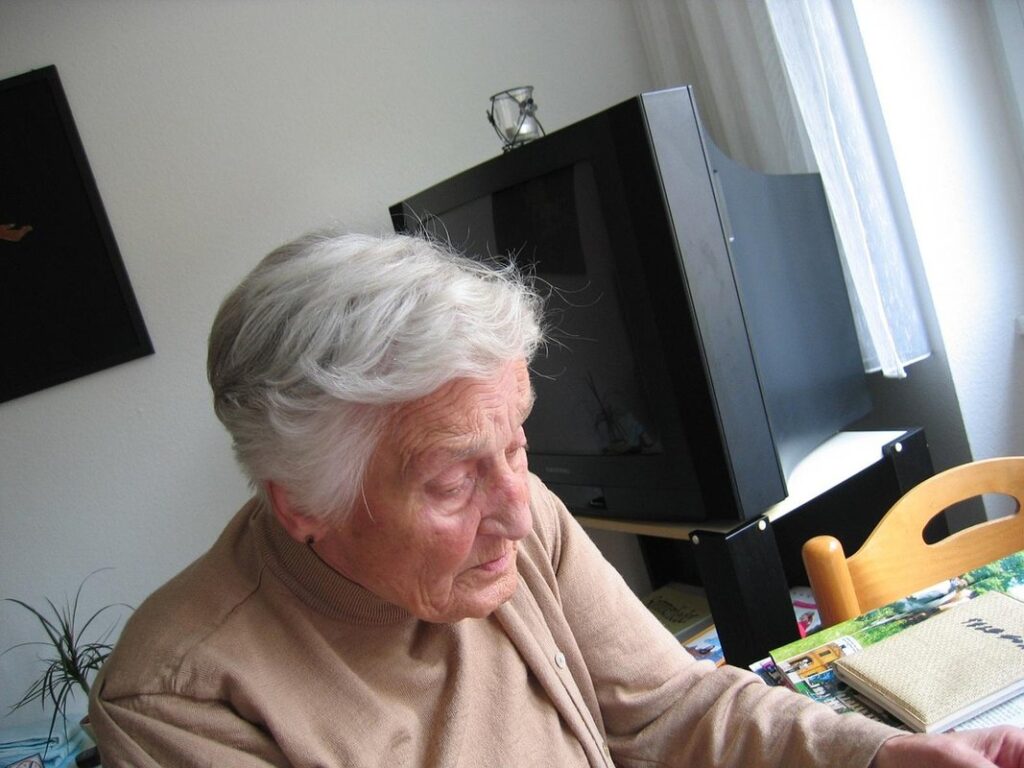
Understanding Dementia and Its Impact
Let’s start by understanding what dementia is and how it affects not just those living with it, but also their loved ones and caregivers. This sets the foundation for providing optimal care and support.
What is Dementia?
Dementia is a broad term that describes a group of symptoms associated with a decline in memory, thinking, and social skills. It’s essential to understand what dementia entails, as it affects millions of people worldwide, including those living in retirement communities for dementia care.
Causes of dementia are diverse, but the most common underlying factors include age-related changes, genetics, lifestyle, and certain medical conditions. For instance, Alzheimer’s disease is the most prevalent cause of dementia, accounting for 60-80% of cases. Other contributing factors may include stroke, traumatic brain injury, infections, and vitamin deficiencies.
Symptoms of dementia vary depending on the individual and the stage of progression. Common signs include memory loss, confusion, difficulty with communication, problem-solving, and judgment. In its early stages, individuals with dementia might experience slight forgetfulness, but as it progresses, these symptoms worsen, impacting daily life significantly. Retirement communities for dementia care must be equipped to handle these changes and provide a supportive environment that caters to the unique needs of each resident.
Types of Dementia
Dementia is not a single disease, but rather an umbrella term that describes a range of cognitive disorders. Alzheimer’s disease is the most common type, accounting for 60-80% of dementia cases. It’s characterized by memory loss and difficulty with communication, problem-solving, and judgment.
Vascular dementia is another prominent form, caused by reduced blood flow to the brain due to mini-strokes or other vascular problems. It often presents as sudden changes in cognitive function, particularly memory and spatial reasoning abilities. Other types of dementia include Lewy body dementia, frontotemporal dementia, and mixed dementia, which combines Alzheimer’s disease with another condition.
It’s essential for caregivers and healthcare professionals to understand the specific characteristics of each type to provide targeted care and support. For instance, individuals with Lewy body dementia may experience hallucinations and fluctuating cognitive function. In contrast, those with frontotemporal dementia often exhibit changes in behavior and language skills. By recognizing these differences, retirement communities for dementia care can tailor their programs and services to meet the unique needs of residents.
For caregivers considering a move to a retirement community for dementia care, research facilities that have experience caring for residents with your loved one’s specific type of dementia.
Emotional Impact on Caregivers
Caring for a loved one with dementia can be an incredibly challenging and emotionally draining experience. It’s not uncommon for caregivers to feel isolated, guilty, and anxious about their ability to provide the best possible care. The emotional toll of caregiving can be overwhelming, leading to feelings of burnout and depression.
Caregivers often sacrifice their own needs and desires to prioritize their loved one’s care, which can lead to feelings of resentment and frustration. For example, they may give up hobbies, social activities, or even their own career goals to care for their loved one full-time. While these sacrifices are undoubtedly necessary, it’s essential to acknowledge the emotional impact on caregivers.
To combat feelings of isolation, guilt, and anxiety, caregivers should prioritize self-care and seek support from family, friends, or professional organizations. This can include joining a support group, taking breaks from caregiving duties, or engaging in stress-reducing activities like exercise or meditation. By acknowledging their own emotional needs and seeking help when needed, caregivers can better navigate the complex journey of caring for a loved one with dementia.
What Are Retirement Communities for Dementia Care?
Let’s take a closer look at how retirement communities specifically cater to individuals living with dementia, offering tailored care and support. These communities prioritize the unique needs of residents with dementia.
Definition and Purpose
When it comes to providing care and support for individuals with dementia, retirement communities specifically designed for this purpose play a vital role. These communities offer a supportive environment that enables people with dementia to live safely and comfortably, reducing the risk of accidents, injuries, and stress on caregivers.
At their core, retirement communities for dementia care are designed to provide a secure and welcoming space for individuals who require specialized attention due to cognitive decline. These communities typically feature specially trained staff, tailored care plans, and innovative programming to promote independence, socialization, and overall well-being.
The primary purpose of these communities is not only to provide basic care but also to offer a sense of belonging, connection, and purpose to residents. By offering a range of activities, services, and amenities, they strive to create an environment that fosters happiness, engagement, and dignity for individuals with dementia and their families.
Types of Facilities
When considering retirement communities for dementia care, it’s essential to understand the various types of facilities available. These communities cater to different levels of cognitive impairment and offer distinct living arrangements.
Assisted Living Facilities (ALFs) provide a supportive environment where residents can live independently while receiving assistance with daily tasks, such as bathing, dressing, and medication management. However, ALFs may not be equipped to handle the more complex needs of advanced dementia patients.
Memory Care Units are specifically designed for individuals in various stages of dementia. These units offer a secure, comforting atmosphere that promotes independence and allows residents to engage in activities tailored to their cognitive abilities. Residents can access 24/7 care and support from trained staff members.
Skilled Nursing Facilities (SNFs) provide around-the-clock medical care and rehabilitation services, making them suitable for individuals requiring advanced dementia care. SNFs are ideal for those who need assistance with daily tasks, as well as ongoing medical treatment and monitoring.
Benefits of Dementia Care Communities
Choosing a retirement community specifically designed for dementia care can be a game-changer for individuals living with Alzheimer’s disease and other forms of dementia. These communities offer a unique set of benefits that cater to the complex needs of people with dementia, providing them with a supportive and stimulating environment.
One of the most significant advantages is the 24/7 staff presence, which ensures that residents receive immediate attention and care when needed. This level of support can be particularly reassuring for family members who want to ensure their loved ones’ safety and well-being.
Specialized activities tailored to individuals with dementia are another key benefit. These activities not only provide entertainment but also help stimulate memory recall, cognitive function, and emotional well-being. For instance, a community might offer music therapy sessions, art classes, or even gardening programs designed to promote engagement and socialization.
Moreover, retirement communities for dementia care often develop tailored care plans that meet the individual’s unique needs. This personalized approach allows staff to address specific concerns, such as managing behaviors, ensuring medication adherence, and providing emotional support.
Assessing the Needs of a Loved One
When evaluating retirement communities for dementia care, it’s essential to assess your loved one’s unique needs and preferences first. This will help you make an informed decision that prioritizes their well-being and happiness.
Signs That Your Loved One Needs More Support
As you care for a loved one with dementia at home, it’s essential to recognize when their needs exceed what can be provided in that setting. Signs of increased agitation, wandering, and memory loss are often indicative of the need for more comprehensive support.
Increased agitation can manifest as frequent mood swings, aggression, or resistance to care. If your loved one is becoming increasingly aggressive or volatile, it may be time to consider a retirement community with specialized dementia care. These facilities have trained staff equipped to handle challenging behaviors and provide emotional support.
Wandering is another common issue for people with dementia. If you find yourself constantly supervising your loved one’s whereabouts or worrying about their safety outside the home, a retirement community can offer 24/7 supervision and secure environments designed to prevent wandering.
Memory loss can also indicate a need for more support. As dementia progresses, daily tasks become increasingly difficult, leading to frustration and isolation. Retirement communities often provide structured programs and activities tailored to cognitive abilities, keeping your loved one engaged and stimulated throughout the day.
Evaluating Dementia Severity
Evaluating dementia severity is an essential step in determining the right level of care for your loved one. You may have noticed changes in their behavior, memory, and daily functioning, but a formal assessment can provide clarity on the progression of the disease. Tools like the Mini-Cog and Functional Assessment Inventory (FAI) can help you evaluate dementia severity.
The Mini-Cog, a simple and quick test, assesses cognitive function by asking three questions: “What is your name?” “How old are you?” and performing a drawing task to assess spatial skills. This tool helps identify mild cognitive impairment or dementia. On the other hand, the FAI evaluates functional abilities in daily living tasks such as bathing, dressing, feeding, and managing finances.
To use these tools effectively, start by gathering information from your loved one’s primary care physician, family members, and caregivers about their medical history, symptoms, and current level of functioning. Be sure to also ask yourself questions like: What are the specific challenges they face in daily living tasks? How do they manage stress and frustration? What is their overall mood like? By combining these tools with your observations, you’ll gain a more accurate picture of dementia severity, enabling you to make informed decisions about retirement communities for dementia care.
Creating a Support Network
Building a support network is crucial when caring for a loved one with dementia. As a caregiver, it’s easy to feel overwhelmed and isolated, especially if you’re shouldering the bulk of the responsibility yourself. However, having a strong support system in place can make all the difference in managing stress, providing quality care, and enjoying your time together.
Start by identifying family members and friends who are willing and able to lend a hand. This might include scheduling regular visits or helping with daily tasks like cooking or cleaning. Don’t be afraid to ask for help when you need it – caregivers often feel like they’re shouldering the entire burden alone, but having a support system in place can make caregiving more manageable.
You may also want to consider reaching out to professional organizations that specialize in dementia care. These groups offer resources, guidance, and connection with others who understand what you’re going through. Some popular options include the Alzheimer’s Association and the Dementia Advocacy & Support Network International (DASNI). By building a support network, you’ll not only reduce your own stress levels but also create opportunities for socialization and community engagement – essential components of dementia care.
Choosing the Right Community
When selecting a retirement community for dementia care, it’s essential to consider factors that cater specifically to your loved one’s needs and preferences. This section helps you navigate these critical considerations.
Factors to Consider
When selecting a retirement community for dementia care, there are several key factors to consider. First and foremost, location is crucial. Consider the proximity to medical facilities, shopping centers, and other essential services that will be readily available for residents and their families.
Cost is also an important consideration. Determine whether the community’s fees align with your budget, and factor in any additional costs associated with care or services. Look into the types of payment options offered, such as Medicaid, VA benefits, or private pay.
The qualifications and training of staff members are vital to providing quality dementia care. Ensure that caregivers have received specialized training in Alzheimer’s disease and related dementias. Ask about staff-to-resident ratios, which should be low enough to allow for personalized attention.
In addition, consider the range of activities offered within the community, such as exercise programs, arts and crafts, or social events. Look for communities with dementia-specific programs that cater to the unique needs of residents with Alzheimer’s disease.
Visiting Potential Communities
When visiting potential communities for dementia care, it’s essential to get a firsthand experience of what life is like within the community. This can be achieved by meeting with administrators, touring facilities, and speaking with residents and staff.
During your visit, start by scheduling a meeting with the administrator or director of care services. Ask about their philosophy on dementia care, how they assess and address the individual needs of each resident, and what types of activities and therapies are offered to support cognitive and physical well-being.
Next, take a thorough tour of the facilities, paying attention to cleanliness, safety features, and overall atmosphere. Note whether there are secure outdoor areas for residents to enjoy fresh air and exercise. Also, observe how staff interact with residents; do they seem attentive, patient, and respectful?
Be sure to speak with current residents, either in group settings or one-on-one, to gain insight into their experiences living within the community. Ask about their favorite activities, what they like most about the community, and if there are any challenges they face. This will help you gauge the overall quality of care and whether it aligns with your needs and expectations.
Remember, visiting potential communities is not just about seeing the physical space; it’s also about experiencing the culture and camaraderie within the community.
Comparing Facilities
When comparing facilities, it’s essential to consider what matters most for your loved one’s care and comfort. Start by making a list of must-haves, such as specific amenities like on-site therapy services, memory gardens, or secure outdoor spaces.
Next, research the facility’s care model and staffing ratios. Look for communities that employ specialized dementia-trained staff and have robust support systems in place. Ask about their approach to individualized care plans and how they ensure continuity of care if your loved one needs to transition from one level of care to another.
Evaluate the quality of life at each facility by reviewing resident testimonials, conducting virtual tours, or scheduling visits. Take note of the cleanliness, safety features, and overall atmosphere. Consider factors like proximity to family members, access to transportation services, and availability of on-site amenities like dining, entertainment, and wellness programs. By prioritizing these key aspects, you’ll be better equipped to make an informed decision that meets your loved one’s unique needs and preferences.
Life in a Dementia Care Community
Living in a dementia care community requires a unique approach, one that balances independence with supportive care and activities tailored to individuals’ specific needs. In this section, we’ll explore what daily life is like in these special communities.
Daily Routines and Activities
In a dementia care community, daily routines and activities are designed to promote independence, social interaction, and overall well-being. A typical day starts with medication management, where trained staff assist residents with taking their prescribed medications at the correct times.
Mealtimes are also carefully planned to ensure that residents receive nutritious food that is easy to eat and digest. Menus are often tailored to meet individual dietary needs, and meals are often served in a communal setting to encourage socialization. Exercise programs, such as gentle stretching or walking groups, are also an essential part of daily routines.
In addition to these basic needs, dementia care communities also offer a range of activities designed to stimulate the mind and body. These may include arts and crafts classes, music therapy sessions, and outdoor activities like gardening or pet therapy. The goal is to create a sense of purpose and engagement among residents, which can help slow cognitive decline and improve overall quality of life. By incorporating these daily routines and activities into their lives, residents in dementia care communities can maintain their dignity and independence for as long as possible.
Resident Life and Socialization
Resident life in dementia care communities is designed to be engaging and stimulating. Group activities are tailored to accommodate various cognitive levels, from gentle exercise classes to more energetic games like bingo. These sessions foster social connections among residents, which can be a powerful antidote to feelings of loneliness.
One-on-one interactions with staff members, known as “person-centered care,” allow for personalized attention and meaningful conversations. This approach helps build trust and rapport between caregivers and residents, leading to stronger relationships. Pet therapy is another valuable component of many dementia care communities, providing comfort, affection, and companionship to those who need it most.
To ensure the best outcomes, look for a community that emphasizes these socialization aspects in its daily routine. Ask about their group activity schedule, staff-to-resident ratios, and pet therapy programs. By choosing a community with a focus on social connection and engagement, you’ll be giving your loved one the gift of a fulfilling life amidst supportive surroundings.
Family Involvement and Support
When a loved one moves into a dementia care community, family members play a vital role in supporting their well-being and quality of life. Regular visits can help maintain a sense of connection and familiarity for individuals with dementia.
Developing a visiting schedule is essential to ensure that residents receive consistent support and attention from family members. It’s recommended to visit your loved one at least 2-3 times a week, but ideally every day if possible. This regular interaction helps to alleviate feelings of loneliness and isolation, which are common among people with dementia.
Communicating effectively with staff is also crucial in providing the best care for your loved one. Family members should establish open communication channels with caregivers, sharing important information about their relative’s needs, preferences, and medical history. Staff can then use this information to tailor their care approach, creating a more personalized experience for each resident.
By participating in resident events, family members can foster a sense of community and belonging among residents. Many dementia care communities host activities such as art classes, music sessions, or outdoor excursions that encourage socialization and engagement. By getting involved in these events, you can help create happy memories with your loved one and strengthen their bond with other residents.
Managing Care and Expenses
When exploring retirement communities for dementia care, it’s essential to consider how you’ll manage your loved one’s ongoing medical needs and expenses. We’ll walk through the practical aspects of care costs and financial planning in this section.
Understanding Insurance Options
Navigating insurance options can be overwhelming when considering retirement communities for dementia care. It’s essential to understand the various programs that can help cover costs. Medicare is a popular choice, but it has limitations when it comes to long-term care. Original Medicare doesn’t typically cover custodial care, which includes daily assistance with activities like bathing and dressing. However, some Medicare Advantage plans may offer additional coverage.
Medicaid can also be an option, especially for those who qualify based on income and assets. Each state administers its own Medicaid program, so the specific requirements vary. In addition to these government programs, long-term care insurance is another consideration. This type of policy can help cover costs associated with assisted living or memory care facilities.
When exploring insurance options, consider consulting a licensed insurance professional who specializes in senior care. They can guide you through the process and help determine which program best suits your needs. By understanding these different programs, you can make informed decisions about how to fund dementia care within a retirement community.
Financial Planning and Budgeting
Managing the financial aspects of dementia care can be overwhelming. However, it’s essential to create a budget and explore available resources to ensure that you’re prepared for the costs associated with caring for a loved one. Start by tracking all expenses related to dementia care, including medication, transportation, and facility fees.
When budgeting for these expenses, consider using the 50/30/20 rule: allocate 50% of your income towards necessary expenses like housing and food, 30% towards discretionary spending, and 20% towards saving and debt repayment. You can also explore financial assistance programs, such as Medicaid or the Veterans Administration’s Aid and Attendance program.
For veterans, exploring benefits through the VA can provide valuable support for dementia care costs. The VA offers a range of benefits, including aid and attendance pension, home health care services, and adult day care. By researching these options and seeking guidance from a financial advisor, you can ensure that your loved one receives the necessary care while also managing your finances effectively.
When exploring retirement communities, ask about their financial assistance programs and how they can help with the costs associated with dementia care. Some communities may offer scholarships or grants to help cover expenses.
Ongoing Support and Resources
Ongoing support and resources are essential when managing dementia care in a retirement community. Caregivers and residents can tap into various services to ensure they receive the help they need.
Many communities offer counseling services, either on-site or through partnerships with external organizations. These services provide emotional support, guidance, and coping strategies for caregivers and residents dealing with dementia’s challenges. For instance, some communities may have a designated dementia care specialist who offers regular check-ins, support groups, and access to educational resources.
Residents can also connect with advocacy groups focused on Alzheimer’s disease and dementia care. These organizations offer valuable information, expert advice, and networking opportunities for caregivers. Online forums and support groups are another resource where individuals can share their experiences, ask questions, and receive guidance from others who have navigated similar situations.
Caregivers should take advantage of these resources to ensure they’re equipped to provide the best possible care for their loved ones. They can also seek out online communities, such as the Alzheimer’s Association or the National Institute on Aging, which offer webinars, workshops, and other educational resources to support dementia caregivers.
Frequently Asked Questions
What if my loved one has a severe case of dementia? Can they still live in these communities?
Yes, retirement communities for dementia care often have specialized units or facilities specifically designed to cater to residents with more advanced stages of the condition. These communities typically provide 24/7 care and support tailored to meet the unique needs of individuals with severe dementia.
How do I know if a community is truly “specialized” in dementia care?
Look for communities that have dedicated staff trained in dementia-specific care, offer memory-care programs, and have secure environments designed to prevent wandering. Additionally, consider facilities with on-site medical professionals or partnerships with local healthcare providers. These factors can significantly impact the quality of life for your loved one.
What are the average costs associated with living in a dementia care community?
Costs vary widely depending on location, level of care required, and amenities provided. On average, residents can expect to pay between $5,000 to $8,000 per month. However, some communities offer financial assistance programs or veterans’ benefits that can help offset the costs.
Can I visit my loved one in a dementia care community as often as I like?
Most retirement communities for dementia care welcome family members and encourage regular visits. In fact, many facilities offer scheduled visitation times or designated areas for families to spend time with their loved ones. This is not only beneficial for socialization but also helps maintain connections between residents and their families.
How do I know if a community has the right “feel” for my loved one?
Consider visiting multiple communities and observing the daily routines, activities, and interactions among staff and residents. Pay attention to how well your loved one responds to the environment, as this can significantly impact their quality of life. Trust your instincts and choose a community that genuinely feels like home.