
You may be aware that people living with dementia often experience fluctuations in cognitive abilities, but sudden and significant declines can be alarming for both caregivers and patients alike. These episodes can occur without warning, leaving you wondering if it’s a normal part of the disease progression or a sign of an underlying medical issue. Sudden worsening of confusion can manifest as disorientation, memory loss, and difficulty with daily tasks. It’s essential to recognize these signs early on to provide effective support and treatment. In this article, we’ll explore common causes of sudden declines in dementia symptoms, discuss how medical conditions can impact cognitive function, and offer practical advice on managing symptoms through lifestyle changes and early intervention. By the end of this post, you’ll understand what to look for and know how to respond when dementia confusion suddenly worsens.
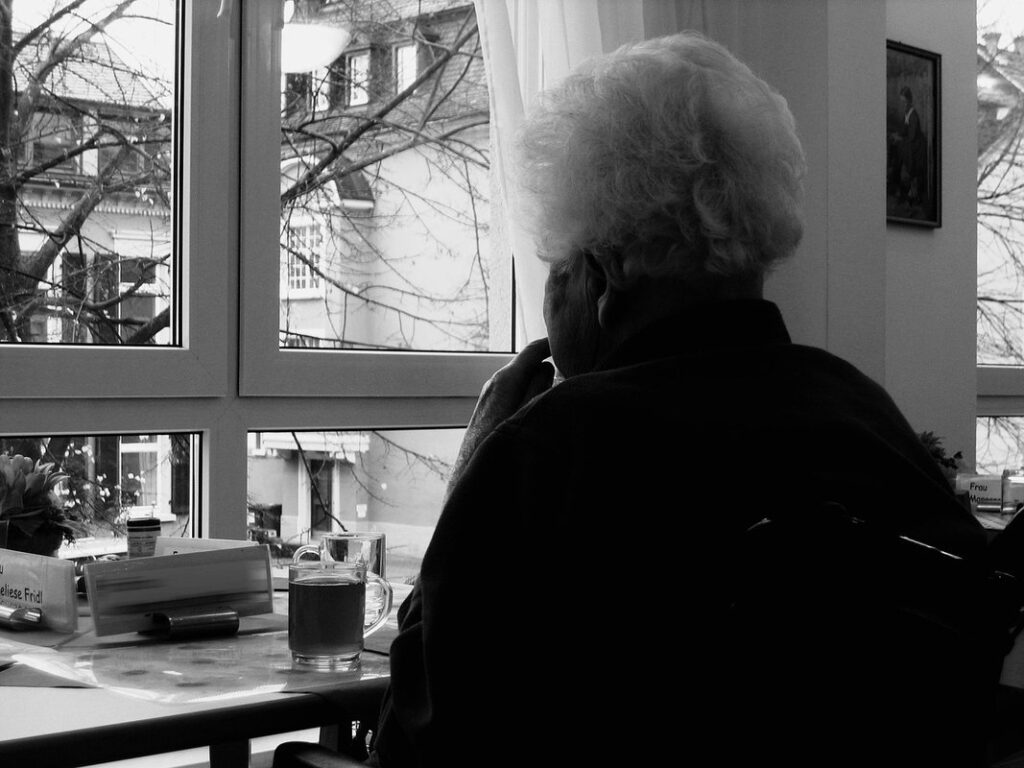
Recognizing the Signs of a Sudden Decline
Identifying sudden changes in dementia patients can be challenging, but recognizing early warning signs is crucial to providing timely support and care. Knowing what to look for can make all the difference in this critical time.
What to Look for in a Sudden Change
A sudden change in a person with dementia can manifest as increased agitation, aggression, or confusion. One common sign is a notable escalation of verbal or physical outbursts, which may be triggered by minor stimuli such as noise or disruptions. For instance, someone who was previously calm and patient might become easily irritated, lashing out at caregivers or family members.
Another indicator of a worsening condition is a significant decline in cognitive function, such as difficulty with familiar tasks, like dressing or bathing. A person might also exhibit increased confusion about their surroundings, people, or events, which can lead to disorientation and fear.
Changes in daily habits and routines may also signal a sudden decline. For example, someone who typically follows a regular sleep schedule might start experiencing excessive daytime sleeping or insomnia. Similarly, changes in appetite or eating habits could indicate a worsening condition.
A person with dementia might also display increased wandering behavior, attempting to leave their home or care facility due to confusion about their location and identity. In some cases, they may exhibit difficulty with communication, struggling to find the right words or expressing themselves effectively.
Understanding the Importance of Early Intervention
Early intervention is critical when a person with dementia suddenly shows significant changes. Delaying treatment can lead to further complications and worsen quality of life. This is particularly true for individuals experiencing sudden confusion, agitation, or aggression.
The consequences of delayed treatment can be severe. For instance, untreated infections can spread rapidly, exacerbating existing cognitive decline. Similarly, undiagnosed medication interactions can amplify side effects, leading to increased fall risk, incontinence, and other complications. By contrast, timely medical attention can prevent these outcomes and improve the person’s overall well-being.
In addition to addressing underlying medical issues, early intervention also involves reassessing the individual’s care plan. This may involve adjusting medication regimens, sleep schedules, or social engagement levels. A comprehensive evaluation by a healthcare professional can help identify areas for improvement and develop targeted interventions to mitigate sudden decline. By acting swiftly, caregivers can prevent unnecessary suffering and improve their loved one’s quality of life.
Medical Causes of Sudden Decline in Dementia
When a person with dementia experiences a sudden decline, it’s essential to consider underlying medical causes that may be contributing to their worsening condition. These can include infections, medications, and other health issues.
Infections and Their Impact on Dementia Symptoms
Infections like pneumonia or urinary tract infections can suddenly worsen dementia symptoms, causing a person to decline rapidly. When an individual with dementia contracts an infection, their body’s immune response can lead to inflammation and increased stress on the brain. This can exacerbate existing cognitive problems, making it difficult for them to think clearly or communicate effectively.
Common signs of an underlying infection in people with dementia include fever, confusion, agitation, or changes in behavior. For example, a person who was previously calm may become agitated and aggressive due to pain or discomfort caused by the infection. Prompt medical attention is essential to address these infections and prevent further decline.
If you suspect that your loved one has an underlying infection, seek immediate medical help. Healthcare providers can use diagnostic tests such as blood work or imaging studies to confirm the presence of an infection. In some cases, antibiotics may be prescribed to treat bacterial infections like pneumonia or urinary tract infections.
Medication Interactions and Side Effects
Medications prescribed to manage dementia symptoms can sometimes interact with each other or have adverse side effects that worsen confusion and cognitive decline. Anticholinergic medications, for example, are commonly used to treat urinary incontinence but can exacerbate dementia symptoms by blocking the action of acetylcholine, a neurotransmitter involved in memory and learning.
Common culprits include antihistamines like diphenhydramine (Benadryl) and sedatives such as zolpidem (Ambien). These medications may be prescribed for unrelated conditions but can significantly impair cognitive function in people with dementia. Nonsteroidal anti-inflammatory drugs (NSAIDs), like ibuprofen, can also increase the risk of bleeding in the brain.
To minimize the risk of medication interactions and side effects, it’s essential to provide your loved one’s healthcare provider with a comprehensive list of medications they’re currently taking. This includes prescription medications, over-the-counter supplements, and herbal remedies. Be aware that some medications may be prescribed under different names or classifications; ensure you clarify any questions or concerns with the pharmacist or doctor.
Lifestyle Changes and Triggers
Changes to daily routines and unexpected events can significantly impact a person’s dementia symptoms, often triggering confusion and exacerbating existing issues. We’ll explore some common lifestyle triggers that may be contributing to your loved one’s sudden decline.
Sleep Disturbances and Their Role in Dementia Symptoms
Sleep disturbances are a common trigger for sudden worsening of dementia symptoms. Many people with dementia experience difficulty sleeping, which can lead to increased agitation and aggression during the day. This is because the brain’s normal sleep-wake cycle is disrupted, causing confusion and disorientation.
Disrupted sleep patterns in dementia patients can be caused by a variety of factors, including pain, discomfort, or anxiety related to their condition. Environmental changes, such as noise or light exposure, can also interfere with sleep quality. Additionally, medications used to treat dementia symptoms can have sedating effects during the day and stimulant effects at night, exacerbating sleep disturbances.
To improve sleep quality in people with dementia, caregivers should establish a consistent sleep schedule and create a soothing bedtime environment. This may include reducing noise levels, using dim red lighting, and minimizing disruptions during the night. Regular exercise, such as short walks or stretching, can also help regulate sleep patterns. Encouraging relaxation techniques, like deep breathing or progressive muscle relaxation, before bed can further promote restful sleep.
Nutrition and Hydration as Key Factors
A well-balanced diet is essential for managing dementia symptoms. Research suggests that certain nutrients play a crucial role in maintaining cognitive function and overall health. For instance, omega-3 fatty acids found in fatty fish like salmon and sardines have been shown to support brain health. Additionally, antioxidants such as vitamins C and E can help reduce oxidative stress.
Adequate hydration is also vital for individuals with dementia. Dehydration can exacerbate confusion and disorientation, making it more challenging to manage symptoms. Aim to encourage your loved one to drink at least 8-10 glasses of water per day. Include hydrating foods in their diet, such as watermelon, cucumbers, and celery.
When creating a balanced meal plan, consider the following tips: include protein-rich foods like lean meats and legumes for satiety; fiber-rich fruits and vegetables to support digestive health; and healthy fats from nuts, seeds, and avocado for sustained energy. Aim for smaller, frequent meals throughout the day to avoid overwhelming the individual with large portions.
It’s also essential to ensure that your loved one is eating a variety of foods to meet their nutritional needs. Consult with a registered dietitian or healthcare professional to create a personalized meal plan tailored to their specific requirements and dietary restrictions.
Managing Sudden Decline at Home
When a loved one’s dementia symptoms suddenly worsen, it can be overwhelming to manage their care at home. This section will offer practical advice on how to respond and adapt to this challenging situation.
Strategies for Reducing Stress and Agitation
Creating a calm environment is crucial when trying to reduce stress and agitation in people with dementia. This can be achieved by simplifying their surroundings and removing any potential triggers for anxiety. For example, consider reducing clutter in the living room or bedroom, minimizing noise levels, and using soothing colors on walls. Additionally, maintaining a regular daily routine can provide a sense of comfort and stability.
Non-pharmacological interventions like music therapy can also be effective in calming individuals with dementia. Research has shown that listening to familiar music can reduce agitation and improve mood. You can try playing the person’s favorite music in the background or creating a personalized playlist together. Some care facilities even offer music therapy sessions specifically designed for people with dementia.
Other strategies include providing opportunities for physical activity, such as gentle stretching or short walks, to help release tension. It’s also essential to ensure the person is comfortable and pain-free by adjusting their clothing, pillows, or even using a heating pad or cold compress as needed.
Creating a Support Network
Building a support network is crucial for caregivers managing a loved one’s sudden decline with dementia. When you’re feeling overwhelmed and uncertain about how to care for someone who needs more attention than before, it can be tempting to try to tackle everything alone. However, this approach can quickly lead to burnout.
Fortunately, there are many resources available that can provide emotional support, practical guidance, and even temporary respite. Online forums and social media groups connect caregivers with others who understand the challenges you’re facing. For example, the Alzheimer’s Association has an online community where you can share your story, ask questions, and get advice from others in similar situations.
Local services are also available to support caregivers. Many communities have adult day programs that offer socialization, meals, and activities for people with dementia. These programs can give you a break while knowing your loved one is safe and engaged. Some areas also have in-home respite care services, which provide temporary relief from caregiving duties. To access these resources, start by reaching out to local organizations specializing in dementia care or searching online for support groups and services in your area.
Advanced Care Options
For those who are struggling to provide the best possible care for their loved ones, advanced care options can be a crucial consideration. These alternatives often involve specialized facilities and care teams.
Inpatient Rehabilitation Programs
Inpatient rehabilitation programs offer a structured environment for individuals with dementia who experience sudden decline. These programs are designed to provide intensive therapy and around-the-clock care, addressing both physical and emotional needs. A typical day in an inpatient rehab program may begin with occupational therapy to help with daily activities such as bathing and dressing. Physical therapy sessions follow, focusing on mobility and balance exercises. Speech therapists work with patients to improve communication skills and address swallowing difficulties.
The benefits of these programs are multifaceted. For one, they provide a safe environment for individuals who require constant supervision due to confusion or agitation. Medical staff can closely monitor medication adjustments and other treatments, making it easier to identify what’s working and what isn’t. Inpatient rehab also allows family members to take breaks from caregiving duties while knowing their loved one is receiving comprehensive care. With the help of a multidisciplinary team, these programs aim to stabilize symptoms and prevent further decline, giving families hope for improved quality of life and potentially even returning home.
A key aspect of inpatient rehabilitation programs is their flexibility. Some may offer short-term stays (typically 1-3 weeks) while others provide longer-term care. This variety allows families to choose the program that best suits their needs, ensuring they receive the right level of support during this critical time.
Palliative Care and Hospice Services
Palliative care and hospice services are essential for individuals with advanced dementia who experience a sudden decline. These types of care focus on providing comfort and symptom management to improve quality of life, rather than curing the underlying disease.
Palliative care is a type of care that can be provided in various settings, including hospitals, nursing homes, or even at home. It aims to alleviate symptoms such as pain, anxiety, and depression, which are common in individuals with advanced dementia. A palliative care team typically includes doctors, nurses, social workers, and other healthcare professionals who work together to develop a personalized plan for symptom management.
Hospice care is a type of palliative care that focuses on providing end-of-life care to individuals who have a limited life expectancy. It emphasizes comfort, dignity, and quality of life rather than curative treatments. Hospice care teams also provide support to family members and caregivers during this difficult time.
When considering these options, it’s essential to discuss the individual’s goals, preferences, and values with their healthcare team. This ensures that care is tailored to meet their unique needs and provides a sense of control and dignity during this challenging time.
Supporting Caregivers During a Crisis
As you care for a loved one experiencing sudden worsening dementia symptoms, it’s crucial to consider your own well-being and that of other family members. We’ll explore practical ways to support caregivers during this challenging time.
Managing Your Own Stress and Burnout
As a caregiver, it’s easy to overlook your own needs when supporting a loved one through a sudden decline. However, neglecting self-care can exacerbate stress and burnout, making it harder to provide quality care. Prioritize your well-being by incorporating simple yet effective self-care techniques into your daily routine.
Start by setting realistic goals and accepting that you can’t do everything alone. Identify tasks that are manageable for your situation and delegate responsibilities when possible. For instance, ask a family member or friend to help with grocery shopping or household chores.
It’s also essential to seek support from professionals, such as therapists or support groups specifically designed for caregivers. These resources provide a safe space to share experiences, receive guidance, and connect with others who understand the challenges you’re facing.
Some key self-care practices include taking short breaks throughout the day, engaging in physical activity, and maintaining a healthy sleep schedule. By prioritizing your own well-being, you’ll be better equipped to manage stress and provide compassionate care for your loved one.
Advocating for Yourself and Your Loved One
When a loved one’s dementia symptoms suddenly worsen, it can be overwhelming for both caregivers and individuals with dementia. Effective communication is crucial during this time to ensure optimal care. You must advocate for yourself and your loved one to navigate the complex healthcare system.
Start by preparing a comprehensive medical history, including medications, allergies, and previous treatments. This information will help healthcare providers identify potential causes of the sudden decline and develop an effective treatment plan. When communicating with doctors and nurses, be clear about your concerns and priorities. Use “I” statements to express your feelings and experiences, such as “I’m worried about my mom’s increased agitation” instead of “She’s always been agitated.” This helps healthcare providers understand the emotional impact on you and your loved one.
It’s also essential to ask questions and seek clarification when needed. Don’t hesitate to request a consultation with a specialist or ask for additional resources, such as support groups or counseling services. By advocating for yourself and your loved one, you can ensure that their needs are met, and they receive the best possible care during this challenging time.
Frequently Asked Questions
What happens to my loved one’s care plan during an inpatient rehabilitation program?
Yes, the care plan will be adapted and updated by healthcare professionals during the inpatient rehabilitation program. This is a collaborative effort between your loved one’s healthcare team, family members, and other caregivers to ensure their ongoing needs are met.
Can I still follow my usual routine for managing dementia symptoms while my loved one is in an inpatient rehabilitation program?
Yes, it’s essential to continue with your regular management plan as much as possible. However, the rehabilitation team will assess and adjust strategies as needed to support your loved one’s specific needs during this time.
Is there a way to determine whether my loved one would benefit from palliative care or hospice services?
Your healthcare provider can help you decide which type of care is best for your loved one based on their individual situation, medical history, and current condition. They will assess your loved one’s symptoms, pain levels, and quality of life.
How do I know when to escalate my loved one’s care, even if they don’t want more intensive treatment?
You can discuss your concerns with their healthcare provider, who will help determine the best course of action based on your loved one’s condition. If you notice significant changes in their behavior or symptoms, don’t hesitate to reach out for guidance and support.
What should I do if my loved one is resistant to trying new strategies or interventions?
It’s not uncommon for people with dementia to resist changes in their routine or environment. Try to approach the situation calmly and explain the benefits of the new strategy in a way that resonates with your loved one. Involve them in the decision-making process as much as possible, and seek support from family members, caregivers, or healthcare professionals if needed.