
Dementia is a complex condition that affects millions worldwide, with symptoms often misunderstood or misattributed to normal aging. Early detection is crucial for improving quality of life and delaying the progression of the disease, but many individuals and families struggle to identify signs and seek timely intervention. Dementia screening tests have become increasingly important in this context, offering a reliable means of detecting cognitive decline and identifying those at risk. These tests are not only valuable tools for medical professionals but also help family members and caregivers provide better support. This article will explore the importance and accuracy of dementia screening tests, discussing their role in early detection and intervention. By the end of this article, you’ll understand how these tests can be used to improve outcomes and quality of life for individuals and families affected by dementia.
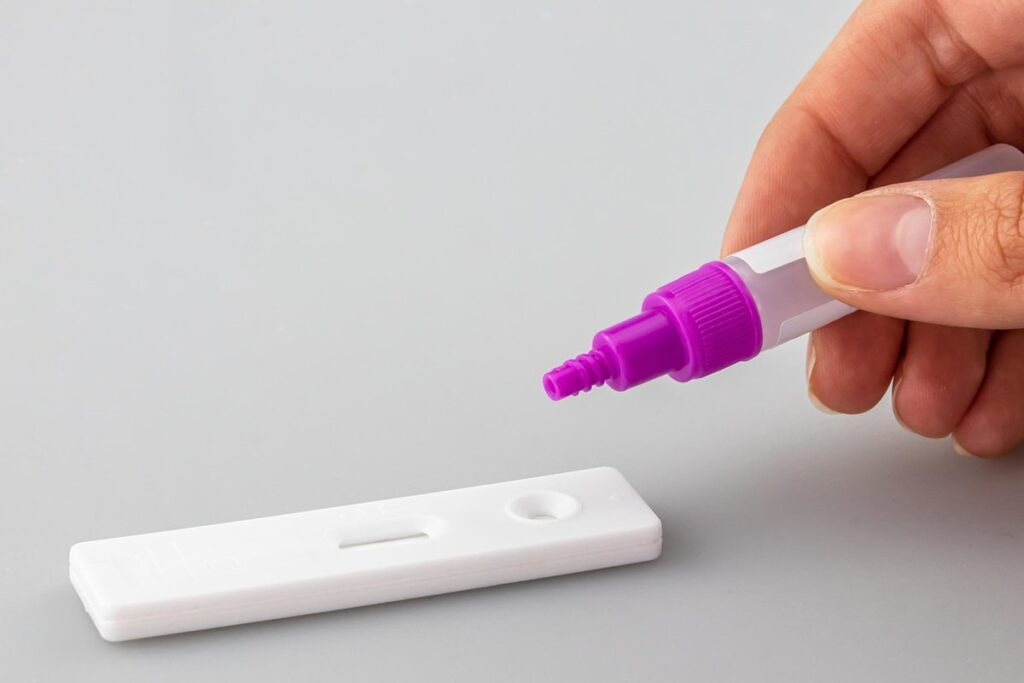
What are Dementia Screening Tests?
Dementia screening tests are a crucial step in diagnosing cognitive decline, and understanding what these tests entail is essential for patients and their families alike. Let’s break down the types of screenings used to identify dementia.
Defining Dementia and the Need for Screening
Dementia is a broad term encompassing various cognitive decline syndromes, each with distinct characteristics. The most common types are Alzheimer’s disease, vascular dementia, Lewy body dementia, and frontotemporal dementia. These conditions can have different underlying causes, but they all involve progressive damage to brain cells, leading to impaired memory, thinking, and behavior.
Early detection of dementia is crucial as it allows for timely intervention, which can slow down the progression of symptoms and improve quality of life. Without screening, many cases go undiagnosed until severe cognitive impairment has occurred. This not only affects the individual’s ability to perform daily tasks but also puts a significant burden on caregivers.
Screening tools, such as questionnaires and cognitive assessments, help healthcare professionals identify individuals at risk or with early signs of dementia. These tests are non-invasive, relatively quick, and can be administered in various settings, including primary care offices and community centers. By recognizing the importance of early detection, families and caregivers can begin to prepare for the challenges that come with dementia, making it easier to provide support and care throughout the disease’s progression.
Types of Dementia Screening Tests
Dementia screening tests typically involve a combination of clinical evaluation and standardized assessments. One commonly used test is the Mini-Mental State Examination (MMSE), which evaluates cognitive function across various domains, including arithmetic, memory, and language. The Montreal Cognitive Assessment (MoCA) is another widely employed tool, often considered more sensitive than the MMSE in detecting mild cognitive impairment.
The clock drawing test is a simple yet effective assessment that evaluates visuospatial skills and executive function. In this test, individuals are asked to draw a clock with hands set at specific times. The quality of the drawing provides insight into their cognitive status. These tests provide healthcare professionals with valuable information about an individual’s cognitive function.
It’s essential for clinicians to choose the most suitable screening tools based on the patient’s profile and clinical context. For instance, the MMSE may be more time-efficient for busy clinics, while the MoCA might be preferred in cases where a more nuanced assessment is required. By selecting the right tests, healthcare professionals can ensure accurate and reliable results that inform diagnosis and treatment decisions.
Understanding the Process of Dementia Screening
Dementia screening tests involve a comprehensive process that assesses cognitive function, identifying potential symptoms and underlying causes. We’ll break down each step to understand what to expect during this evaluation process.
Referral and Preparation for Screening
To be referred for dementia screening, an individual typically starts with a visit to their primary care physician. This doctor will assess the person’s overall health and medical history, looking for signs of potential cognitive decline or risk factors that may contribute to dementia. If the physician suspects dementia or notices red flags such as memory loss, confusion, or difficulty with daily activities, they’ll recommend further evaluation.
Preparation before screening is relatively minimal, but it’s essential to be honest about any medical conditions and current medications being taken. This information helps healthcare professionals interpret results accurately. On the day of the test, individuals may need to fast for a short period or abstain from certain medications as instructed by their doctor. A family member or caregiver often accompanies the individual for support.
During the screening process, expect a series of questions and cognitive assessments designed to evaluate memory, language, attention, and other cognitive functions. These tests are usually straightforward and may involve tasks like recalling names, completing puzzles, or identifying objects. The entire process typically takes about 30-60 minutes, depending on the specific test being administered.
The Role of Healthcare Professionals in Screening
Healthcare professionals play a vital role in conducting dementia screenings, which involve assessing an individual’s cognitive function to determine if they have dementia. Doctors and nurses are often the first point of contact for individuals suspected of having dementia, and they must be able to identify signs and symptoms that warrant further evaluation.
During screening tests, healthcare professionals typically administer questionnaires or conduct cognitive assessments, such as memory and language tests. They may also review medical history and perform physical examinations to rule out other conditions that could cause similar symptoms. Nurses often play a key role in preparing patients for screenings, explaining the process, and providing emotional support throughout the evaluation.
It’s essential for healthcare professionals to be trained in dementia screening tools and to understand the nuances of each test. This includes being aware of the potential biases and limitations of certain assessments. By working together as a multidisciplinary team, doctors, nurses, and other healthcare professionals can provide accurate diagnoses, recommend appropriate interventions, and offer support to individuals with dementia and their families.
Benefits and Limitations of Dementia Screening Tests
While dementia screening tests offer many benefits, they also have some limitations that are essential to understand before undergoing a test. Let’s examine these trade-offs closely to make an informed decision.
Accuracy and Reliability of Screening Tools
Most commonly used dementia screening tests have undergone rigorous testing for accuracy and reliability. While these tools have shown promising results, they are not without their limitations. The Mini-Mental State Examination (MMSE) is one such test that has been widely used to assess cognitive function. However, it has been criticized for its narrow focus on certain cognitive domains, potentially leading to false negatives or positives.
Another widely used screening tool is the Montreal Cognitive Assessment (MoCA). Research suggests that the MoCA may be more sensitive than the MMSE in detecting mild cognitive impairment and dementia. Despite this, the MoCA also has its own set of limitations, including a lengthy administration time and potential bias towards individuals with higher levels of education.
To put these test results into context, it’s essential to consider factors such as age, education level, and cultural background when interpreting screening results. This can help healthcare professionals make more informed decisions about further evaluation or treatment. While no single screening tool is foolproof, a combination of assessments may provide a more comprehensive understanding of an individual’s cognitive status.
Factors Affecting Test Results
Education level, cultural background, and language barriers can significantly impact the accuracy of dementia screening test results. For instance, individuals with lower levels of education may perform poorly on tests requiring complex cognitive tasks, even if they are otherwise unaffected by dementia. Conversely, highly educated individuals may excel on these tests due to their familiarity with the format and content.
Cultural background also plays a role in test performance. Different cultural norms and values can influence an individual’s attitude towards aging and cognitive decline, which may affect their willingness to participate in screening tests or their interpretation of results. For example, some cultures may place a strong emphasis on preserving dignity in older age, leading individuals to downplay or deny symptoms that might be indicative of dementia.
Language barriers are another critical factor, particularly for non-native English speakers. Misunderstanding test instructions or failing to comprehend the nuances of language used in the assessment can lead to inaccurate results. Healthcare professionals should take these factors into account when interpreting test results and provide culturally sensitive support to ensure accurate diagnosis and effective care planning.
Advanced Dementia Screening Methods and Technologies
New technologies and innovative methods are being developed to improve the accuracy and efficiency of dementia screening, offering hope for early detection. These advanced techniques aim to provide a more comprehensive understanding of cognitive decline.
Novel Diagnostic Techniques
Biomarker testing is a novel diagnostic technique that involves analyzing bodily fluids or tissues to identify specific biomarkers associated with dementia. These biomarkers can indicate the presence of certain types of dementia, such as Alzheimer’s disease. For example, low levels of beta-amyloid 42 in cerebrospinal fluid are often indicative of Alzheimer’s disease.
Advanced imaging methods, including positron emission tomography (PET) and magnetic resonance imaging (MRI), also play a crucial role in detecting dementia. PET scans can identify areas of the brain affected by dementia, while MRI scans can provide detailed images of the brain’s structure.
Other emerging diagnostic techniques include advanced fluid biomarkers, such as tau protein, and sophisticated imaging methods like diffusion tensor imaging (DTI) and functional MRI (fMRI). These innovative approaches have shown promise in improving the accuracy of dementia diagnosis. However, further research is needed to validate their effectiveness and integrate them into clinical practice.
A key advantage of these novel diagnostic techniques is that they can often detect dementia at its earliest stages, allowing for earlier intervention and better treatment outcomes.
The Future of Dementia Screening: Emerging Trends and Innovations
Researchers are exploring novel approaches to dementia screening, including the use of artificial intelligence (AI) to analyze medical imaging scans. This technology has shown promise in detecting subtle changes in brain structure and function associated with neurodegenerative diseases. Additionally, AI-powered chatbots are being developed to assist healthcare professionals in identifying individuals at risk of dementia through conversational interviews.
Another emerging trend is the integration of biomarkers into screening tests. Biomarkers, such as blood-based indicators or cerebrospinal fluid measurements, can provide a more accurate diagnosis and help monitor disease progression. For instance, studies have shown that certain plasma proteins may be indicative of Alzheimer’s disease.
The use of portable, point-of-care devices is also gaining traction in dementia screening. These compact devices enable healthcare professionals to conduct on-site assessments, reducing the need for lengthy hospital visits or lab testing. Portable EEG devices, for example, can measure brain activity and detect abnormal patterns associated with cognitive decline.
Managing and Supporting Individuals with Dementia
When interacting with individuals diagnosed with dementia, understanding their unique needs is crucial for providing effective support. This involves managing challenging behaviors and creating a caring environment that promotes comfort and dignity.
Early Intervention and Support Strategies
Early intervention and support strategies are crucial for individuals diagnosed with dementia. When a person receives a diagnosis of dementia, it can be overwhelming and emotional. However, early intervention can significantly improve their quality of life and slow down the progression of the disease.
Caregivers play a vital role in providing support and implementing early intervention strategies. They should work closely with healthcare professionals to develop a personalized care plan that addresses the individual’s specific needs and goals. This may include modifying their living environment, managing medications, and encouraging physical activity and social engagement.
Practical tips for caregivers include:
- Encouraging individuals with dementia to continue engaging in activities they enjoy
- Providing opportunities for social interaction, such as group classes or support groups
- Helping them stay connected with family and friends through regular visits or phone calls
- Promoting a healthy diet and regular exercise routine
A multidisciplinary approach is often the most effective way to provide comprehensive care. This may involve working with occupational therapists, speech therapists, and social workers in addition to healthcare professionals. By providing early intervention and support strategies, caregivers can help individuals with dementia maintain their independence and improve their overall well-being.
Caregiver Education and Resources
Caregiver education programs play a crucial role in supporting families affected by dementia. These programs typically involve training sessions, workshops, and online resources designed to equip caregivers with essential knowledge and skills to manage their loved one’s condition effectively.
Many organizations offer caregiver education programs that cover topics such as dementia types, stages of progression, and symptom management strategies. These programs often include interactive elements, allowing caregivers to ask questions and share experiences with others in similar situations.
Some notable resources available for caregivers include the Alzheimer’s Association‘s “Caregiver Center” and the National Institute on Aging’s (NIA) “Aging and Health” webpage. These online platforms provide access to webinars, videos, and downloadable guides that offer practical advice and support.
In addition to these programs, some healthcare providers also offer caregiver education as part of their services. This may involve individual or group sessions with a healthcare professional who can answer questions and address specific concerns.
For caregivers seeking more comprehensive support, some organizations offer in-person classes or online courses that cover advanced topics such as dementia care planning and managing behavioral changes. By taking advantage of these resources, families affected by dementia can better navigate the challenges associated with this complex condition.
Addressing Misconceptions and Concerns about Dementia Screening
Many of us have concerns about dementia screening tests, from fear of false positives to worries about stigma. Let’s address some common misconceptions about these crucial assessments.
Common Fears and Misconceptions
Many people are hesitant to undergo dementia screening due to concerns about stigma and labeling. However, it’s essential to understand that these tests are designed to identify potential issues early on, allowing for timely intervention and support. Dementia is not a defining characteristic of an individual; rather, it’s a complex condition with various causes and stages.
The fear of being labeled as “demented” often stems from a lack of understanding about the condition itself. People may worry that they’ll be stigmatized or judged by others, but this couldn’t be further from the truth. Healthcare professionals use screening tests to assess cognitive function and identify potential risk factors, not to diagnose individuals as having dementia.
In reality, most people who undergo screening are simply seeking reassurance about their health or helping a loved one access necessary care. If test results indicate concerns, healthcare providers work closely with patients and families to develop personalized plans for support and management. By addressing stigma and misconceptions head-on, we can foster a more supportive environment for those affected by dementia.
Importance of Open Communication and Support
Open communication and support are crucial components of a dementia screening process. When individuals or their families receive a diagnosis, they often experience fear, anxiety, and uncertainty about what comes next. In such situations, open communication can help alleviate these concerns by providing clear explanations of the diagnosis, treatment options, and available resources.
Healthcare professionals play a vital role in facilitating this dialogue. They should approach conversations with empathy and understanding, actively listening to patients’ questions and concerns. This not only helps build trust but also empowers individuals to take control of their care.
To foster open communication, healthcare providers can use simple, clear language when explaining complex medical concepts. They may also offer support groups or counseling services to help families cope with the emotional aspects of dementia diagnosis.
In addition to professional support, family members and caregivers should be encouraged to ask questions and seek guidance from healthcare professionals. By doing so, they can better understand their loved ones’ needs and develop effective care strategies. A supportive network can significantly enhance an individual’s quality of life and improve outcomes for those living with dementia.
Conclusion: The Role of Dementia Screening in Improving Quality of Life
As we wrap up our exploration of dementia screening tests, let’s focus on how these assessments play a crucial role in enhancing quality of life for individuals and their loved ones. This final section highlights key takeaways from our discussion.
Recap of Key Points
To recap, dementia screening tests play a vital role in improving quality of life for individuals affected by dementia. Early detection is crucial, allowing for timely intervention and support strategies to be implemented. Healthcare professionals can refer patients for screening, using various tools such as cognitive assessments and neuropsychological evaluations.
A key takeaway from this article is the importance of accuracy and reliability in screening tools. While no test is 100% accurate, advances in technology and novel diagnostic techniques are improving detection rates. Emerging trends, like machine learning algorithms and biomarker-based tests, hold promise for more precise diagnoses in the future.
Effective management and support strategies rely on early intervention, which can significantly improve quality of life for individuals with dementia and their caregivers. By understanding the process and importance of dementia screening, readers can better advocate for themselves or loved ones who may be at risk. Ultimately, this knowledge empowers individuals to take proactive steps in addressing dementia, fostering a more supportive community for those affected by the condition.
Future Directions for Dementia Research and Care
Future Directions for Dementia Research and Care involve integrating emerging technologies with personalized approaches to diagnosis and treatment. Researchers are exploring the use of artificial intelligence (AI) and machine learning algorithms to analyze medical histories, genetic data, and imaging results, enabling more accurate risk assessments and tailored interventions.
Studies have shown that early detection can significantly improve patient outcomes, but existing screening tools often rely on standardized questionnaires and cognitive tests. To address this limitation, scientists are developing novel diagnostic techniques, such as blood biomarker analysis and advanced brain imaging methods like functional MRI (fMRI) and diffusion tensor imaging (DTI).
Key areas of focus include:
- Developing AI-powered diagnostic platforms that can identify high-risk individuals based on comprehensive medical histories and genetic profiles
- Investigating the use of wearable devices and mobile apps to track cognitive decline and facilitate early intervention
- Enhancing caregiver education and support through online resources, peer mentoring programs, and community-based initiatives
By combining cutting-edge technologies with personalized care strategies, researchers aim to create more effective, efficient, and compassionate approaches to dementia diagnosis and management.
Frequently Asked Questions
Can I take a dementia screening test at home?
Yes, some online screening tools and mobile apps are available for self-assessment, but these should not be relied upon as the sole means of diagnosis. A comprehensive evaluation by a healthcare professional is still necessary for an accurate diagnosis.
How long does it typically take to get results from a dementia screening test?
The turnaround time varies depending on the complexity of the test and the healthcare system’s protocols. Some screening tests may provide immediate results, while others might require several days or weeks for completion.
What if I’ve been diagnosed with dementia – can I still participate in cognitive training programs?
Yes, many people living with dementia benefit from cognitive stimulation therapy, which can help slow down cognitive decline and improve quality of life. Consult with a healthcare professional to determine the best course of action for your specific situation.
Can advanced technologies like biomarker testing be used as standalone diagnostic tools?
No, these emerging techniques are typically used in conjunction with traditional screening methods to provide more accurate diagnoses. They may also help identify individuals at risk of developing dementia, allowing for early intervention and prevention strategies.
What if I’m concerned about stigma or labeling – how can I encourage a loved one to undergo a dementia screening test?
Approach the conversation with empathy and understanding. Emphasize the importance of early detection and the benefits of receiving support and resources to manage the condition. Encourage them to consult with a healthcare professional to discuss their concerns and options.