
Dressing individuals with dementia can be a daily challenge for caregivers, often resulting in frustration and anxiety. You know that every person with dementia is unique, but one common struggle they face is resisting help with personal care tasks like dressing. This resistance can stem from various factors, including sensory overload, memory loss, or simply feeling overwhelmed by the task at hand. As a caregiver, it’s essential to find ways to make dressing more manageable and comfortable for both you and your loved one.
This article will share practical strategies to help individuals with dementia dress comfortably and safely, while also providing tips on how to manage resistance and support caregivers in their daily routines.
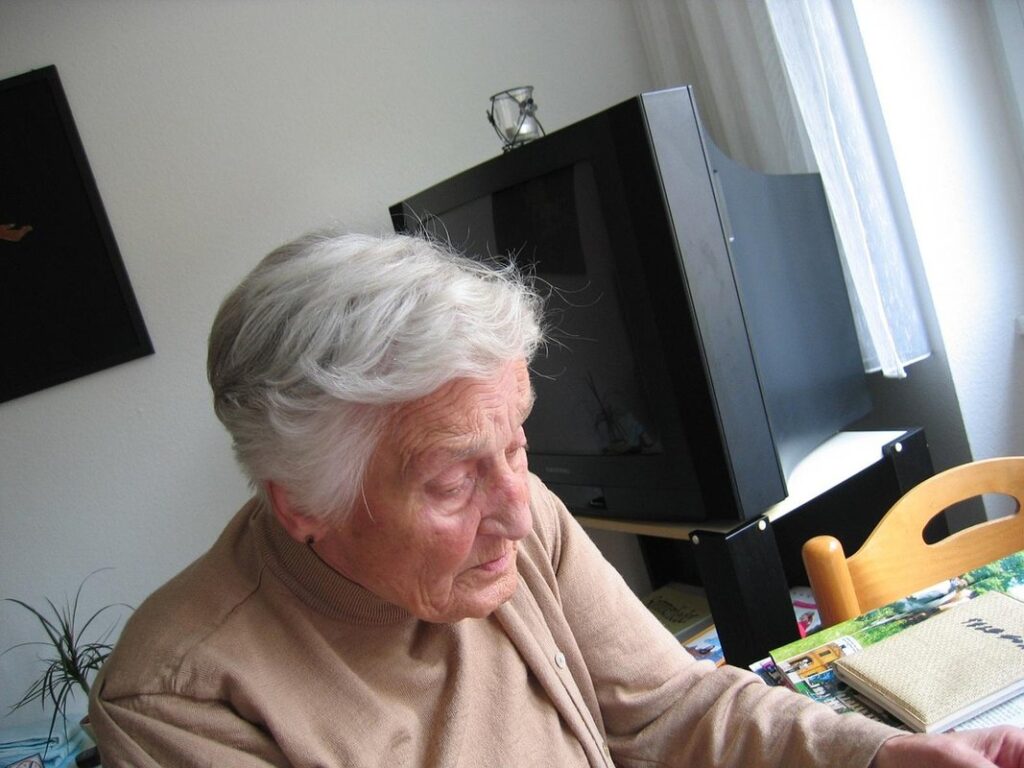
Understanding the Challenges
Dressing someone with dementia can be a daunting task, especially when it comes to understanding their unique needs and limitations. This section will help you navigate these challenges and find practical solutions.
Recognizing the Impact of Dementia on Daily Life
As individuals with dementia progress through the stages of cognitive decline, their ability to manage daily tasks like dressing becomes increasingly compromised. One of the primary challenges is difficulty with decision-making and problem-solving, which can lead to confusion and frustration when selecting clothing. This struggle often manifests as agitation or resistance during the dressing process.
In addition to cognitive impairment, physical changes associated with dementia, such as tremors, weakness, or sensory loss, can also hinder a person’s ability to dress independently. For example, a person may have trouble manipulating zippers or buttons due to arthritis or fine motor difficulties. Furthermore, some individuals with dementia may experience visual perceptual impairments, making it difficult for them to distinguish between different colors, patterns, or textures.
To effectively support someone with dementia in their daily dressing routine, it’s essential to recognize the unique impact of cognitive decline on their ability to manage this fundamental aspect of personal care. By acknowledging and addressing these challenges, caregivers can develop targeted strategies and adaptations that promote greater independence and dignity for individuals living with dementia.
Identifying Triggers for Agitation and Resistance
Identifying triggers for agitation and resistance is crucial when dressing someone with dementia. Some common triggers include physical discomfort, such as tight clothing or ill-fitting shoes, which can cause frustration and anxiety. Caregivers should also be aware of sensory issues, like bright lights or loud noises, that can overwhelm the person with dementia.
Other potential triggers include feeling rushed or hurried, lack of control over dressing choices, and changes in routine. For example, if a person with dementia is used to wearing a certain type of clothing on specific days of the week, disrupting this routine can lead to agitation.
Caregivers should also consider the emotional and psychological aspects of dressing someone with dementia. Avoiding criticism or scolding when the person resists dressing can help reduce stress and anxiety. Instead, focus on creating a calm and supportive atmosphere by speaking in a gentle tone and using positive language.
By understanding these common triggers, caregivers can take proactive steps to minimize agitation and resistance during dressing sessions. This may involve adjusting clothing choices, reducing distractions, or providing extra time for the person with dementia to complete tasks at their own pace.
Preparing the Environment
Creating a calm and comfortable environment is crucial when dressing someone with dementia, as agitation can escalate quickly if surroundings are overwhelming. Minimizing distractions and establishing a peaceful atmosphere is essential for success.
Creating a Calming Dressing Area
A peaceful and organized dressing area can significantly reduce stress and anxiety for individuals with dementia. To create such an environment, consider the following suggestions.
Start by decluttering the space: remove any unnecessary items that may be distracting or overwhelming. This includes excessive clothing, accessories, or personal care products. Use storage containers or bins to keep essential items organized and within easy reach.
Next, arrange the dressing area in a logical and accessible manner. Place the most frequently used items at waist level, such as pants, shirts, and undergarments. Store less frequently used items, like formal wear or out-of-season clothing, on higher or lower shelves.
Consider the lighting in the dressing area: natural light is ideal, but if that’s not possible, use soft, warm lighting to create a calming atmosphere. Add some plants or a few favorite photos to personalize the space and make it more inviting.
By creating a peaceful and organized dressing area, you can help reduce stress and anxiety for individuals with dementia while making the dressing process smoother and more manageable.
Minimizing Distractions and Stimulation
To minimize distractions and stimulation in the dressing area, start by decluttering the space. Remove unnecessary items from shelves and counters to reduce visual clutter. Consider storing clothing, accessories, and personal care items in labeled bins or containers to keep them organized and out of sight.
Next, address noise levels. If the dressing area is near a busy hallway or living room, consider using sound-absorbing materials like acoustic panels or white noise machines to create a more peaceful atmosphere. You can also play calming music in the background at a low volume.
Another key aspect is reducing visual stimulation. Avoid placing mirrors or windows with outside views directly opposite the dressing area, as they can cause disorientation and agitation. Instead, position them at an angle or use window treatments like curtains or blinds to filter out intense sunlight or distracting views.
Finally, consider using soothing colors and textures in the dressing area. Calming colors like light blue, pale green, or neutral tones can help create a relaxing atmosphere. Use soft, gentle textures for upholstery and flooring to reduce visual stimulation and promote comfort.
Choosing Appropriate Clothing
When dressing someone with dementia, choosing clothes that are comfortable and easy to manage is crucial for their dignity and independence. Selecting clothing with simple designs and secure fastenings can make a big difference.
Selecting Comfortable and Practical Attire
When selecting clothing for someone with dementia, prioritize comfort over fashion. Choose items made from soft, breathable fabrics like cotton or bamboo. Avoid scratchy or itchy materials that can cause discomfort and irritation.
Consider the individual’s daily activities when choosing attire. For example, if they spend most of their time in a wheelchair, opt for loose-fitting pants or skirts that are easy to move around in. If they have difficulty with buttons or zippers, look for clothing with magnetic closures or elastic waistbands.
Simplify dressing by selecting items that can be easily mixed and matched. A pair of comfortable jeans, a few plain tops, and a few cozy sweaters can create multiple outfits. Avoid patterns and bright colors, which can be overwhelming for individuals with dementia. Instead, stick to neutral tones like beige, gray, or navy.
Consider the individual’s personal preferences when selecting clothing. If they have a favorite shirt or pair of pants, incorporate those into their wardrobe. This can help them feel more in control and secure during dressing.
Considering Sensory Issues and Restrictions
When choosing clothing for someone with dementia who has sensory sensitivities, it’s essential to prioritize comfort and reduce potential triggers. Some individuals may be over- or under-sensitive to certain fabrics, colors, or textures, which can lead to agitation or distress. For example, some people might find soft, breathable fabrics like cotton or bamboo soothing, while others may prefer the structure of wool or fleece.
In addition to fabric choices, consider the clothing’s color palette and pattern. Bright lights, loud patterns, or strong contrasts can be overwhelming for individuals with sensory sensitivities. Opting for muted tones, simple designs, and gentle textures can help create a more calming atmosphere. It’s also crucial to avoid clothing that might chafe or constrict, as this can exacerbate agitation and discomfort.
When selecting clothing, take note of the individual’s mobility restrictions. For those who have difficulty walking or moving, consider loose-fitting garments with elastic waistbands or pull-on styles that eliminate the need for complicated fasteners. This can help prevent frustration and make dressing easier for both the person with dementia and their caregiver.
Developing a Dressing Routine
Establishing a consistent dressing routine can be incredibly beneficial for individuals with dementia, as it provides a sense of security and familiarity. This helps reduce stress and makes mornings easier for both you and your loved one.
Establishing a Consistent Schedule
Establishing a consistent schedule is crucial when developing a dressing routine for someone with dementia. A predictable daily rhythm can provide a sense of security and stability, which can be particularly beneficial for individuals who experience anxiety or agitation related to uncertainty.
To establish a consistent schedule, start by setting regular times for dressing each day. This might mean getting dressed in the morning and afternoon, or only once a day if the individual’s needs allow it. Consistency also extends to the tasks involved in dressing, such as brushing teeth, washing hands, or applying deodorant.
A sample schedule might include:
- 9:00 AM: Morning dressing routine (shower, clothes, grooming)
- 2:00 PM: Afternoon snack and refresh
- 5:00 PM: Pre-dinner relaxation time (reading, music, etc.)
- 7:00 PM: Evening dinner and socializing
Remember to involve the individual in the scheduling process as much as possible. Ask them about their preferences for dressing times and tasks, and try to accommodate their needs. By establishing a consistent schedule, you can help reduce agitation and create a more peaceful experience for both the individual and caregiver.
Breaking Down Tasks into Manageable Steps
When breaking down dressing tasks into manageable steps, it’s essential to identify the individual’s needs and limitations. Start by assessing their physical abilities, such as the ability to stand, sit, or move around independently. Consider their cognitive capacity for following instructions and completing multi-step tasks.
Begin with a small number of items, like socks or undergarments, and gradually add more clothing as the person becomes more comfortable with the process. This approach helps prevent feelings of overwhelm and frustration. For example, if you’re dressing someone who has difficulty putting on shoes, try breaking it down into smaller tasks: hold the shoe, put their foot in, buckle the strap, and finally tie the laces.
Another strategy is to create a visual cue system, using pictures or symbols to guide the person through each step. This can be especially helpful for those with memory loss or difficulty following verbal instructions. By dividing dressing into smaller, more manageable tasks, you can reduce anxiety and increase cooperation, making the process less stressful for both the individual and the caregiver.
Managing Resistance and Agitation
When a person with dementia resists help, it can be frustrating for both of you. This section offers practical tips to calm agitation and make dressing easier.
Recognizing Warning Signs and Triggers
When dressing someone with dementia, it’s essential to be aware of warning signs and triggers that can escalate agitation and resistance. Common warning signs include increased restlessness, fidgeting, or pacing; vocalizations such as shouting, screaming, or repetitive phrases; and physical aggression like pushing, hitting, or grabbing.
Triggers for agitation and resistance when dressing someone with dementia often relate to sensory issues, personal space invasion, or feelings of control loss. For instance, some individuals may become agitated if they’re forced to wear clothing that’s too tight or constricting. Others might resist being dressed in public areas, preferring the privacy of their own bedroom.
You can also look for non-verbal cues like tense body language, avoiding eye contact, or becoming withdrawn and unresponsive. Recognizing these warning signs early on allows you to intervene with strategies that minimize distress, such as offering choices, using gentle touch, or providing a calm environment.
To identify specific triggers, try keeping a journal of events leading up to agitation episodes, including the time of day, clothing options, and environmental factors. This can help you tailor your approach to meet the individual’s unique needs.
Using Non-Pharmacological Interventions and Strategies
When resistance and agitation arise during dressing, it’s essential to employ non-pharmacological interventions. Redirection can be an effective strategy: redirecting the person’s attention away from the task at hand and towards a more appealing activity or stimulus. For example, you might play soothing music or show them a favorite photo album while assisting with dressing.
Distraction techniques can also help manage agitation. This could involve engaging the person in conversation about their interests or involving them in the dressing process by letting them choose which clothes to wear. Communication strategies are critical: listening actively and responding empathetically to the person’s concerns or needs can diffuse tension.
Clear, concise language is vital when communicating with someone with dementia. Avoid using complex sentences or abstract concepts; instead, focus on simple, concrete instructions. For instance, you might say, “Let’s put your shirt on now” rather than “It’s time for us to dress.” Be patient and allow the person to process information at their own pace.
In some cases, offering choices can help reduce resistance: allowing the person to choose between two acceptable outfits or selecting which socks to wear. This sense of control can be comforting and empowering.
Supporting Caregivers
As a caregiver, it can be overwhelming to help someone with dementia dress independently, so let’s break down some practical tips for supporting their daily needs. We’ll focus on creating a positive dressing experience together.
Identifying Resources for Caregiver Support
Caregivers for individuals with dementia can benefit from accessing various resources to manage their caregiving responsibilities. Local Alzheimer’s Association chapters and Area Agencies on Aging (AAAs) often provide caregiver support groups, respite care services, and educational programs. These organizations can connect caregivers with other family members or professionals who have experienced similar challenges.
In addition to these local resources, online platforms offer a wealth of information and support. The Alzheimer’s Association website features a comprehensive caregiver section, including articles on managing stress, accessing respite care, and advocating for loved ones. Caregiver forums and support groups can be found on websites like CaringBridge and Care.com.
It’s also essential to explore government programs that provide financial assistance and benefits for caregivers. The Veterans Administration offers Aid and Attendance (A&A) benefits for eligible veterans with dementia, which can help cover costs associated with caregiving. The Supplemental Security Income (SSI) program may also be available for individuals with limited income and resources.
By leveraging these resources, caregivers can better manage their responsibilities and maintain their own physical and emotional well-being.
Encouraging Self-Care and Stress Management
Caregivers often put others’ needs before their own, but neglecting self-care can lead to burnout. To avoid exhaustion and maintain their ability to care for someone with dementia, caregivers must prioritize their own well-being. One strategy is to take regular breaks throughout the day, even if it’s just a few minutes to step outside or practice deep breathing exercises.
Encourage caregivers to engage in activities they enjoy, such as reading, walking, or talking to friends. This can help them maintain a sense of identity and purpose beyond caregiving responsibilities. Many organizations offer caregiver support groups, where individuals can share their experiences and receive emotional support.
Some caregivers may find it helpful to establish a self-care routine, like scheduling time for exercise or hobbies each week. This can be as simple as setting aside an hour on the weekend for a favorite activity. Prioritizing sleep is also essential – aim for 7-8 hours of restful sleep each night to help manage stress and fatigue.
Remember that taking care of oneself is not selfish; it’s necessary to provide high-quality care to someone with dementia. By making self-care a priority, caregivers can maintain their physical and emotional well-being, reducing the risk of burnout and improving their ability to support loved ones.
Conclusion
Now that you’ve learned how to make dressing easier and more efficient, let’s summarize the key takeaways from our conversation so far. We’ll review the most important strategies.
Recap of Key Takeaways
When dressing someone with dementia, it’s essential to create a calming environment, select comfortable clothing, and establish a consistent routine. This involves creating a designated dressing area free from distractions and stimuli, choosing clothes that are easy to put on and take off, and breaking down the dressing process into manageable steps. It’s also crucial to recognize warning signs of agitation and resistance, such as pacing or irritability, and use non-pharmacological interventions like redirection or providing choices.
Caregivers can encourage independence by allowing individuals to choose their own clothing and participate in the dressing process when possible. They should also be aware of sensory issues that may affect the individual’s comfort and clothing preferences. Establishing a consistent schedule for dressing can help reduce agitation and anxiety, while minimizing distractions and stimulation can make the experience more manageable.
By implementing these strategies, caregivers can create a positive and supportive environment for individuals with dementia during the dressing process. This includes providing choices, using visual aids, and offering reassurance to alleviate feelings of frustration or anxiety.
Future Directions and Research
As research continues to evolve, we can expect more targeted interventions to support individuals with dementia and their caregivers. One area of focus will be developing personalized dressing plans tailored to each individual’s needs and preferences. This might involve using wearable technology or mobile apps that track a person’s dressing habits and provide real-time feedback for caregivers.
Additionally, future studies may investigate the use of sensory-friendly materials in clothing design, potentially reducing agitation and resistance during dressing. Researchers could also explore the impact of caregiver training programs on dressing-related stress and burnout.
Furthermore, there is potential for advancements in adaptive clothing technology that can be easily put on or taken off, reducing the need for assistance from caregivers. This might include magnetic closures, snap buttons, or elastic waistbands that make it easier to dress and undress. As we move forward, it’s essential to prioritize collaboration between researchers, caregivers, and individuals with dementia to ensure that new developments address real-world needs and improve quality of life.
Frequently Asked Questions
How to Handle Resistance When Trying New Dressing Strategies
Yes, it’s normal for individuals with dementia to resist changes in their dressing routine. This resistance can be due to the person’s attachment to familiar habits or fear of the unknown. To overcome this, introduce new strategies gradually and involve the individual in the decision-making process as much as possible.
What If I’m Not Seeing Progress After Implementing New Dressing Strategies?
Progress may not always be immediate when implementing new dressing strategies for individuals with dementia. Be patient and remember that small steps can lead to significant changes over time. Consider working with a healthcare professional or dementia specialist to adjust your approach and provide additional support.
Can I Use Redirection Techniques with Individuals Who Are Aggressive During Dressing?
Yes, redirection techniques can be effective in managing aggression during dressing tasks for individuals with dementia. However, it’s crucial to understand the underlying triggers for their behavior and address these first. Redirecting an individual away from a potentially stressful situation without addressing its cause may not yield lasting results.
How Do I Know When It’s Appropriate to Use Non-Pharmacological Interventions Like Redirection or Distraction?
Non-pharmacological interventions like redirection and distraction can be powerful tools in managing resistance and agitation during dressing tasks. Look for cues that the individual is becoming overwhelmed, such as increased agitation or verbal outbursts, and intervene promptly with a non-pharmacological strategy.
What If the Individual with Dementia Has a Severe Sensory Issue That Makes Choosing Clothing Extremely Difficult?
If an individual with dementia has severe sensory issues that complicate clothing choices, consult with their healthcare provider for guidance. They may recommend specific fabrics, colors, or textures that are less likely to trigger discomfort. Additionally, consider involving the person in choosing clothing under less stressful conditions, such as when they’re feeling calm and relaxed.