
As we age, staying engaged and connected becomes increasingly important. For seniors living in nursing homes, social interaction, mental stimulation, and physical activity are crucial for maintaining their quality of life. Yet, many nursing home residents often face isolation and boredom, which can have serious consequences on their overall health and well-being. That’s why it’s essential to incorporate activities and games into daily routines that cater specifically to seniors’ needs. In this article, we’ll explore a range of fun and engaging ideas for activities and games in nursing homes, designed to promote social interaction, mental stimulation, and physical activity. From puzzle books to exercise classes, we’ll cover the best ways to create an inclusive and vibrant environment that encourages senior participation and enjoyment.
Benefits of Social Engagement for Seniors
Social engagement plays a crucial role in maintaining cognitive function and emotional well-being, especially among seniors living in nursing homes. Let’s explore how it can positively impact their lives.
The Importance of Social Interaction
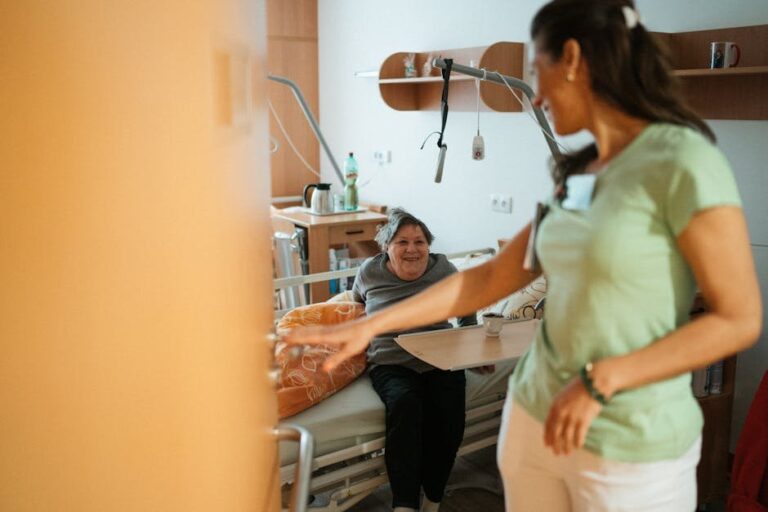
Social interaction plays a vital role in maintaining seniors’ mental and emotional well-being. When elderly individuals are left to their own devices for extended periods, they become more susceptible to feelings of loneliness and isolation. This can lead to depression, anxiety, and even cognitive decline. In nursing homes, where residents may be confined to a small living space with limited opportunities for socialization, it’s essential to create an environment that encourages interaction and engagement.
One way to combat loneliness is through group activities and games that promote teamwork and communication. For instance, board games like Scrabble or cards can be played in small groups, fostering camaraderie and mental stimulation. Additionally, residents can participate in arts and crafts, cooking classes, or exercise programs that encourage collaboration and social bonding.
Incorporating regular visits from family members and friends is also crucial. This not only provides emotional support but also stimulates conversation and reminiscence. Moreover, consider implementing “buddy systems” where residents are paired with a designated companion for activities and outings, helping to combat loneliness and isolation.
Role of Activities in Improving Mental Health
For seniors living in nursing homes, activities play a vital role in improving mental health. Mental stimulation is essential for elderly individuals to alleviate symptoms of anxiety and depression, which are common among this age group. When residents engage in mentally stimulating activities, they experience improved cognitive function, memory retention, and problem-solving skills.
Research suggests that participating in activities such as puzzles, brain teasers, and learning a new skill can reduce the risk of developing dementia by up to 30%. Moreover, engaging in creative pursuits like painting, drawing, or crafting can boost mood and reduce stress levels. To incorporate these benefits into your nursing home’s activity program, consider implementing activities that promote cognitive function, such as:
• Reading groups
• Arts and crafts sessions
• Board games and puzzles
• Music therapy
• Cooking classes
These activities not only provide mental stimulation but also foster social connections among residents, further enhancing their overall well-being. By prioritizing mentally stimulating activities in your nursing home’s programming, you can help seniors maintain a healthy mind while improving their quality of life.
Positive Impact on Physical Health
Regular engagement in activities has been shown to significantly improve physical health in seniors, particularly those living in nursing homes. One of the most notable benefits is increased mobility. When residents participate in regular exercises and activities, they tend to walk more, engage in light stretching, and perform daily tasks with greater ease. This not only helps maintain muscle mass but also reduces stiffness and improves balance.
Reducing the risk of falls is another critical aspect of physical health that social engagement can positively impact. Falls are a leading cause of injury and mortality among seniors, often resulting from reduced mobility, vision loss, or medication side effects. Activities that promote balance and flexibility, such as tai chi or chair yoga, can help mitigate this risk.
It’s essential to incorporate activities that cater to individual needs and abilities. For instance, simple walking exercises can be done around the facility, while more challenging activities like dancing or swimming may require adjustments for mobility-impaired residents. By incorporating a mix of low-impact exercises, stretches, and balance-promoting activities into daily routines, nursing homes can significantly enhance the physical well-being of their residents.
Indoor Games and Activities for Seniors
You’ll find a range of enjoyable indoor games and activities that can be easily incorporated into nursing home routines to spark creativity and excitement among seniors. These ideas are perfect for quiet days or special events.
Board Games and Card Games for Cognitive Stimulation
Board games and card games have long been a staple for mental stimulation, and they’re especially beneficial for seniors. Games like chess, Scrabble, and Bridge offer a unique combination of cognitive challenge and social interaction that can help combat age-related cognitive decline.
Chess, in particular, has been shown to improve memory, concentration, and problem-solving skills. Its complex strategies and tactics require players to think critically and adapt quickly, making it an ideal game for seniors who want to keep their minds sharp. Scrabble, on the other hand, is a great way to boost vocabulary and language skills, while Bridge offers a challenging combination of strategy, memory, and social interaction.
To make these games more accessible to seniors in nursing homes, consider forming clubs or groups focused on specific games. This can help create a sense of community and friendly competition among residents, making the experience even more enjoyable. Additionally, many nursing homes now offer online platforms that allow residents to play games with others remotely, providing opportunities for socialization and cognitive stimulation outside of traditional in-person activities.
Music and Art Therapy Sessions
Music and art therapy sessions have been increasingly recognized as valuable tools for improving the quality of life for seniors in nursing homes. These sessions use music and art to promote emotional expression, reduce stress and anxiety, and enhance mood.
Research has shown that engaging with creative activities can stimulate the brain, improve cognitive function, and even alleviate symptoms of depression. Music therapy, in particular, can be tailored to individual preferences, making it an effective way to connect seniors with their past experiences and memories. For example, listening to nostalgic music or singing along to favorite songs can evoke a sense of joy and nostalgia.
Art therapy sessions, on the other hand, provide an outlet for self-expression and creativity. Seniors can engage in various mediums such as painting, drawing, or sculpting to convey emotions and tell stories. This non-verbal form of communication can be especially beneficial for those with dementia or limited verbal ability. By participating in music and art therapy sessions, seniors can experience a sense of pride, accomplishment, and connection with others, ultimately enhancing their overall well-being and quality of life.
Indoor Walking Programs and Stretching Exercises
Regular indoor walking programs and stretching exercises are essential for seniors to maintain mobility, flexibility, and balance. These low-impact activities can be modified to accommodate various fitness levels, ensuring that everyone can participate.
A well-designed indoor walking program may include short distances, gentle slopes, or even virtual tours. For instance, a nursing home might create a “walking tour” of famous cities around the world using Google Earth on large screens. This not only gets seniors moving but also sparks conversation and shared memories.
Stretching exercises can be equally beneficial, focusing on major muscle groups such as legs, back, and shoulders. Simple chair yoga or seated stretching routines can help improve flexibility while minimizing joint stress. Consider incorporating props like resistance bands or light dumbbells to add variety and challenge.
To get started, nursing home staff can work with a fitness expert to create a customized program tailored to the residents’ needs. This may involve setting realistic goals, monitoring progress, and celebrating milestones along the way. By prioritizing indoor walking programs and stretching exercises, seniors can maintain their independence while enjoying social interaction and improved overall well-being.
Outdoor Activities for Seniors with Limited Mobility
For many seniors, spending time outdoors can be a challenge due to limited mobility, but there are still ways to enjoy nature’s beauty and fresh air safely and comfortably. Let’s explore some fun outdoor activities tailored for seniors.
Gardening and Horticultural Therapy
Gardening activities have proven to be an excellent way to engage seniors with limited mobility while promoting physical activity, social interaction, and mental stimulation. Not only does gardening provide an opportunity for gentle exercise, such as walking and stretching, but it also allows individuals to connect with nature and participate in a fulfilling activity.
Many nursing homes have successfully implemented gardening programs, which often include raised beds or container gardens that are easily accessible for seniors with mobility issues. These programs not only promote physical health but also offer opportunities for socialization through group activities like planting, watering, and harvesting. Mental stimulation is also encouraged as individuals learn about different plant species, their growth patterns, and the importance of gardening in maintaining mental well-being.
For example, a study published by the National Gardening Association found that seniors who participated in gardening activities reported improved mood, reduced stress levels, and enhanced cognitive function. To incorporate gardening into your nursing home’s activity program, consider the following tips: provide adaptive tools for easier access and use, involve physical therapists to create exercise routines around gardening tasks, and encourage intergenerational participation by pairing seniors with younger gardeners or volunteers.
Nature Walks and Scenic Drives
Nature walks and scenic drives can be an excellent way to connect seniors with nature, even if they have limited mobility. For those who are unable to walk long distances or participate in high-impact activities, these excursions provide a chance to breathe fresh air and enjoy the outdoors without exerting themselves too much.
Consider adapting walking routes to be wheelchair-accessible by choosing flat terrain and smooth pathways. Some parks and nature reserves now offer mobility-friendly trails with handrails and gentle slopes, making it easier for seniors with walkers or wheelchairs to navigate.
To make scenic drives even more engaging, encourage passengers to keep their eyes peeled for local wildlife, such as birds, deer, or rabbits. You can also bring along a field guide or use a mobile app to identify plants and flowers seen during the drive. This interactive approach helps seniors stay engaged and interested in their surroundings.
Some nursing homes have started offering “window gazing” activities where residents can sit comfortably and enjoy scenic views from the comfort of their own rooms or common areas, often with calming music playing in the background.
Accessible Sports Programs
Accessible sports programs are a great way to keep seniors with limited mobility engaged and active. Many traditional sports can be modified to accommodate physical limitations, allowing residents to participate safely and enjoyably. For example, golf can be played while seated or using adaptive equipment, such as lightweight clubs and specialized balls. Bowling is another sport that can be adapted for seniors with mobility issues, with ramps or elevated lanes providing easier access.
Archery is also an excellent option, requiring minimal physical exertion but promoting focus and precision. Some nursing homes even offer “wheelchair golf” or “adaptive bowling,” designed specifically for residents with limited mobility. These programs not only provide exercise and social interaction but also foster a sense of accomplishment and community. To implement accessible sports programs in your nursing home, consider the following steps: assess resident needs and interests, partner with local organizations to provide adaptive equipment and instruction, and schedule regular sessions to ensure consistent participation. By doing so, you can create an inclusive environment that encourages seniors to stay active, engaged, and happy.
Technology-Based Activities and Games for Seniors
This section will explore a range of technology-based activities and games designed specifically for seniors, making it easy to stay engaged and entertained. We’ll look at innovative ways to incorporate tech into daily life.
Virtual Reality Experiences
Virtual reality experiences have revolutionized entertainment for seniors, offering immersive adventures that transport them to new destinations without leaving their nursing home. These experiences simulate travel, exploration, and adventure in a safe environment, perfect for elderly individuals who may be unable to physically venture out.
Imagine being able to explore the Great Barrier Reef, stroll through the gardens of Versailles, or even visit the moon without ever leaving your chair. Virtual reality (VR) technology makes this possible, providing an unparalleled level of engagement and mental stimulation. For seniors with mobility issues or cognitive impairments, VR experiences can be a game-changer.
Some practical tips for implementing VR experiences in nursing homes include:
* Investing in user-friendly VR headsets designed specifically for older adults
* Creating a comfortable and quiet space for VR sessions to minimize distractions
* Starting with short sessions (10-15 minutes) to gauge interest and tolerance
* Encouraging social interaction during VR sessions, such as discussing what they’ve experienced or exploring together
By incorporating VR experiences into their activity schedules, nursing homes can provide seniors with a new dimension of entertainment, education, and joy.
Online Learning Platforms and Courses
Online learning platforms have become a valuable resource for seniors in nursing homes, offering a wide range of educational courses and tutorials on topics that interest them. These platforms cater to various learning styles and abilities, making it possible for seniors to engage with online content despite physical or cognitive limitations.
Some popular online learning platforms include Coursera, Udemy, and edX, which offer courses on subjects such as history, art, music, and language. For example, a senior interested in photography can take an online course to learn about composition, lighting, and editing. Similarly, a senior who wants to learn about gardening can enroll in an online course that covers plant care, soil management, and landscaping.
To get started with these platforms, seniors can ask the nursing home’s activity director or caregiver for assistance in setting up their accounts. They can also explore online courses offered by local community colleges or senior centers. With access to online learning resources, seniors can continue to learn, grow, and engage with new ideas throughout their lives.
Video Conferencing with Family and Friends
Staying connected with loved ones is crucial for seniors’ emotional and mental well-being. However, visiting family and friends can be challenging due to mobility issues, long distances, or health conditions. Regular video calls offer a convenient solution to bridge this gap.
To set up a video conferencing session, you’ll need a device with a camera and microphone, such as a smartphone, tablet, or laptop. Choose a platform that’s user-friendly for seniors, like Zoom, Skype, or Google Meet. Make sure the audio and video settings are clear and easy to adjust.
To make it more engaging, consider these tips: have multiple family members join in at once, use visual aids like photos or videos, or share stories about their lives. Encourage seniors to take an active role by using a headset with a microphone for better sound quality. Regular video calls can help reduce feelings of loneliness and isolation, promoting a sense of connection and community among seniors. By incorporating video conferencing into your activities, you can bring loved ones closer together despite physical distance.
Collaborating with Caregivers and Families
When collaborating with caregivers and family members, it’s essential to involve them in planning activities that cater to each resident’s unique needs and preferences. By doing so, you can create a more personalized and engaging experience for everyone involved.
Involving Caregivers in Activity Planning
Involving caregivers in activity planning is crucial to ensure that residents receive tailored and engaging experiences. Caregivers often have a deeper understanding of each resident’s interests, abilities, and preferences, making them invaluable assets in the planning process.
To involve caregivers effectively, it’s essential to establish an open communication channel with them. This can be achieved by conducting regular team meetings, creating a shared activity calendar, or setting up one-on-one discussions. By doing so, caregivers can share their insights on residents’ hobbies and interests, allowing for more targeted activities.
For instance, a caregiver may suggest that Mrs. Johnson, who loves gardening, would benefit from participating in an indoor herb garden project. This information can then be used to plan a specific activity or workshop that caters to her needs and preferences.
By incorporating caregivers’ input, you can ensure that activities are not only enjoyable but also meaningful and relevant to each resident’s life.
Communicating with Families about Activity Preferences
When communicating with families about activity preferences and needs for their elderly loved ones in nursing homes, it’s essential to establish a collaborative approach. Start by asking open-ended questions to understand the family’s goals, values, and expectations for their relative’s care. This can be done through regular meetings or phone calls.
For instance, you might ask: “What are some activities that your mother used to enjoy before moving to the nursing home?” or “Are there any hobbies or interests that your father would like to pursue while living here?” By actively listening to the family’s input, you can tailor activities and games to meet their specific needs and preferences.
It’s also crucial to involve families in planning and implementing activity programs. This not only ensures that residents receive personalized care but also fosters a sense of community and social connection among family members. Consider scheduling regular family meetings or activity planning sessions to ensure everyone is on the same page and working towards common goals.
Creating a Support Network
Creating a support network is crucial for ensuring that elderly individuals in nursing homes receive comprehensive care and attention. As caregivers and family members work together with healthcare professionals to enhance the quality of life for these residents, it’s essential to establish open communication channels and collaborative relationships.
Begin by identifying key stakeholders, including immediate family members, extended relatives, and healthcare providers. Schedule regular meetings or consultations to discuss resident needs, share insights, and coordinate efforts. This collective approach enables caregivers to provide tailored support, address specific concerns, and develop strategies for improving overall well-being.
By fostering a supportive environment, caregivers can better understand the unique challenges and preferences of each individual, tailoring activities and games to meet their emotional, social, and cognitive needs. For instance, involving family members in planning engaging activities or encouraging healthcare professionals to share expert advice on caregiving techniques can greatly enhance resident satisfaction and quality of life.
Implementing Activities and Games in Nursing Homes
Now that you know why activities and games are crucial for elderly residents, let’s dive into implementing them effectively in nursing homes. This is where planning, creativity, and collaboration come together to create a engaging environment.
Staff Training and Orientation
When implementing engaging activities and games in nursing homes, it’s essential to ensure that staff members are equipped with the knowledge and skills necessary to deliver high-quality programs. This is where staff training and orientation come into play. Providing comprehensive training will not only enhance the quality of life for residents but also boost staff morale and job satisfaction.
Training should cover the basics of activity planning, including understanding individual resident needs, selecting suitable activities, and promoting inclusivity. Staff should also learn how to create a welcoming environment that encourages participation and social interaction among residents. This can be achieved by using visual aids, providing clear instructions, and making adjustments for any physical or cognitive limitations.
In addition to the basics, training should also address specific topics such as fall prevention, person-centered care, and dementia-friendly activities. By empowering staff with the knowledge and skills required to deliver engaging programs, nursing homes can create a vibrant and stimulating environment that promotes social interaction, mental stimulation, and overall well-being among residents.
Scheduling and Coordination
When it comes to implementing activities and games in nursing homes, effective scheduling and coordination are crucial to meet the diverse needs of residents. One size does not fit all, so a tailored approach is essential.
Start by conducting regular assessments of resident preferences, abilities, and interests. This can be achieved through surveys, focus groups, or one-on-one interviews. By doing so, you’ll gain valuable insights into what activities will resonate with each group of residents.
For example, scheduling a gentle exercise class during morning hours may be more appealing to seniors who are early risers. On the other hand, a movie night or trivia game might be more enjoyable for those with later schedules in mind.
To avoid over-scheduling and allow for flexibility, consider staggering activities throughout the day and week. This also enables staff to attend to individual needs and provide support where required.
Regular reviews of your scheduling strategy will help identify what’s working and areas for improvement. Be open to adjusting plans as needed to ensure everyone has a chance to engage in enjoyable activities that enhance their quality of life.
Evaluating Success and Making Adjustments
Evaluating the success of activities and games implemented in nursing homes is crucial to ensure that they are meeting their intended goals. The effectiveness of these activities can be measured through various methods, such as participant feedback, observation, and tracking of outcomes.
One way to evaluate success is by collecting feedback from residents directly. This can be done through surveys or one-on-one interviews. For instance, a nursing home may ask residents to rate the enjoyment level of different activities on a scale of 1-5. The results can then be used to identify popular activities that should be continued and those that need improvement.
Observation is another important method for evaluating success. Staff members can observe participants’ engagement levels during activities and note any changes in behavior or mood. For example, if an activity is observed to have a calming effect on residents with dementia, it may be recommended for regular inclusion in the program.
Tracking outcomes such as improved cognitive function, reduced stress levels, and enhanced social interaction are also essential indicators of success. Staff can monitor these outcomes through data collection and analysis. For instance, a nursing home may track the number of residents participating in activities, their average attendance rate, and any changes in their overall health or well-being.
If an activity is not meeting its intended goals, adjustments should be made accordingly. This might involve modifying the activity itself, changing the time or frequency of implementation, or providing additional support to staff members leading the activity.
In some cases, it may also be necessary to abandon an activity altogether if it’s no longer engaging residents or serving a purpose. For example, if an activity that was initially well-received is now showing low participation rates and little benefit to residents’ overall well-being, it may be time to reassess its place in the program.
Ultimately, evaluating success and making adjustments as needed allows nursing homes to continually refine their activities and games to better meet the evolving needs of their residents. By regularly assessing and adapting their programs, facilities can provide a more engaging and enriching experience for seniors, ultimately contributing to improved quality of life.
Frequently Asked Questions
What are some ways to ensure that activities and games for seniors in nursing homes cater to their specific needs and preferences?
While it’s essential to offer a variety of activities, it’s equally important to tailor them to the individual needs of each resident. Consider conducting regular assessments and surveys to gather feedback on what types of activities they enjoy or would like to participate in. This can help create a more inclusive environment that encourages senior participation.
Can I involve caregivers and families in activity planning and implementation?
Involving caregivers and families is crucial for the success of any new program. They often have valuable insights into the individual needs and preferences of their loved ones, making them essential partners in creating engaging activities. Regular communication with caregivers and families can also help ensure that residents are motivated to participate.
How do I evaluate the effectiveness of activities and games in a nursing home setting?
Regular evaluations and assessments are vital to measure the impact of activities on senior well-being. Consider using standardized measures, such as cognitive and physical functioning assessments, to gauge improvements over time. It’s also essential to collect feedback from residents, caregivers, and staff members to identify areas for improvement.
What role can technology play in enhancing activities and games for seniors?
Technology offers numerous opportunities to enhance engagement and accessibility. Virtual reality experiences, online learning platforms, and video conferencing with family and friends can be especially beneficial for seniors with limited mobility or social isolation concerns. Technology can also provide new avenues for cognitive stimulation and physical activity.
How can I address common challenges such as staff shortages and budget constraints when implementing activities in a nursing home?
Staff shortages and budget constraints are indeed significant obstacles to overcome. Consider prioritizing low-cost or no-cost activities, such as indoor walking programs or board games, which require minimal equipment and staff supervision. You may also want to explore ways to collaborate with external organizations or volunteers to supplement resources.