
As we age, staying engaged and active becomes crucial for maintaining our physical and mental well-being. But finding enjoyable activities that cater to our new needs can be challenging. That’s why I’ve put together this guide to help you discover a wide range of fun and fulfilling pursuits. From gentle exercise routines to stimulating games and puzzles, creative hobbies, and social connections, we’ll explore the best ways to stay active, mentally sharp, and connected in your golden years. We’ll also touch on exciting travel ideas that will broaden your horizons and bring new experiences into your life. Whether you’re looking for something low-key or adventurous, this article has got you covered, providing a treasure trove of activities to suit every interest and energy level.
Maintaining Physical Health and Mobility
Regular exercise is essential for maintaining physical health and mobility as we age, but it’s also crucial to find enjoyable activities that make staying active a pleasure. Let’s explore some fun ways to keep moving!
Regular Exercise for Seniors
Regular exercise is essential for seniors to maintain their physical health, mental well-being, and mobility. As we age, our bodies undergo natural changes that can lead to a decline in physical function. However, regular exercise can help slow down this process and even reverse some of the effects.
Research has shown that exercise can reduce the risk of chronic diseases such as heart disease, diabetes, and osteoporosis, which are common among seniors. Exercise also improves mental health by reducing symptoms of anxiety and depression. Moreover, it enhances cognitive function and reduces the risk of dementia.
Low-impact exercises like walking, swimming, and cycling are perfect for seniors. These activities can be modified to suit individual fitness levels and mobility constraints. For example, chair yoga or tai chi can be done from a seated position, while water-based exercises provide gentle resistance without putting excessive strain on joints. The key is to start slowly and gradually increase the intensity and duration of workouts.
It’s recommended that seniors aim for at least 150 minutes of moderate-intensity exercise per week. They should also incorporate strength training exercises two to three times a week to maintain muscle mass and bone density. By making exercise a regular habit, seniors can enjoy improved health, increased energy levels, and enhanced overall well-being.
Managing Chronic Conditions through Physical Activity
Physical activity plays a vital role in managing chronic conditions that affect the elderly population. For instance, people with diabetes can significantly improve their insulin sensitivity by engaging in regular aerobic exercises such as brisk walking, cycling, or swimming. This not only helps manage blood sugar levels but also reduces the risk of complications like heart disease and kidney damage.
Similarly, individuals living with arthritis can benefit from low-impact exercises like tai chi, yoga, or Pilates that improve flexibility and balance without putting excessive strain on their joints. These activities also help maintain muscle strength, which is essential for mobility and preventing falls. As for those managing heart disease, physical activity such as walking, dancing, or gardening not only strengthens the heart but also reduces stress levels.
To incorporate physical activity into daily routines, consider consulting a healthcare professional to develop a personalized exercise plan that suits individual needs and abilities. Start with short sessions (20-30 minutes) and gradually increase duration and intensity as fitness improves. It’s essential to listen to one’s body and rest when needed to avoid exacerbating any underlying conditions.
Fall Prevention Strategies for Seniors
As we age, our risk of falling increases due to declining physical abilities and environmental factors. However, by incorporating regular exercise, home modifications, and other practical tips, seniors can significantly reduce their risk of falls.
Regular exercise is essential for fall prevention. It improves balance, strength, and flexibility, making it easier to navigate daily activities without fear of tripping or falling. Seniors should aim for at least 30 minutes of moderate-intensity exercise per day, such as brisk walking, swimming, or cycling. Additionally, exercises that target the core muscles, including the abdominal and back muscles, can help improve balance and stability.
Home modifications are also crucial in fall prevention. Install handrails on stairs, remove tripping hazards such as throw rugs, and ensure good lighting throughout the home. Seniors should also consider installing a medical alert system or wearing a wearable device that alerts emergency services in case of a fall. By taking these proactive steps, seniors can significantly reduce their risk of falls and maintain their independence.
For example, a simple yet effective exercise to improve balance is standing on one leg while holding onto a stable object for support. Start with 30-second intervals and gradually increase the duration as balance improves. Another home modification is installing grab bars in strategic locations, such as near toilets or showers, to provide extra support when needed.
Some additional tips include:
• Removing clutter and tripping hazards from walkways and living areas
• Using non-slip mats or stickers in bathtubs and shower floors
• Installing motion-sensitive lighting to illuminate dark areas
• Keeping frequently used items at waist level or lower to avoid straining and stretching
By incorporating these exercises, home modifications, and practical tips into daily life, seniors can reduce their risk of falls and maintain their physical health and mobility.
Mental Stimulation and Cognitive Health
Engaging mentally stimulating activities can have a profound impact on cognitive health, reducing the risk of age-related decline and keeping minds sharp as we get older.
Engaging in Brain-Boosting Activities
Engaging in brain-boosting activities is essential for maintaining cognitive health as we age. One of the most effective ways to stimulate the brain is through puzzles and games. Activities like crosswords, Sudoku, chess, and bridge can challenge problem-solving skills and improve memory. For example, studies have shown that regular puzzle-solving can reduce the risk of age-related cognitive decline by up to 25%.
Reading also plays a significant role in maintaining cognitive health. Not only does it expose us to new ideas and perspectives, but it also stimulates the mind and improves focus. Encourage elderly individuals to explore different genres, from fiction to non-fiction, and even try audiobooks for convenience. Learning new skills is another great way to keep the brain active. Consider taking a cooking class, painting course, or language lesson to engage in mentally stimulating activities.
It’s essential to make brain-boosting activities enjoyable and accessible. Start with small steps, such as dedicating 15-20 minutes each day to puzzles or reading. Mix it up by trying new things and involving friends or family members for added motivation. By incorporating these activities into daily life, elderly individuals can maintain their cognitive health, build confidence, and stay engaged in later years.
Building Social Connections for Seniors
Building social connections is essential for seniors’ mental well-being. As people age, they may experience isolation due to retirement, loss of a spouse, or mobility issues. Social connections can help combat loneliness and depression, which are common among older adults.
Volunteering is an excellent way for seniors to meet new people while giving back to their community. Many organizations, such as local animal shelters or food banks, welcome volunteers of all ages. Not only will they make friends with like-minded individuals, but they’ll also develop a sense of purpose and accomplishment.
Joining clubs or groups aligned with their interests is another great option for seniors. This could be a book club, hiking group, or even a language exchange program. Online platforms and community centers often host various activities that cater to seniors’ diverse needs and preferences. Encourage them to explore these options and find what suits them best.
Regular social interactions can also be facilitated through video calls with family and friends who live far away. This can help bridge the physical distance and maintain relationships. By prioritizing social connections, seniors can build a robust support network that enhances their mental well-being and overall quality of life.
Creative Pursuits and Hobbies for Older Adults
As you explore ways to stay engaged and active, it’s essential to consider creative pursuits that bring joy and fulfillment to your life. From painting to playing music, discover how these hobbies can enrich your golden years.
Exploring Artistic Interests
Engaging with artistic pursuits can be an excellent way for older adults to express themselves creatively and stimulate their minds. Whether you’re a seasoned artist or have never picked up a brush before, there are various mediums to explore that cater to different skill levels.
Painting and drawing are popular choices for seniors, allowing them to convey emotions and experiences through color and composition. Local art classes or online tutorials can provide guidance on techniques and styles. Many community centers offer pottery classes where you can shape clay into functional pieces like bowls, vases, or figurines.
Music is another excellent option, enabling individuals to tap into their creative side while enjoying the therapeutic benefits of playing an instrument. Consider renting a keyboard or joining a senior choir, which often provide opportunities for socialization and performance. Even if you’re new to art or music, embracing your inner creativity can have a profound impact on mental health and well-being.
Begin by setting aside dedicated time each week to explore different mediums. Visit local studios or galleries to gain inspiration from others’ work, and don’t be afraid to experiment with new techniques – it’s all part of the creative process!
Gardening and Nature-Based Activities
Gardening and nature-based activities offer a unique combination of physical activity, social interaction, and mental stimulation that can be especially beneficial for older adults. Not only do these pursuits provide an opportunity to connect with the natural world, but they also promote cognitive function, reduce stress levels, and improve overall well-being.
For instance, walking groups or birdwatching clubs can encourage seniors to engage in regular physical activity while exploring local parks or nature reserves. This not only helps maintain mobility but also fosters a sense of community and belonging. Gardening, in particular, offers numerous benefits, including improved hand-eye coordination, fine motor skills, and mental clarity.
To incorporate gardening into your daily routine, consider starting with small tasks like watering plants, pruning flowers, or even tending to a single vegetable bed. As you become more comfortable, you can gradually take on more complex projects, such as building a raised bed or creating a compost pile. Regularly scheduling time in nature also helps maintain a sense of purpose and structure, which is essential for overall health and happiness.
Incorporating gardening and nature-based activities into your life doesn’t require extensive experience or equipment. Many community centers, retirement homes, and local organizations offer guided gardening sessions, nature walks, or birdwatching excursions specifically designed for seniors.
Travel and Leisure for Seniors
Whether you’re exploring new cities, taking a relaxing cruise, or visiting grandkids, travel can be an excellent way to stay engaged and active in later life. Let’s look at some leisure activities for seniors that bring joy and excitement.
Planning Safe and Enjoyable Trips
Planning safe and enjoyable trips is crucial for elderly individuals who want to stay engaged and active. When traveling, consider purchasing travel insurance that covers medical emergencies, trip cancellations, and delays. Some popular options include AARP Travel Insurance and Allianz Travel Insurance.
Choose destinations with accessible facilities, such as wheelchair ramps, elevators, and restrooms. Beaches like Miami’s South Beach or San Diego’s La Jolla Cove have gentle slopes and wide walkways, making them ideal for seniors. National parks like Yellowstone and Yosemite offer shuttle services to reduce walking distances.
Plan your itinerary carefully, allowing for regular breaks and downtime. Consider booking accommodations with easy-to-use amenities, such as grab bars in the shower or a comfortable seating area. Pack essential items, including a portable charger, reading material, and a first-aid kit.
When exploring new places, bring a friend or family member to provide assistance if needed. Many tour operators now offer senior-friendly excursions, which cater specifically to the needs of older travelers. By planning ahead and choosing accessible destinations, you can ensure a safe and enjoyable trip for yourself or your loved ones.
Relaxation Techniques and Leisure Activities
As we age, it’s essential to prioritize relaxation techniques that promote mental and physical well-being. Meditation and yoga are excellent options for seniors, offering a calming effect on the mind and body. These practices can be adapted to suit individual needs and mobility levels, making them accessible to everyone. For instance, chair yoga is a great option for those with limited mobility or balance issues.
Reading and listening to music are also fantastic leisure activities that can bring joy and relaxation to seniors. Creating a comfortable reading nook or investing in a good pair of headphones can enhance the experience. Consider exploring different genres, such as audiobooks or classical music, to discover new favorites. Engage with others through book clubs or music appreciation groups to add social interaction.
To incorporate these activities into daily life, try setting aside dedicated time for relaxation and leisure. Begin by allocating 15-30 minutes each day for a calming practice like meditation or deep breathing exercises. Gradually increase the duration as you become more comfortable with the activity. Remember, relaxation is not a luxury but a necessity for maintaining overall health and happiness in later life.
Staying Engaged with Family and Friends
Nurturing relationships with loved ones is essential for elderly individuals, so we’ll explore engaging activities to strengthen bonds with family and friends. This includes visiting, phone calls, and more.
Hosting Gatherings and Events
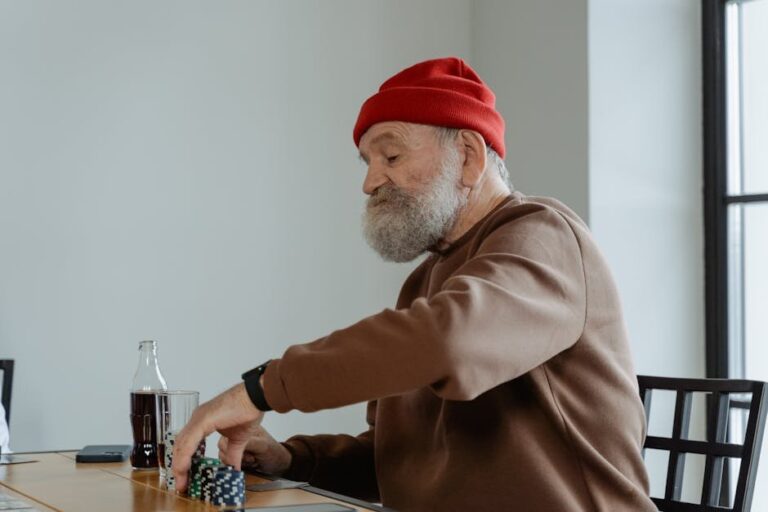
As we age, it’s essential to stay connected with loved ones to combat loneliness and isolation. Hosting gatherings and events is an excellent way for elderly individuals to socialize and build relationships. Consider hosting regular family dinners or game nights where everyone can participate together. These activities not only provide opportunities for bonding but also stimulate the mind and body.
You could also organize a potluck dinner, where each guest brings a favorite dish to share. This encourages interaction and conversation while providing an opportunity to taste various cuisines. For those with mobility issues, consider hosting events at home or in nearby community centers, making it easier for everyone to attend.
To make these gatherings more engaging, plan activities that cater to the group’s interests. For example, if there are book lovers in the family, organize a reading circle where everyone can discuss their latest reads. If music is a common interest, have a karaoke night or host a concert with local musicians. The key is to create an environment where everyone feels included and valued. By doing so, you’ll not only be keeping your loved ones engaged but also fostering a sense of community and connection that’s essential for overall well-being.
Technology for Social Connection
As we age, maintaining social connections can become increasingly challenging. However, technology offers numerous solutions to stay connected with loved ones and build new relationships. Video calls have revolutionized the way we communicate, allowing seniors to see their family and friends’ faces and feel more engaged.
Services like Zoom, Skype, or FaceTime enable seamless video conferencing from the comfort of one’s own home. Many elderly individuals can even use tablets or smartphones with ease, thanks to simple user interfaces and voice command capabilities. For example, a senior living in a retirement community can schedule regular video calls with their grandkids who live far away.
Online communities have also become essential for social connection. Platforms like SilverSneakers, AARP’s online forums, or Facebook groups dedicated to seniors offer opportunities to connect with others sharing similar interests and life experiences. These virtual spaces allow seniors to share stories, ask questions, and engage in discussions on topics ranging from health and wellness to hobbies and entertainment.
To start exploring these options, consider enlisting the help of a family member or caregiver to set up video conferencing services or online accounts. Many organizations also offer digital literacy classes specifically designed for seniors to learn basic computer skills and navigate technology with confidence.
Frequently Asked Questions
What if I have mobility issues or chronic conditions that make it difficult to participate in some activities?
Don’t worry, there are many adaptable activities that can be modified to suit your needs. For instance, chair yoga or seated exercises are great for those with mobility issues, while gentle swimming or water aerobics can be low-impact and beneficial for joint health.
How can I ensure my safety while traveling, especially if I have medical conditions or require special assistance?
Planning ahead is key when it comes to safe travel. Consider working with a travel agent who specializes in senior travel, and research accessible destinations that cater to your needs. Don’t hesitate to reach out to airlines, hotels, or tour operators for accommodations and assistance.
Can I still engage in creative pursuits if I’m not experienced or haven’t done them before?
Absolutely! Many seniors find it’s never too late to learn a new skill or hobby. Consider taking classes, workshops, or online tutorials that cater to beginners. You can also start with simple projects, like painting or gardening, and gradually build your skills.
How do I balance staying active with rest days and managing fatigue?
Prioritize self-care by listening to your body and recognizing when you need rest. Schedule regular breaks throughout the day, and make time for relaxation techniques like meditation or deep breathing exercises. Remember, it’s not about pushing yourself too hard but finding a sustainable balance.
What if I’m introverted or prefer smaller social settings? Are there still ways to build connections?
Yes, absolutely! While group activities can be beneficial, they might not suit everyone. Consider joining small groups, clubs, or volunteering opportunities that align with your interests. You can also leverage technology by using video conferencing tools to connect with friends and family who live far away.